
Brown Timber Figure
A brown timber figure brings warmth and character to a room, spanning centuries of global carving traditions.
Brown Timber Figure
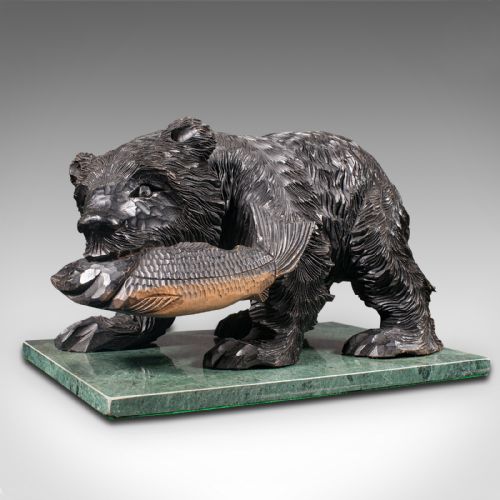
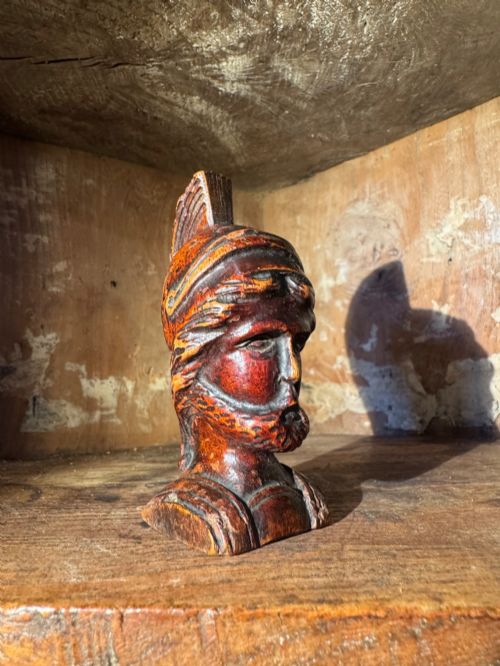
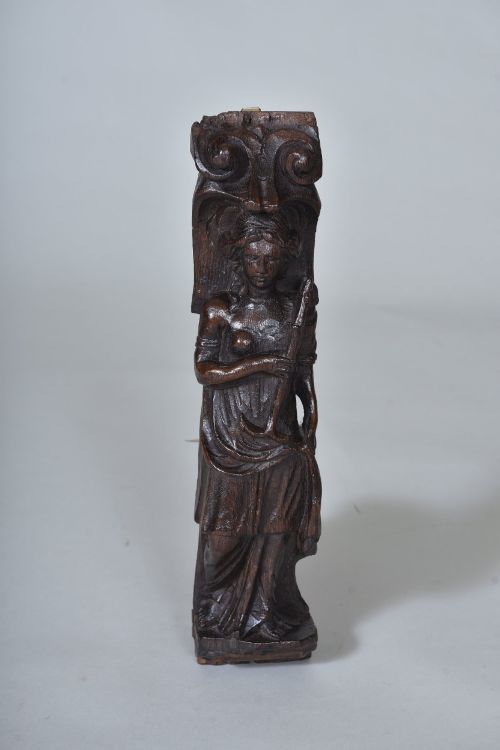
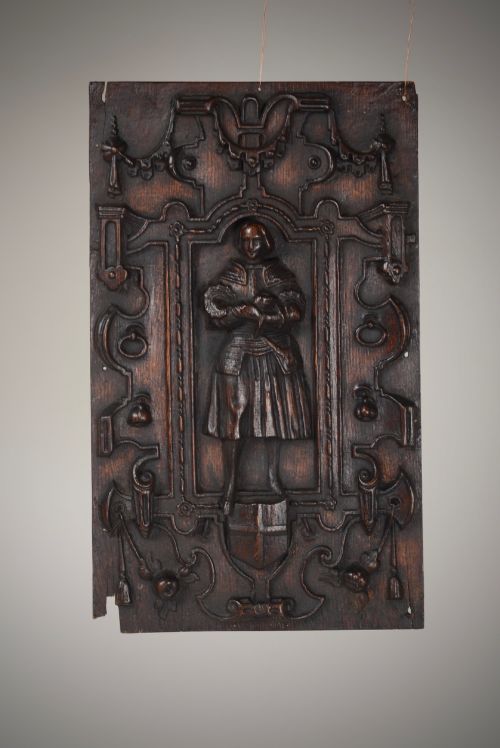
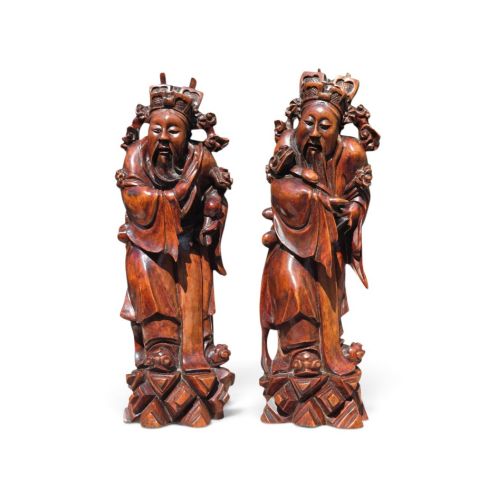
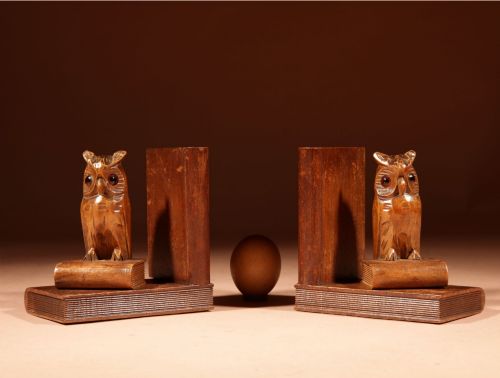
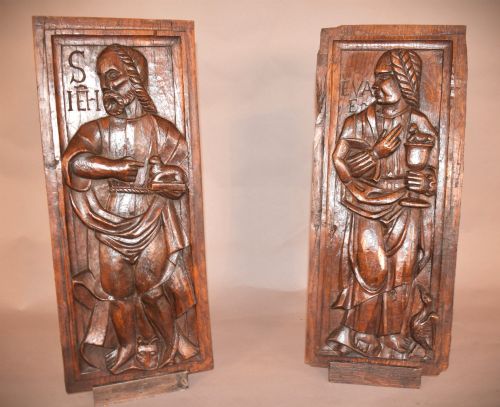
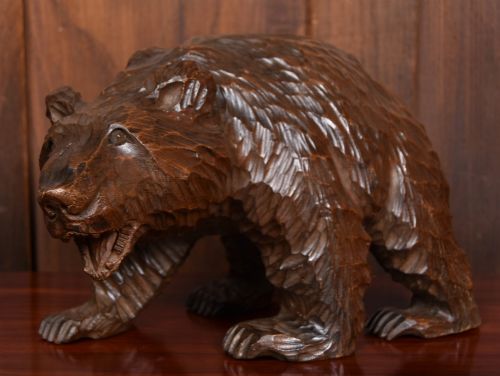
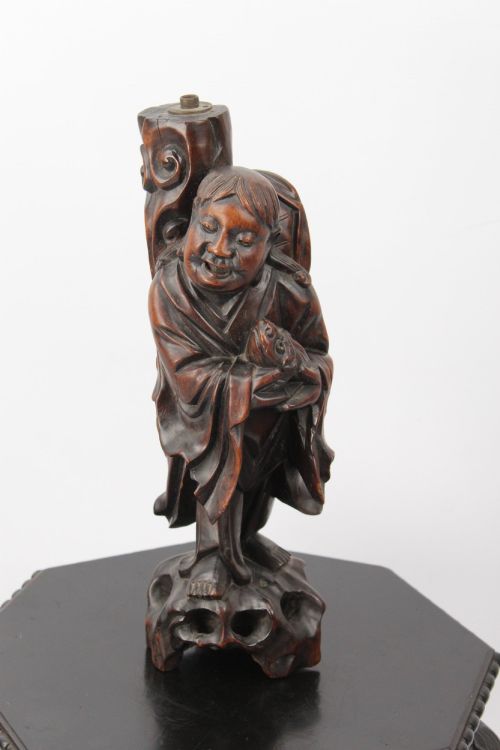
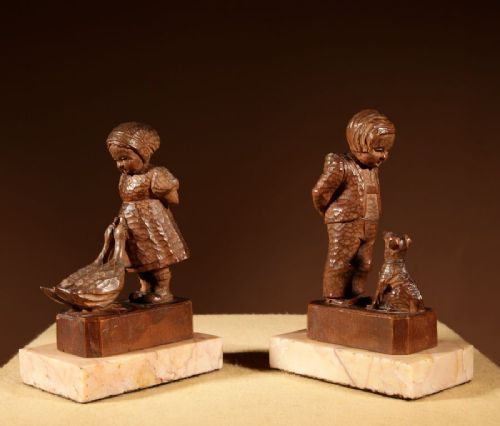
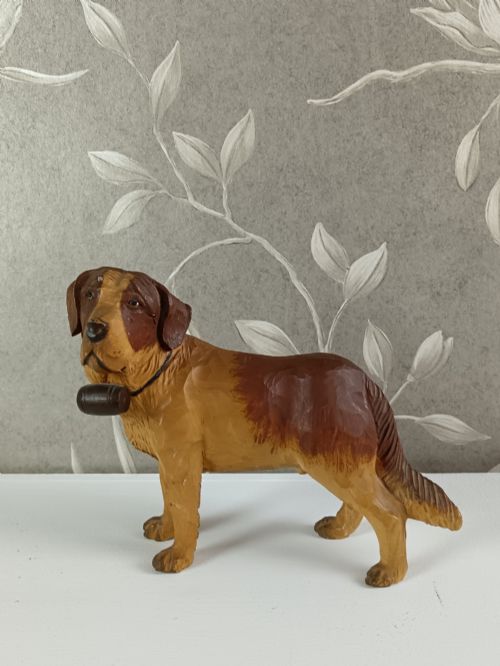
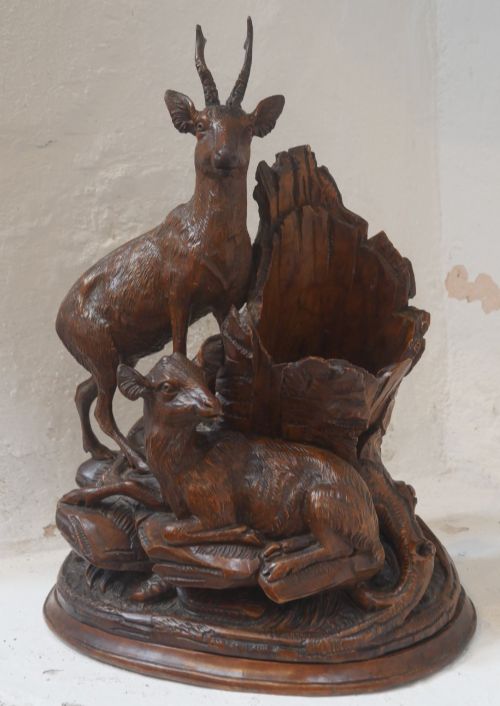
A brown timber figure encompasses carved sculptures, panels, and bookends created from various woods across multiple centuries. When exploring this selection, buyers encounter European Black Forest animals, Asian religious figures, and traditional folk art.
The objects range from small animal bookends and naive horses to monumental statues of saints and deities. These pieces serve as decorative focal points or functional items in domestic interiors.
Originating from workshops in Europe, Asia, and Africa, these carvings reflect distinct regional aesthetics and period styles. The material palette relies on natural timber grains to accentuate the sculptural form.
Materials and Techniques
Carvers utilise hardwoods such as oak, walnut, mahogany, and teak alongside limewood and yew burr. These timbers provide the density and grain required for detailed carving and long-term durability.
Listings feature timber figures spanning the seventeenth century through the twentieth century, incorporating Oak, Walnut, Mahogany, and Teak.
Assessing Quality in Timber Carvings
Quality rests in the precision of the hand-carving and the anatomical accuracy or expressive depth of the subject. Skilled carvers capture fluid movement and lifelike textures in hair, fur, and fabric.
The choice of timber and the preservation of the original surface finish influence the integrity of the piece. Well-defined details that remain crisp despite age indicate superior craftsmanship.
The Brown Timber Figure Glossary
- Black Forest
- A style of wood carving originating from the Brienz region of Switzerland, known for realistic animals and figures. These pieces often utilise walnut or limewood.
- Polychrome
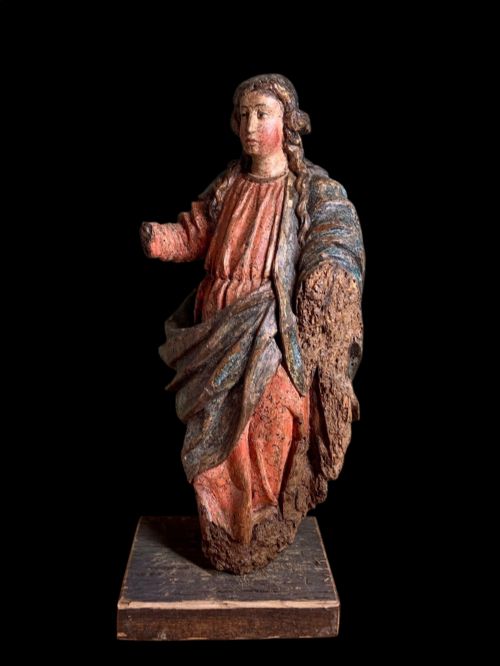
- Painted in several colours, often applied to wood carvings of saints and religious figures to enhance realism. This technique appears across various European periods.
- Folk art
- Artistic work produced from an indigenous culture or peasant society, characterised by a naive or primitive aesthetic. Such sculptures rely on local materials like yew burr or pine.
- Demi lune
- A half-moon shape applied to console tables and furniture items that occasionally accompany room displays. The term originates from French design vocabulary.
- Corpus Christi
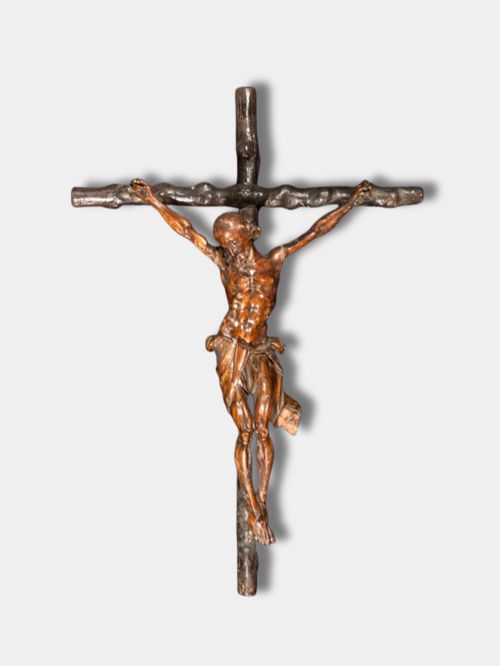
- An image of Jesus Christ on the cross, typically rendered in carved wood. These devotional objects date from the seventeenth century and earlier.
Brown Timber Figure: Frequently Asked Questions
How do I care for a wooden figure?
Keep carved timber pieces away from direct sunlight and rapid temperature changes to prevent the wood from drying out or cracking. Dust gently with a dry, soft cloth and avoid chemical polishes.
Maintaining stable indoor humidity preserves the structural integrity of both the timber and any applied surface paint or finish.
What woods were commonly used?
Carvers selected timbers based on availability and the level of detail required for the subject. Oak and walnut appear frequently in European works, while Asian pieces often utilise dense hardwoods.
Regional preferences and local tree species dictate the material makeup of folk art and traditional carvings.
How can I identify Black Forest carvings?
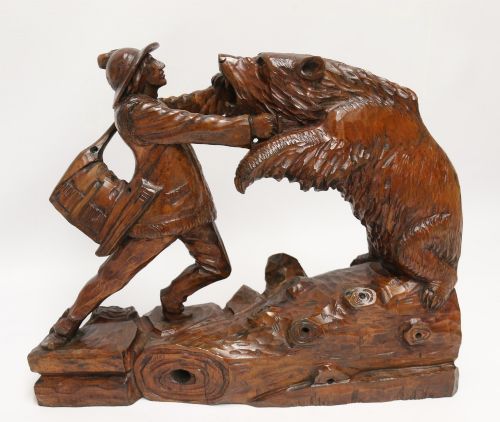
Black Forest pieces typically depict natural subjects such as bears, dogs, owls, and human figures engaged in rural activities. They are predominantly carved from walnut, limewood, or Swiss pine.
These sculptures often exhibit a high degree of anatomical realism combined with functional utility in items like bookends and stands.
What is folk art wood sculpture?
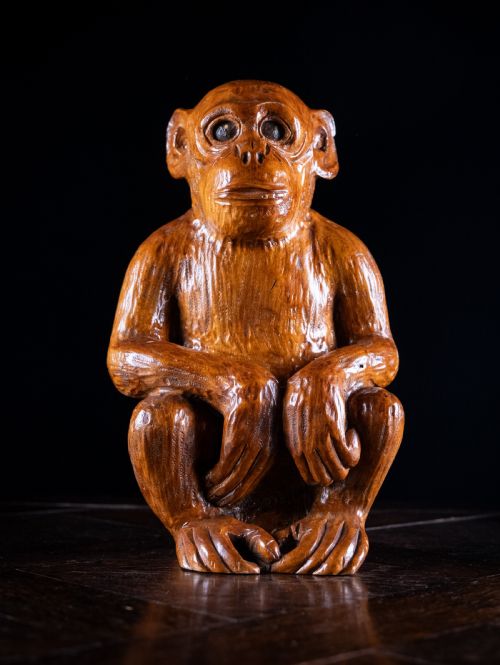
Folk art sculptures are created by self-taught or traditional artisans outside the formal academic tradition. They often display a naive or simplified handling of form and anatomy.
Materials are frequently sourced locally, resulting in unique objects that reflect regional cultural practices.