
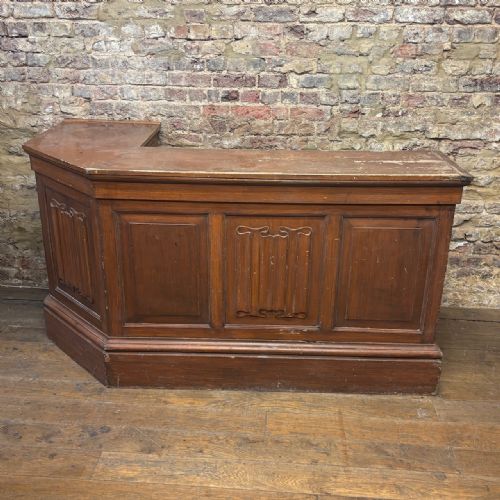

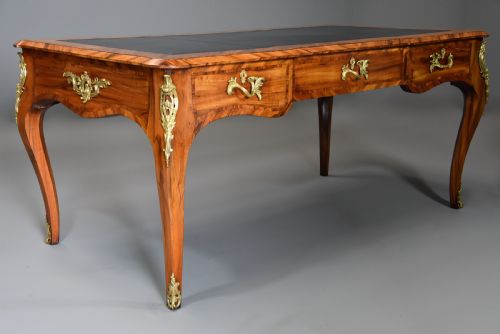
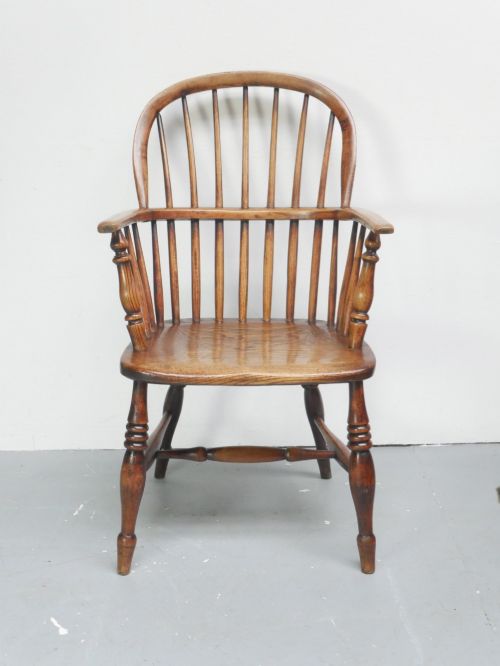
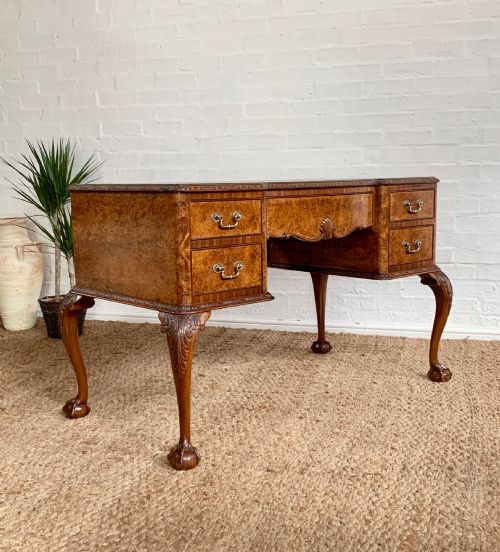
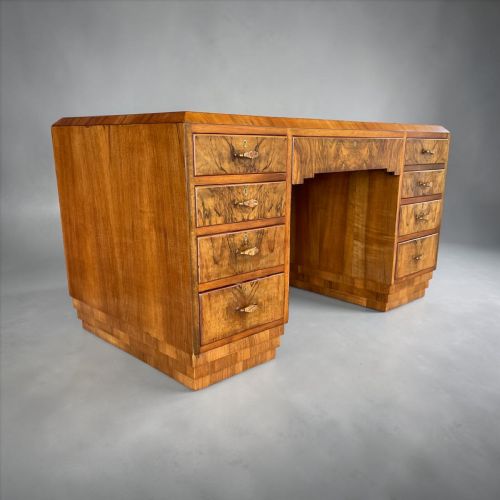
Brown Timber Desk
These brown timber desk examples offer enduring utility and rich cabinetwork, making them central pieces for any traditional study.
What these pieces are
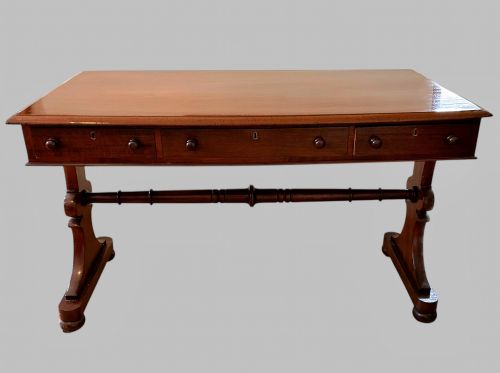
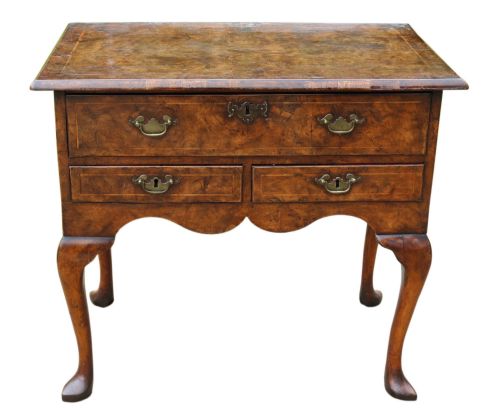
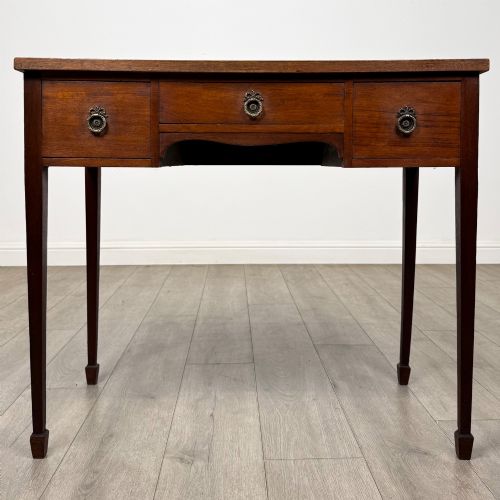
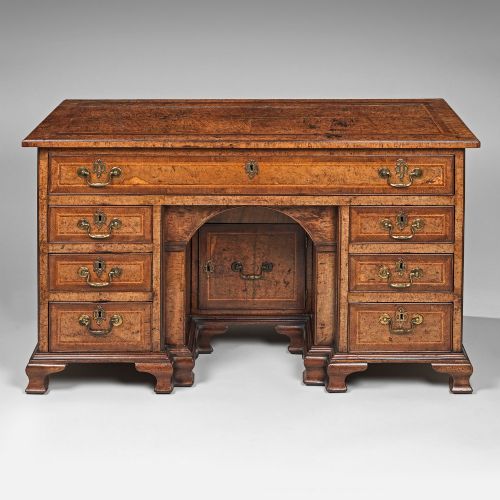
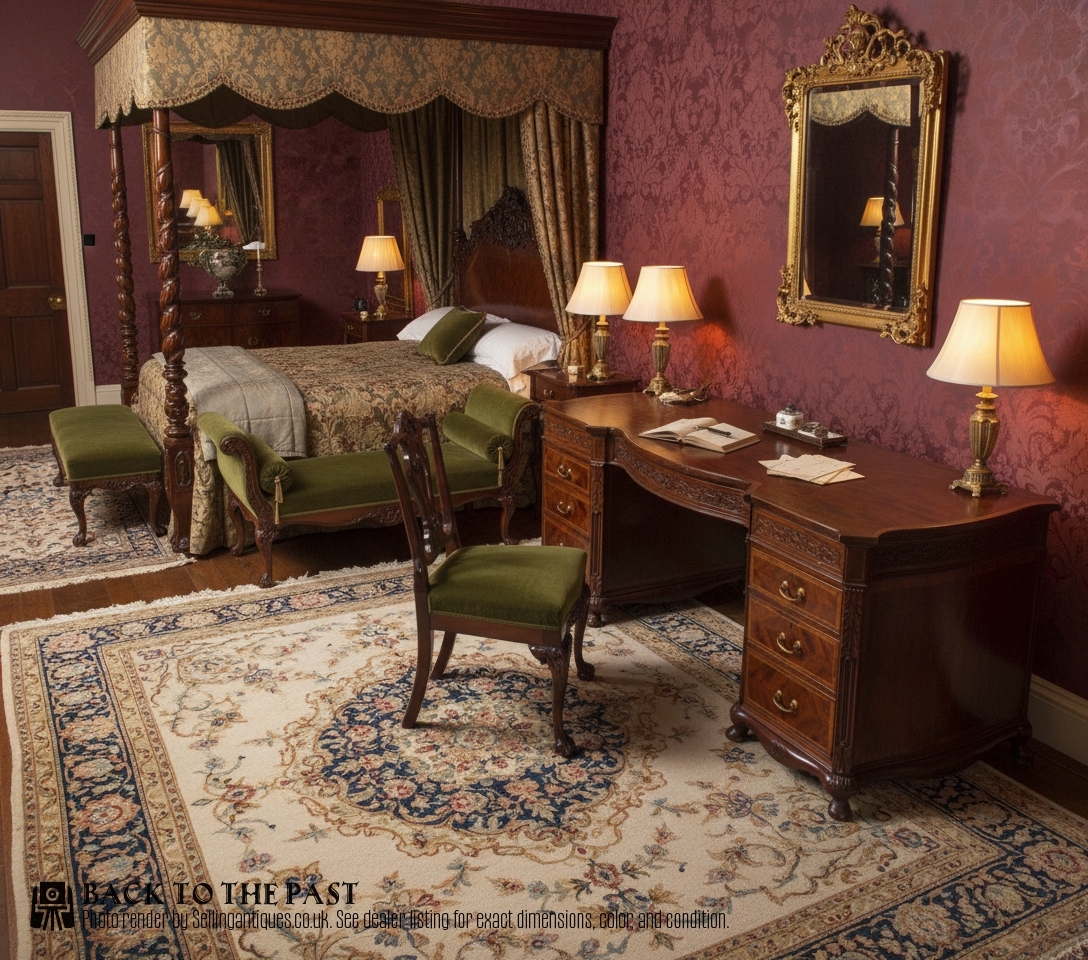
A brown timber desk spans several centuries of domestic and professional workspace design, ranging from early Georgian bureaus to 1930s Art Deco models. When searching for a brown timber desk, buyers encounter forms such as pedestal desks, writing tables, kneehole rolltop desks, and serpentine fronted pieces. These items serve as functional writing surfaces while displaying the rich grain and deep colour inherent to traditional cabinet timbers.
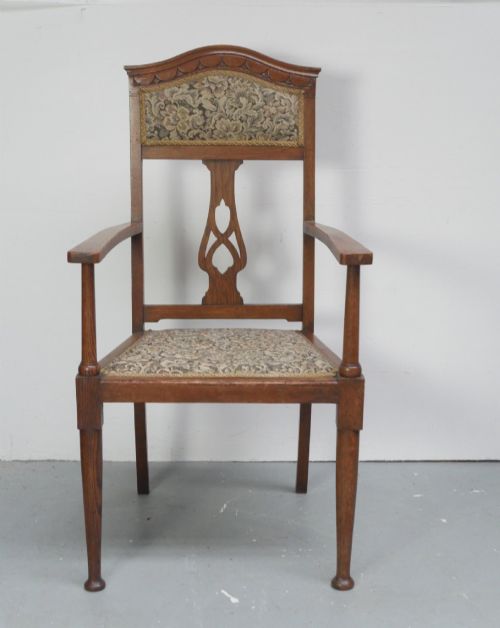
The selection here includes pieces from the Regency, Edwardian, and Victorian eras, alongside 18th-century examples and 1930s designs. Variations include George I style walnut bureaus, Regency mahogany bowfronted desks, and Arts and Crafts pedestal furniture. Each object reflects the prevailing domestic requirements of its period, from modest writing tables to substantial kneehole desks.
What varies in quality
The standard of a brown timber desk rests on the selection and matching of the timber veneers, particularly on figured walnut or serpentine mahogany facades. Superior examples exhibit continuous grain flow across drawer fronts and careful attention to secondary timbers within the drawer linings. The crispness of carved details, such as those found on Queen Anne or Chippendale revival pieces, further distinguishes finer workshop output from standard commercial production.
Construction integrity defines the upper tier of these desks, seen in smooth drawer operation and well-fitted dovetail joints. The integration of original brass hardware and the survival of patinated leather writing inserts contribute significantly to the overall coherence and historical integrity of the piece.
Retail Price Guide 2026
Typical UK retail prices for brown timber desk, calculated from the Sellingantiques database of over a million retail prices indexed since 2003. This retail price guide relies exclusively on Sellingantiques data; no external sources or auction records are used, so the figures do not describe the wider market.
Secret compartments inside early bureau interiors remain a delightful survival for hiding misplaced love letters.
The Brown Timber Desk Glossary
- Pedestal desk
- A freestanding desk comprising two supporting pedestals of drawers with a central section above the kneehole. This form provides substantial storage capacity while maintaining a finished appearance on all sides.
- Bureau
- A desk featuring a sloping fall-front that opens to reveal a fitted interior of small drawers and pigeonholes. It combines a writing surface with enclosed compartment storage.
- Serpentine front
- A furniture front characterised by a concave central section flanked by two convex curves, or vice versa. This undulating contour demands advanced woodworking skill to shape accurately from solid timber or veneer.
- Kneehole desk
- A compact desk design featuring a central recess for the user's legs, flanked by vertical banks of drawers. It offers an efficient footprint for smaller studies or drawing rooms.
- Burr walnut
- Timber taken from a tree growth or burr, yielding highly figured and intricate swirling grain patterns. Cabinetmakers prize this material for decorative veneering on elite desk surfaces.
Frequently Asked Questions
What is a pedestal desk?
A pedestal desk is a large, freestanding piece featuring two columns of drawers that support the main writing top. This layout provides ample internal storage and a substantial presence in a room.
Such desks are designed to sit away from the wall, often finished with panelling on the reverse side to allow placement in the middle of a study.
How do I care for antique walnut?
Antique walnut furniture requires protection from direct sunlight and dramatic humidity changes to prevent the timber and veneer from splitting. Regular dusting with a soft, dry cloth maintains the surface without the buildup of heavy waxes.
Applying a traditional beeswax polish occasionally helps nourish the wood and preserves the natural patina developed over centuries.
How do I identify Regency style?
Regency pieces often draw inspiration from classical Greek and Roman antiquity, featuring clean architectural lines and dark mahogany timbers. Brass inlay, reeded legs, and lion paw feet frequently appear on pieces from this era.
The style prioritises balanced proportions and restraint, moving away from the more elaborate carving of earlier decades.