


Brown Timber Chest
A brown timber chest brings warmth and character to a room, offering practical storage through centuries of craftsmanship.
Brown Timber Chest
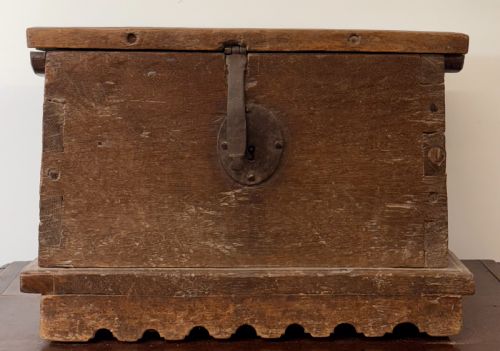
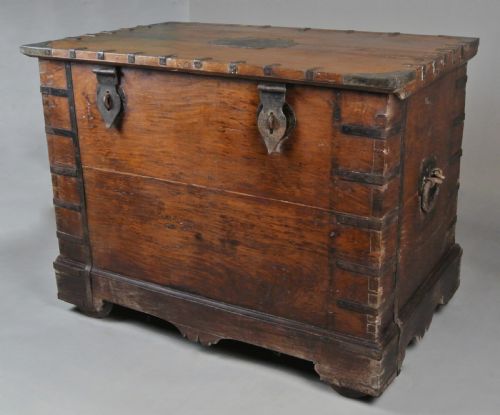
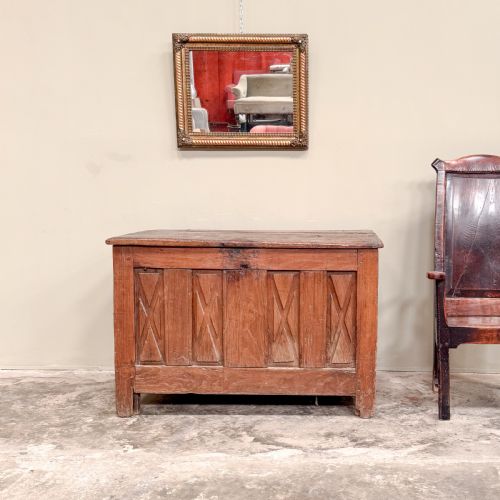
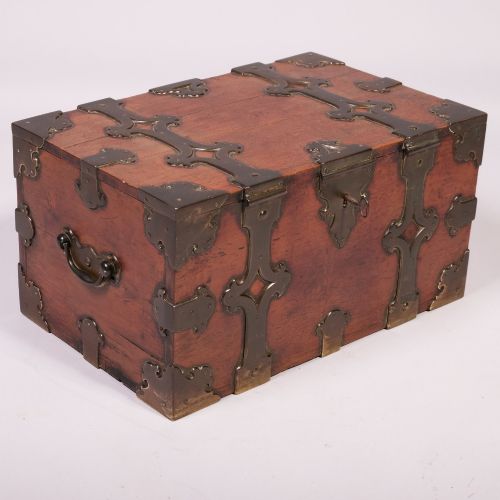
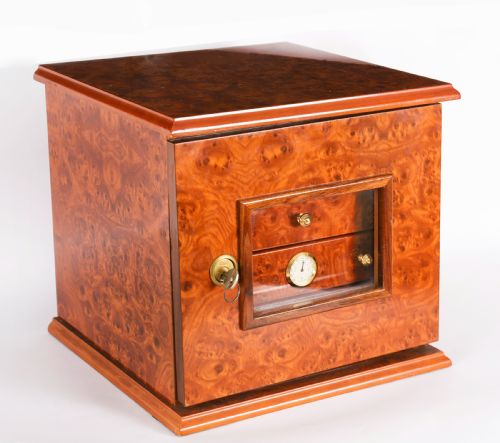
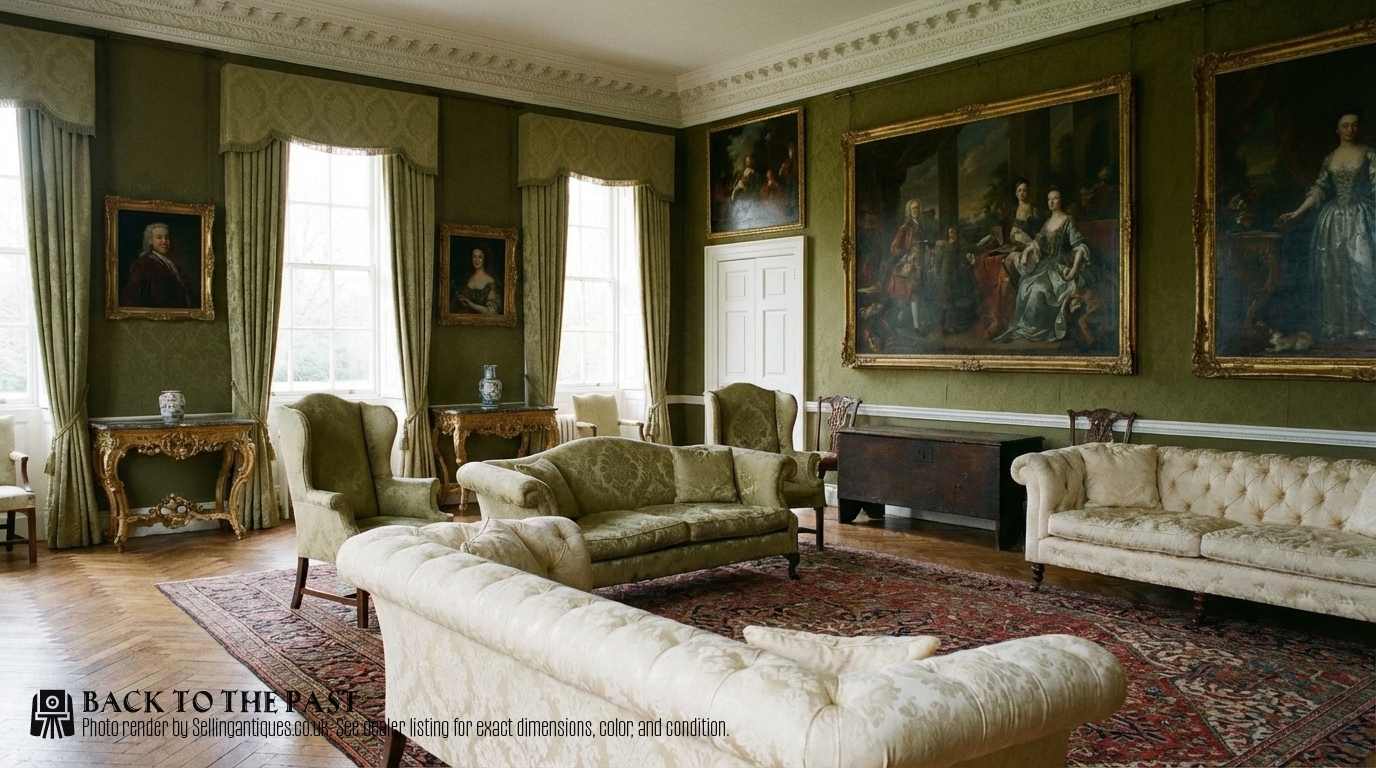
When you search for a brown timber chest, you encounter a diverse selection of storage furniture spanning several centuries, from early joined oak coffers to refined Victorian mahogany chests of drawers. These pieces served varied domestic and travel purposes, encompassing blanket boxes, campaign chests, dowry chests, and smaller tea caddies or humidors.
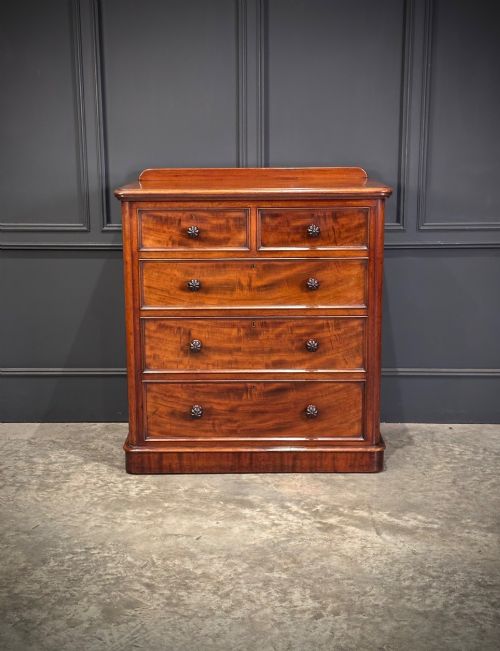
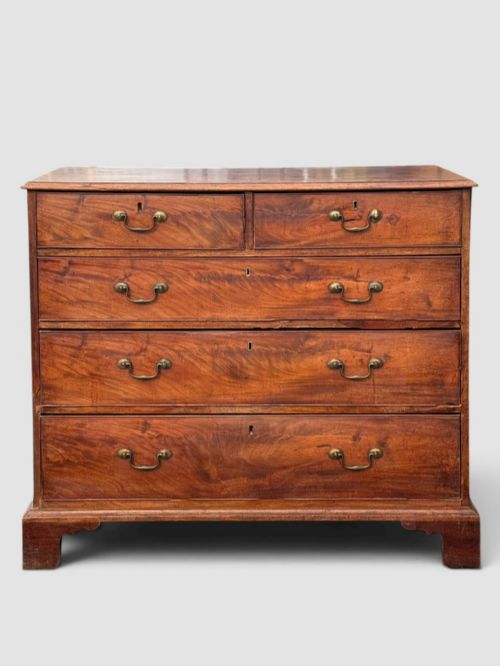
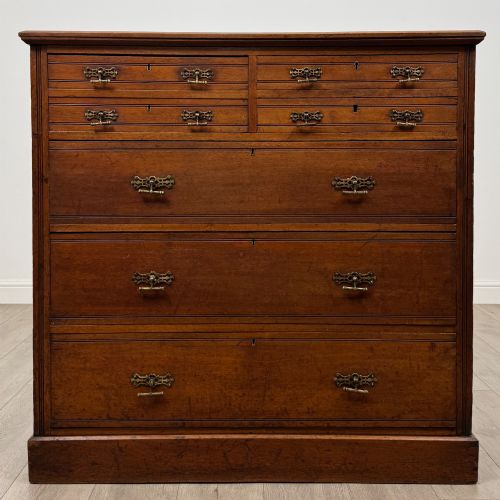
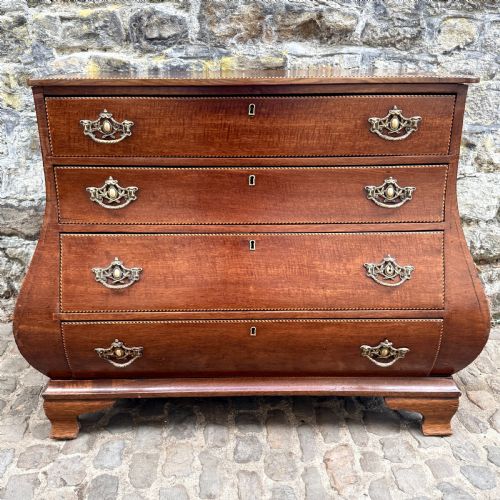
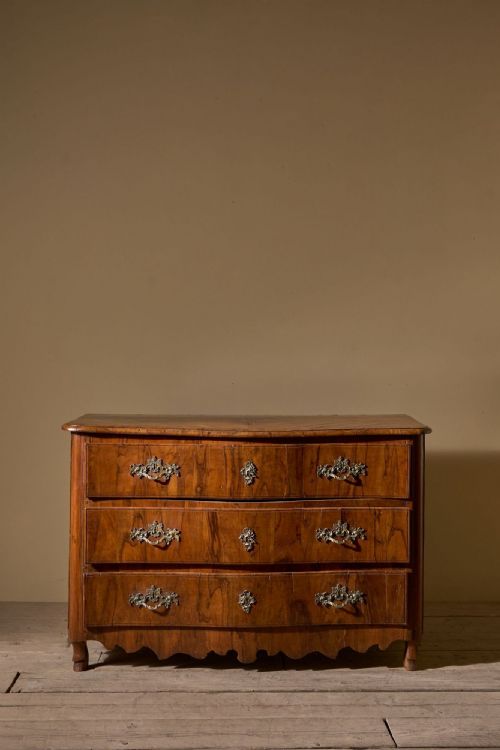
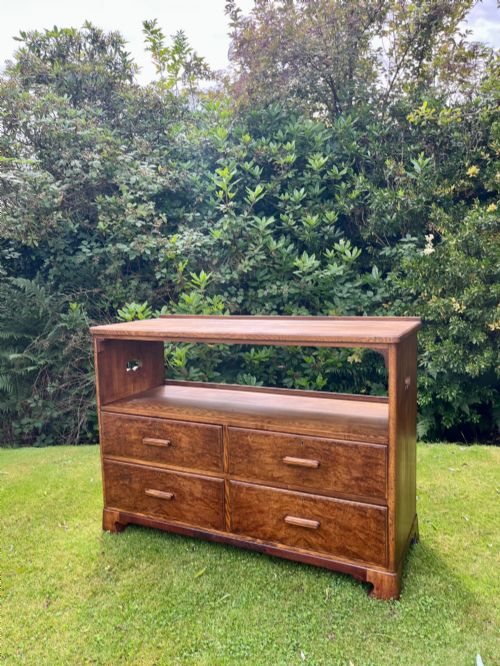
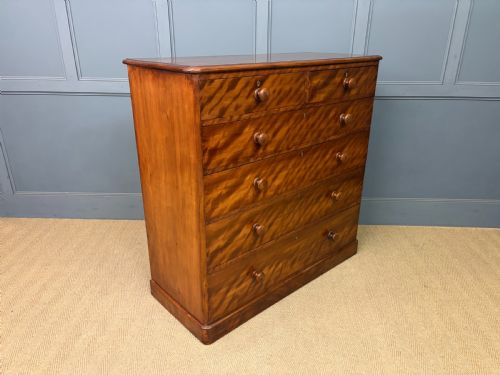
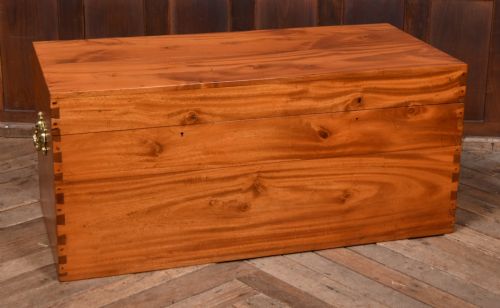
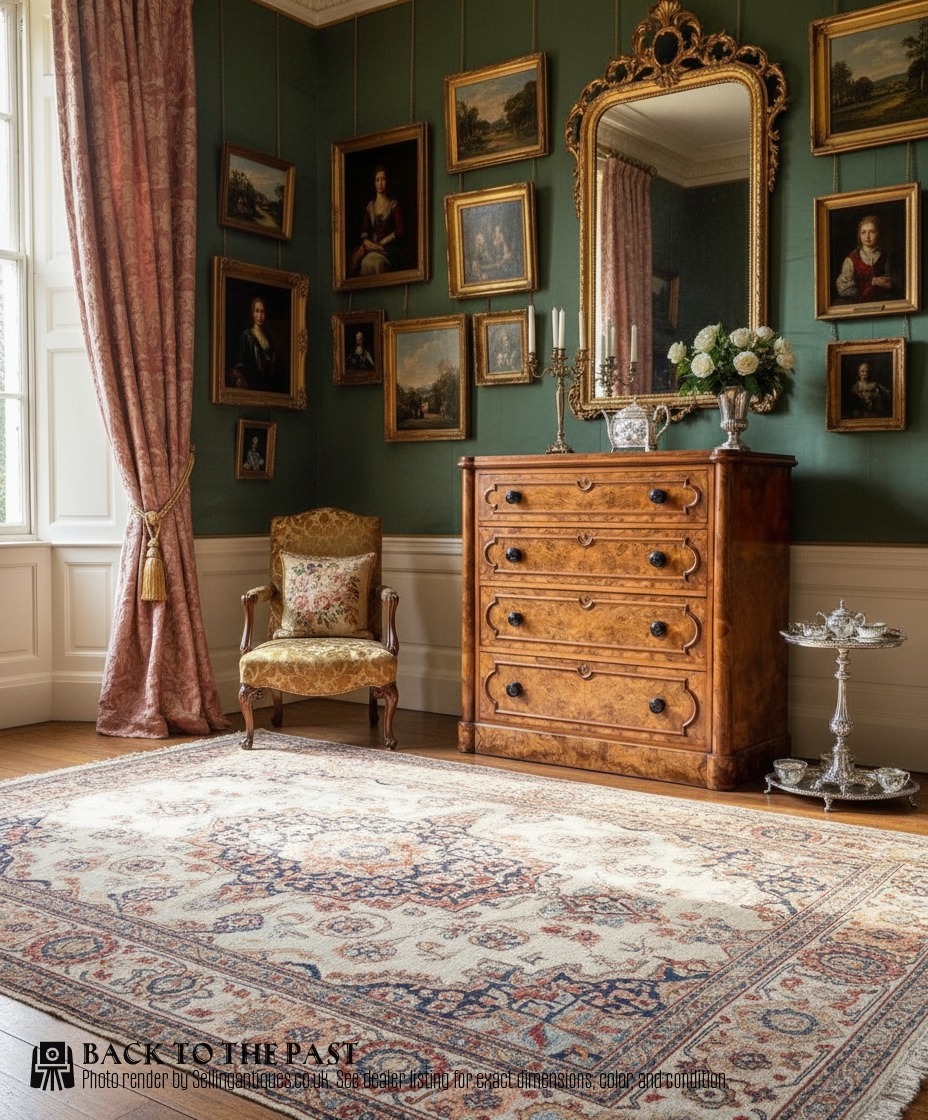
The version you are most likely to meet on this page is the classic mahogany chest of drawers from the Georgian or Victorian periods, often arranged with two smaller drawers over three larger ones. Alongside these, various regional pieces appear, including camphor wood boxes bound in brass and provincial French or English oak coffers.

Materials and construction methods
Cabinetmakers utilised durable hardwoods such as mahogany, oak, walnut, and elm, frequently pairing them with secondary timbers like pine. These materials were worked using traditional joinery techniques, including dovetailing for drawer construction and mortise and tenon joints for heavy coffers.
Metal mounts in brass and iron appear across many examples, serving both a structural reinforcement purpose for travel chests and a decorative role with handles, escutcheons, and corner brackets.
Brown Timber Chest Retail Price Guide 2026
Typical asking prices for brown timber chest among the pieces listed under this phrase on Sellingantiques today, from the lower quarter to the upper quarter. They describe what is for sale here now, not the wider market.
Engine company tool boxes and apothecary banks occasionally share floor space with aristocratic linen presses.
Distinctions in build and finish
Quality in these pieces rests primarily on the selection of timber and the precision of the joinery, distinguishing utilitarian containers from high-status cabinet work. Finer examples display carefully matched wood grain veneers, such as burr elm or figured walnut, and hand-cut dovetails that remain tight and true.
The integrity of original brass hardware, working locks with keys, and secondary drawer linings further separate superior pieces from those altered or heavily restored over time.
Jas Shoolbred·Whytock and Reid·Heal & Son·Druce & Co.
The Brown Timber Chest Glossary
- Coffer
- A heavy wooden chest, often constructed with joined panels, traditionally used for storing valuables or household goods.
- Campaign chest
- A modular chest of drawers made in two or more sections, designed to be easily dismantled and transported by military officers.
- Dovetail
- A traditional joint formed by interlocking wedge-shaped fingers, prized for its strength in drawer and box construction.
- Escutcheon
- A protective plate surrounding a keyhole, frequently fashioned from brass to complement the timber.
- Bowfront
- A convex, curved front elevation typical of certain Georgian and Victorian chests of drawers.
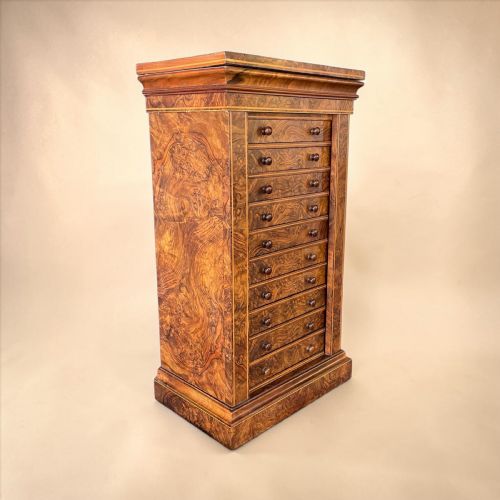
- Wellington chest
- A tall, narrow chest of drawers secured by a hinged vertical locking bar on one side.
Brown Timber Chest: Frequently Asked Questions
How do I date a brown timber chest?
Dating relies on examining construction methods, timber choices, and hardware styles. Hand-cut dovetails, secondary woods like pine or oak, and the type of brass handles provide clear chronological indicators.
Cabinetry details evolve from heavy joined oak frames in earlier centuries to more refined mahogany veneers and machine-assisted cuts by the Edwardian era.
What is a military campaign chest?
A campaign chest is a portable set of drawers built for officers on active service. These pieces typically feature recessed brass handles and brass corner binding to withstand rough travel.
They divide into stacked sections for easy transport on horseback or ship.
Are camphor wood chests safe for clothes?
Camphor wood is traditionally used for storage chests because its natural aromatic oil repels moths and insects. This makes it particularly suitable for blankets, woollens, and linens.
The distinctive scent tends to soften over time but generally remains present within the enclosed space.
How should I care for antique timber?
Maintain antique wood by keeping it away from direct heat sources and strong sunlight, which can dry out and fade the finish. Regular dusting with a soft, dry cloth is sufficient for daily upkeep.
Periodically applying a traditional beeswax polish helps nourish the timber without building up heavy chemical layers.