
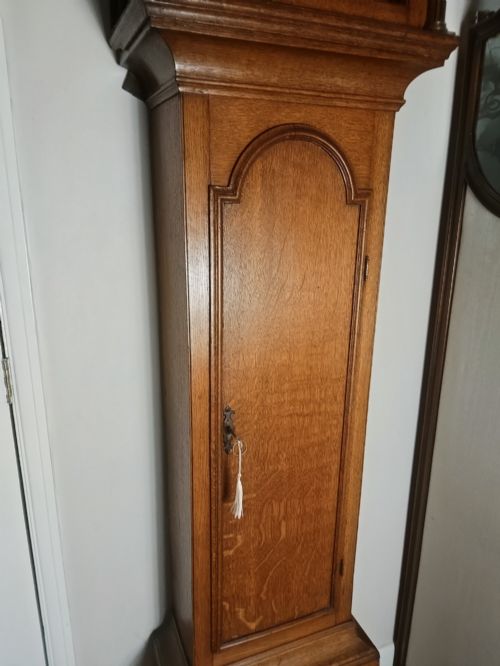
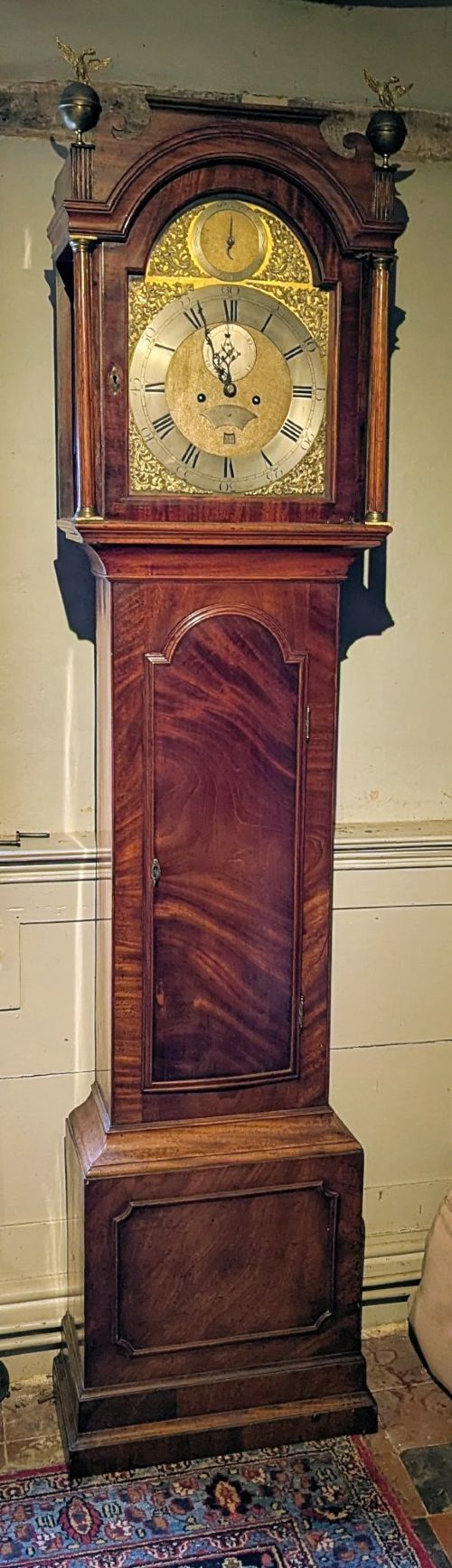
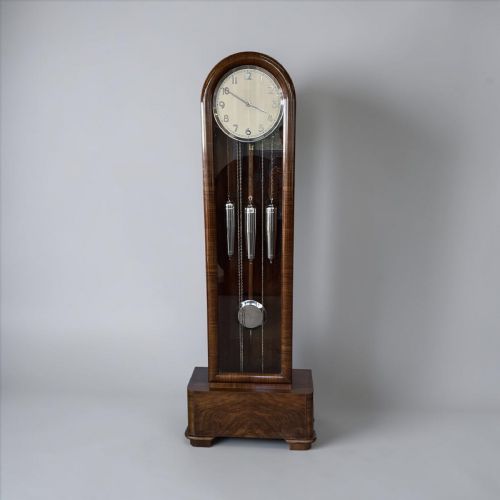
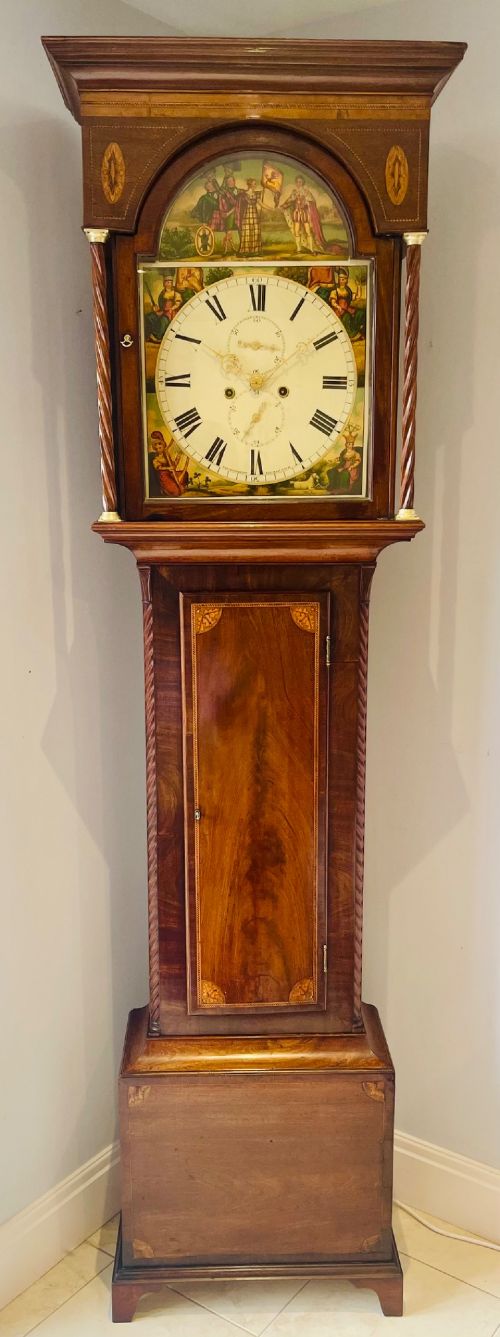
Brown Tallcase Clock
A brown tallcase clock anchors a room with steady motion, offering centuries of precision cabinetry and dial work.
Brown Tallcase Clock
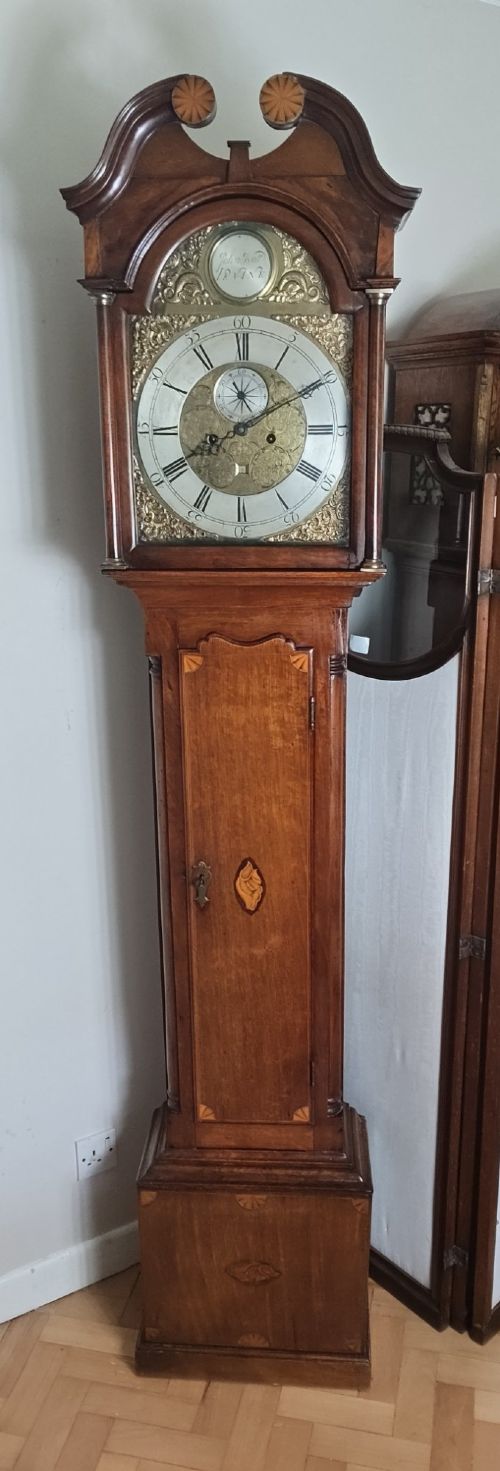
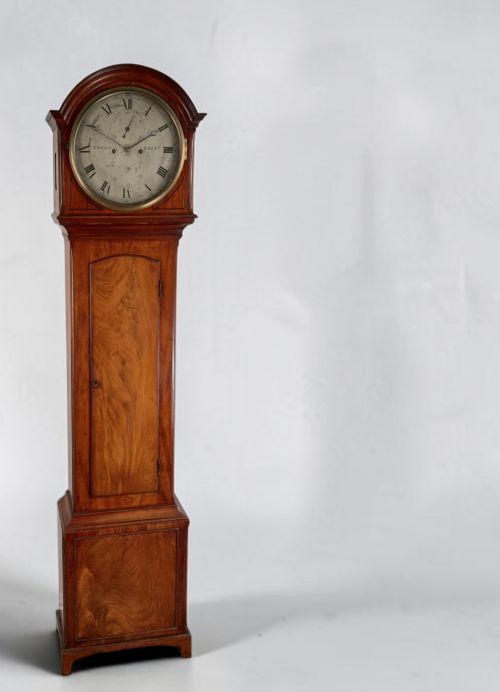
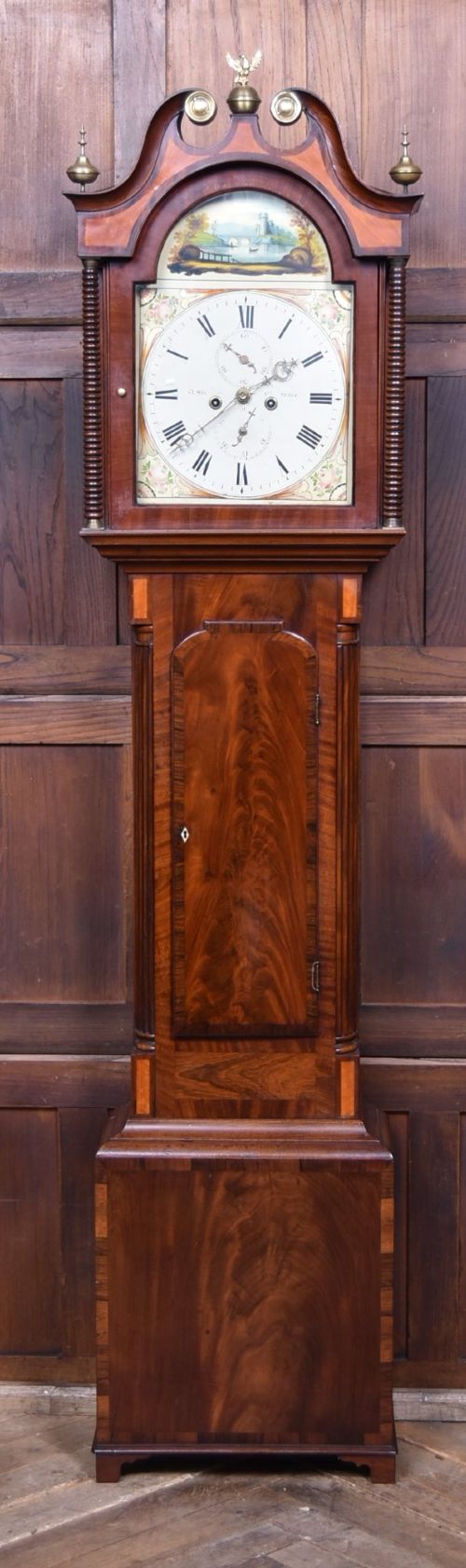
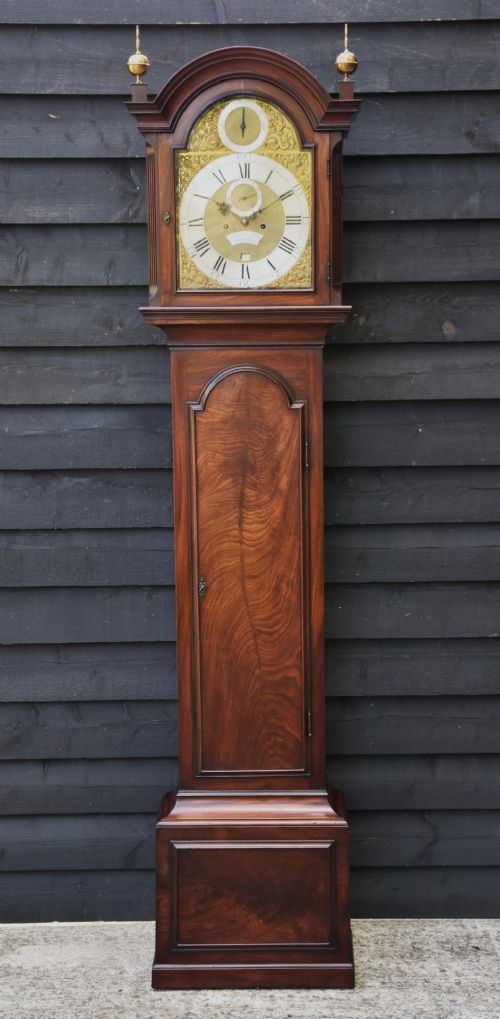
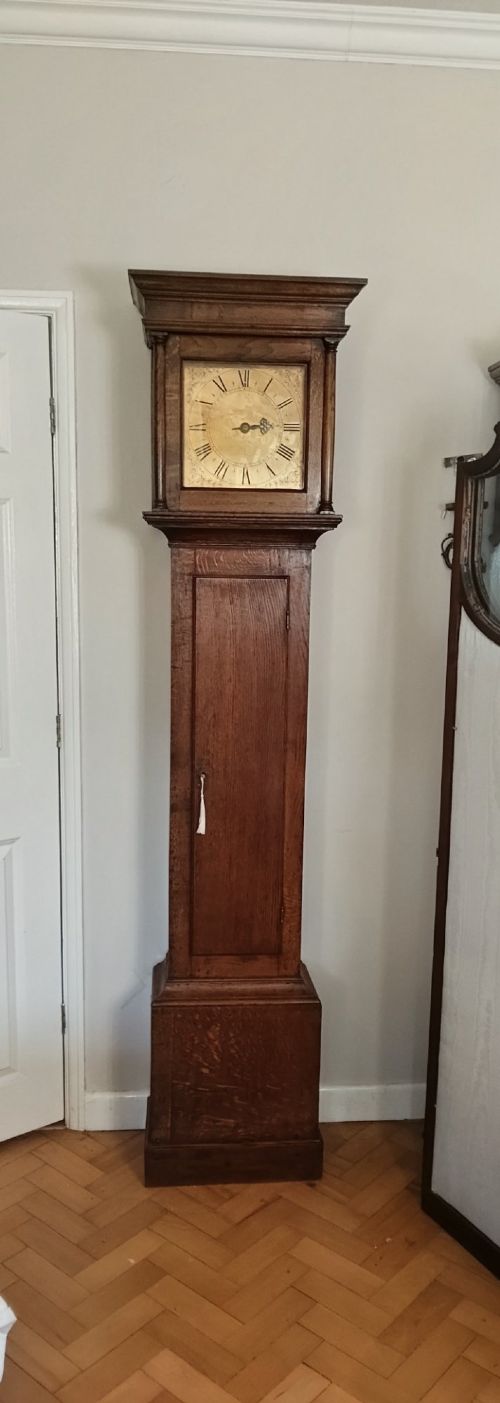
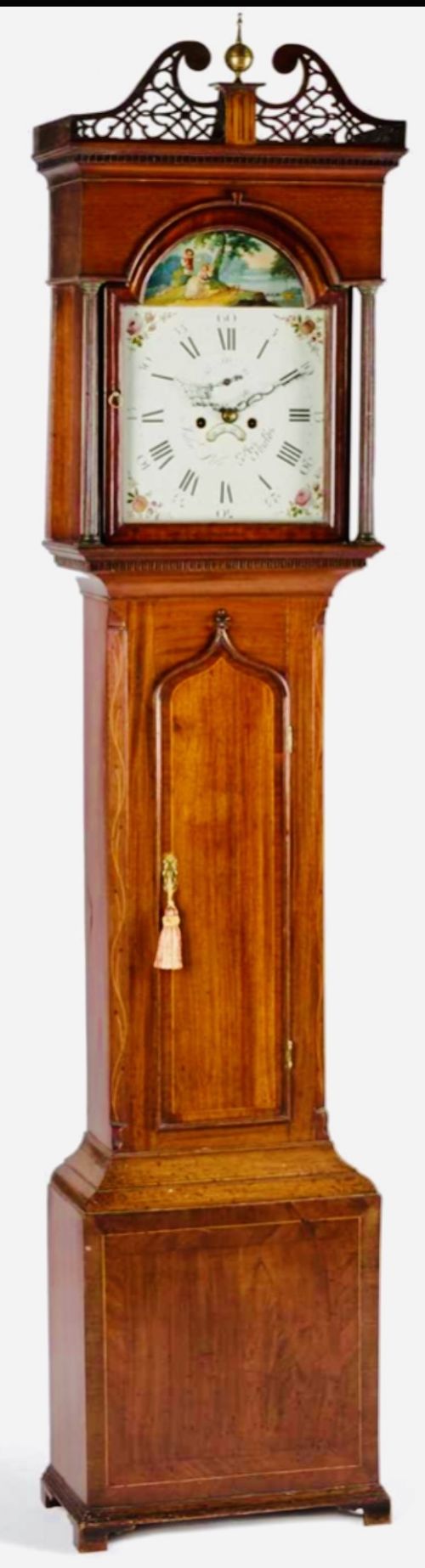
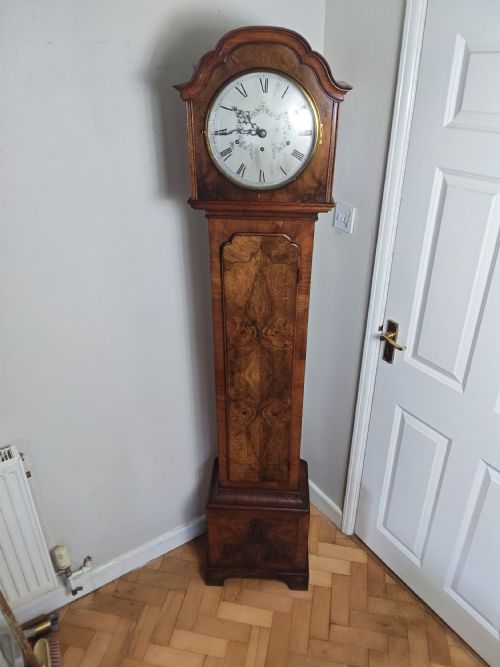
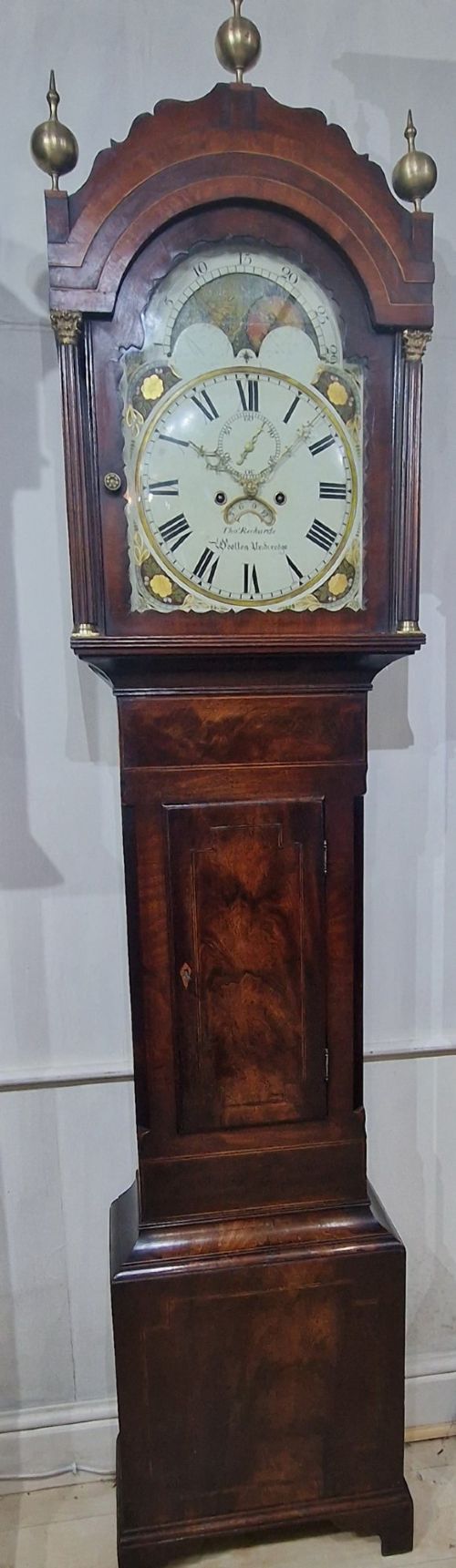
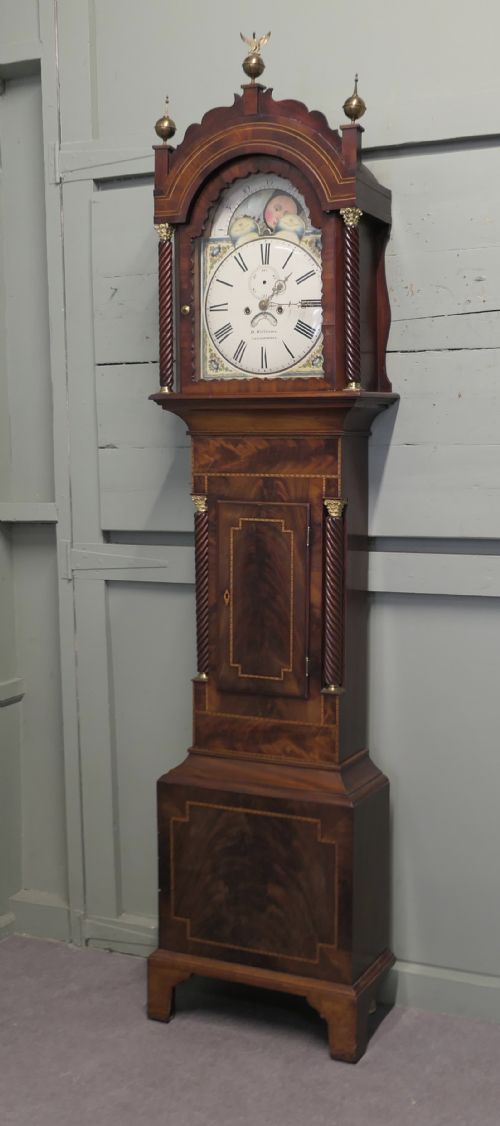
A brown tallcase clock, frequently termed a grandfather clock or longcase clock, stands upright to house a weight-driven movement and pendulum within a timber case. These pieces originate across periods spanning the 17th century through the Georgian and Victorian eras up to the 1930s.
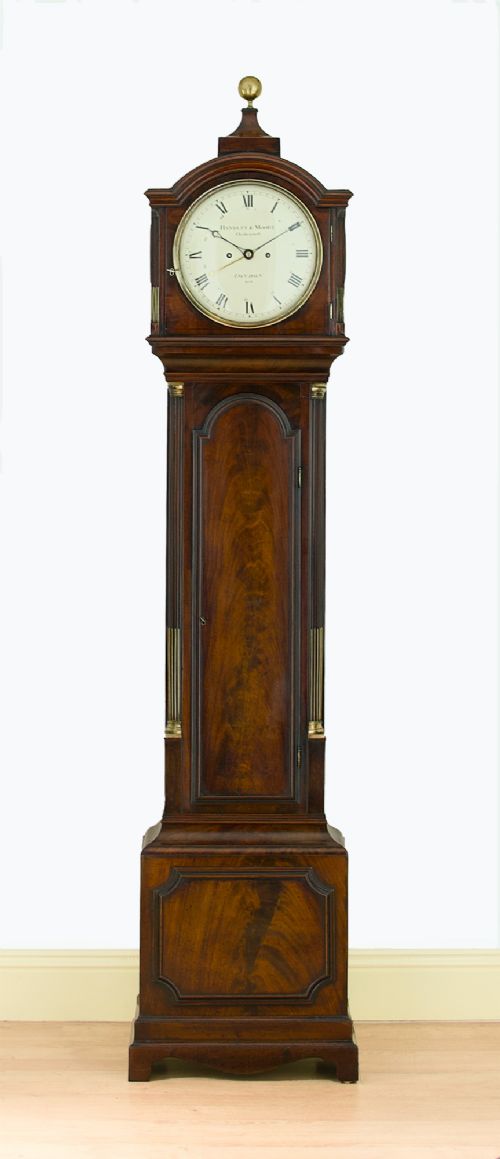
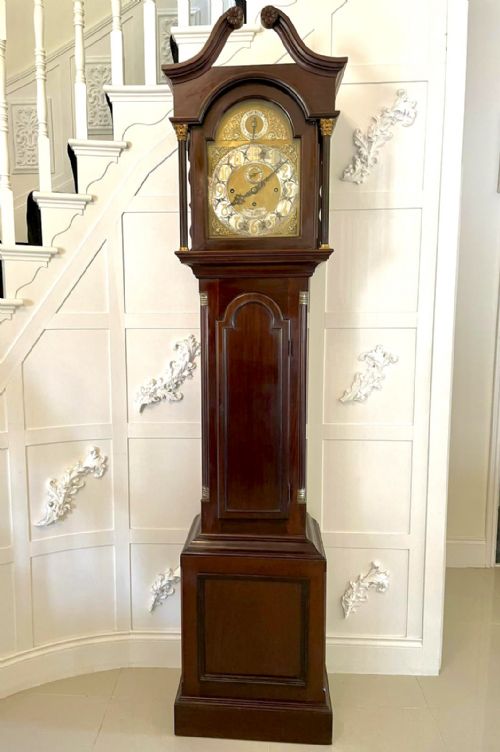
The version most commonly met on this page is the mahogany or oak longcase clock dating from the Georgian period, often standing over six feet tall with an arched painted iron or brass dial. Smaller variations such as grandmother and granddaughter clocks also appear, alongside Art Deco and Edwardian interpretations.
Regional makers from Scotland, Wales, and English towns like London and Birmingham stamped their identities on dials and movements, creating diversity in proportion and dial decoration that collectors examine closely.
Materials and construction
Cabinetmakers utilised dense hardwoods, predominantly mahogany, oak, and walnut, sometimes employing burl walnut veneers or decorative inlay to enrich the tall wooden trunk. Cases required stable timber joinery to support the heavy mechanical movements without warping over decades of service.
Dials combined brass chapter rings with engraved spandrels or utilised painted iron surfaces decorated with moon rollers and subsidiary seconds hands. Glass protected the face, while steel and brass formed the complex gear trains, weights, and pendulums housed inside.
Moon roller dials allowed farmers to track night-time illumination for late harvests before streetlights existed.
Markers of quality
Quality rests in the harmony of proportion between the hood, trunk, and base, alongside the crispness of cabinet carving or veneer matching. Superior examples possess signed movements by known makers that retain their original brass or iron mechanical components.
The sophistication of the movement differentiates standard eight-day clocks from complex musical or quarter-chiming mechanisms that play tunes on multiple bells or gongs. Dials with finely executed hand-painted details or engraved brass work further distinguish the higher tiers of clockmaking.
Green of Edinburgh·D. Straiton, Montrose·Handley & Moore, London·Winsor Bishop Norwich·D Williams of Crickhowell·Thomas Webbe of New Quay·Edward White Birmingham·Edin Burgis of London·Langley Bradley·John Rainsford Leicester Square
The Brown Tallcase Clock Glossary
- Grandfather clock
- A large floor-standing clock with a pendulum, housed in a tall wooden case. This term generally refers to full-sized longcase clocks standing over six feet.
- Grandmother clock
- A smaller, more slender version of the longcase clock, typically produced in the 20th century. These scaled-down clocks fit lower ceilings while retaining weight-driven movements.
- Moon roller
- A mechanism behind the dial that tracks the phases of the lunar cycle. It rotates slowly to display the moon's age through an arched aperture on the clock face.
- Chapter ring
- The circular metal ring on a clock dial that bears the hour numerals. These are commonly silvered brass in older English clocks.
- Spandrel
- The decorative corner ornament filling the space between a circular dial and its rectangular frame. Early examples are cast brass, while later painted dials feature floral motifs in these corners.
Brown Tallcase Clock: Frequently Asked Questions
How do I wind an eight-day clock?
Eight-day clocks require winding every week using a specialised key inserted into holes on the dial face. Turning the key draws the internal weights back to the top of the trunk.
Care must be taken not to overwind the movement, stopping as soon as resistance is felt against the key.
What is the difference between a grandfather and grandmother clock?
Grandfather clocks are full-sized floor clocks standing six feet or taller, produced heavily during the Georgian and Victorian periods. Grandmother clocks are significantly shorter and narrower variations, frequently dating from the 20th century.
Both utilise tall wooden cases to protect weight-driven pendulum movements, but grandmother clocks suit smaller domestic spaces.
How do I date a tallcase clock?
Dating relies on stylistic clues in the wooden case, such as the transition from flat-topped hoods in early pieces to arched architectural hoods later on. The materials, such as oak in earlier centuries versus mahogany in the Georgian era, provide broad chronological boundaries.
Signatures inscribed on the brass or painted iron dial often allow collectors to trace the exact maker and operational period.
Where should I place a longcase clock in my home?
Longcase clocks need a stable, plumb vertical surface away from direct sunlight, heating vents, and damp exterior walls. Placing them on solid flooring ensures the pendulum swings evenly without interference from vibrations.
An interior hallway or living room is ideal, where consistent ambient temperature protects the wooden case and mechanical movement.