
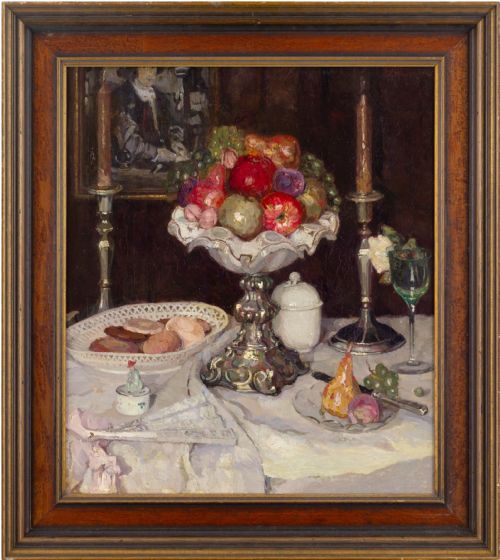


Brown Still Life Artwork
Brown still life artwork captures domestic and natural subjects in oil, watercolour and canvas across centuries of varied painting traditions.
Brown Still Life Artwork
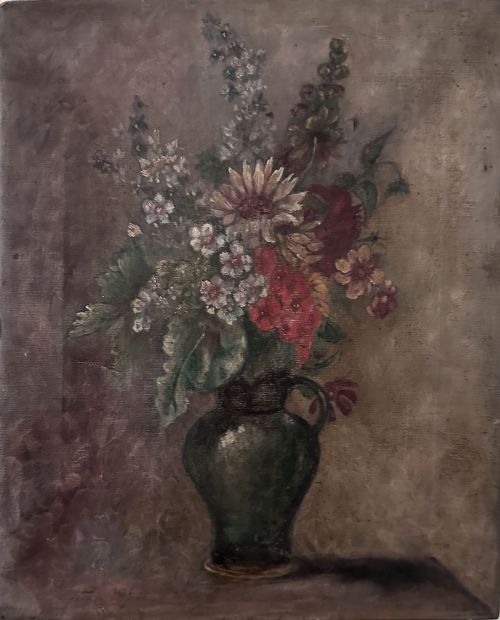
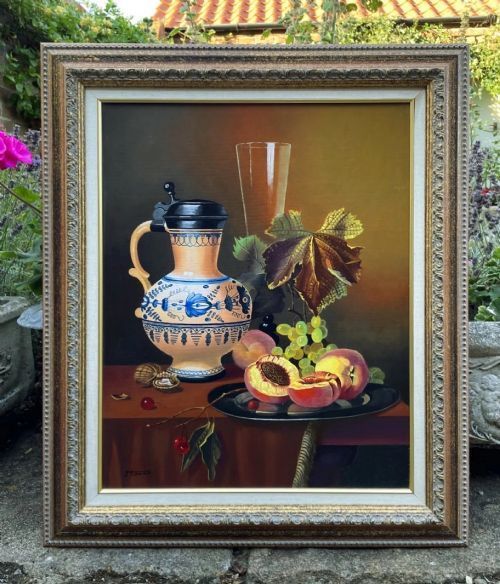
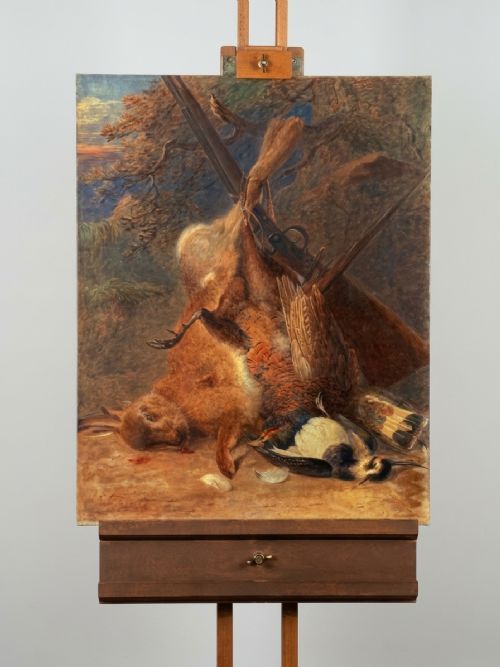
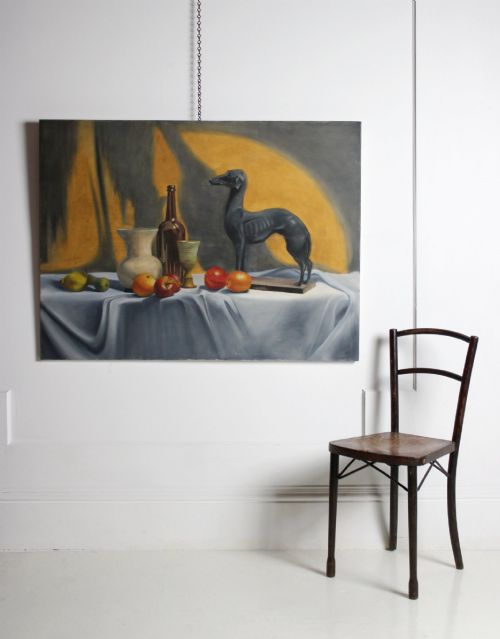
Brown still life artwork encompasses paintings and watercolours depicting food, game, flowers and household objects. Buyers searching this phrase encounter works ranging from seventeenth century Dutch style compositions to mid-century modernist abstracts.
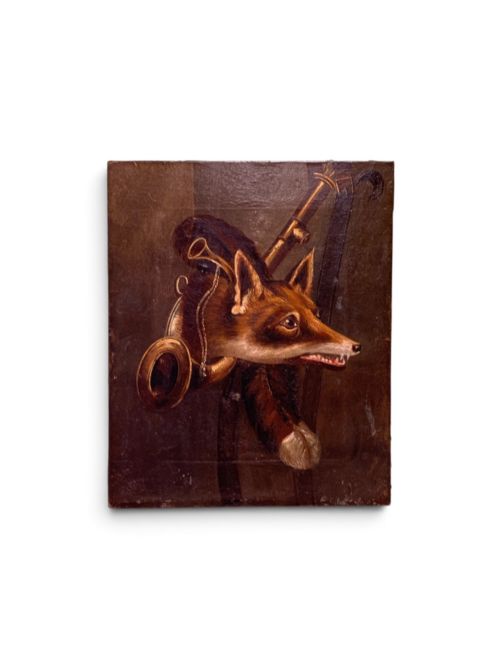
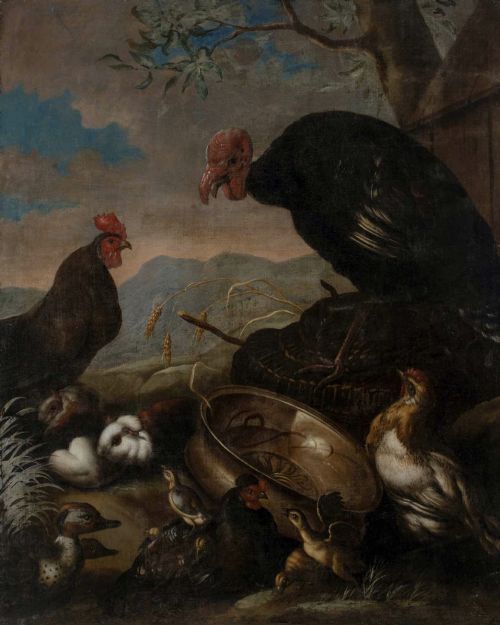
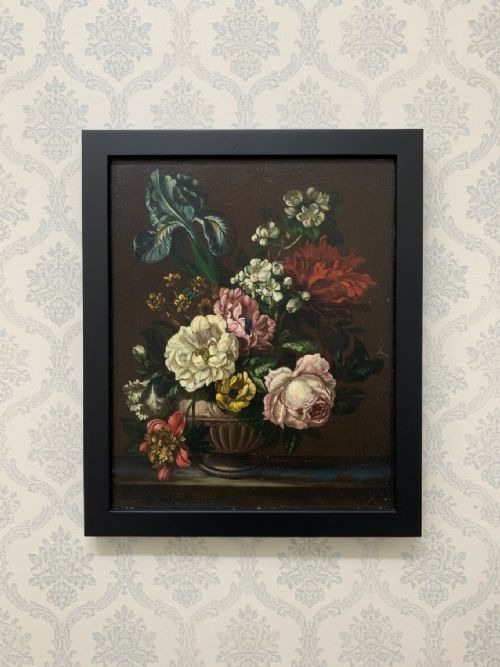
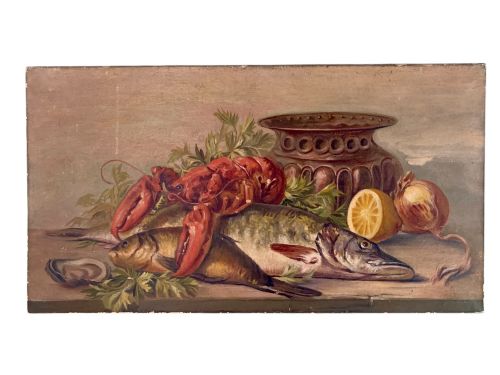
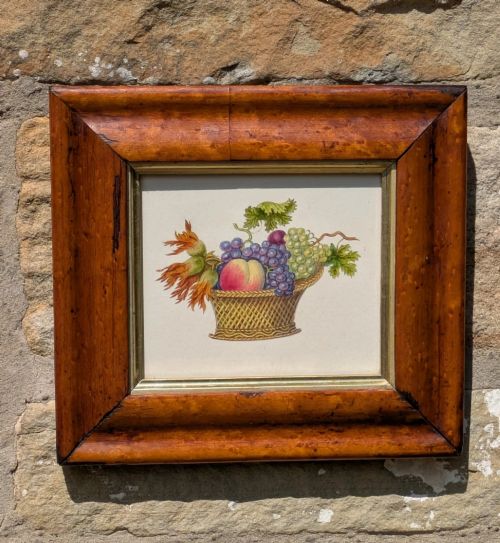
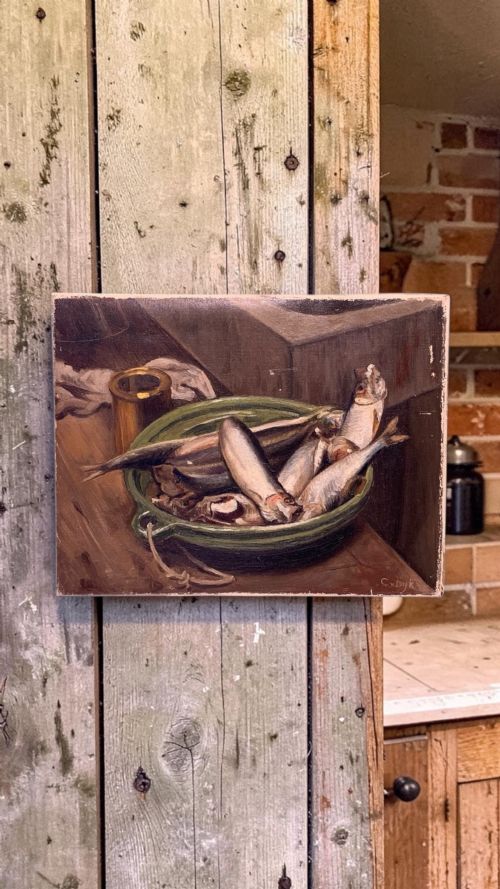
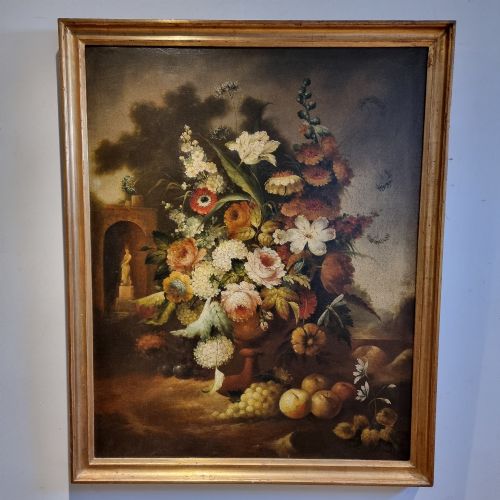
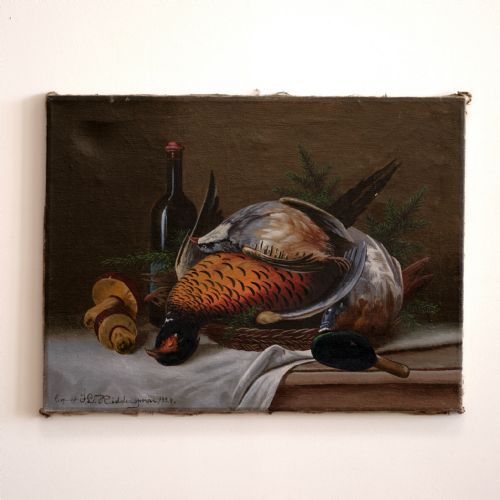
The selections on this page draw heavily from nineteenth century oil paintings and watercolours, alongside twentieth century pieces spanning the 1910s to the 1960s. Common motifs include hares, fish, fowl, fruit in baskets, and pottery in muted or earthy palettes.
Origins span British, French, Dutch, Danish and Italian schools, showing diverse regional approaches to realism, impressionism and avant-garde composition. Most examples present traditional subjects rendered on canvas, panel or paper, framed in wood or gilt wood.
How they were made
Makers utilised oil paint on canvas, panel and board to build rich textures and deep tones, alongside watercolour and bodycolour on paper. Gilt wood and plain wood frames complement the physical support of these paintings.
Techniques range from academic realism and trompe l'oeil detail to impressionist brushwork and mid-century abstraction. Pigments are applied with varying density, from smooth glazing in older academic works to expressive strokes in twentieth century examples.
Several centuries of artists found profound artistic inspiration simply by painting lobsters, hares, candlesticks and biscuits.
What varies in quality
Quality rests on the precision of draughtsmanship, the handling of light and shadow, and the depth of composition. Masterful control over tone distinguishes accomplished works from simpler decorative pieces.
The handling of materials, from the preservation of the canvas or paper to the integrity of the paint layer, dictates the longevity and visual impact of the artwork.
George Sydney Shepherd·Angelo Maria Crivelli·Michelangelo Meucci·Else Preußner·Benjamin Blake·James Tower·Henri Joseph Pauwels·Lester Sutcliffe·Niels Wiwel·Terence Loudon·Girieud·Robin MacKertich·Horst·Harry Davis·Marian Chase·Jabez Bligh·Pieter Claesz·Gustav Goemans
The Brown Still Life Artwork Glossary
- Oil paint
- A slow-drying paint made from pigment suspended in a drying oil, typically linseed. This medium allows for rich colour depth and blended transitions.
- Watercolour
- A paint consisting of pigment suspended in a water-soluble vehicle, usually applied to paper. It creates luminous, transparent washes of colour.
- Canvas
- A heavy woven fabric used as a surface for oil painting, typically stretched over a wooden frame. It provides a durable and textured ground for the artist.
- Trompe l'oeil
- An art technique involving extreme optical illusion in order to depict objects in three-dimensional perspective. This style tests the painter's precision.
- Vanitas
- A symbolic work of art associated with the still life genre, typically featuring items like skulls or rotting fruit to remind viewers of the transience of life.
Brown Still Life Artwork: Frequently Asked Questions
What subjects appear in brown still life artwork?
These works display a range of domestic and natural objects, including game birds, fish, fruit in bowls, vegetables, flowers and pottery.
Artists across different centuries arranged these elements to study form, texture and light within an enclosed composition.
How do I date a still life painting?
Dating relies on stylistic clues, materials, framing techniques and signature records. Academic realism often points to the nineteenth century, while looser brushwork and abstraction suggest twentieth century periods.
Comparing the support, whether canvas, panel or paper, helps narrow down the historical context of the piece.
Where were these paintings created?
The pieces originate from various European traditions, including British, French, Dutch, Danish and Italian schools. Each region brought distinct approaches to subject matter and painting technique.
Stylistic influences often trace back to earlier periods, such as seventeenth century Dutch masters or nineteenth century academic training.
How should I frame and hang these artworks?
Most paintings are housed in period appropriate wooden or gilt wood frames that complement their visual weight. Hanging them away from direct sunlight protects the pigments in both oils and watercolours.
Providing stable indoor humidity prevents warping on canvas and panel supports over time.