

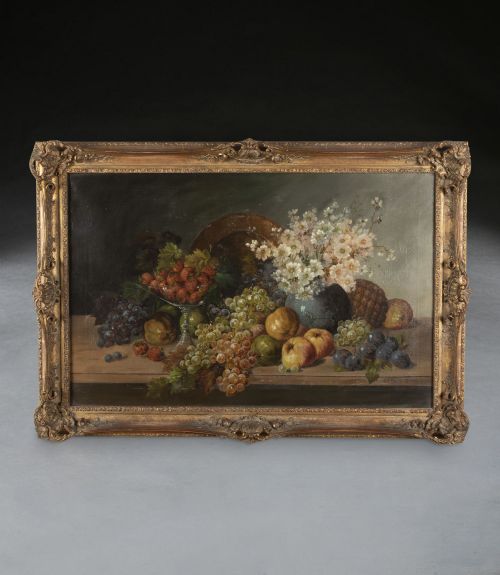


Canvas Fruit Wall Art
These canvas fruit wall art pieces bring centuries of classical still life and mid-century modern colour to interiors through oil paint.
Canvas Fruit Wall Art
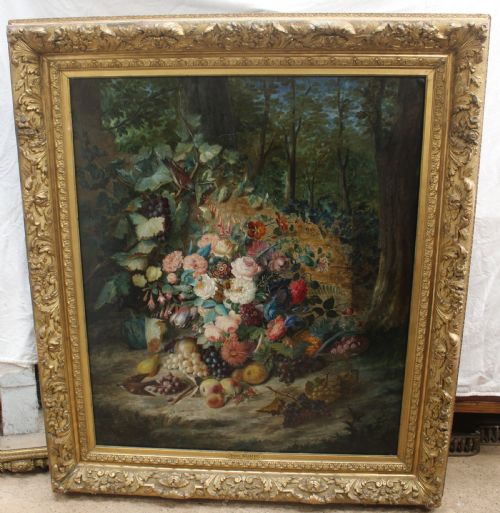
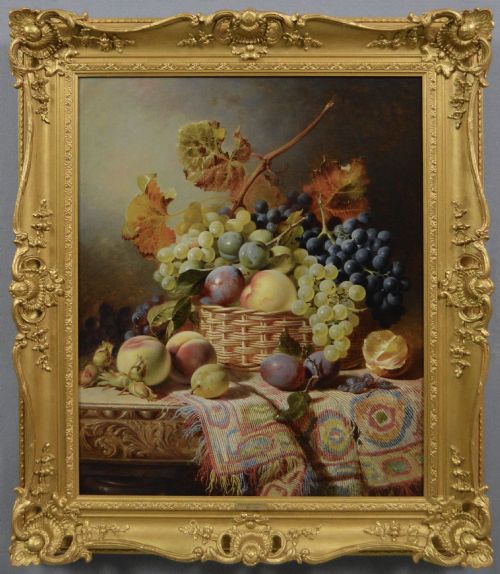
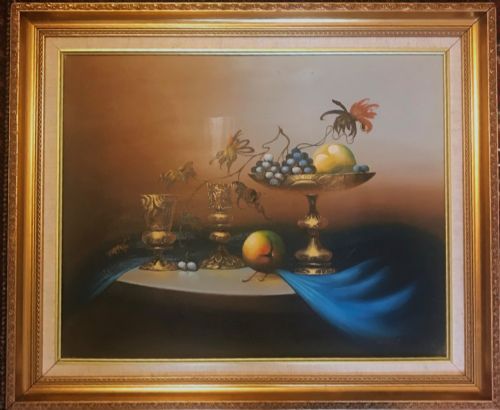
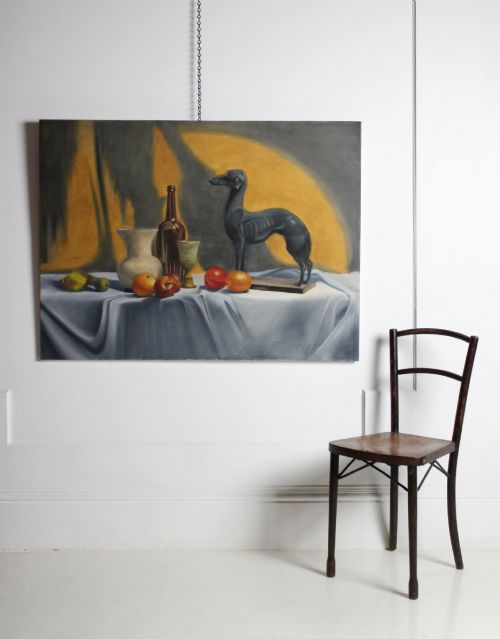
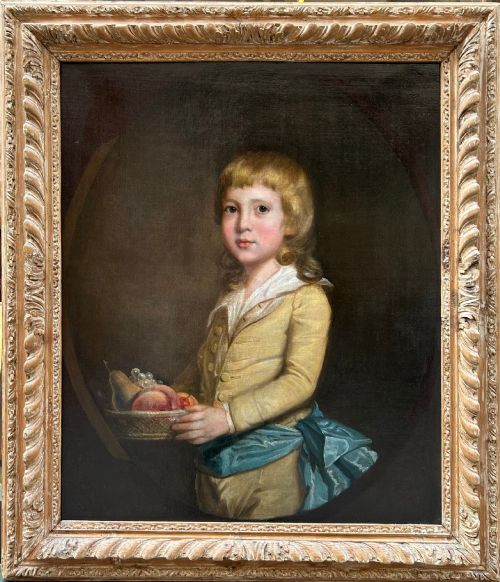
Canvas fruit wall art spans centuries of creative output, featuring oils on canvas that capture baskets, tables, and harvests in rich detail. You encounter works ranging from 17th-century Baroque compositions to mid-century modern studies and 19th-century Victorian still lifes.
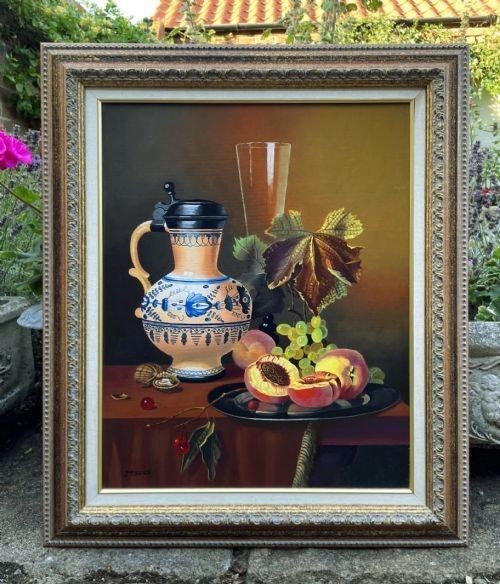
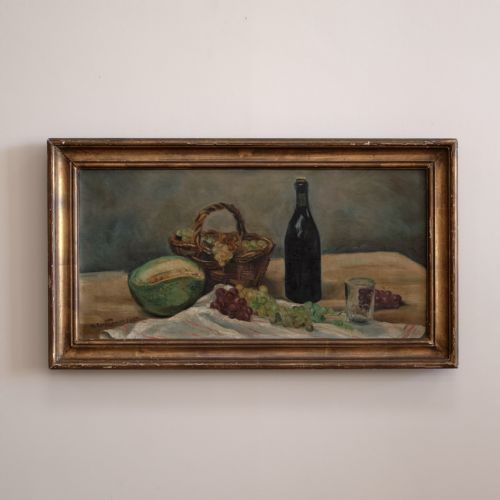
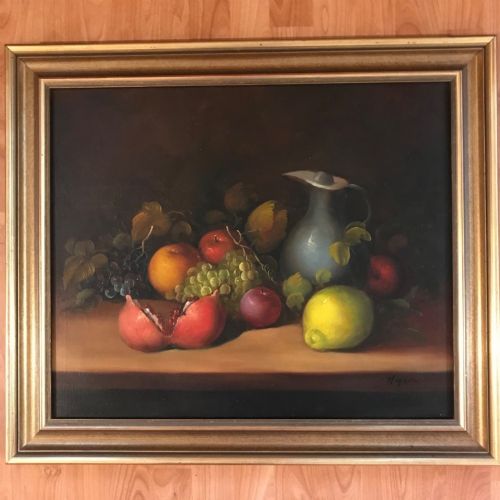
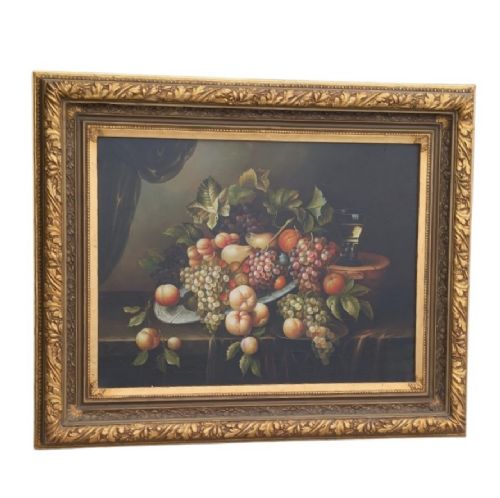
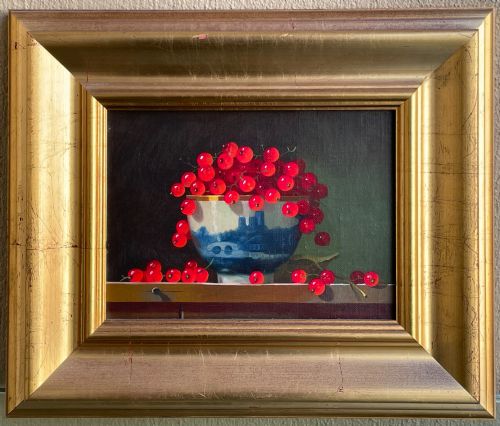
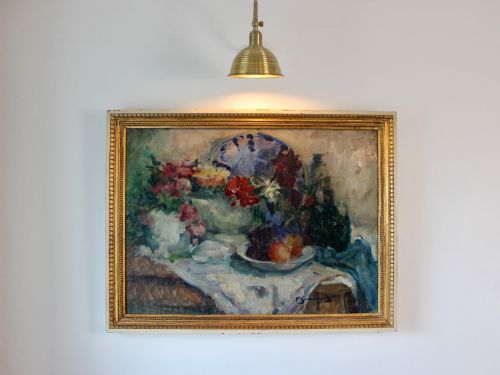
The subjects focus heavily on arrangements of apples, grapes, berries, and peaches, frequently paired with jugs, baskets, or game. Pieces emerge from various European schools, including Dutch, English, French, and Belgian traditions.
Framing often includes gilt wood or gold leaf surrounds that complement the traditional oil paint application. Whether exploring Edwardian examples or 1960s modernist interpretations, the core subject remains the rich depiction of fruit.
Materials and technique
Artists utilise oil paint and tempera applied directly to woven canvas supports, building up pigment to create depth and texture in the depiction of fruit. Wooden stretchers support the canvas, while heavier frames constructed from gilt wood or adorned with gold leaf finish the presentation.
Brushwork varies from the tight, classical realism of earlier centuries to the looser, impressionistic and modernist strokes seen in mid-century works. Pigments capture the natural sheen of apples, grapes, and foliage through careful layering and tonal variation.
Canvas Fruit Wall Art Retail Price Guide 2026
Typical asking prices for canvas fruit wall art among the pieces listed under this phrase on Sellingantiques today, from the lower quarter to the upper quarter. They describe what is for sale here now, not the wider market.
Listings feature oil on canvas works spanning from the 17th century to the 1960s, incorporating gilt wood frames and tempera techniques.
Assessing quality
Quality rests in the fidelity of the brushwork and the confidence with which the artist renders light, shadow, and texture across the fruit and surrounding objects. Superior examples display a nuanced understanding of colour harmony and spatial depth rather than mere technical mimicry.
The preservation of the original canvas and the integrity of the paint surface dictate the standing of a piece. Original gilt wood frames that complement the period of the painting elevate the overall character of the work.
Jozsef Molnar·Gaspar Peeter Verbruggen·William Henry Ward·Ian Parker·Victor Simonin·Henri Joseph Pauwels·Bela Balogh·Thomas Hooper·J.C.de Bruin·E. Cremer
The Canvas Fruit Wall Art Glossary
- Oil on Canvas
- Pigment mixed with drying oil applied to a woven fabric support stretched over a wooden frame. This medium allows for rich blending and deep tonal gradation.
- Gilt Wood
- Timber carved and coated with a thin layer of gold leaf or metallic paint. It provides an ornate, reflective border popular in Victorian and Baroque framing.
- Still Life
- A work of art depicting mostly inanimate subject matter, typically commonplace objects which may be either natural or man-made. Fruit arrangements form a cornerstone of this genre.
- Baroque
- An extravagant artistic style originating in the 17th century, characterised by dramatic lighting and exuberant detail. In fruit paintings, this translates to lush, overflowing baskets and intense contrasts.
Canvas Fruit Wall Art: Frequently Asked Questions
What periods do these paintings cover?
The selection spans from the 17th century through the 19th century and into the mid-20th century. You find Baroque, Victorian, Edwardian, and mid-century modern examples represented.
Earlier works lean towards classical realism and detailed Dutch-influenced arrangements, while later pieces explore impressionism and modernist abstraction.
How should I hang canvas art?
Ensure the wall supports the weight of both the canvas and its often substantial gilt wood frame. Use appropriate picture hooks fixed securely into wall studs or solid masonry.
Keep paintings away from direct sunlight and fluctuating heat sources to protect the oil paint and canvas from degradation over time.
What subjects accompany the fruit?
Common companion elements include wicker baskets, ceramic jugs, Chinese ginger jars, and wine glasses. Game birds, dead game, and floral compositions also appear frequently in traditional pieces.
Mid-century and modernist works sometimes place the fruit within abstract landscapes or simplified interior window settings.
Are the frames original?
Many pieces retain their period frames, such as 19th-century giltwood surrounds that match the age of the canvas. These frames are integral to the aesthetic presentation of the artwork.
Listings specify details regarding framing, distinguishing between original antique mounts and later replacements.