
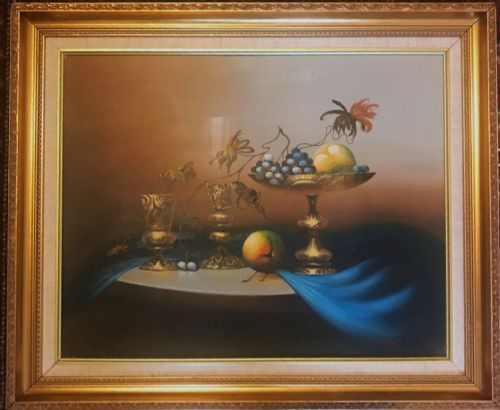
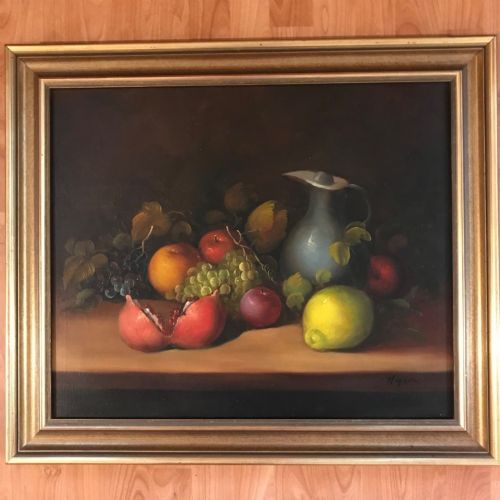
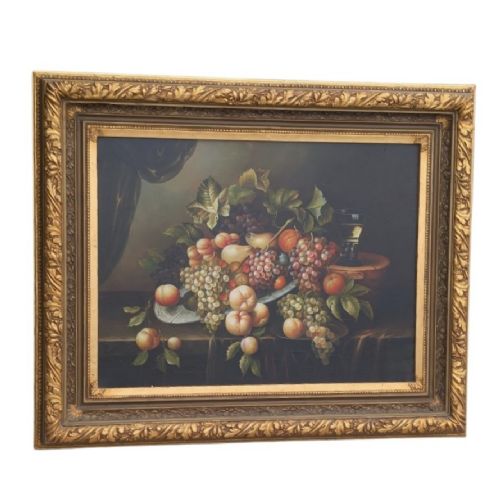
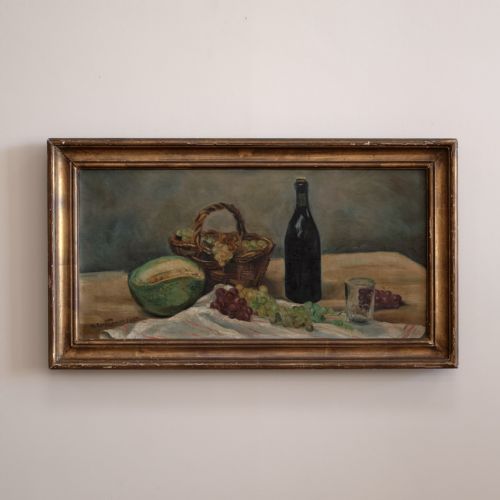


Traditional Fruit Artwork
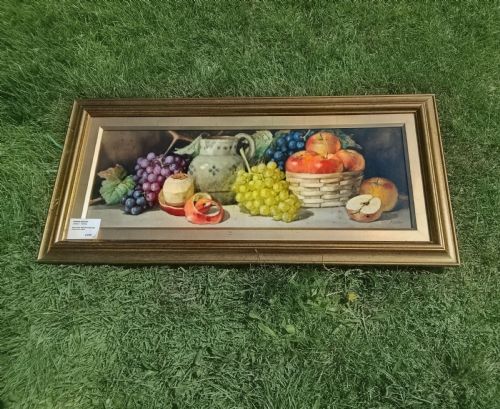
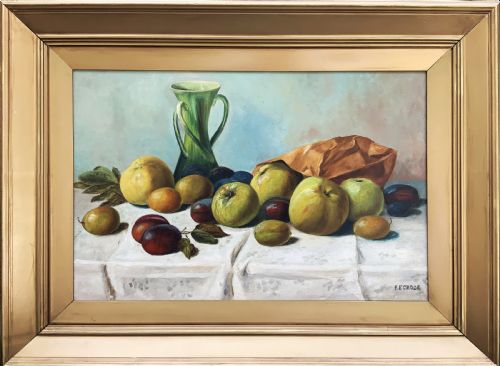
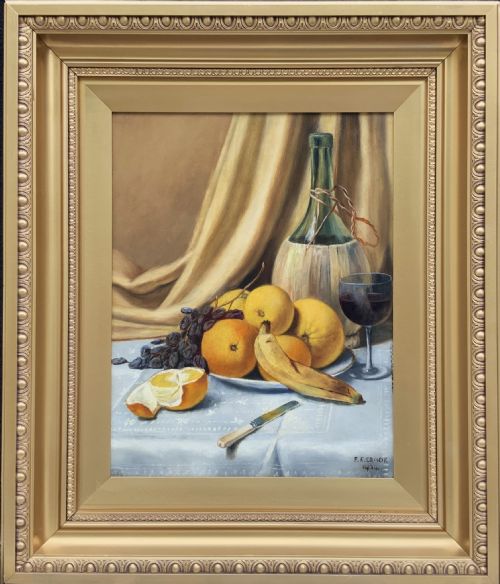
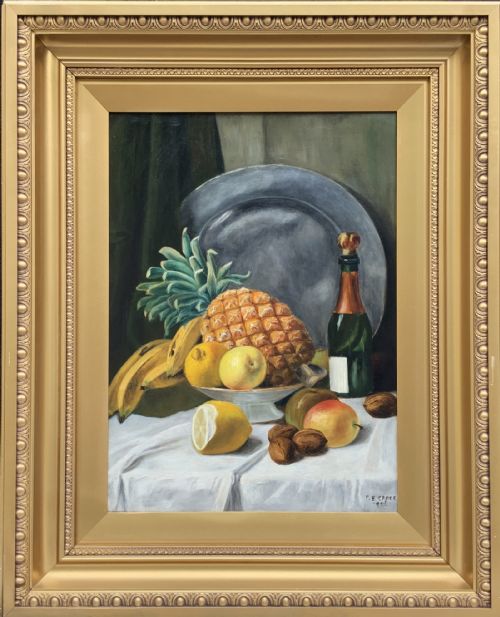
Traditional fruit artwork captures the rich textures and deep tones of classical table settings through enduring painted arrangements.
Traditional Fruit Artwork
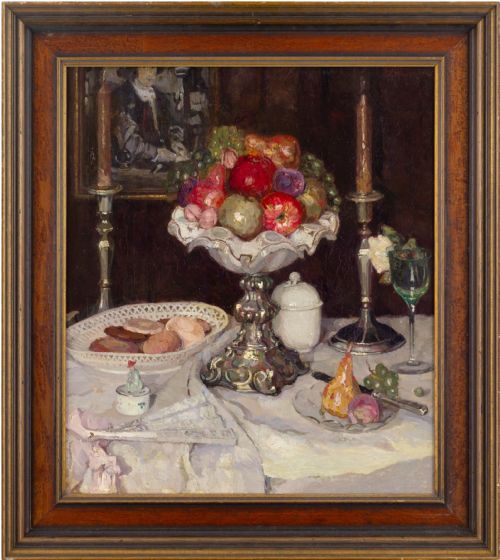
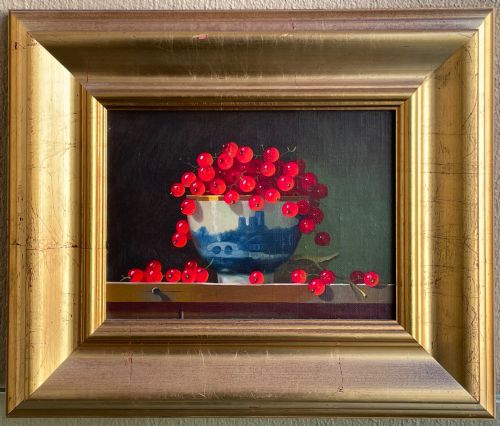
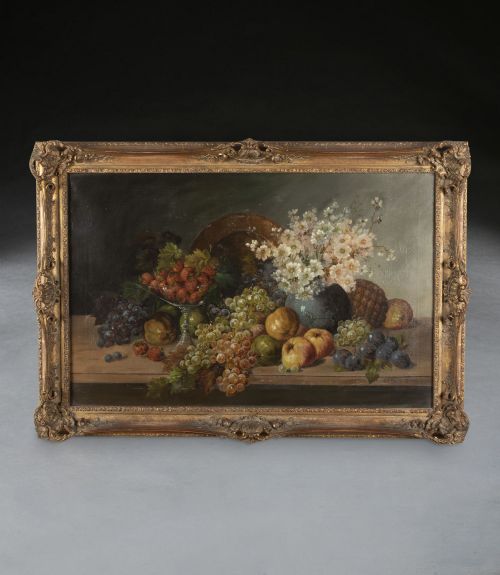
Traditional fruit artwork comprises oil and watercolour paintings depicting carefully arranged food, glassware, and baskets across various historical periods. The inventory spans works from the eighteenth century through to the mid-twentieth century, capturing enduring academic and realist traditions.
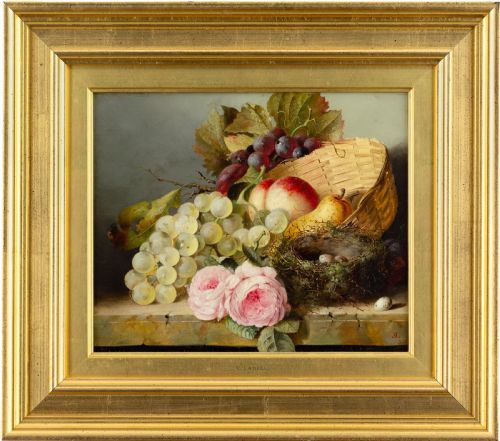
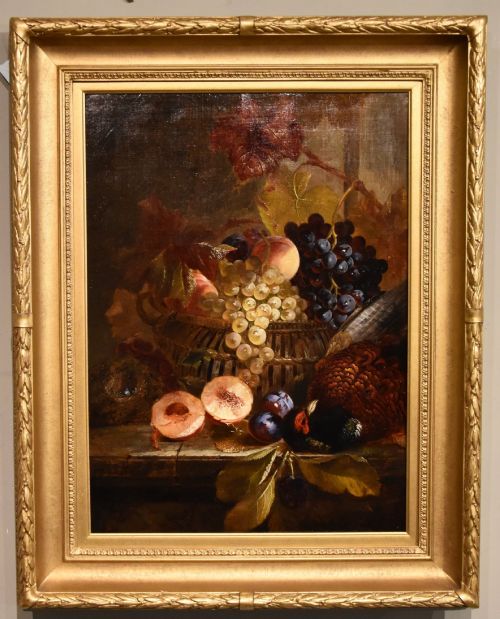
Buyers encounter numerous canvas and wood panel studies focusing on apples, grapes, and baskets. These compositions frequently incorporate birds, pottery, and floral elements to build complex domestic narratives.
The selection includes pieces created by named European painters alongside regional and international schools. Works range from intimate cabinet paintings to large framed canvases intended for prominent wall display.
Materials and Techniques
Painters relied principally on oil paint applied to woven canvas or rigid wood panels, building rich surfaces through layered glazes. Watercolour on paper forms another distinct grouping, offering crisp botanical precision.
Many historical examples retain their original giltwood or solid wood frames, often finished with gold leaf. These surrounds complement the deep pigments and tonal contrasts found within the painted compositions.
Distinctions in Quality
Quality rests upon the artist's command of light, shadow, and material texture, separating mechanical copies from perceptive life studies. Masterful rendering gives grapes a translucent quality and makes wicker baskets appear tactile.
Compositional balance and the complexity of accompanying objects, such as Chinese ginger jars or game, elevate individual pieces. Preservation of the original paint layer and the integrity of the period frame further influence standing.
Jozsef Molnar·Edward Ladell·William Henry Ward·Else Preußner·Ian Parker·Arthur Dudley·Evelyn Chester·Thomas Hooper·John Robertson Reid·George Lance
The Traditional Fruit Artwork Glossary
- Still life
- A painting featuring inanimate subject matter, typically everyday objects or food items. These arrangements allowed artists to explore light and form.
- Oil on canvas
- Pigment suspended in drying oil applied to a stretched woven fabric support. This technique permits extensive blending and rich colour depth.
- Gilt frame
- A wooden protective border coated with gold leaf or metallic paint. Such surrounds enhance the visual weight of classical paintings.
- Tempera
- A permanent, fast-drying painting medium consisting of coloured pigment mixed with a water-soluble binder. It produces a flat, matte finish.
- Wood panel
- A rigid wooden board utilised as a stable painting surface before stretched canvas became dominant. These supports endure well with proper environmental care.
Traditional Fruit Artwork: Frequently Asked Questions
How should I clean a historical oil painting?
Dust surfaces gently with a soft, dry brush while avoiding water or chemical cleaning solutions.
Professional conservators should handle deeper cleaning or varnish removal to protect the underlying paint layers.
Where were these paintings displayed originally?
Owners placed these works primarily within dining rooms, parlours, and country house larders to reflect abundance.
Their thematic focus on food made them natural decorations for spaces dedicated to hospitality and dining.
How do I identify the age of the canvas?
Examine the weave of the canvas, the type of stretcher frame, and the ageing patterns within the oil paint.
Historical fasteners and maker stamps on the reverse provide additional clues regarding dating.
Can I hang these artworks in direct sunlight?
Direct sunlight causes pigments to fade and accelerates the degradation of organic canvas materials.
Position paintings on interior walls away from windows and intense heat sources to preserve their condition.