


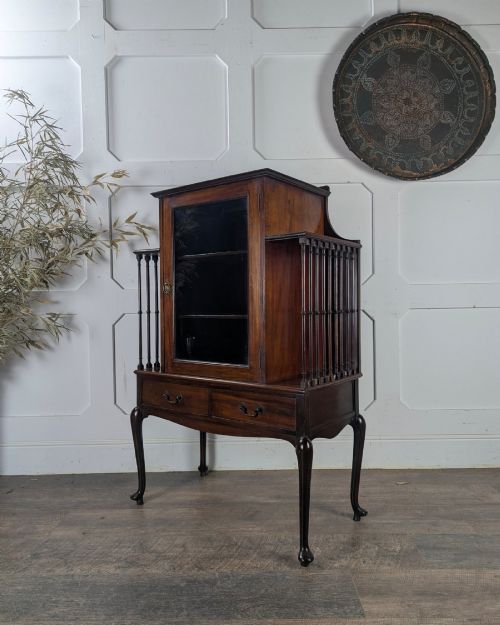


Brown Sheet Music Chest
A brown sheet music chest is a specialised upright storage piece designed to keep scores flat and tidy.
Brown Sheet Music Chest
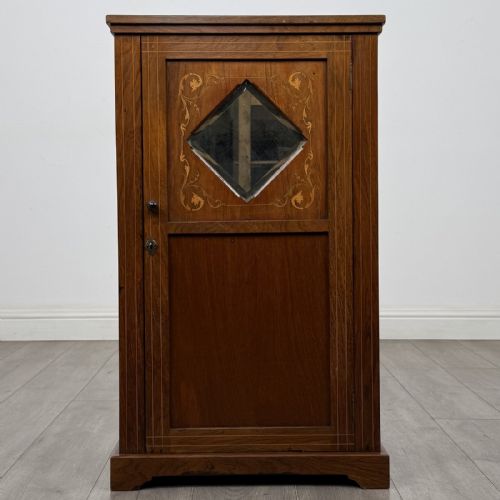
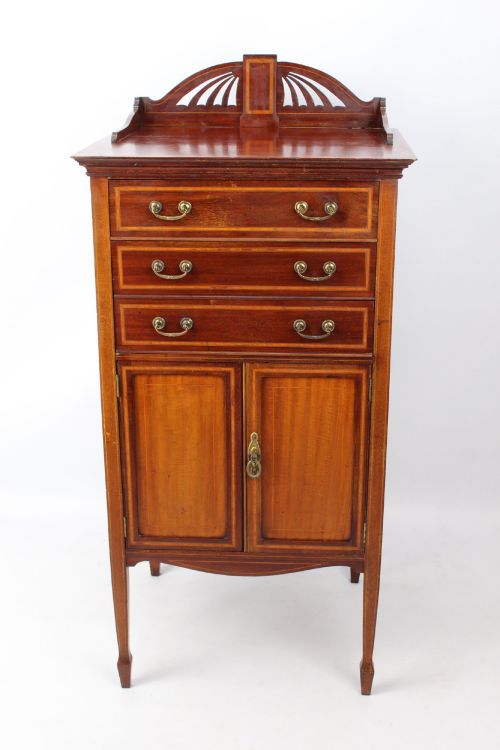
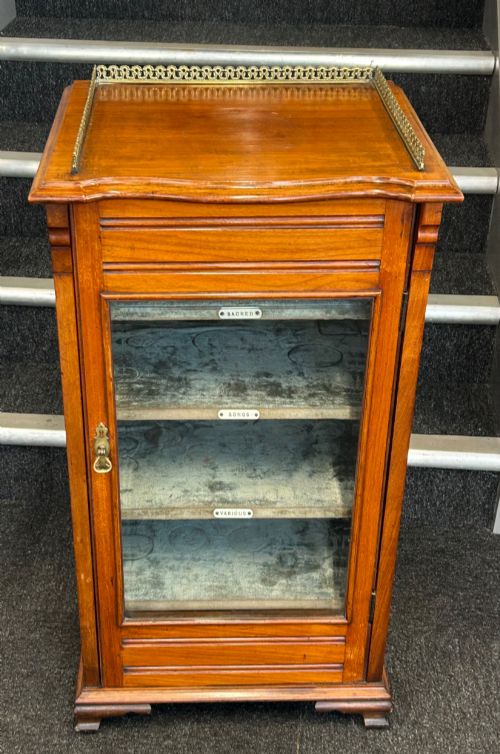
When you search for a brown sheet music chest, you encounter upright storage furniture built primarily during the Victorian and Edwardian eras. These pieces typically take the form of music cabinets or music filing cabinets designed to house folio sheets neatly within shallow drawers or drop-front compartments.
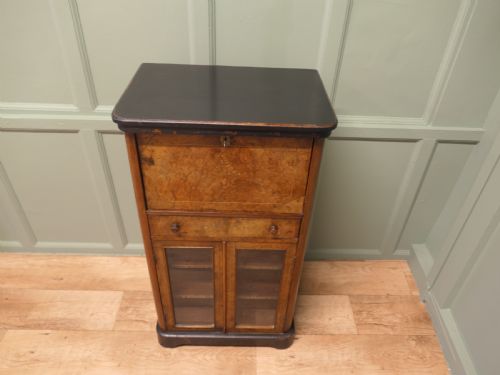
The most common examples on this page date from the Edwardian period, rendered in mahogany or walnut. Alongside traditional multi-drawer chests, you will find variants featuring glazed display doors, open shelving, or fallback writing surfaces.
Originating to serve domestic piano players and musical households, these items bridge the gap between utilitarian filing furniture and polite reception room display cases. Their restrained footprints make them practical for modern hallway or study storage.
What varies in quality
The hierarchy of quality rests on timber selection and decorative restraint, distinguishing standard production items from bespoke or revival commissions. Figured veneers like burr walnut and intricate marquetry inlay elevate a piece above plain utility grades.
Hardware integrity and internal drawer construction also determine worth, noting the presence of dove-tailed joints and original brass drop handles. Pieces displaying refined Edwardian Chippendale Revival carving or distinct Arts and Crafts styling command stronger interest than basic workshop outputs.
Brown Sheet Music Chest Retail Price Guide 2026
Typical asking prices for brown sheet music chest among the pieces listed under this phrase on Sellingantiques today, from the lower quarter to the upper quarter. They describe what is for sale here now, not the wider market.
The listings span from the late Victorian era through to the 1920s, showcasing materials such as mahogany, walnut, oak, and brass.
Keeble London·Liberty
The Brown Sheet Music Chest Glossary
- Music cabinet
- A specialised tall, narrow piece of furniture fitted with multiple shallow drawers specifically proportioned for storing sheet music.
- Fall front
- A hinged writing flap or drop-down door that reveals an organised interior workspace or specialised shelving upon opening.
- Marquetry
- Decorative woodwork where pieces of veneer are fitted into a ground material to form intricate pictorial or geometric patterns.
- Canterbury
- A low multi-partitioned stand historically used for holding loose sheets of music or folios near a piano or fireplace.
- Stringing
- Thin lines of contrasting timber inlaid into the surface veneer of a cabinet to create decorative borders.
Brown Sheet Music Chest: Frequently Asked Questions
What fits inside a brown sheet music chest?
These cabinets were built with shallow drawers specifically proportioned to hold unbound musical scores and folios flat without folding the edges.
Today, those same dimensions accommodate art prints, photographs, documents, and flat collections perfectly.
How do I tell Victorian from Edwardian chests?
Victorian examples tend to use darker, heavily figured timbers with robust carvings and occasionally glazed display doors or marquetry.
Edwardian pieces often feature lighter mahogany with delicate inlaid satinwood stringing and simpler lines.
Are music cabinets suitable for small rooms?
Their tall, narrow footprint makes them exceptionally space-efficient for contemporary hallways, bedrooms, and studies.
They offer generous storage capacity vertically without occupying much floor area.
Did these cabinets always have drawers?
While the majority rely on stacks of shallow drawers, some variations incorporate fall-front doors or open shelf sections.
A few designs double as display cases or small bookcases alongside their primary music storage function.