
Brown Serving Table
A brown serving table anchors a dining room or hallway with timber warmth and practical surface space.
Brown Serving Table
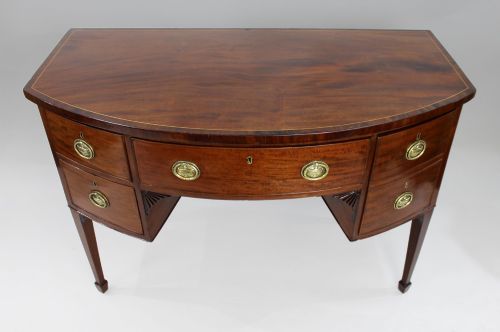
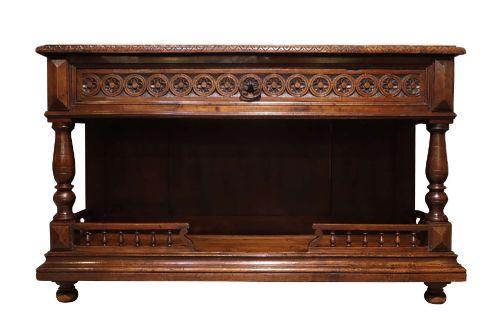
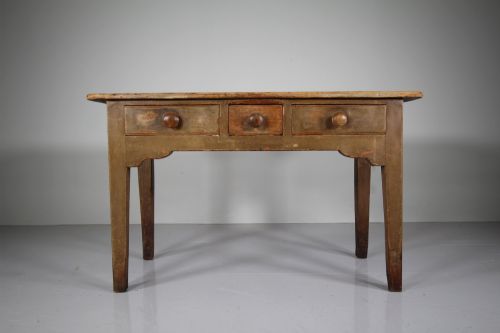
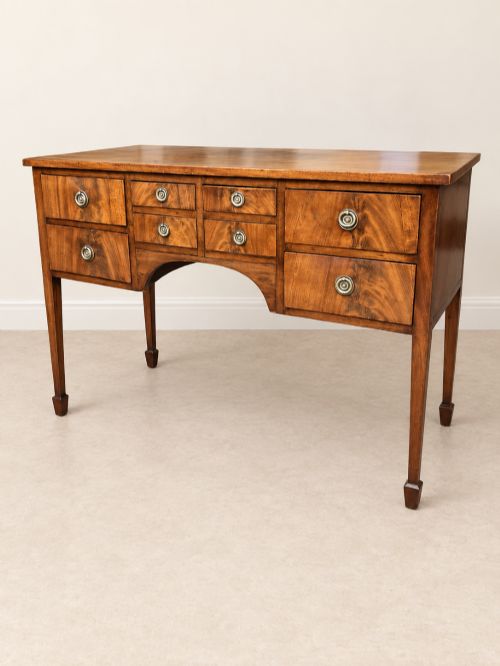
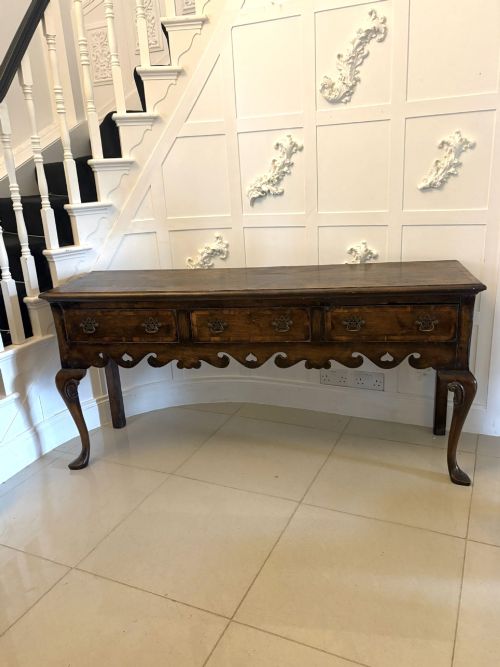
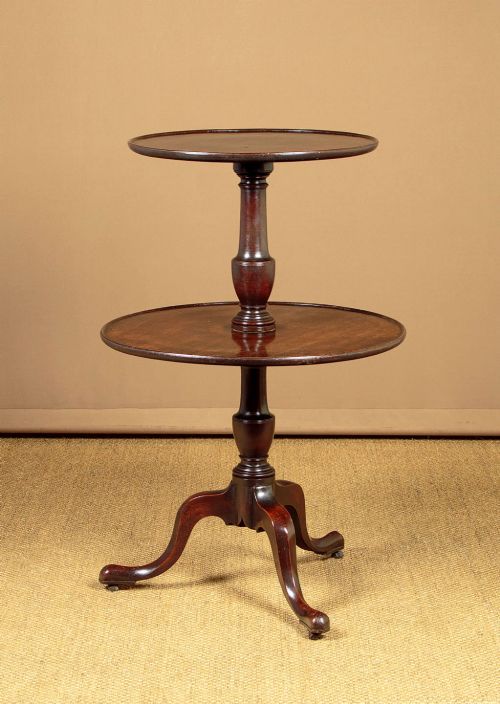
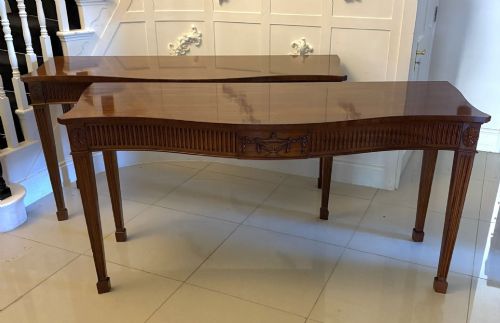
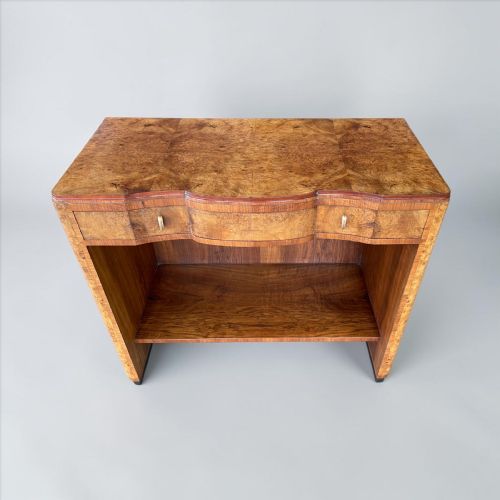
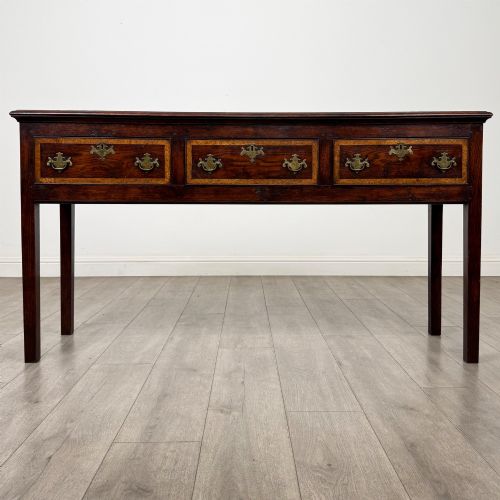
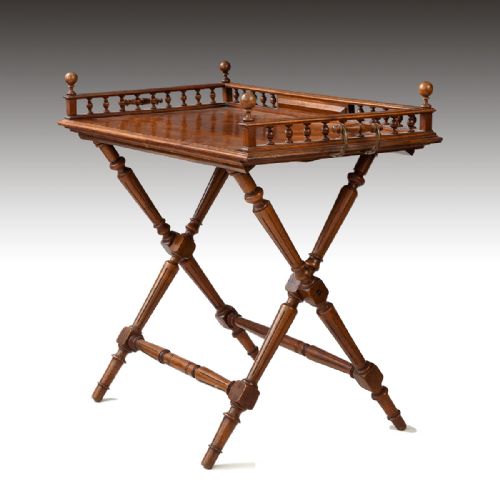
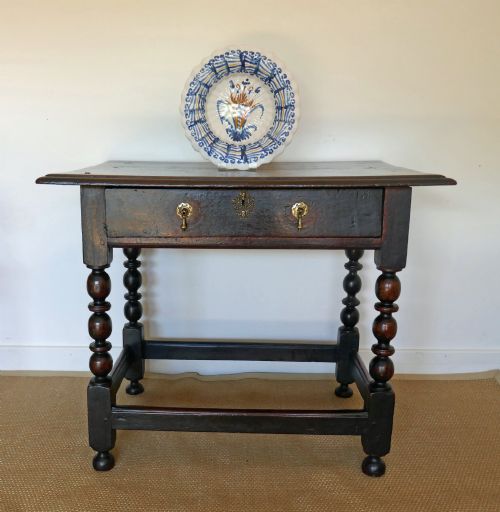
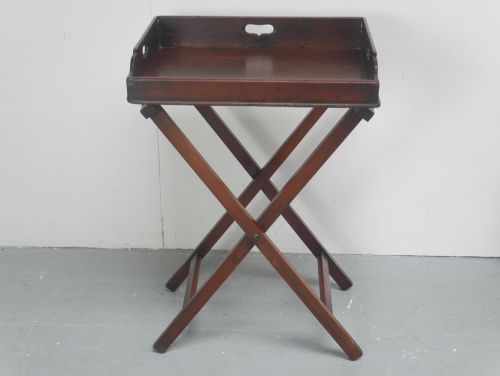
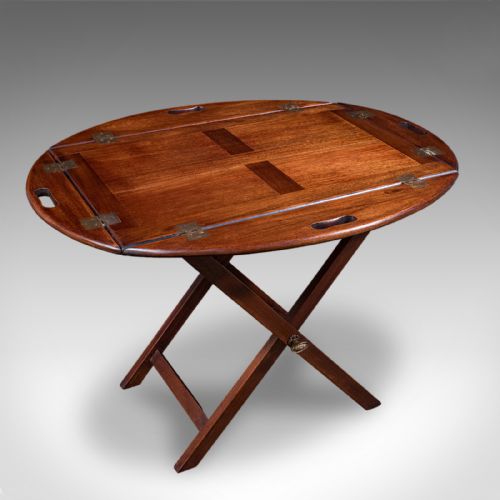
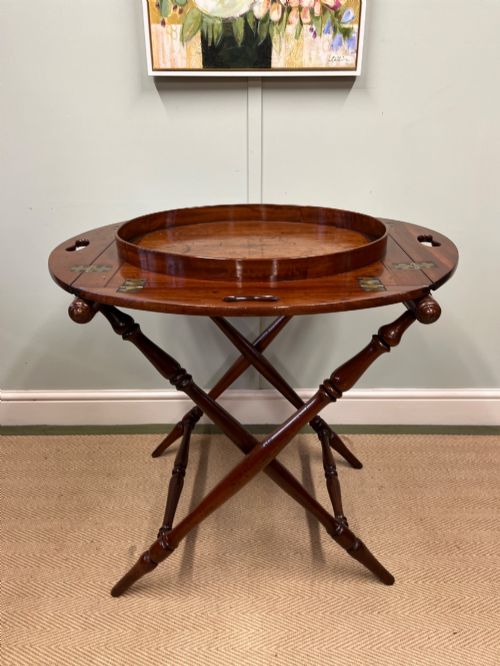
When you search for a brown serving table, you encounter a varied group of timber furniture designed for hospitality and domestic service, spanning several centuries and styles. The pieces on this page include Georgian and Victorian sideboards, mahogany dumb waiters, oak dresser bases, and folding butler's trays on stands.
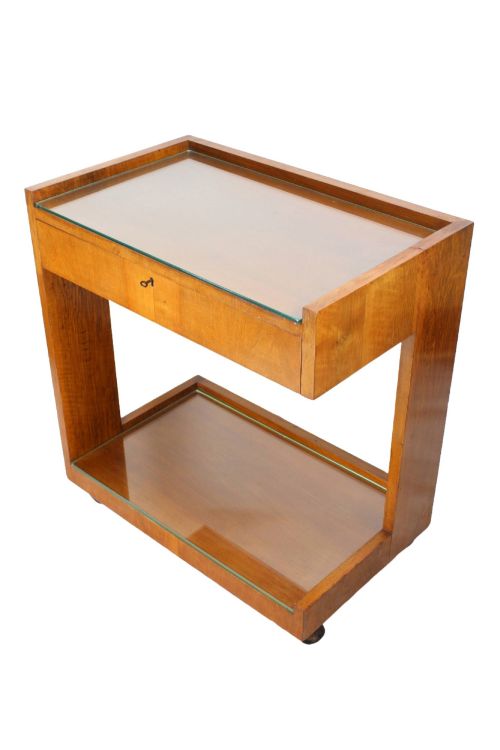
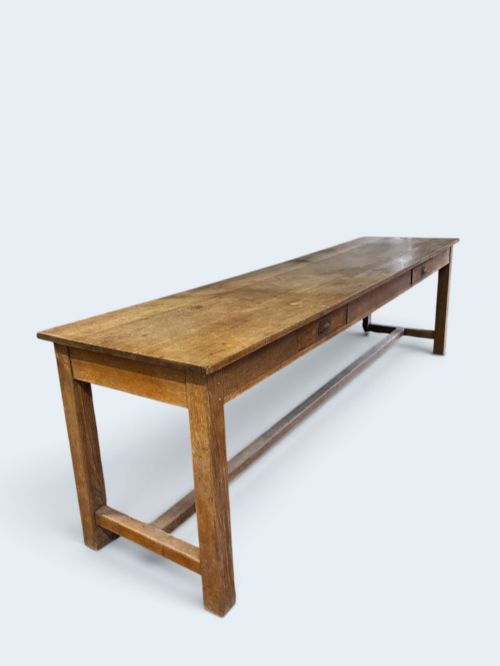
You are most likely to meet substantial oak dresser bases from the Georgian and Edwardian periods, or mahogany serving tables and sideboards dating from the eighteenth and nineteenth centuries. Walnut and pine examples also appear, alongside occasional tea trolleys and two-tier serving carts from the twentieth century.
These forms reflect centuries of dining traditions, from formal country house feasts where side tables held dishes before carving, to domestic Victorian libraries and Edwardian afternoon teas. Each variant offers a specific surface arrangement, whether fitted with multiple drawers, drop flaps, or tiered shelving for bottles and glassware.
Materials and Construction
The makers of these brown serving tables relied primarily on dense hardwoods such as mahogany, oak, and walnut, complemented by secondary structural timbers like pine and boxwood stringing. Timber selection dictated the weight and grain character of each piece, ranging from the dark reddish-brown figure of Georgian mahogany to the robust brown tones of English and continental oak.
Joinery techniques matched the period and the utility of the table, utilising sturdy mortise and tenon frames for dresser bases alongside dovetailed drawer construction and turned or cabriole legs. Brass hardware, including drop handles, castors, and hinges, frequently assists the movement and function of butler's trays, dumb waiters, and telescopic buffets.
Listings feature rich brown timbers including oak, mahogany, and walnut across Georgian, Victorian, and Edwardian eras.
Assessing Quality
Quality in a brown serving table rests upon the integrity of the timber selection and the precision of the cabinetmaker's joinery. Superior examples display well-figured mahogany or quarter-sawn oak with harmonious grain matching across drawers and tops, avoiding mismatched timber patches.
Carved ornament and structural proportion separate standard utility pieces from finer commissions. Crisp, hand-chiselled neoclassical carving, well-turned cabriole legs, and original brass fittings indicate a higher grade of craftsmanship than plain, mass-produced workshop variants.
Maurice Adams·Beresford and Hicks
The Brown Serving Table Glossary
- Dresser base
- A low wooden sideboard fitted with drawers and occasionally cupboards beneath a wide serving surface. Originally used in country houses for food preparation and storage.
- Dumb waiter
- A tiered piece of furniture with rotating or stationary circular trays designed to hold dishes and glasses without servants present. They often feature central pillars and tripod bases.
- Butler's tray
- A removable wooden tray with hinged or fixed sides, traditionally used for carrying drinks and silverware. It sits upon a folding wooden stand when in use.
- Buffet
- A side table or cabinet used for serving food and displaying silver or porcelain. Victorian iterations frequently incorporate adjustable shelves or multiple small drawers.
- Cabriole leg
- A furniture leg that curves outward at the knee and tapers inward to an ankle or foot, inspired by the motion of a leaping animal. This stylistic feature appears frequently on Georgian oak and walnut pieces.
Brown Serving Table: Frequently Asked Questions
How were brown serving tables originally used?
These tables served primarily in dining rooms, halls, and libraries to hold food, tableware, and serving dishes during large meals. They relieved pressure on the main dining table by providing an accessible staging area for courses and drinks.
In domestic settings, smaller variants like butler's trays and dumb waiters allowed households to manage afternoon tea or evening hospitality with minimal staff intervention.
Where should I place a serving table today?
A brown serving table suits dining rooms, large hallways, or living spaces where surface area and timber warmth are desirable. Their long, narrow profiles allow them to sit flat against a wall without obstructing room traffic.
They function effectively as sideboards for serving food during dinner parties, display surfaces for lamps and ceramics, or designated cocktail stations in a reception room.
What is the difference between a sideboard and a serving table?
A serving table generally emphasises an open, accessible frame with legs and a top surface, sometimes featuring a modest row of drawers beneath. They were traditionally used to hold dishes immediately prior to service.
Sideboards tend to be more substantial storage units, frequently incorporating deeper cupboards, multiple large drawers, and enclosed compartments designed to house heavy tableware and linens permanently.