



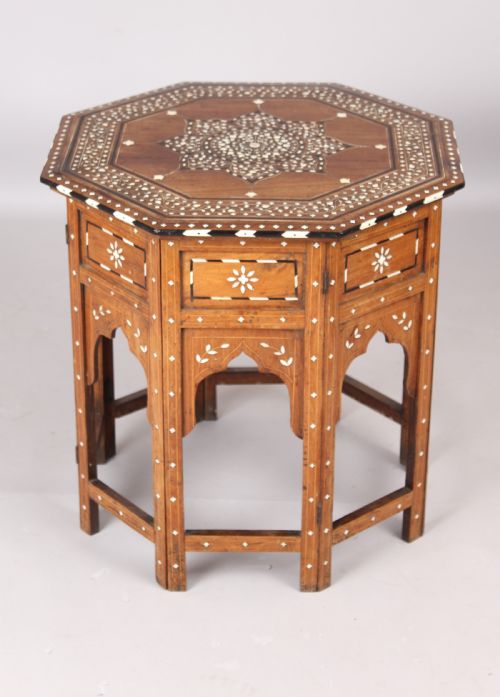

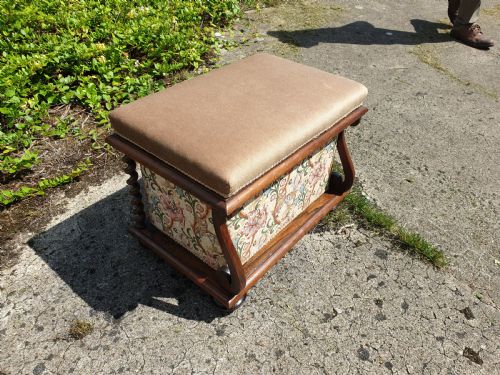
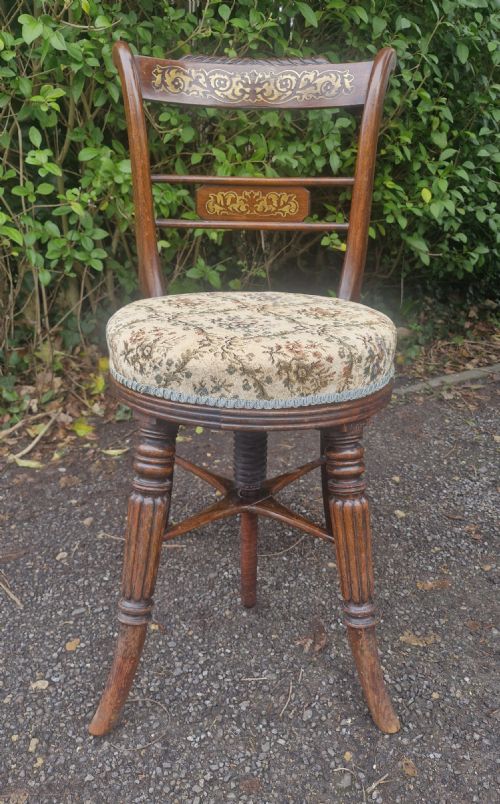


Brown Rosewood Stool
These brown rosewood stool pieces combine rich timber and steady craftsmanship, offering both functional seating and period charm for your room.
Brown Rosewood Stool
When you search for a brown rosewood stool, you encounter seating pieces spanning Georgian, Regency, and Victorian periods. These items range from simple footstools and dressing stools to adjustable music chairs and revolving piano seats.
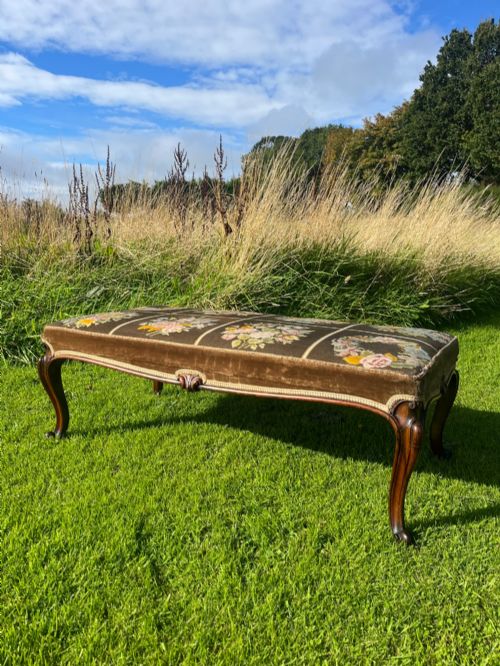
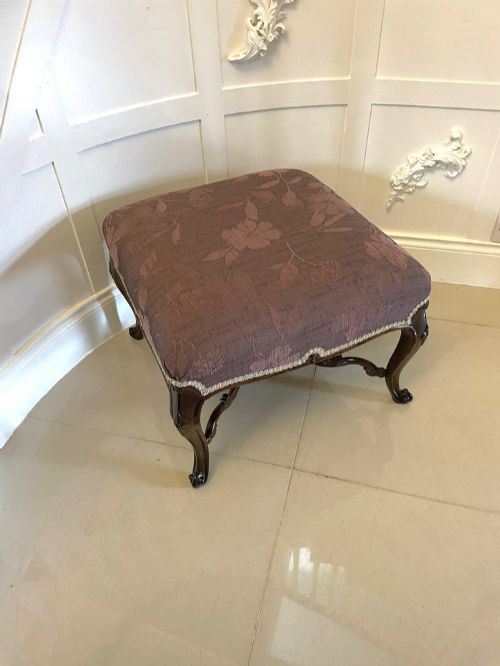
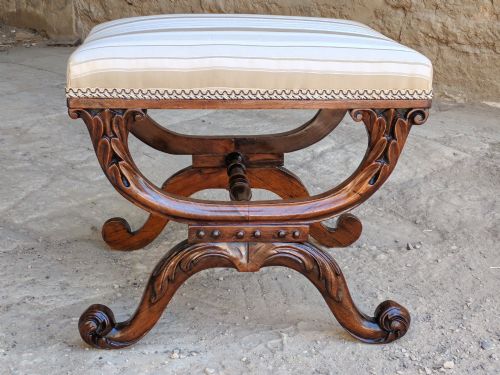
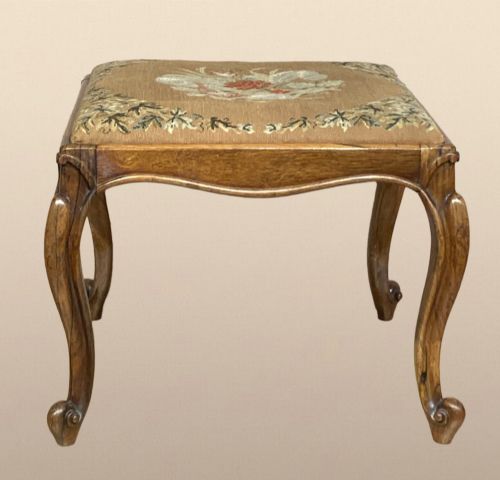
The most common examples on this page are Victorian and Regency pieces, featuring turned or cabriole legs and upholstered tops. Some variations include cross frames, box seats, and brass inlays.
Origin influences form, with pieces originating from British workshops as well as Anglo-Indian and Qing Dynasty traditions, including Chinese hongmu variants.
How they were made
Maker workshops utilised dense rosewood and hardwood as primary timbers, occasionally employing simulated rosewood finishes or incorporating bone inlay. Structural stability relied on traditional joinery suited to bearing weight on stools and chairs.
Surface detailing often integrated brass inlay alongside turned wooden components. Upholstery utilised fabric, velvet, and wool materials secured over padding to create comfortable seating surfaces.
Brown Rosewood Stool Retail Price Guide 2026
Typical asking prices for brown rosewood stool among the pieces listed under this phrase on Sellingantiques today, from the lower quarter to the upper quarter. They describe what is for sale here now, not the wider market.
Some nineteenth-century piano players relied on a revolving seat to execute rapid sideways glances at sheet music without disturbing their posture.
What varies in quality
The standard of a brown rosewood stool rests in the crispness of its turned woodwork and the integrity of its frame construction. Superior examples maintain firm joints and retain original timber grain without excessive darkening.
Functional mechanisms on adjustable piano stools and music chairs demonstrate craftsmanship quality through smooth rotation and secure height adjustment. The choice of secondary woods and the precision of brass inlay further distinguish finer workshop output.
Gillows
The Brown Rosewood Stool Glossary
- Rosewood
- A dense, dark timber valued for its rich grain patterns and durability in fine furniture. It takes a high polish and forms the primary material for these stools.
- Cabriole leg
- A furniture leg featuring a double curve, typically swelling outward at the knee and tapering inward toward the foot. This style appears frequently on Victorian pieces.
- Simulated rosewood
- A painted or stained finish applied to a less expensive hardwood to imitate the appearance of genuine rosewood. It allowed makers to achieve a luxury look at a lower cost.
- Cross frame
- A furniture base constructed from intersecting members that form an X shape for added support. This configuration often appears on dressing stools.
Brown Rosewood Stool: Frequently Asked Questions
What periods do these stools come from?
The pieces span the Georgian, Regency, and Victorian eras, alongside nineteenth-century examples. Each period brings distinct leg forms and structural details.
Changes in interior design across these decades influenced whether a stool was built for a dressing table, a music room, or general parlour use.
How do adjustable piano stools work?
Adjustable music and piano stools utilise a revolving mechanism or a rising screw seat to alter the height for the player. These moving parts require careful handling to preserve their threading.
Many retain their original mechanical components, which allow the upholstered top to spin or lift smoothly.
What materials are used besides rosewood?
Makers incorporated various supporting elements including brass for inlay and hardware, alongside hardwoods and simulated finishes. Upholstery components feature wool, velvet, and standard fabric.
Certain pieces also display bone inlay or utilise alternative dense timbers such as Chinese hongmu.
Where were these stools placed originally?
They served functional roles across different rooms, acting as seating at dressing tables, pianos, and desks. Footstools also provided comfort near parlour armchairs.
Their compact sizes allowed them to be moved easily around the home as needed by the household.