
Brown Pottery Vessel
When you search for a brown pottery vessel, you encounter centuries of utilitarian and decorative ceramics shaped in clay, stoneware, and terracotta.
Brown Pottery Vessel
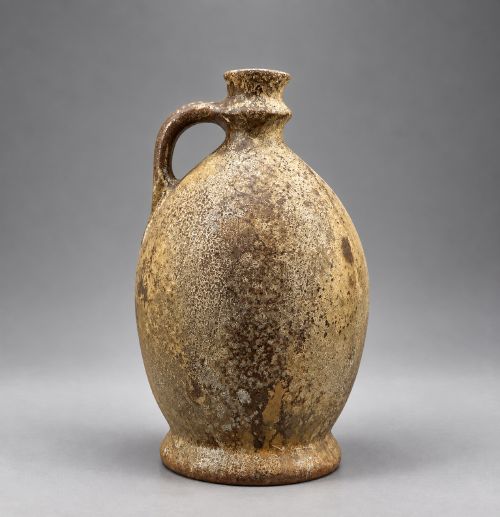
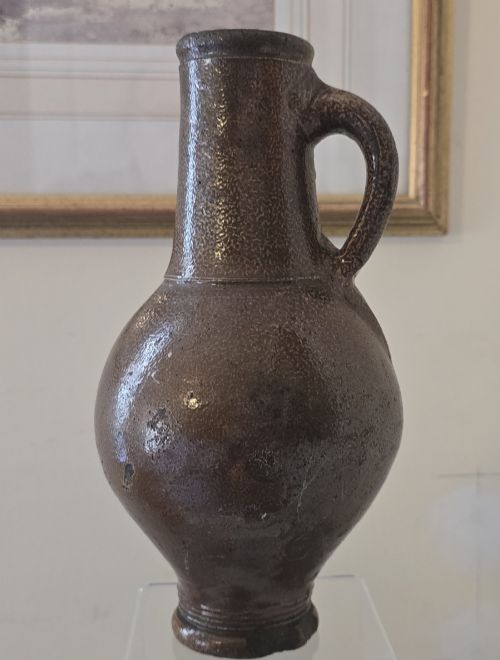
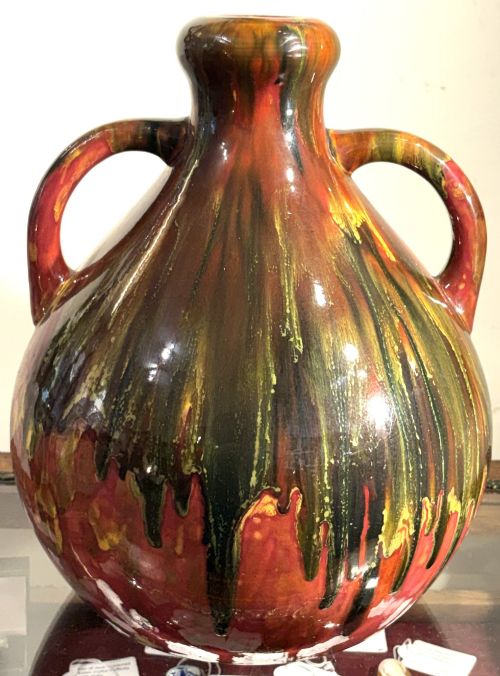
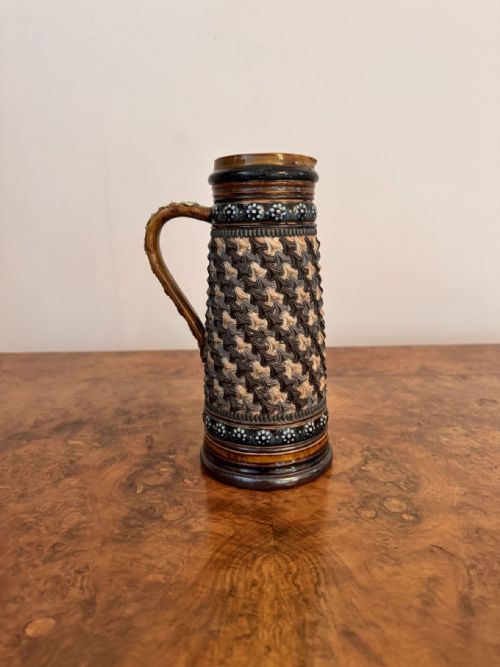
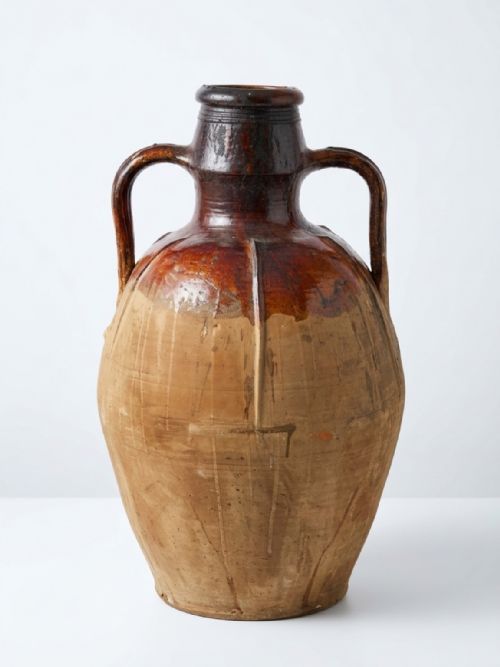
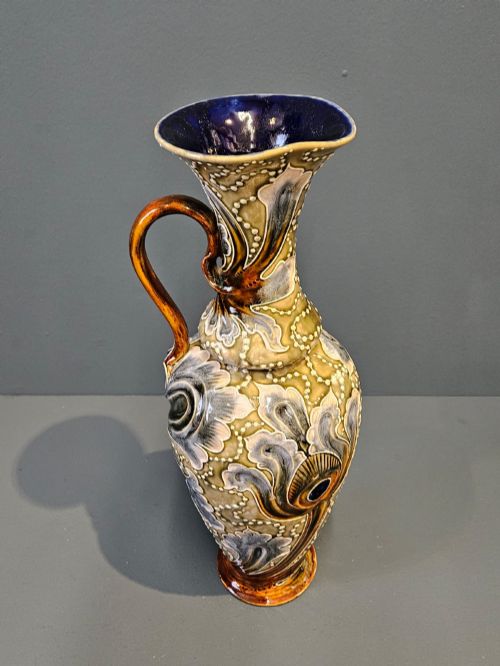
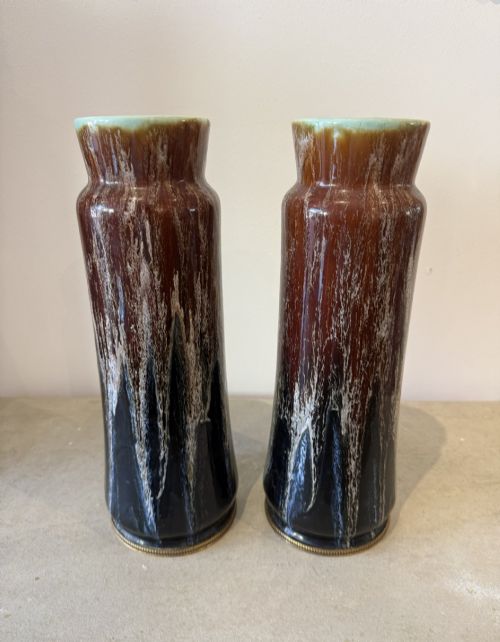
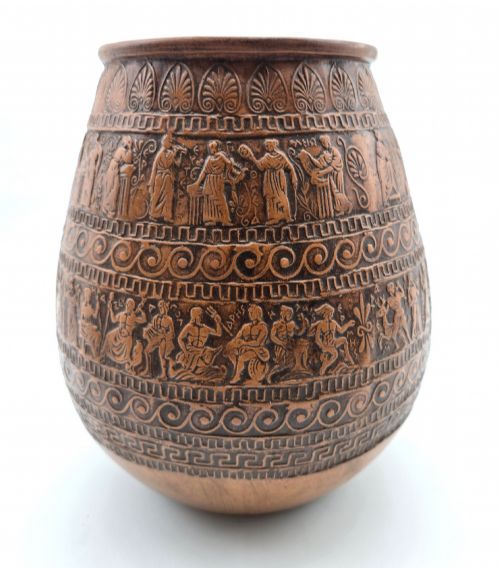
A brown pottery vessel encompasses a wide range of historic ceramic forms, including utilitarian flagons, jugs, bottles, and large storage jars alongside decorative vases and ewers. Most pieces met on this page date from the nineteenth century, spanning Victorian salt-glazed stoneware, terracotta wine jars, and art pottery.
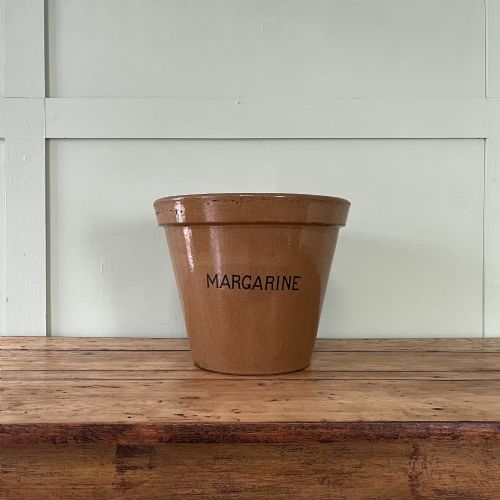
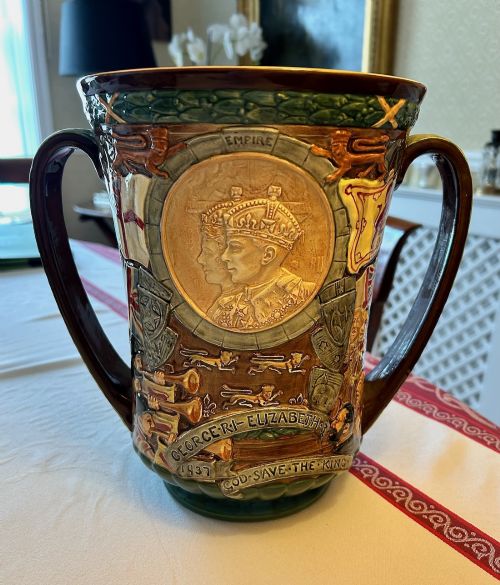
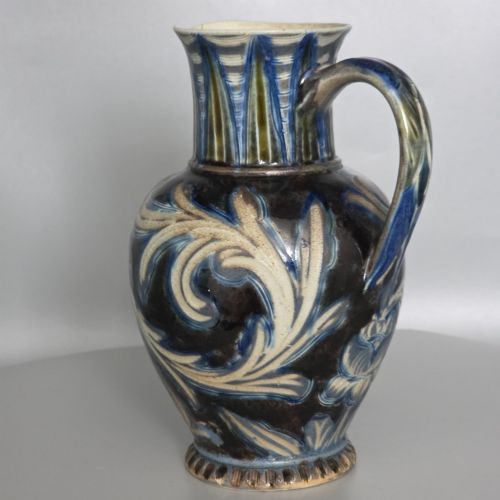
The selection also reaches back to seventeenth-century slipware and forward into early twentieth-century wares by makers such as Royal Doulton and Burmantofts. Forms vary from simple tavern soup jars and margarine bowls to elaborate twin-handled vases and incised art pottery.
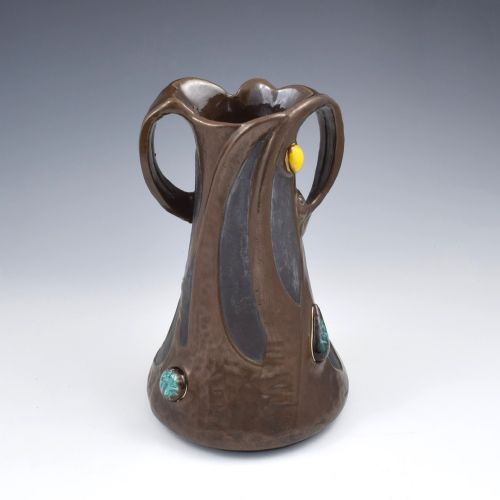
Buyers will find that brown pottery vessels range from everyday kitchen and cellar equipment to highly ornamental pieces influenced by the Arts and Crafts and Art Nouveau movements.
How they were made
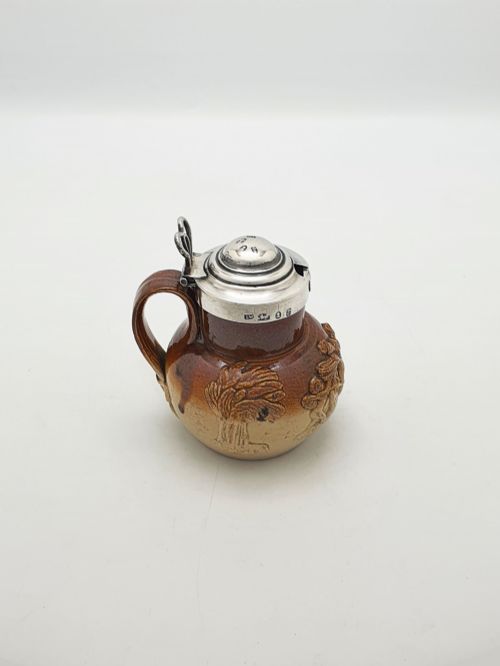
Potters shaped these vessels primarily from local clays, terracotta, and dense stoneware bodies, often throwing them on a wheel or pressing them into moulds. Stoneware pieces frequently received a salt glaze, achieved by throwing common salt into the kiln during high-temperature firing to create a characteristic orange-peel texture.
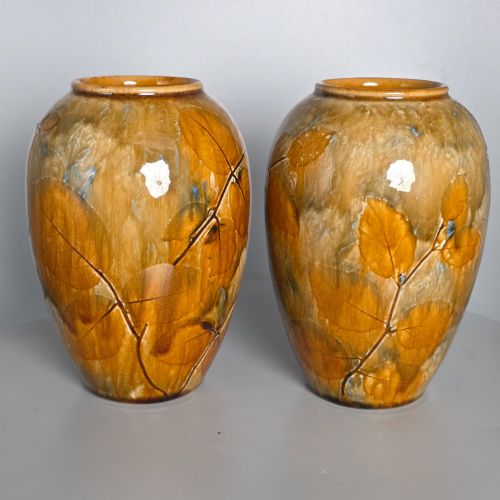
Surfaces were further decorated through slipware trailing, incising, or the application of metal-oxide glazes that produced deep iron rust and autumnal brown tones. Many Victorian and later examples incorporated specialised metallic finishes, jewelled cabochons, or silver collars to elevate the finished vessel.
Current listings span from seventeenth-century Fulham stoneware and Dutch slipware to twentieth-century art pottery and coronation wares.
What varies in quality
Quality in a brown pottery vessel lies in the crispness of the thrown form, the depth and evenness of the glaze, and the precision of any incised or applied decoration. Master potters and recognised studios achieved superior control over kiln temperatures, resulting in rich, stable coloration without dull patches or unintended warping.
Art pottery examples benefit from the distinct hand of named artists and specialised decorators, whose individual markups and signatures elevate a standard production piece into a work of studio craftsmanship.
Royal Doulton·Doulton Lambeth·Burmantofts·Bretby Pottery·Fulham Pottery·Boch Freres·Mettlach Pottery
The Brown Pottery Vessel Glossary
- Salt glaze
- A vitreous coating formed on stoneware by introducing salt into the kiln at the height of heating, leaving a pitted, orange-peel finish.
- Terracotta
- Unglazed or glazed fired clay of a brownish-red hue, utilised extensively across the centuries for large storage jars and garden vessels.
- Slipware
- Pottery decorated with a thin mixture of clay and water applied before firing, often trailing contrasting lines across the brown body.
- Stoneware
- A dense, impermeable ceramic fired at high temperatures until the clay body vitrifies, making it ideal for holding liquids.
- Tyg
- A large drinking vessel featuring three or more handles designed for communal passing around a table.
Brown Pottery Vessel: Frequently Asked Questions
How do I identify a salt-glazed vessel?
Look closely at the surface texture for a fine, stippled quality resembling the skin of an orange, which comes from salt vaporising inside the hot kiln.
This specific finish makes the stoneware completely impervious to liquids without needing an internal glaze.
What were large stoneware flagons used for?
Historical flagons and bottles served primarily to store, transport, and pour liquids such as beer, wine, oil, and vinegar in domestic and tavern settings.
Their heavy, durable stoneware walls kept contents cool and secure over long periods of use.
How should I clean antique terracotta?
Dust terracotta gently with a dry, soft-bristled brush to remove surface particles without disturbing the porous earthenware body.
Avoid using water or chemical cleaners, as historic terracotta easily absorbs moisture and staining agents.
Are nineteenth-century art pottery jugs watertight?
Most nineteenth-century art pottery and decorative jugs were fired to hold liquids, but older or more porous earthenware pieces can seep moisture.
It is safest to place a discreet glass liner inside if you intend to use a historic vessel for fresh flowers.