


Brown Portrait Painting
When you search for a brown portrait painting, you encounter centuries of sitter studies rendered in rich, deep earths and umber tones.

Brown Portrait Painting
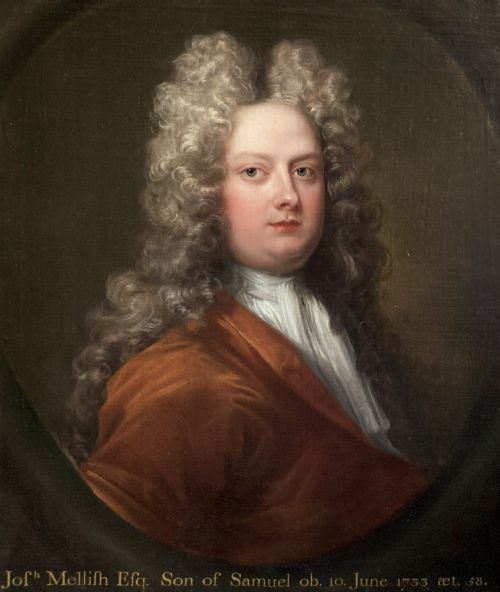
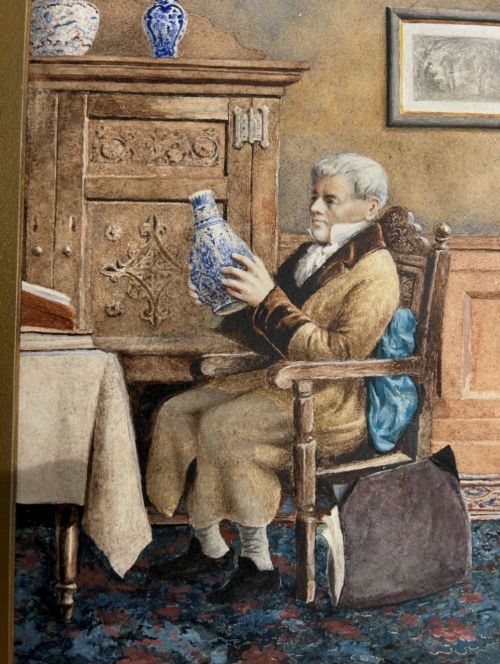
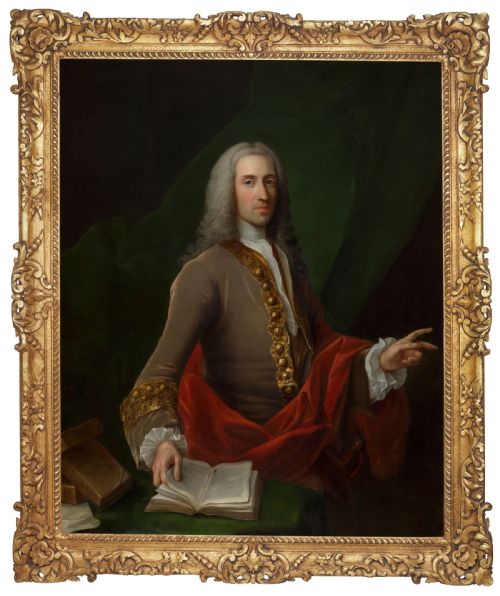
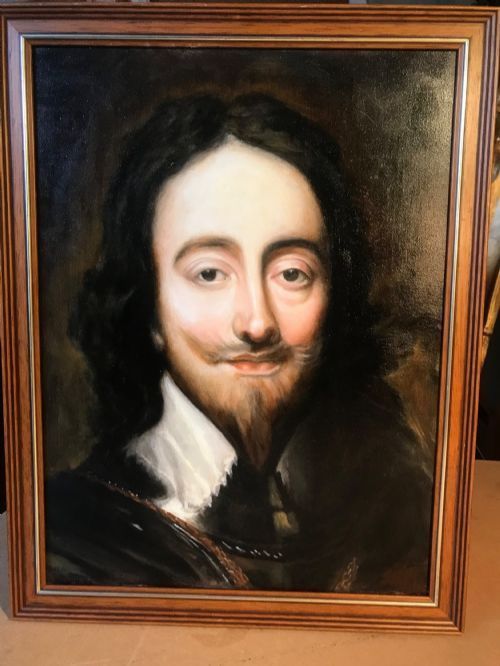
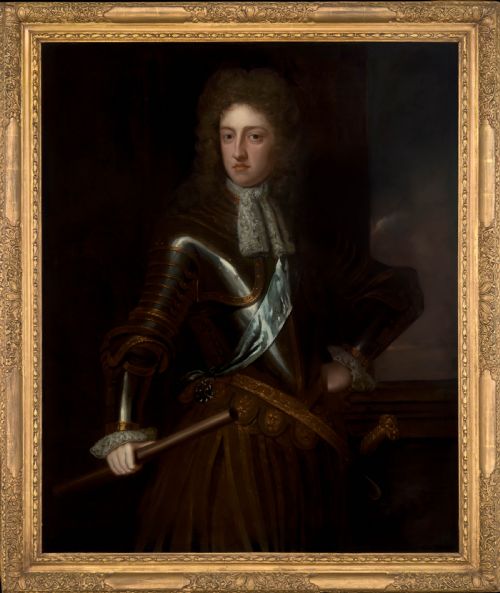
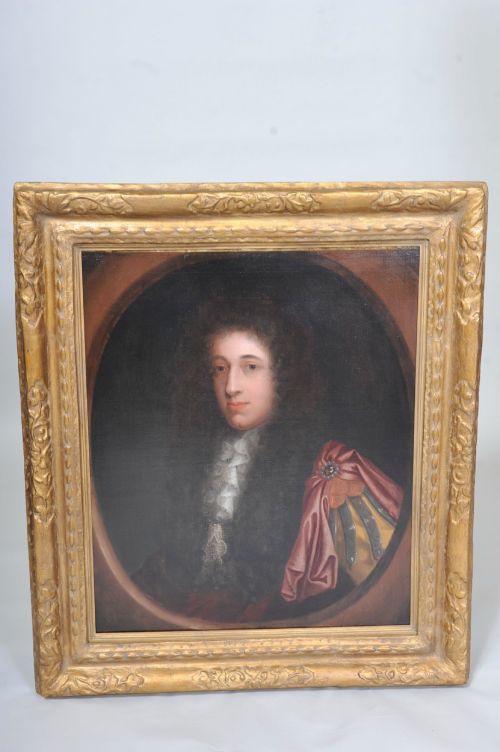
A brown portrait painting typically depicts a historical sitter, gentleman, or lady rendered in deep, monochromatic or warm, earth-toned palettes. These works span multiple centuries, originating from the seventeenth, eighteenth, and nineteenth centuries.
The versions most frequently met on this page include oil on canvas portraits executed by provincial British schools, continental followers, and regional artists working within traditional portraiture conventions.
Materials and technique
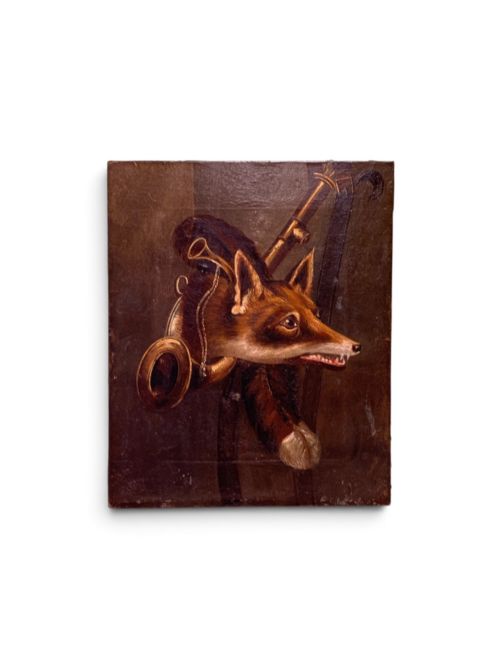
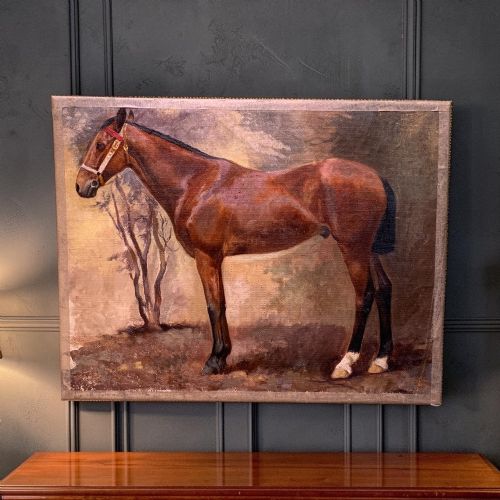
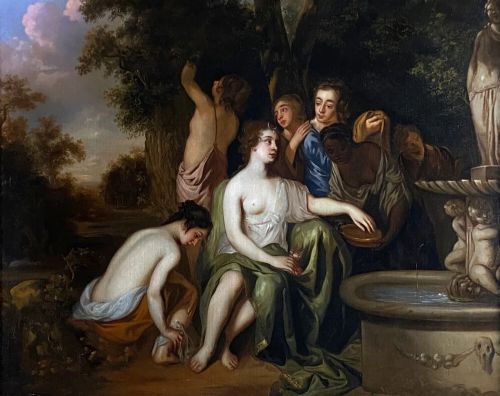
Artists primarily applied oil paint to stretched canvas or wooden panels, utilising ground pigments that relied heavily on natural earth colours such as umber, sienna, and ochre. These oil mediums allowed for deep shadow work and gradual tonal transitions across the sitter's garments and background.
Support structures varied from woven linen canvas to prepared wood boards, sometimes finished with protective varnishes that deepened the characteristic dark brown patination over centuries of ageing.
Materials recorded across the archive include oil paint, gold leaf, pastel on paper, and glass.
What separates the range
Quality in these portraits rests upon the anatomical precision of the facial structure, the dexterity of the brushwork in rendering lace or fabric, and the psychological presence captured in the sitter's expression. Master works demonstrate confident handling of light against dark grounds.
Lesser examples often stem from provincial or studio copies where repetitive brushstrokes and rigid proportions flatten the depth of the composition and obscure the individuality of the subject.
Charles Jervas·Sir Peter Lely·Valentine T. Garland·Jeremiah Davison·Sir Godfrey Kneller·Mary Beale·Edouard Pingret·John Greenhill·John Closterman
The Brown Portrait Painting Glossary
- Canvas
- A heavy woven fabric used as a surface for oil painting. It is typically stretched over a wooden frame before application of the ground layer.
- Old Master
- A term applied to European painters of high skill working before the nineteenth century. These artists often produced formal portraiture and religious scenes.
- Provincial School
- Art produced by regional painters working outside major metropolitan centres. These works often display distinct local character and unpretentious technique.
- Pastel
- A medium consisting of powdered pigment combined with a binder and formed into sticks. It is applied directly to paper to create dry, matte portraits.
- Attributed to
- A designation used when a work shows strong stylistic similarities to a specific master but lacks definitive documentation of authorship.
Brown Portrait Painting: Frequently Asked Questions
What is a brown portrait painting?
A brown portrait painting is a historical artwork that uses a predominantly dark, earthy palette of browns, umbers, and ochres to depict a human subject. These pieces often date from the seventeenth to the nineteenth centuries.
The restricted colour scheme served to create dramatic contrast, emphasising the face and hands of the sitter through chiaroscuro lighting effects common in traditional European portraiture.
How should I care for an oil on canvas portrait?
These historical paintings require stable indoor humidity and protection from direct sunlight to prevent the canvas from sagging and the oil paint from cracking. Avoid hanging them near heat sources.
Dusting should be done gently with a soft, dry brush, leaving any deep cleaning or varnish removal strictly to professional conservators.
How can I tell the age of a portrait?
Dating relies on examining the stretcher frames, the weave of the canvas, the style of the sitter's clothing, and the craquelure pattern in the paint layer. Older canvases often show oxidation and yellowed varnish.
Secondary clues include handwritten inscriptions on the reverse, maker stamps on the canvas lining, and historical framing techniques consistent with specific eras.
What does attributed to mean?
Attributed to indicates that an artwork's style, technique, and subject matter closely match the known body of work of a specific master. It suggests strong scholarly consensus without absolute documentation.
This designation allows collectors to acquire pieces linked to prominent historical workshops when signed documentation is missing.