






Brown Pastoral Oil Painting
A brown pastoral oil painting captures the quiet rhythm of rural life through earthy tones and pastoral subjects.
Brown Pastoral Oil Painting
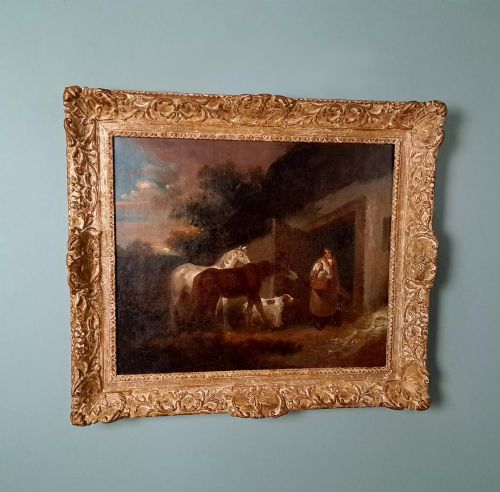
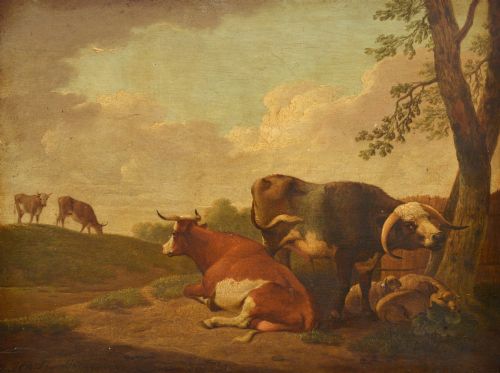
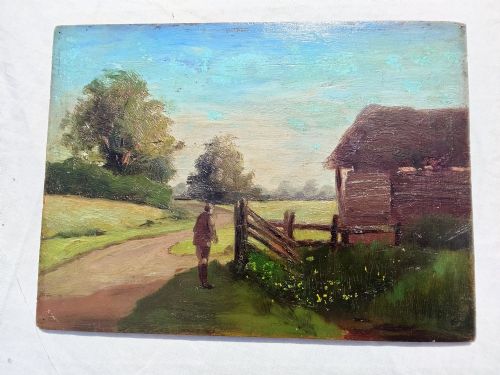
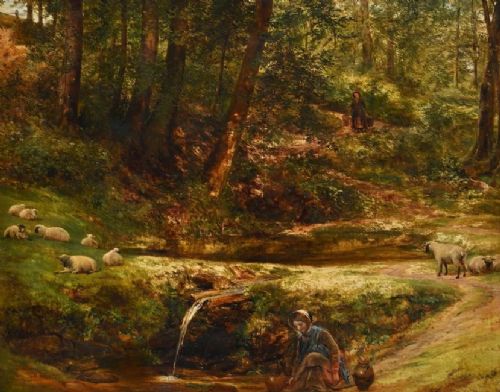
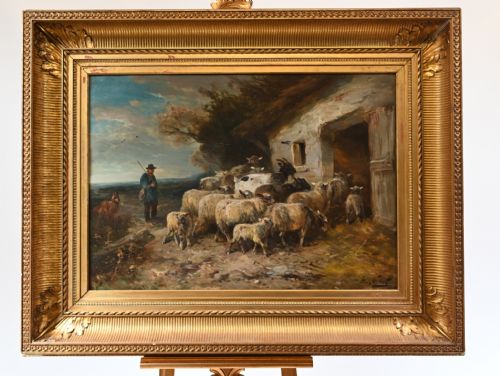
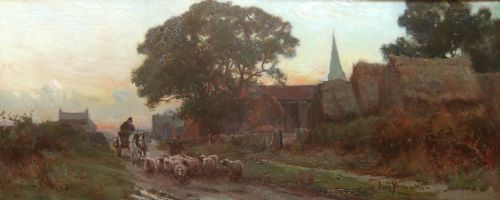
A brown pastoral oil painting depicts rural scenes such as cattle, sheep, farmsteads, and river landscapes set in the British countryside or European pastures. These works span from the eighteenth century through the Victorian era and into the early twentieth century, reflecting a sustained fascination with agricultural life.
Buyers seeking this subject matter encounter works by named artists of the English and Scottish schools alongside anonymous canvases. The palette relies heavily on rich browns, ochres, and muted greens to evoke twilight, woodland shade, and weathered stone.
Most examples found in these listings date from the nineteenth century or the Edwardian period, often capturing drovers, shepherds, and heavy horses at rest. The enduring appeal lies in the tranquil mood and the detailed documentation of historic rural practices.
Canvas, Wood, and Pigment
Artists painted these pastoral subjects primarily with oil paint applied to stretched canvas, wooden panels, or wooden boards. The ground was often prepared with gesso, providing a stable and smooth surface for subsequent layers of pigment.
Many works incorporate gold leaf within framing elements or retain their original gilt decoration. The combination of oil paint with traditional wooden supports ensures the durability seen in surviving examples from the seventeen-hundreds onward.
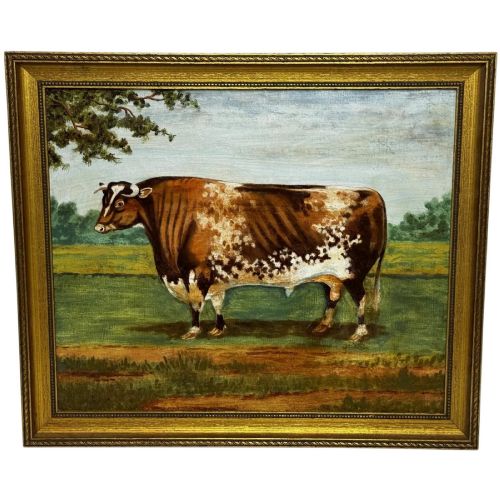
Several canvases pay tribute to hardworking border collies and prize shorthorn bulls that clearly ruled the nineteenth-century farmyard.
Subtleties of Execution
Quality in a brown pastoral oil painting rests upon the artist's handling of light and atmosphere, particularly in how shadows and twilight are rendered across a landscape. Finer pieces demonstrate confident brushwork that defines animal anatomy and foliage without stiffness.
The depth of composition and the natural integration of figures and livestock separate accomplished works from routine topographical records. Superior paintings maintain compositional balance and tonal harmony within the restricted brown and earth-toned palette.
William H Myers·Tom Campbell·Hendrik Willem Schweickhardt·Richard Redgrave·Henry Schouten·John Horace Hooper·John Emms·Owen Bowen·John Sanderson Wells·Samuel Joseph Clark·William Sydney Cooper·John Linnell·Robert Finley McIntyre·Pierre Emmanuel Dielmans·James William Booth·Arthur Winter Shaw·William Manners·Julius Caesar Ibbetson·William Greaves·Thomas Sidney Cooper·Arthur Charles Dodd·William Traies·Herbert Royle·John W Morris
The Brown Pastoral Oil Painting Glossary
- Pastoral school
- A genre of painting focused on rural landscapes, farm animals, and agricultural laborers. It reflects the romanticized view of country life prevalent in British and European art.
- Gesso
- A white paint mixture consisting of a binder mixed with chalk, gypsum, or pigment, used to prepare wooden panels or canvases for oil painting. It creates a smooth and absorbent base.
- Wood panel
- A rigid flat support made from timber used by artists instead of canvas. Panels were particularly common in earlier periods and smaller formats.
- English school
- A loose grouping of artists working in England across various centuries. It denotes geographical origin and shared stylistic traditions rather than a formal academy.
- Grisaille
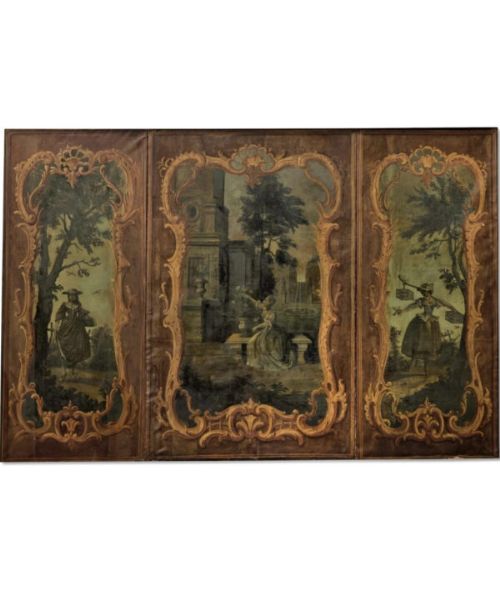
- A painting executed entirely in shades of grey or neutral greyish-brown monochrome. It is often used for decorative panels or as an underpainting.
Brown Pastoral Oil Painting: Frequently Asked Questions
What subjects appear in these paintings?
These works typically show cattle, sheep, farmsteads, and shepherds within British or European rural landscapes. Scenes often capture working farm animals, rivers, and wooded pastures.
Common motifs include drovers crossing bridges, horses resting by farm yards, and collies in the field. The focus remains consistently on traditional agricultural life.
How do I date an antique oil painting?
Dating relies on stylistic clues, clothing of figures, agricultural equipment, and stretcher construction. Canvas types and framing styles also provide chronological markers.
Signatures, artist biographical dates, and old inscriptions on the reverse or stretcher offer further evidence. Comparative study of known works by the same school helps narrow the period.
Where were these pastoral scenes painted?
Many paintings record specific regions in Britain, including Yorkshire, Wharfedale, Scotland, and Dartmoor. Others depict continental farmyard or woodland scenes.
Artists frequently worked outdoors or made studies on location before completing larger canvases in the studio. Inscriptions on stretchers sometimes record the exact geographic location.
How should I care for an oil painting on wood panel?
Wooden panels require stable environmental conditions with minimal fluctuations in humidity and temperature to prevent warping. Keep them away from direct sunlight and heat sources.
Dusting should be done gently with a soft, dry brush. Avoid using liquid cleaners or touching the painted surface directly.