

19th Century Art Artwork
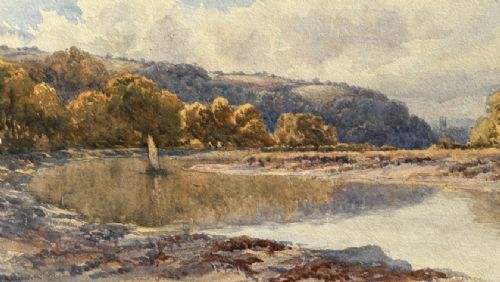
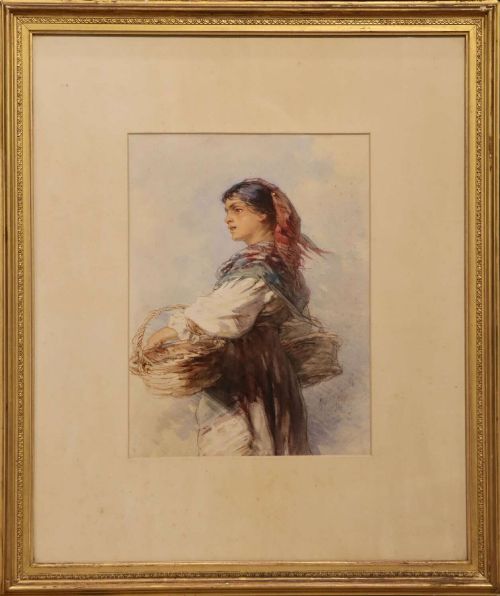
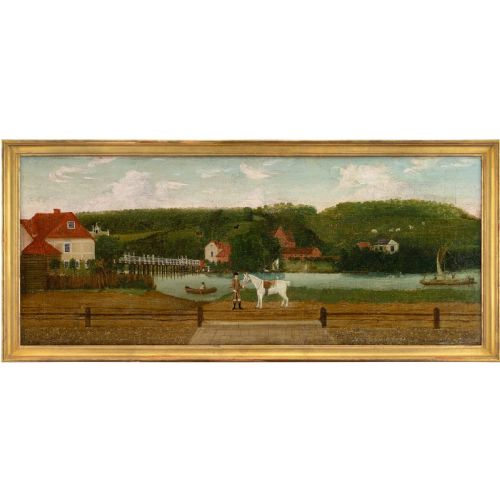
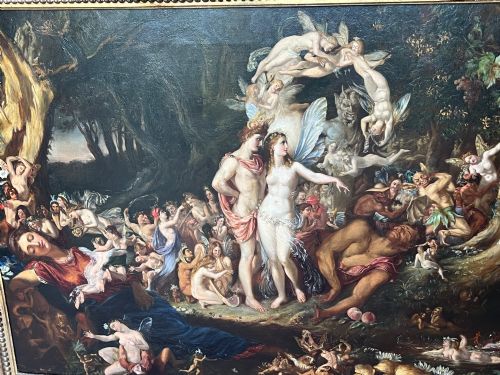
These pieces of 19th century art artwork range from detailed watercolours of Scottish landscapes to large oil portraits on canvas.
19th Century Art Artwork
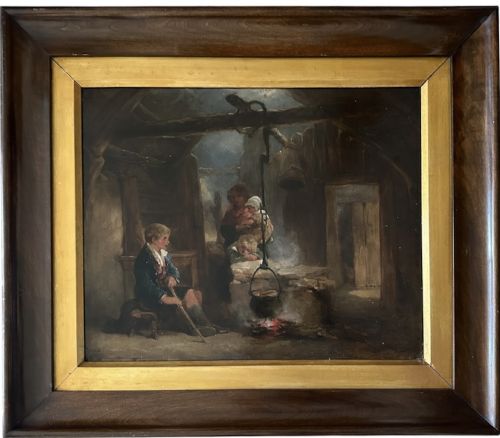
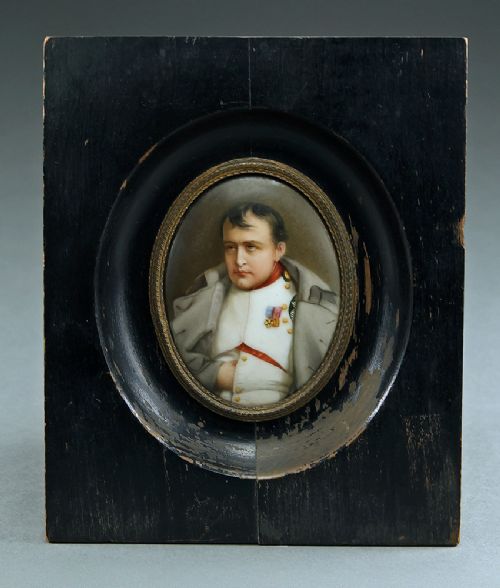
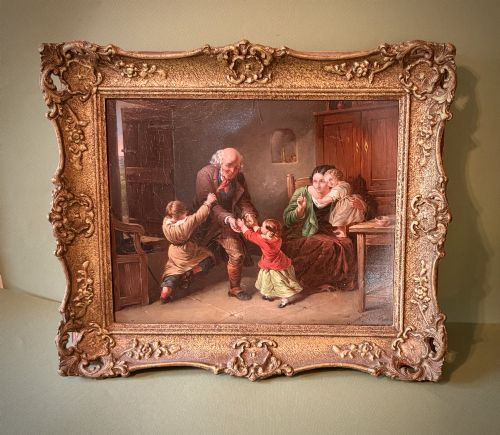
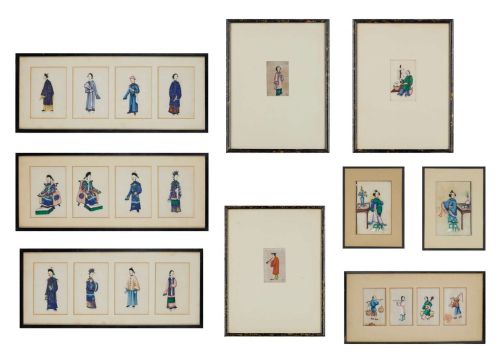
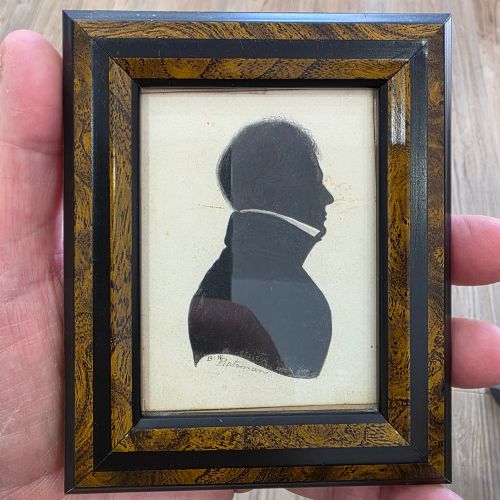
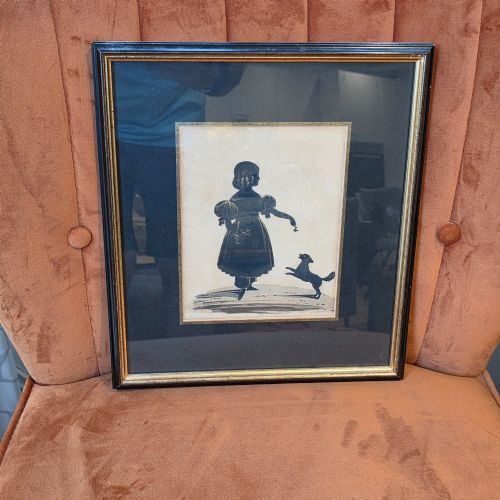
When searching for 19th century art artwork, a buyer encounters framed watercolours, oil paintings on canvas and wood panels, and cut-paper silhouettes.
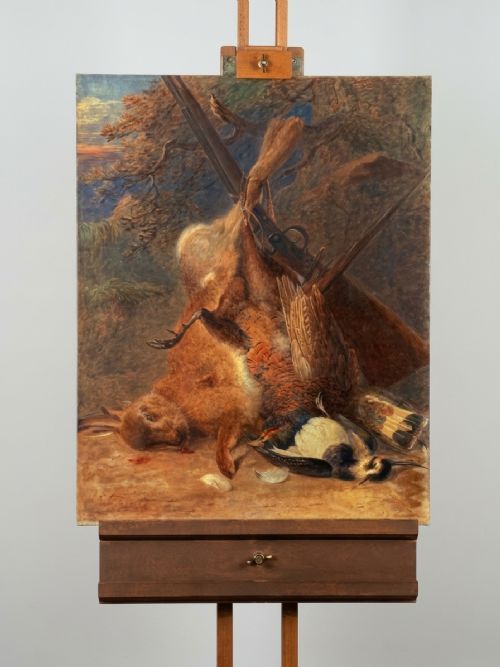
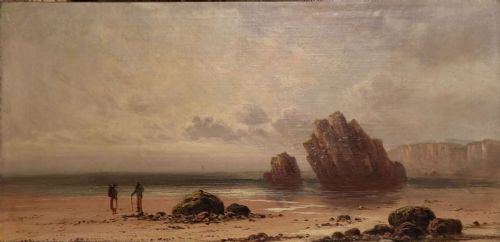
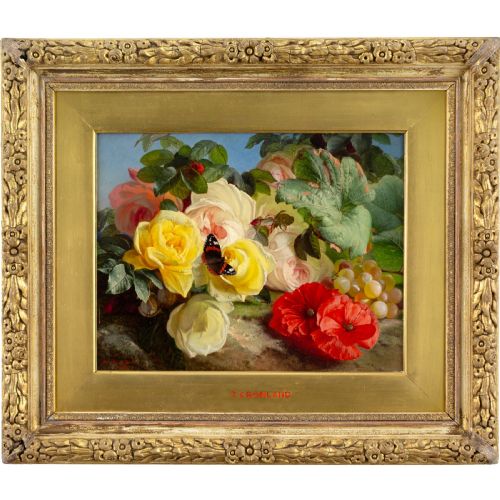
The selections span portraiture, marine scenes, topographical landscapes, and still life compositions created across the Victorian era.
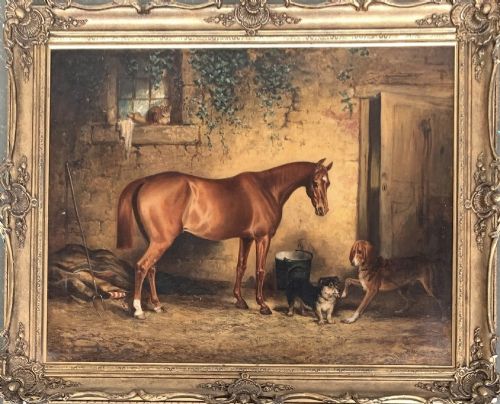
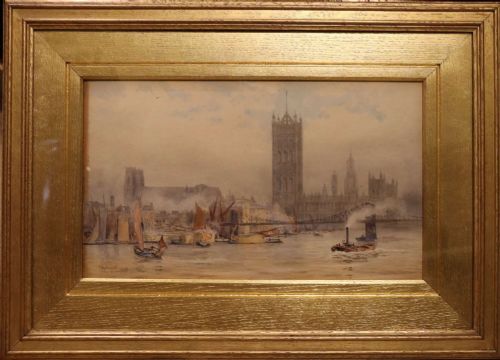
Watercolour paintings and oil paintings dominate the visual record, often signed by period artists and framed under glass or in giltwood.
Materials and technique
Makers applied oil paint and watercolour pigments onto prepared canvas, paper, wood panels, and pith.
Works utilise supporting media such as bodycolour, pastel, and cut paper to build detail in silhouettes and illustrative scenes.
Finished pieces frequently sit inside period frames constructed from wood and finished with giltwood detailing.
Current listings feature works created across the 19th century, incorporating oil paint, watercolour, paper, wood, and giltwood frames.
Factors determining quality
The strength of the composition and the precision of brushwork or cut-paper execution separate standard decorative items from superior examples.
Provenance, legible signatures, and dated inscriptions by known period artists elevate the standing of individual paintings and watercolours.
The preservation of the original pigments, paper support, and canvas tension dictates the visual integrity of the surviving artwork.
David Law·Henry Barraud·William James Hubard·Eugène Verboeckhoven·Thomas Miles Richardson Jnr
The 19th Century Art Artwork Glossary
- Watercolour
- A painting method where fine pigment is suspended in a water-based, translucent solution applied to paper.
- Oil on Canvas
- A painting technique utilising pigments bound in a drying oil medium spread across stretched woven fabric.
- Silhouette
- A portrait cut from dark paper or painted as a solid profile outline, popular in Regency and Victorian interiors.
- Giltwood
- Wood carved and coated with a thin layer of gold leaf, commonly used for period picture frames.
- Bodycolour
- An opaque watercolour paint containing white pigment, used to add solid highlights to works on paper.
19th Century Art Artwork: Frequently Asked Questions
How do I identify a 19th-century watercolour?
Examine the paper support for period watermarks and check for handwritten signatures, dates, or framer labels on the reverse.
Watercolours from this era frequently employ bodycolour for highlights and display distinct pigment characteristics typical of Victorian paper stock.
Are these artworks usually signed?
Many pieces bear artist signatures, monograms, or contemporary inscriptions written directly onto the canvas or paper mount.
Unsigned works also exist, often attributed to specific regional schools or stylistic circles based on technique and subject matter.
How should I display framed paper silhouettes?
Keep cut-paper silhouettes away from direct sunlight to prevent the paper support and dark pigments from fading over time.
Display them in stable interior humidity conditions to protect the original framing materials and glass mounts.