


Victorian Sheep Painting
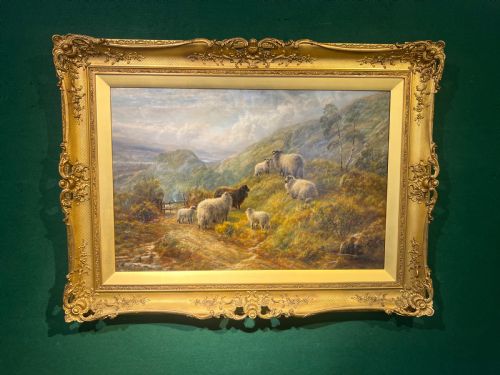
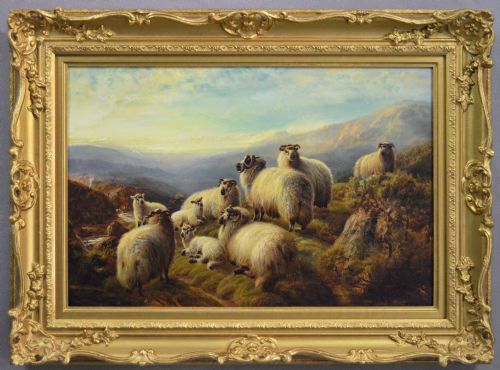
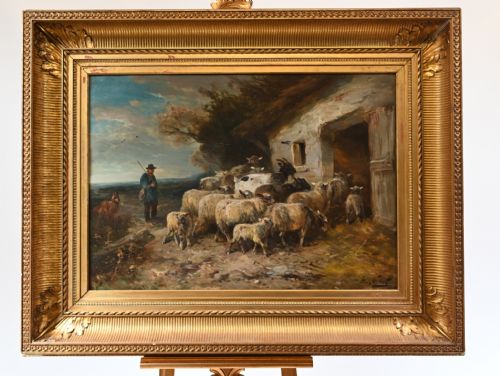
A victorian sheep painting captures pastoral quietness and rural tradition, making it a natural centrepiece for a country interior.
Victorian Sheep Painting
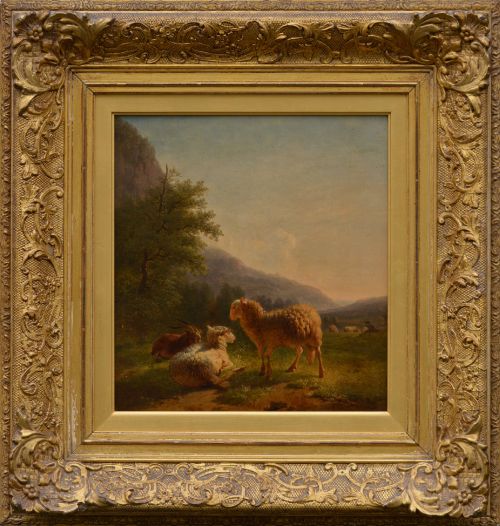
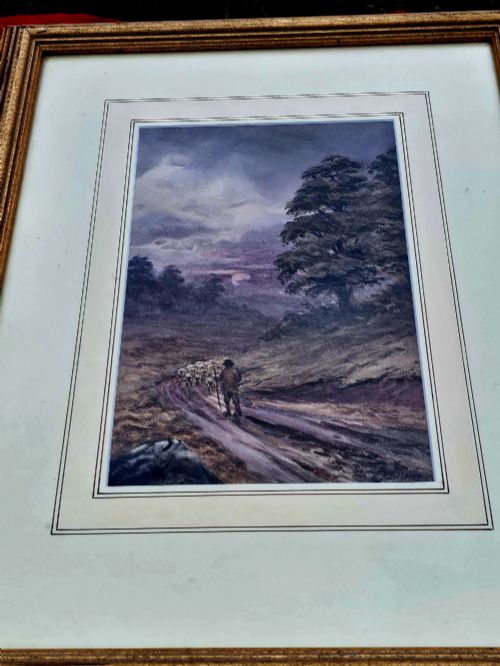
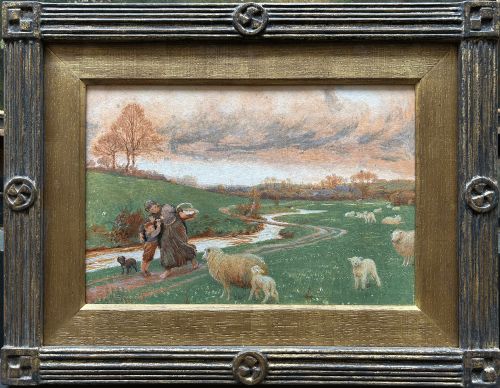
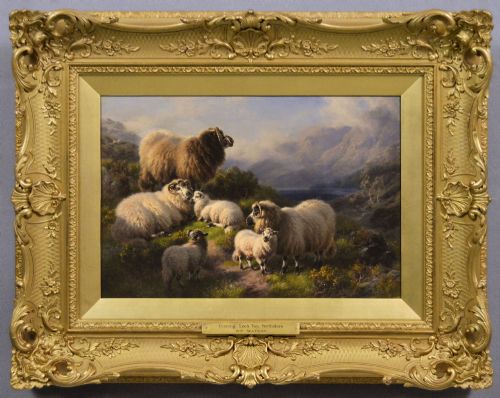
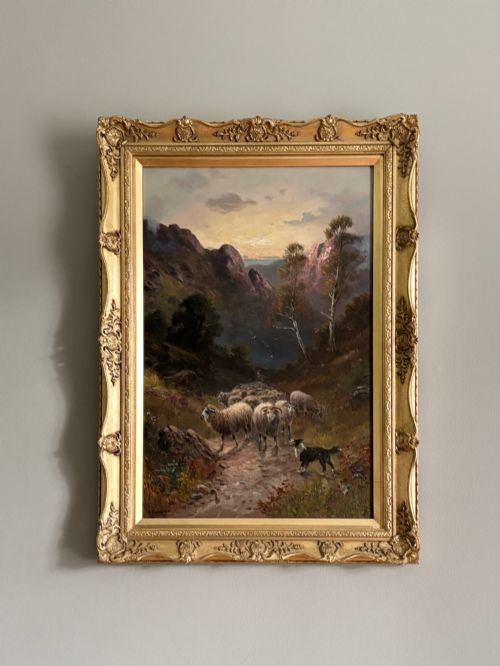
A victorian sheep painting depicts flocks and shepherds within British and European rural landscapes, spanning oil on canvas and delicate watercolours. Most pieces on this page originate from the nineteenth century, ranging from intimate watercolours on paper to substantial framed canvases.
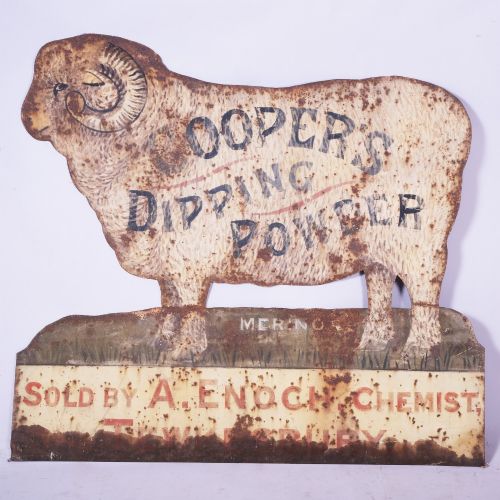
The subject matter extends from Scottish highland scenes with snow and lochs to quiet pastoral lanes in Kent and Wales. Alongside traditional framed paintings, the evidence includes related pastoral watercolours and decorative items depicting rural livestock.
How They Were Made
Artists built these works primarily using oil paint on stretched canvas or watercolour applied to paper, mounted within wood, gesso, and giltwood frames. Many pieces rely on layered brushwork to render the wool, turf, and changing atmospheric conditions of the countryside.
Support materials such as canvas and heavy paper were stretched or mounted before painting, and finished works were typically housed in ornate gilded frames appropriate to the period.
Listings feature works spanning the nineteenth and early twentieth centuries, executed in oil on canvas and watercolour on paper.
What Varies in Quality
Quality rests in the handling of light and the anatomical credibility of the animals, distinguishing competent studio work from masterly observation. The depth of the surrounding landscape and the integration of the flock into the topography dictate the visual weight of the piece.
The preservation of the pigment, the condition of the canvas support, and the integrity of the original giltwood frame contribute substantially to the standing of an individual work.
Eugène Verboeckhoven·James Smetham·EJ Letheren·Frederick Walker·Robert Watson·William Watson Jnr·Douglas Cameron·Henry Schouten·Cornelius Pearson·William Henry Mander·Thomas Sidney Cooper·Franz van Severdonck·William Sydney Cooper·Robert John Hammond·Walter J Watson·Bernard Walter Evans·Henry Charles Fox·Basil Bradley·Charles Jones·George Turner·A Winter Shaw·GW Horlor·Frederick Richard Lee·Henry Birtles·George Faulkner Wetherbee
The Victorian Sheep Painting Glossary
- Oil on Canvas
- A painting medium where pigments are suspended in a drying oil, applied to a woven fabric stretched across a wooden frame. This combination allows for rich colour blending and textured brushwork.
- Watercolour
- A painting method where fine pigment powders are bound in a water-soluble vehicle, traditionally applied to paper. It yields translucent washes that capture soft daylight and atmospheric mists.
- Giltwood
- Wood carved and surfaced with a thin layer of gold leaf. It forms the decorative border of traditional frames.
- Gesso
- A plaster-like mixture applied to wood or canvas as a base before gilding or painting. It provides a smooth foundation for decorative details on frames.
- Pastoral
- A genre of art depicting rural life, shepherds, and domesticated animals in idealized or natural settings. These scenes emphasise a peaceful connection to the land.
Victorian Sheep Painting: Frequently Asked Questions
How do I identify a Victorian sheep painting?
Examine the clothing of the shepherd, the breed of sheep depicted, and the overall palette which often leans towards natural earth tones. The framing materials and stretcher construction on the reverse offer further clues to the nineteenth-century origins.
Signatures, where present, can be cross-referenced with recorded artists of the period who specialised in pastoral subjects and animal portraiture.
Where should I hang these landscape watercolours?
Watercolours require protection from direct sunlight to prevent the pigments from fading over time. Hang them in rooms with stable ambient light and moderate humidity away from direct heat sources.
Pairing a framed watercolour with traditional wooden furniture enhances the rustic character of a country interior.
Did Victorian artists paint sheep outdoors?
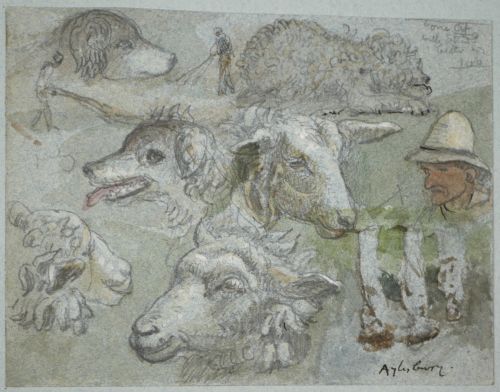
Many painters made preliminary field sketches and watercolour studies directly from nature before completing larger oil canvases in the studio. This practice ensured accurate observation of fleece textures and changing weather.
Artists frequently travelled to rural regions in Wales, Scotland, and Kent to capture authentic farming landscapes.
How do oil and watercolour differ here?
Oil paintings on canvas offer richer texture and heavier impasto, allowing artists to build up the thick wool of the sheep. Watercolours on paper provide a lighter, more luminous quality suited to misty morning skies and damp pastures.
Both mediums were widely used by nineteenth-century artists recording rural life.