



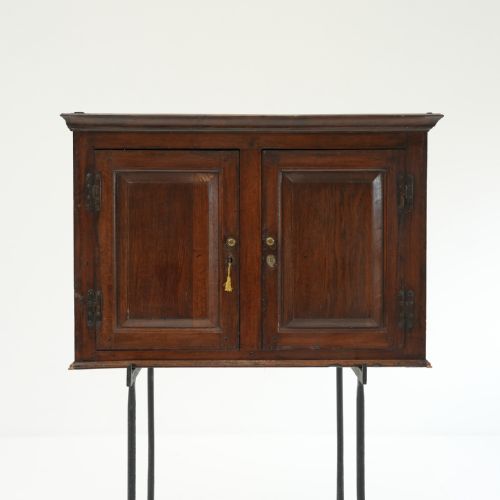


Brown Oak Wall Box
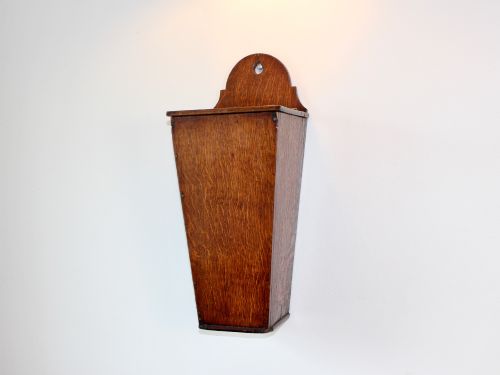
A brown oak wall box brings rich timber grain and compact utility to a room, offering period character designed to hang neatly out of the way.
Brown Oak Wall Box
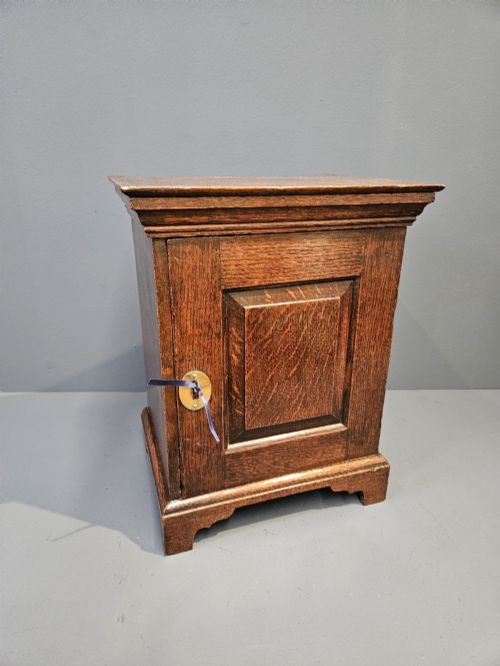
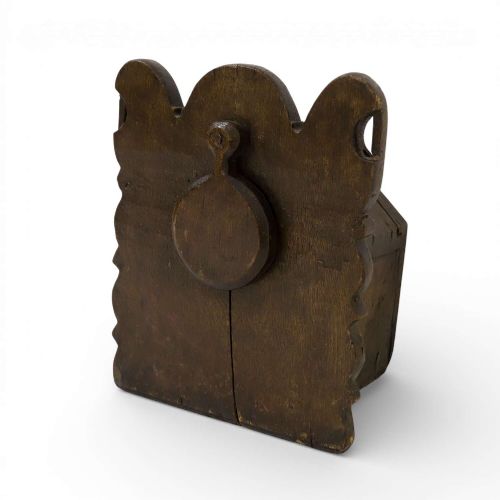
When you search for a brown oak wall box, you encounter a focused selection of hanging containers intended to store small household essentials such as candles, spices, letters, and keys. These functional objects range from simple seventeenth and eighteenth century salt and candle boxes to more elaborate George II, Georgian, and Victorian spice cupboards.
Geographic origins and stylistic influences vary across the selection, featuring British, English, Welsh, and French country designs, as well as Arts and Crafts interpretations. While the primary form is wall-mounted, you may also find related tabletop display cabinets and display boxes.
How they were made
Makers utilised solid oak as the primary timber, occasionally combining it with secondary woods like pine or incorporating plywood and wood veneer in later twentieth-century pieces. Surfaces often display the natural warmth and dense grain of the wood, sometimes enhanced by historical paint traces.
Construction relied upon traditional joinery suitable for wall-hung utility items that needed to support their own weight securely. Hardware played a crucial functional role, with pieces featuring original iron hinges, latches, and brass details such as letter plates or key hooks.
Listings feature oak combined with iron, brass, glass, pine, plywood, and wood veneer across several centuries.
What varies in quality
The standard of a brown oak wall box rests upon the depth of the timber's patina and the crispness of any carved detailing, such as the ornamentation found on nineteenth-century hanging cupboards. Earlier seventeenth and eighteenth-century examples derive their standing from the integrity of their construction and the survival of untouched surfaces.
Originality of hardware significantly influences the standing of a piece, particularly the presence of period iron hinges, latches, or brass mountings that have remained with the box throughout its use. Pieces retaining authentic structural elements and unblemished wood surfaces represent the upper tier of the range.
Heals
The Brown Oak Wall Box Glossary
- Salt Box
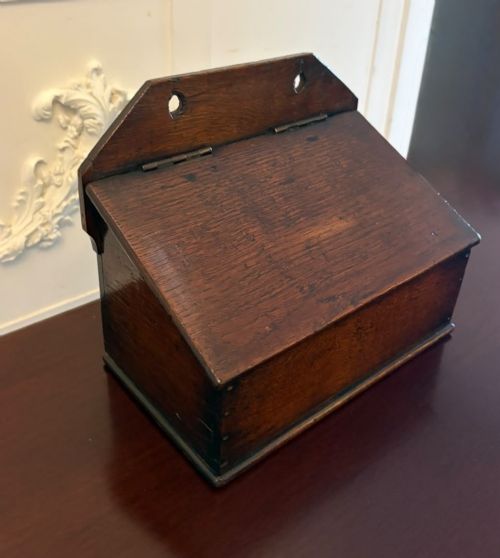
- A lidded wall-mounted container traditionally used to keep kitchen salt dry and free from lumps. These utilitarian items often feature a sloping lid and a high backboard with a hanging hole.
- Candle Box
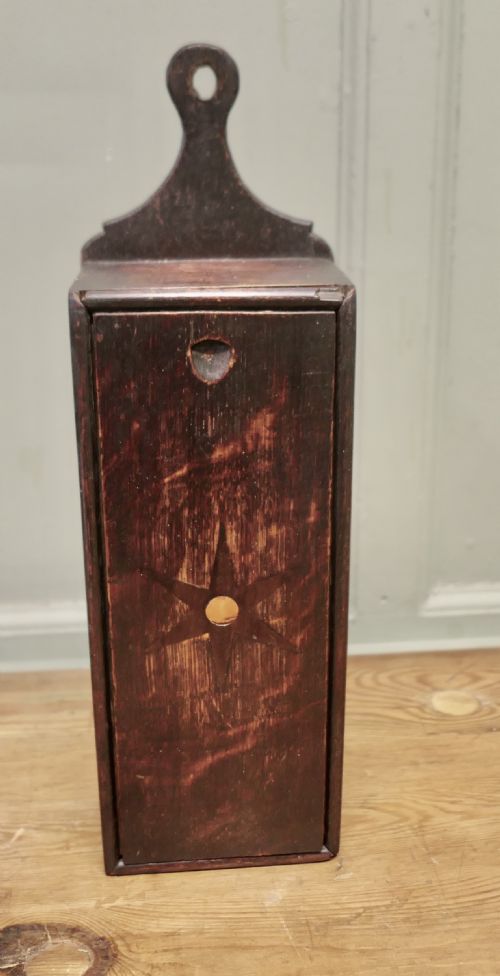
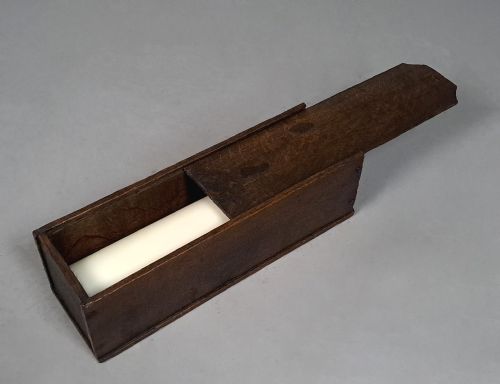
- A hanging wooden receptacle designed to protect tallow or beeswax candles from dust and pests. They frequently display a sliding lid or a hinged door with a shaped top for wall mounting.
- Spice Cupboard
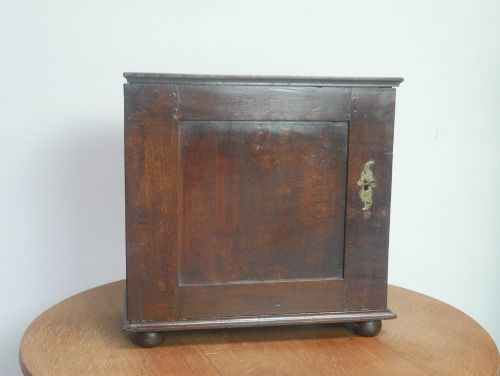
- A small wall-hanging cabinet fitted with internal drawers or shelves to store valuable culinary spices. Georgian and earlier examples often feature fielded panel doors and brass H-hinges.
- Treen
- Small handmade wooden household objects created by turners and woodworkers. This category encompasses various functional domestic items carved from solid timber.
- Patina
- The surface sheen and mellowing of colour developed by wood over centuries of handling, exposure to light, and waxing. It serves as a visual indicator of age and genuine use.
Brown Oak Wall Box: Frequently Asked Questions
What were brown oak wall boxes used for originally?
These boxes served practical domestic functions in period homes, keeping household essentials organised and protected within easy reach. Common contents included salt, candles, spices, letters, and keys.
The wall-mounted design kept valuable or perishable items safe from damp floors and household pests while saving valuable surface space in busy rooms.
How do I hang a vintage wall box safely?
Most pieces were built with integrated hanging brackets, slots, or holes in their backboards designed for traditional wall hooks or screws. You should assess the weight of the specific timber and hardware before installation.
Using appropriate wall fixings suited to your wall type ensures the box supports its own weight securely without straining historic joints.
How can I tell an eighteenth-century box from a later copy?
Examination of the construction methods, tool marks, and timber shrinkage reveals the age of a piece. Eighteenth-century examples typically display hand-cut joints, authentic iron or brass hardware, and deep natural patination.
Secondary woods and modern fasteners point towards nineteenth-century production or later revivals, helping to establish the correct period of manufacture.
How do I care for antique oak furniture?
Keep wooden wall boxes away from direct heat sources, radiators, and strong sunlight to prevent the oak from drying out and splitting. Regular dusting with a soft, dry cloth maintains the surface.
Applying a traditional beeswax polish occasionally helps nourish the timber and preserves the historical patina without building up excessive residue.