
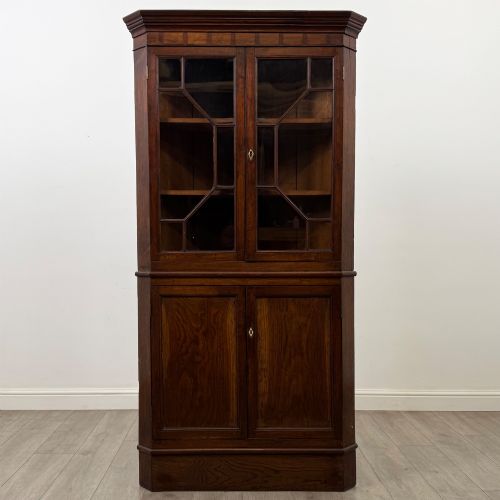
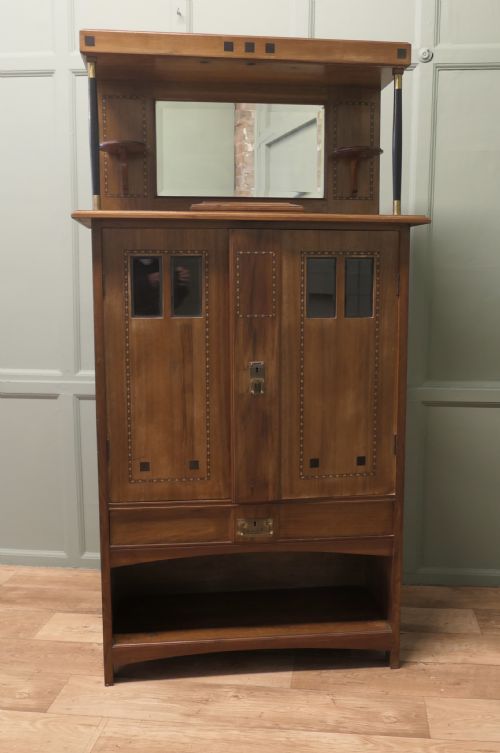
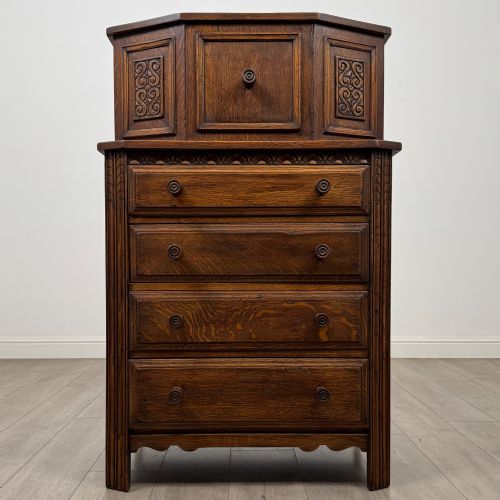
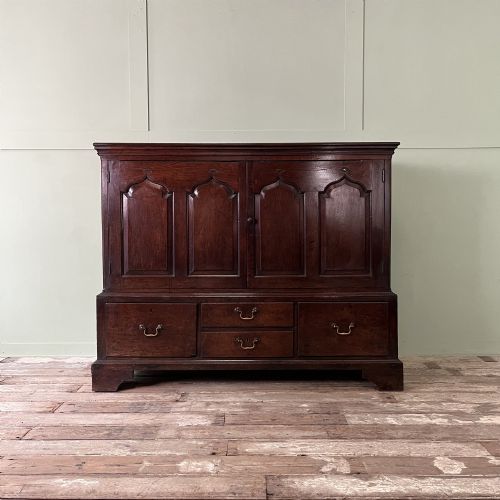
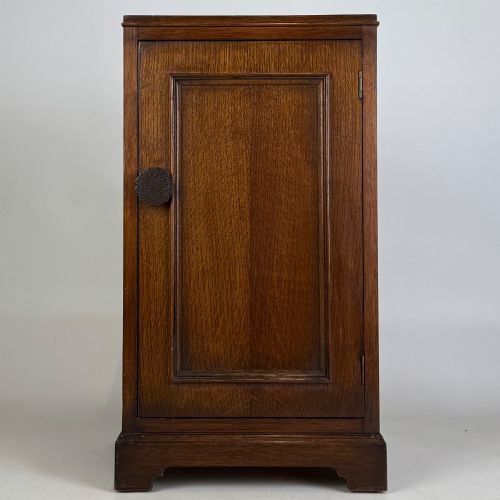
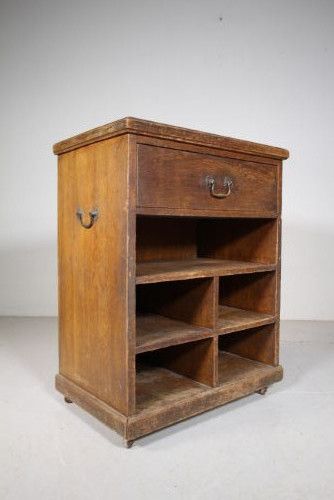
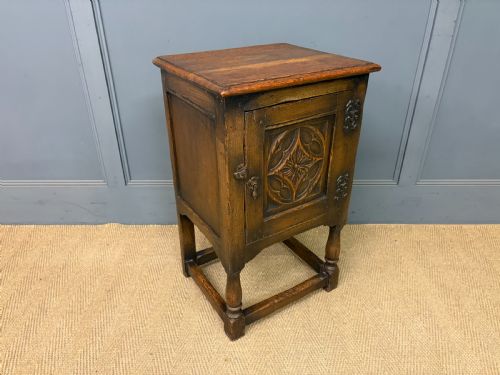
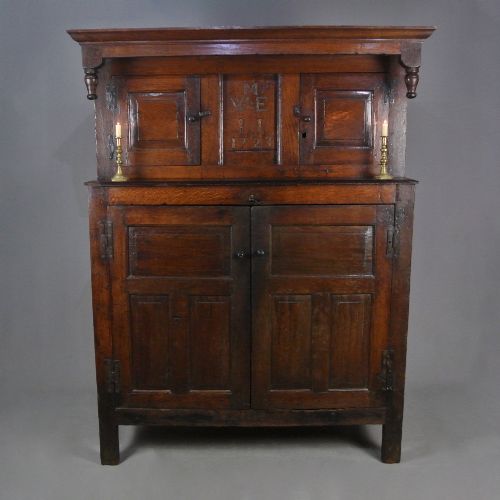
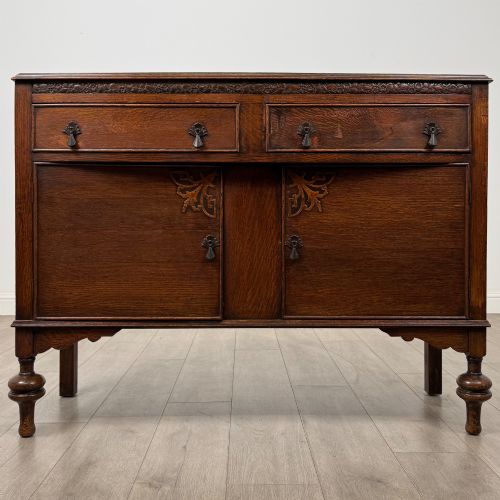
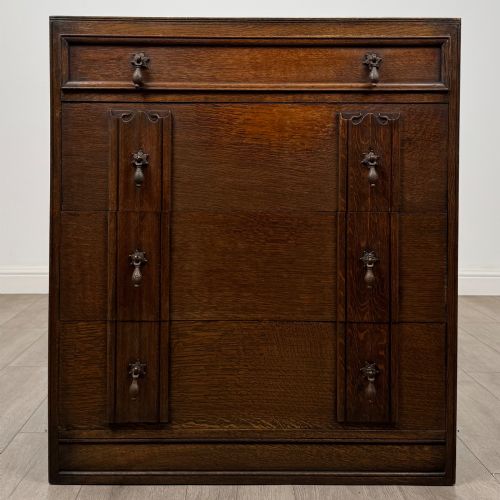
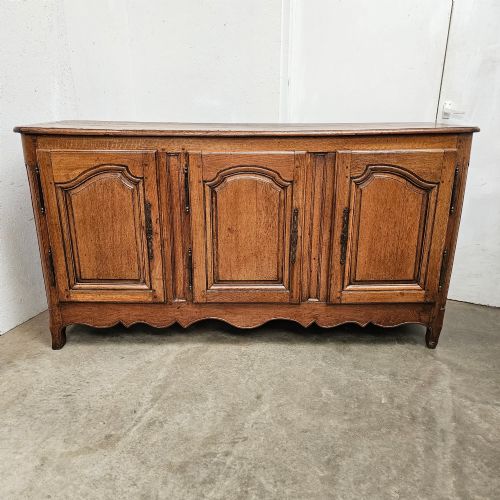
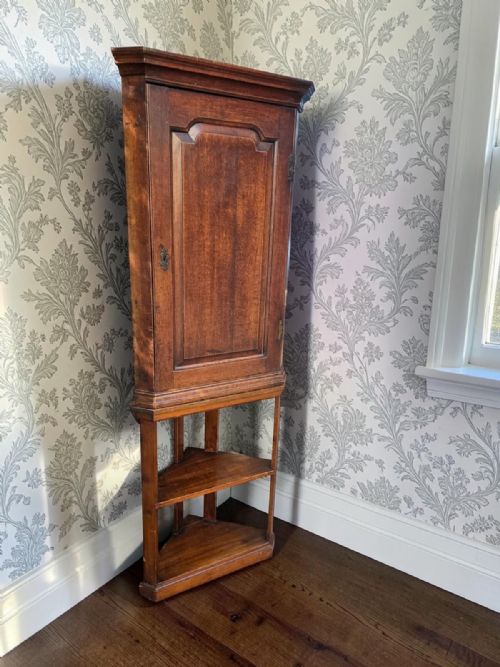
Brown Oak Storage Cabinet
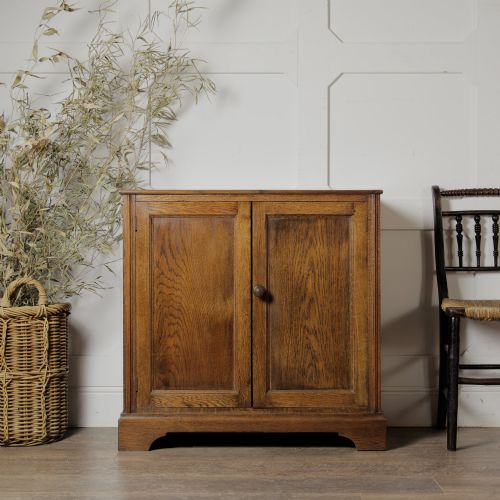
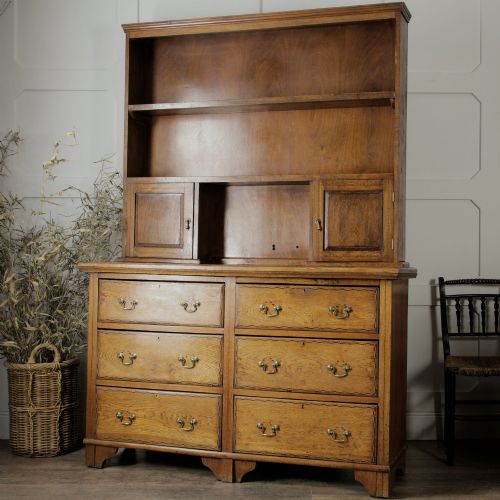
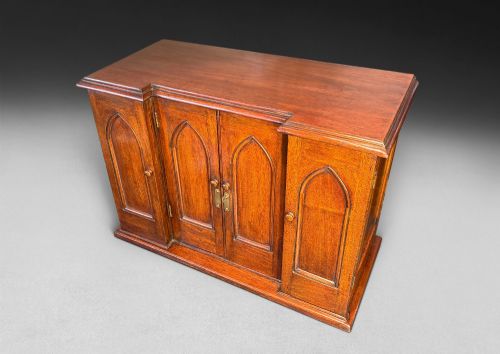
These brown oak storage cabinet pieces span centuries of domestic utility, offering timber character and heavy storage capacity for the modern interior.
Brown Oak Storage Cabinet
A brown oak storage cabinet encompasses a wide variety of domestic furniture built to contain household goods, linens and books across Georgian, Victorian, Edwardian and early twentieth-century periods.
Buyers meet numerous regional and stylistic variations, including corner cupboards, low linen presses, bedside units, court cupboards and tambour file cabinets originating from English, Welsh and French workshops.
The material palette shifts from rich eighteenth-century burr oak to Edwardian carved panels and solid honey oak frames from the nineteen-twenties and thirties.
Materials and construction
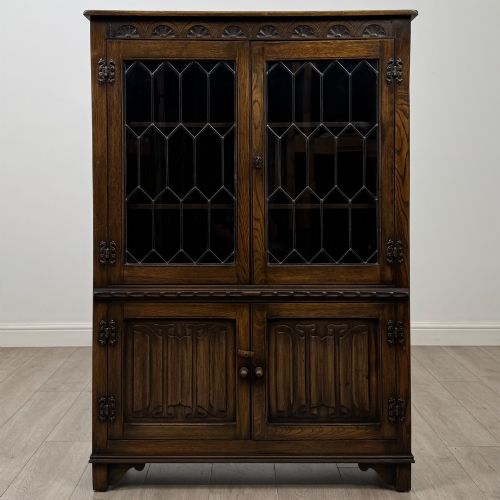
Cabinetmakers constructed these pieces primarily using solid oak timber, frequently accented with brass hinges, iron drawer pulls and occasionally glass door panels or marble inserts.
Joinery techniques ranged from traditional pegged mortise and tenon frames in early Georgian examples to tambour tracks and carved linenfold panels during the Edwardian era.
Brown Oak Storage Cabinet Retail Price Guide 2026
Typical asking prices for brown oak storage cabinet among the pieces listed under this phrase on Sellingantiques today, from the lower quarter to the upper quarter. They describe what is for sale here now, not the wider market.
Several vintage cupboards retain the faint, lingering aroma of beeswax and old linen stored inside them for over a century.
Craftsmanship and timber selection
Quality separates ordinary utility pieces from exceptional items through the choice of timber figure, such as burr oak or richly grained brown oak, and the crispness of hand-carved ornamentation.
Structural integrity, original hardware fittings, and the survival of a well-maintained surface polish determine the enduring standing of each individual storage unit.
Peter Waals·Gomme
The Brown Oak Storage Cabinet Glossary
- Court cupboard
- A traditional English enclosed piece used for storing food and utensils, featuring recessed upper sections supported on pillars.
- Tambour front
- A flexible door constructed from narrow slats of oak glued to canvas backing, allowing it to slide smoothly around a curved track in filing or display cabinets.
- Linenfold
- A style of carved wooden panelling that resembles folded fabric, highly popular on Edwardian and revival cupboards.
Brown Oak Storage Cabinet: Frequently Asked Questions
How do I date an oak cupboard?
Examine the construction methods, tool marks on the interior boards, and the style of hinges and handles. Earlier pieces often display hand-sawn timber and pegged joints.
Hardware replacements are common, so interior secondary woods and overall proportions offer more reliable clues to the exact period.
Where should I place a corner cabinet?
These units fit directly into unused room angles, making them practical for dining rooms or hallways where floor space is limited. Wall-mounted versions require secure fixing into masonry or studs.
Ensure the door swing has adequate clearance from nearby furniture or architectural mouldings.
How do I maintain brown oak furniture?
Apply natural beeswax periodically to nourish the dry timber and maintain a soft lustre. Avoid placing wooden furniture near direct heat sources or strong sunlight.
Dust regularly with a soft cloth rather than using silicone-based sprays that build up residue over time.
What is a tambour cabinet used for?
Tambour cabinets serve as efficient storage units where sliding slatted doors save external floor space. They often function as office filing systems or compact cocktail bars.
The flexible track mechanism requires occasional gentle cleaning to ensure smooth operation of the wooden slats.