



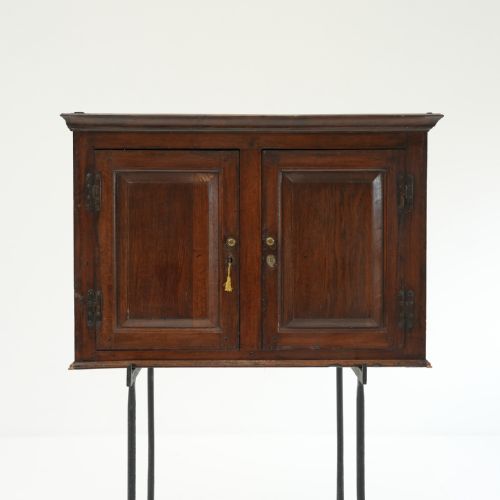


Brown Oak Spice Cabinet
A brown oak spice cabinet is a compact wooden wall piece designed to hold precious seasonings, offering rich timber grain and period character.
Brown Oak Spice Cabinet
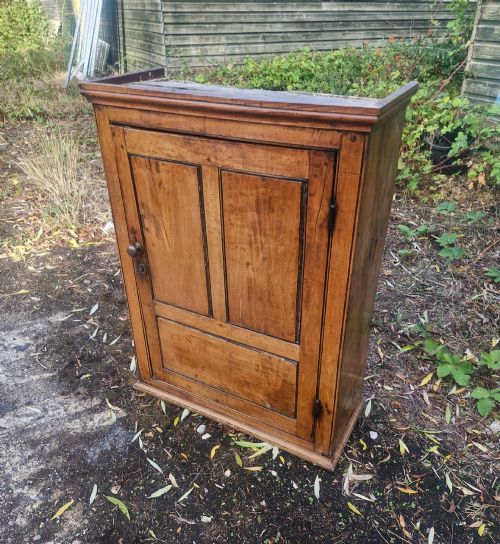
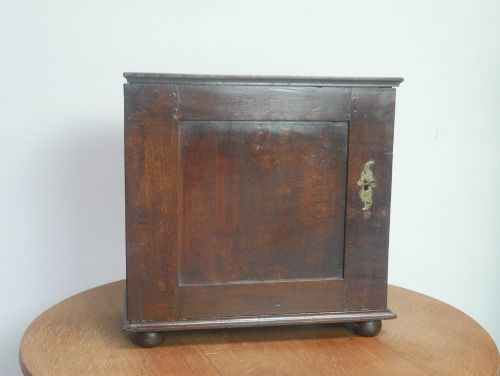
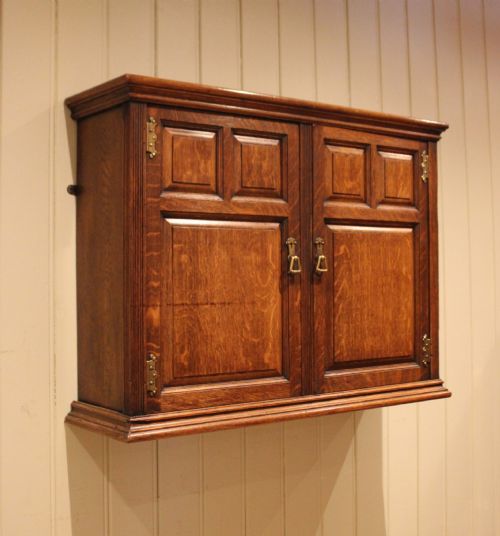
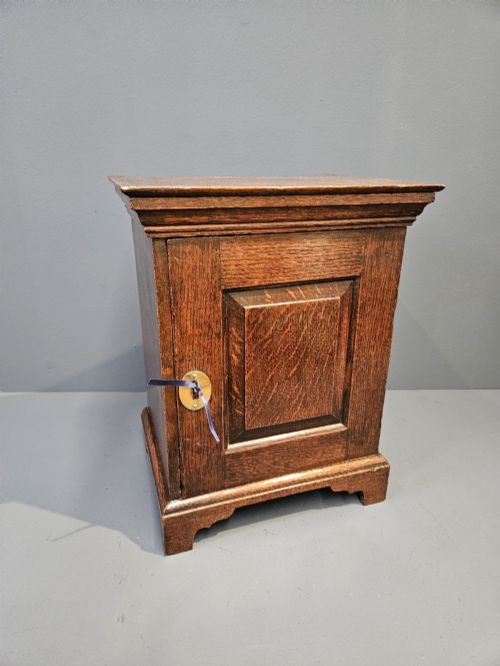
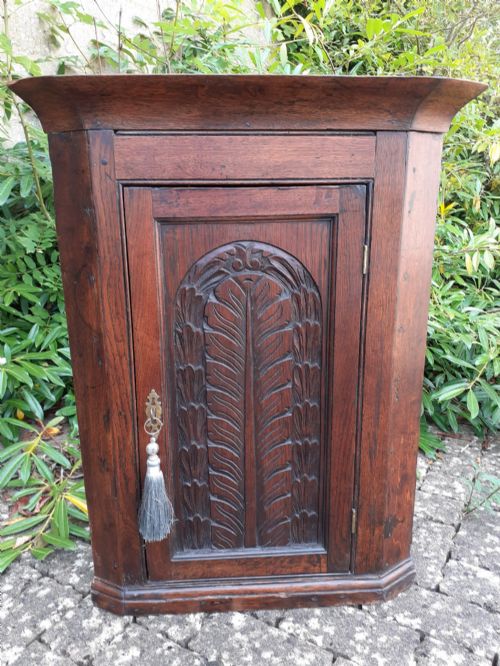
A brown oak spice cabinet takes the form of a small wall-hanging cupboard, corner cupboard, or tabletop miniature designed for domestic storage. These pieces date across several centuries, with examples spanning the seventeenth, eighteenth, and nineteenth periods.
Materials and construction methods
Carpenters utilised solid oak as the primary timber, occasionally combining it with secondary woods such as pine for internal elements. Metalwork components like brass, iron, wrought iron, and steel appear on hinges, latches, and escutcheons.
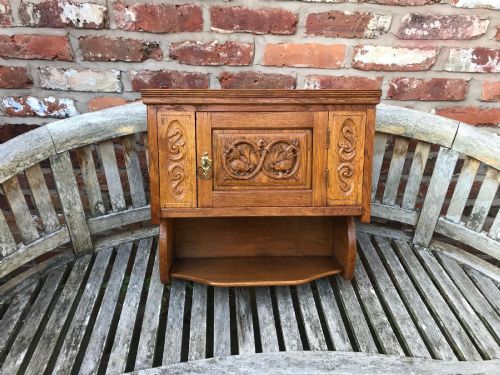
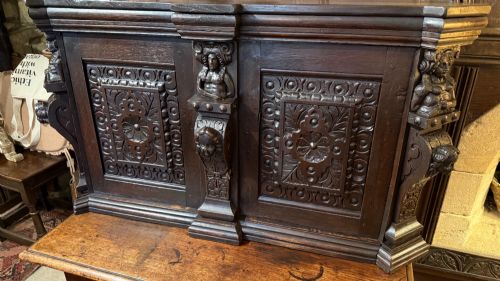
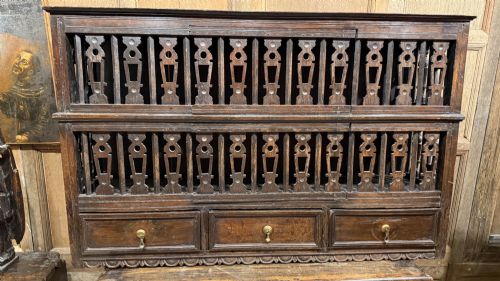
Joinery techniques ranged from provincial panel work to detailed carved ornamentation. Makers shaped hanging cupboards and spice boxes to mount securely on walls or sit upon tables.
Distinguishing quality in construction
Superior examples display crisp carving work and thoughtful proportions that reflect regional cabinet-making traditions. The choice of timber grain and the integration of original brass or iron hardware influence the character of the piece.
The integrity of the structural joinery and the preservation of historic surfaces separate standard utility items from finer workshop pieces. Estate-made or provincial variations show distinct handling by local makers.
The Brown Oak Spice Cabinet Glossary
- Spice cupboard
- A small wall-mounted or tabletop cabinet fitted with internal drawers or shelves designed for storing dry goods and seasonings. These compact pieces were essential in period domestic kitchens.
- Hanging cupboard
- A storage cabinet constructed with brackets or fixing points to mount directly onto a wall rather than stand on the floor. This format saved valuable room in smaller historical interiors.
- Vernacular furniture
- Objects made by local provincial craftsmen using regional traditions and readily available native materials rather than high-style metropolitan designs. Welsh vernacular pieces represent a strong strand of this work.
- Miniature furniture
- Small-scale cabinets or court cupboards created either as master pieces by apprentices or as decorative tabletop furnishings. They replicate the full-scale forms of larger domestic furniture.
Brown Oak Spice Cabinet: Frequently Asked Questions
Where were spice cabinets placed?
Cabinet makers designed these small cupboards to hang on walls or rest upon tabletops in domestic rooms. Their compact footprint allowed them to fit easily into kitchens or parlours.
In period homes, hanging them near hearths kept culinary ingredients accessible during food preparation.
How do I date a cupboard?
Dating relies on observing construction methods, timber selection, and stylistic details such as carving or panel design. Seventeenth and eighteenth-century pieces often display hand- split panels and forged iron hardware.
Later Victorian and provincial examples introduce different moulding profiles and secondary woods like pine alongside the primary oak.
What is brown oak?
Brown oak refers to timber coloured by a natural fungal process that deepens the heartwood into rich, dark shades. Cabinet makers valued this wood for its distinctive grain patterns and warm tones.
Using this material gave small spice boxes and wall cupboards a striking visual depth.
Are these pieces strictly for spices?
While originally built to secure valuable spices, tea, and medical ingredients, these cabinets served various domestic storage needs. Their small drawers and shelves accommodated any small household valuables.
Today, collectors utilise them to display small collections or organise modern desktop items.