






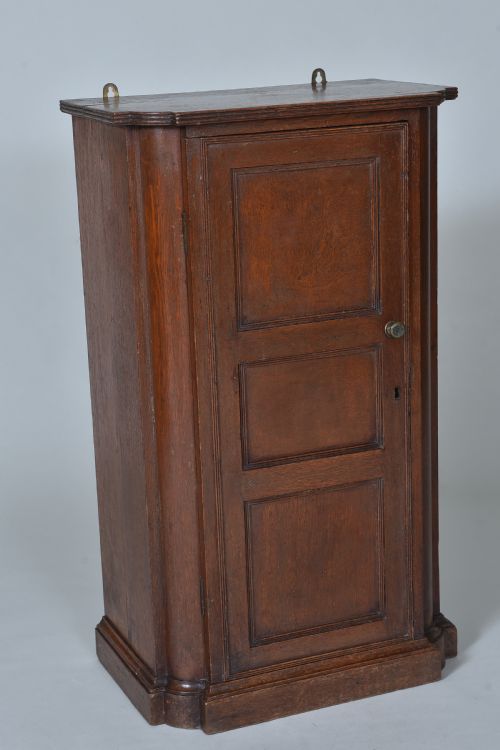

Antique Oak Medicine Cabinet
An antique oak medicine cabinet brings robust timber and quiet utility to a wall, holding small bottles and jars with enduring strength.
Antique Oak Medicine Cabinet
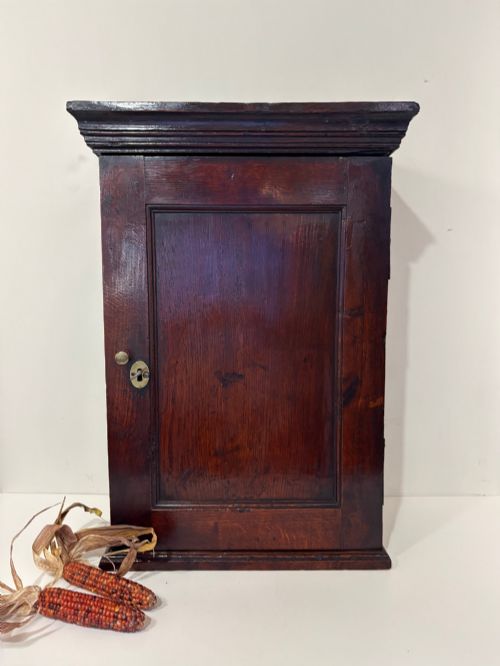
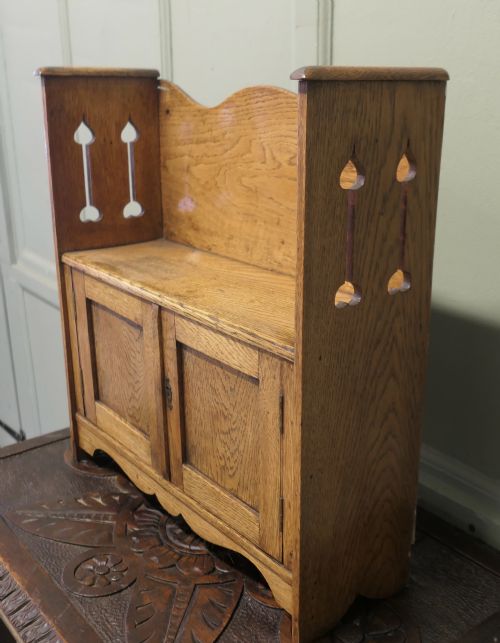
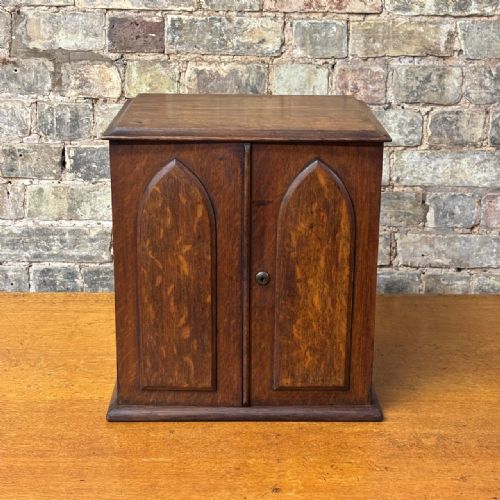
When you search for an antique oak medicine cabinet, you encounter sturdy wall cupboards, spice cupboards, and hanging food cupboards utilised for storage over centuries. The pieces on this page span the 18th century, 19th century, Georgian, and Victorian periods, alongside Arts and Crafts and Gothic Revival styles.
Most examples mount directly to the wall to save space, though table cabinets and counter top display cabinets also appear. Oak forms the primary structure of these items, often paired with brass, glass, iron, and ebonised wood.
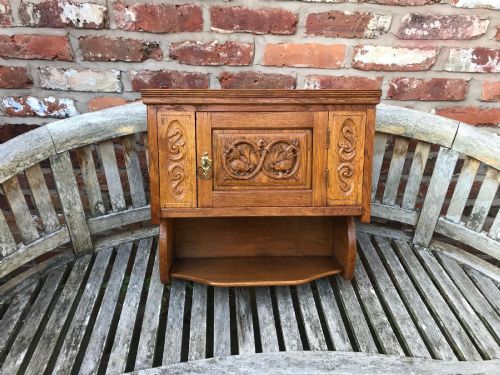
You are most likely to meet wall-hanging spice cupboards and carved wall cupboards originating from English and Welsh workshops. These utilitarian forms adapted easily over generations to hold medicinal bottles, herbs, and household provisions.
How they were made
Joiners built these cabinets using solid oak boards, frequently shaping them with pegged mortise and tenon joints to withstand daily use. Carved panels, Gothic panel doors, and raised mouldings added decorative depth to otherwise straightforward wall cupboards.
Hardware played an essential functional role, utilising brass hinges and iron latches secured directly to the timber. Glass panes appeared in doors where contents needed to be seen, while ebonised wood provided dark contrasting accents on specific Victorian and Aesthetic movement pieces.
Some tiny spice cupboards retain faint, lingering aromas of nutmeg and cloves embedded deep within their ancient oak pores.
What varies in quality
The distinction between ordinary utility items and finer examples rests upon the depth of the carving and the selection of the timber. Cabinets featuring detailed Gothic panels or crisply executed carvings demonstrate greater workshop skill than plain board construction.
Originality of hardware and glass greatly influences the character of the piece, as replaced hinges or modern panes alter the historic integrity. Furthermore, the proportion and balance of regional forms, such as Welsh spice cupboards, determine how successfully the cabinet sits upon a wall.
The Antique Oak Medicine Cabinet Glossary
- Spice cupboard
- A small wall-hanging or table cabinet traditionally used for storing spices, herbs, and valuable provisions. These early forms often feature small internal drawers behind a single panel door.
- Gothic Revival
- A design style drawing inspiration from medieval architecture, characterised by pointed arches and quatrefoil motifs. Cabinets in this style often utilise carved panel doors with religious or architectural echoes.
- Ebonised wood
- Timber treated with a dark chemical stain or finish to imitate ebony. This technique was favoured during the Victorian and Aesthetic periods to create sharp visual contrast against natural oak.
- Hanging corner cupboard
- A specialised storage piece designed to fit snugly into the corner of a room, maximising floor space. Georgian examples frequently feature shaped shelving and panelled doors.
Antique Oak Medicine Cabinet: Frequently Asked Questions
Where were these cabinets originally placed?
These cabinets hung in kitchens, hallways, and private rooms where small provisions or personal items required secure storage close at hand. Wall mounting kept contents away from damp floors and busy work surfaces.
Over time, owners adapted these sturdy cupboards for various household uses, including holding medical remedies and small bottles.
How do I mount a heavy oak cupboard safely?
Solid oak construction adds considerable weight to these small cabinets, requiring sturdy fixings secured directly into wall studs or masonry. Professional fixings rated for heavy timber loads ensure the wall can bear the strain.
Check that the internal backboards and hanging brackets remain structurally sound before committing the weight of the cabinet to a wall.
Are all these cabinets meant for medicines?
Many listings represent spice cupboards, food cupboards, and general wall cabinets rather than purpose-built pharmaceutical storage. Earlier centuries relied on multi-purpose timber cupboards for whatever small items needed containment.
Collectors often apply the term medicine cabinet broadly to any small, wall-mounted wooden cupboard from the Georgian or Victorian eras.
How do I distinguish 18th-century oak from Victorian oak?
Eighteenth-century pieces typically display deeper colour patination, hand-sawn board marks, and pegged joinery reflecting regional vernacular traditions. Victorian and later revival pieces often incorporate machine-cut elements, ebonised details, or heavier carved decoration.
Examining the backboards and interior construction reveals the working methods of the period in which the cabinet was built.