

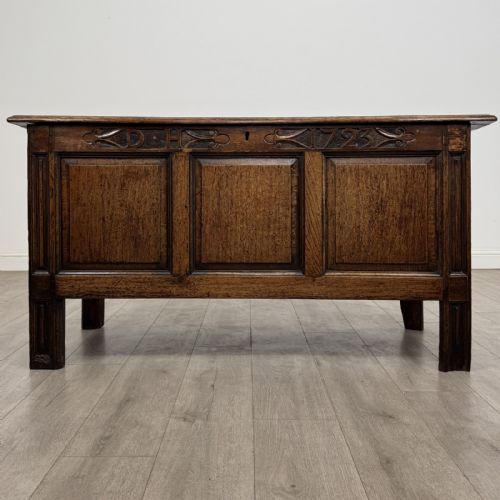
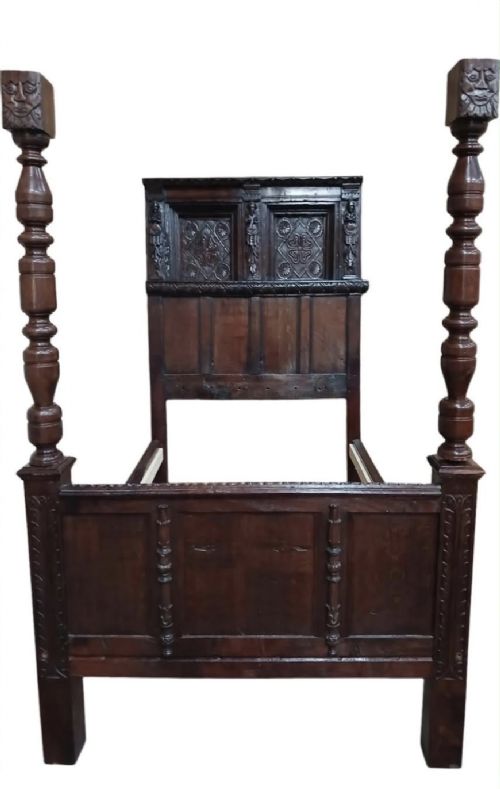
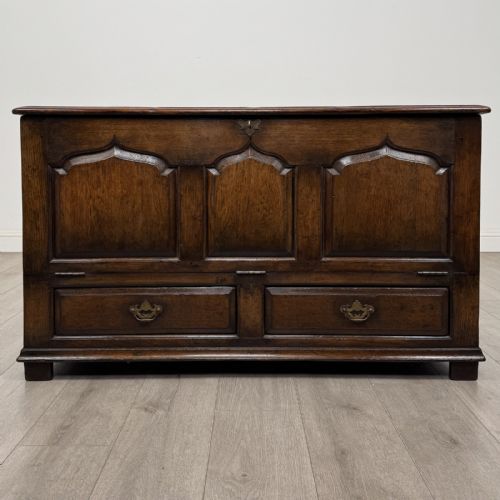
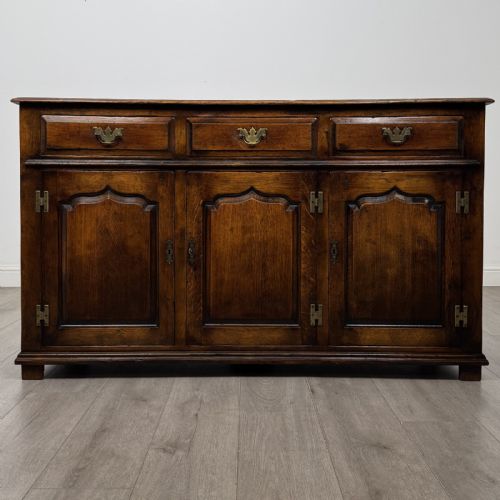
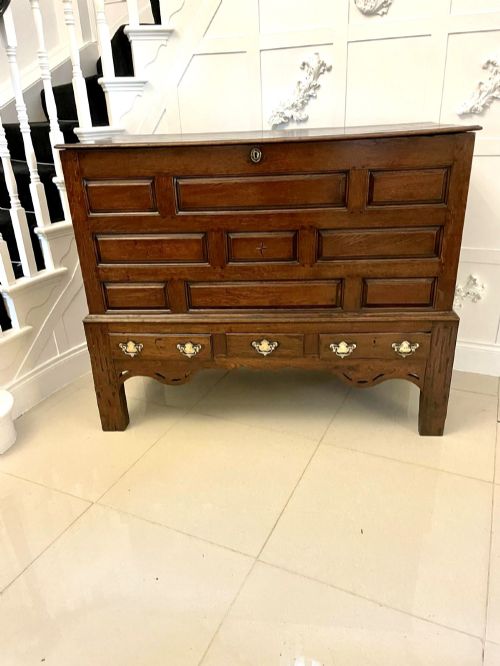
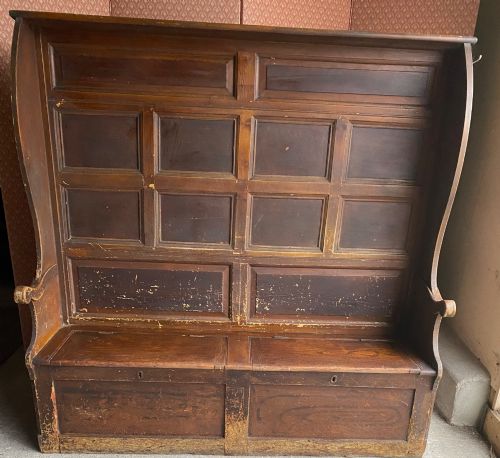
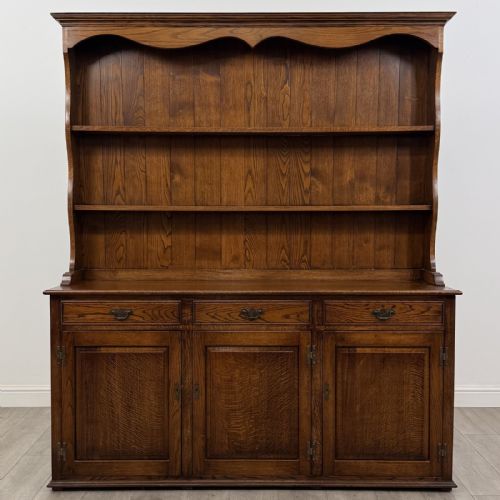
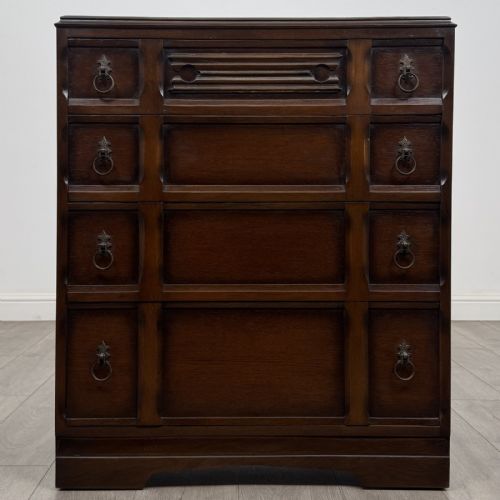
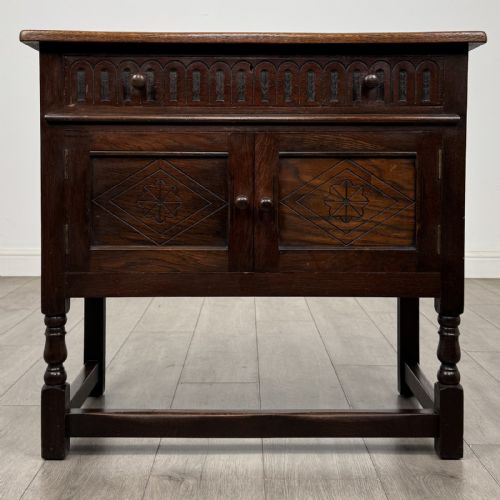
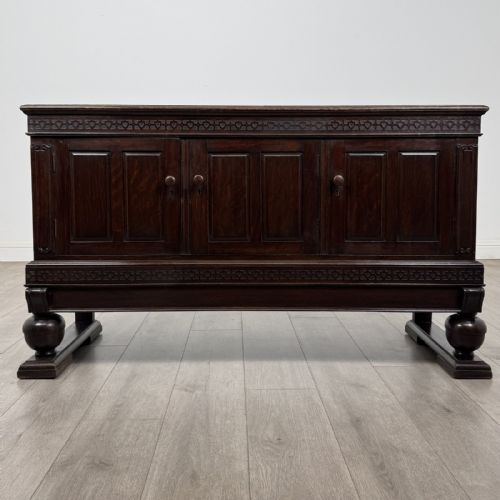
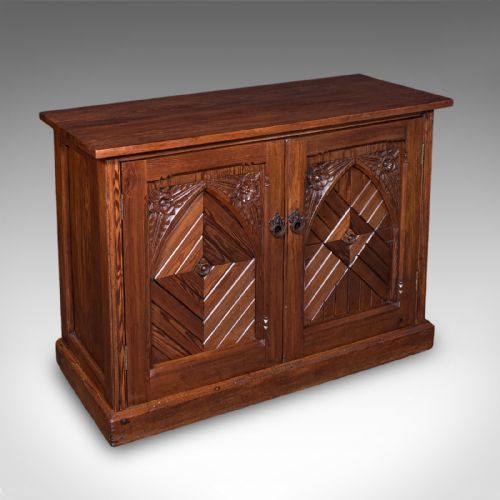

Brown Oak Panel
A brown oak panel brings deep tone and grain to a room, appearing in forms from architectural carvings to fitted doors.
Brown Oak Panel
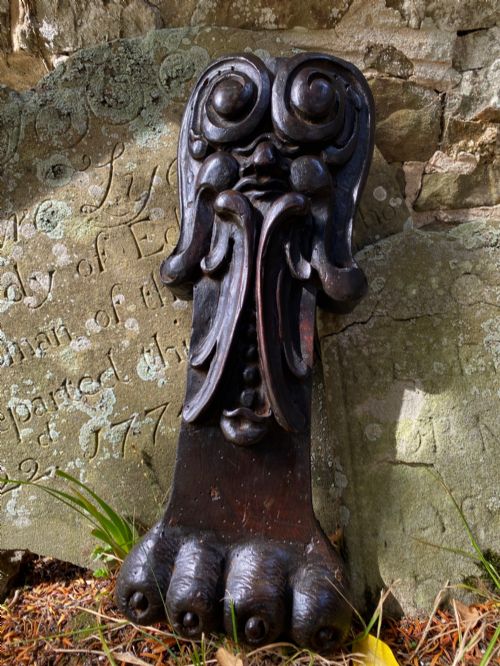
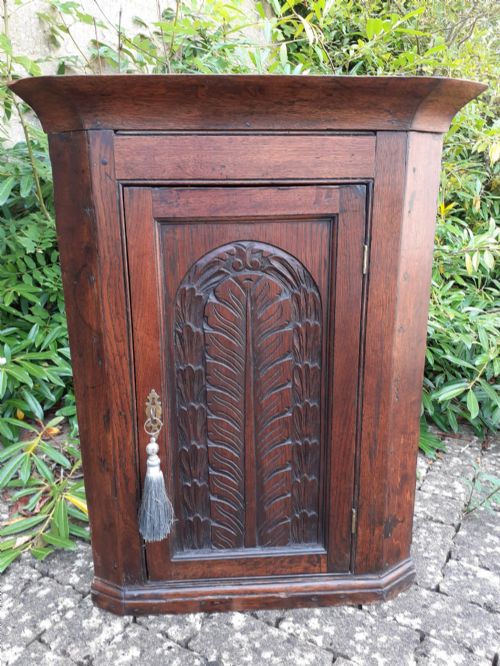
A brown oak panel search leads to architectural elements, individual carved sections, and fitted doors from periods spanning the sixteenth century to the twentieth.
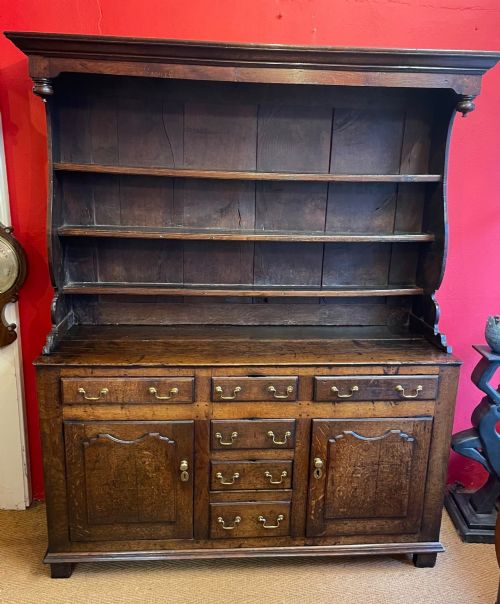
Buyers frequently encounter individual panels, paired doors, and larger structural sections integrated into cupboards, coffers, and dressers.
The materials recorded in these listings extend beyond oak to include pine, elm, brass, iron, and copper, reflecting centuries of cabinet making.
Evaluating Construction
Depth and crispness of hand carving separate standard production work from accomplished regional joinery, particularly on friezes and panels.
The integrity of the timber, the presence of original board backs or hinges, and the preservation of the natural dark surface dictate the standing of each piece.
Brown Oak Panel Retail Price Guide 2026
Typical asking prices for brown oak panel among the pieces listed under this phrase on Sellingantiques today, from the lower quarter to the upper quarter. They describe what is for sale here now, not the wider market.
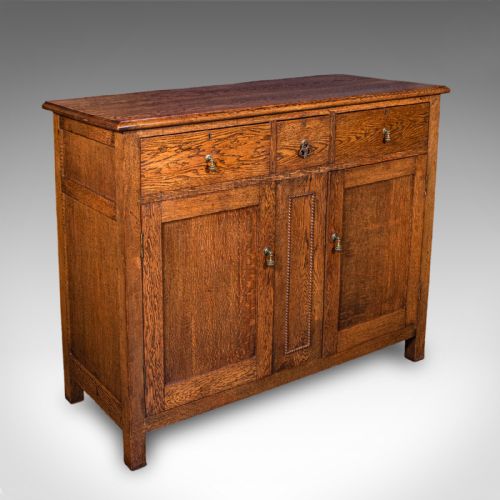
Current listings demonstrate brown oak panel forms ranging from sixteenth century linenfold carvings to twentieth century Edwardian cupboards.
Rushworth s·Mouseman
The Brown Oak Panel Glossary
- Linenfold
- A style of relief carving imitating folded linen, frequently seen on sixteenth and seventeenth century panels.
- Coffer
- A large solid chest used for storage, constructed with heavy timber frames and pegged joints.
- Mule chest
- A storage chest fitted with one or more drawers beneath the main compartment.
- Frieze
- The horizontal decorative band running along the upper section of a cabinet or panel.
- Tester bed
- A bed frame featuring a wooden canopy supported by four posts.
Brown Oak Panel: Frequently Asked Questions
What is a brown oak panel?
A brown oak panel is a flat section of timber, often decorated with carved motifs, sourced from oak trees affected by the fungus Fistulina hepatica, which imparts a rich brown colour.
These pieces originate from architectural installations, furniture doors, or wall panelling across various centuries.
How were old oak panels used?
Historic panels served as structural walls in timber framed buildings, decorative linings for rooms, or architectural components integrated into larger cabinets and dressers.
Joiners assembled them using floating tenons within grooved frames to allow the wood to expand and contract seasonally.
How do I date an oak panel?
Dating relies on tool marks, construction methods such as hand-pegged joints, and stylistic indicators like linenfold carving or Gothic tracery.
Analysis of the timber shrinkage and the oxidation of the oak surface also provide clear markers of age.
How do I clean antique oak?
Maintenance requires gentle dusting with a dry cloth and the occasional application of traditional beeswax to nourish the dry timber.
Harsh chemical cleaners and modern silicone polishes must be avoided to protect the historic surface finish.