





Brown Oak Lectern
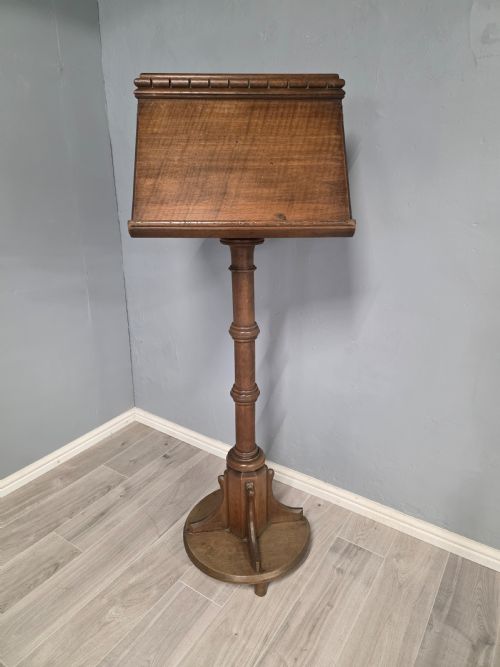
These brown oak lectern pieces bring ecclesiastical and scholarly presence to a room, offering sturdy wooden reading surfaces from periods spanning the eighteenth century to the early twentieth.
Brown Oak Lectern
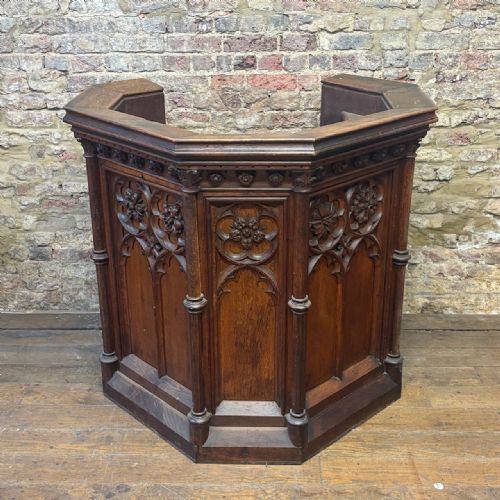
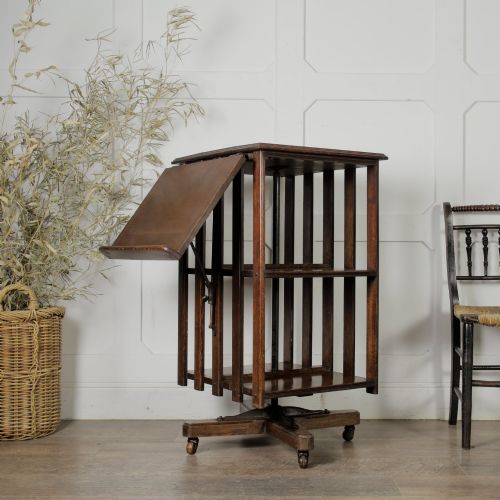
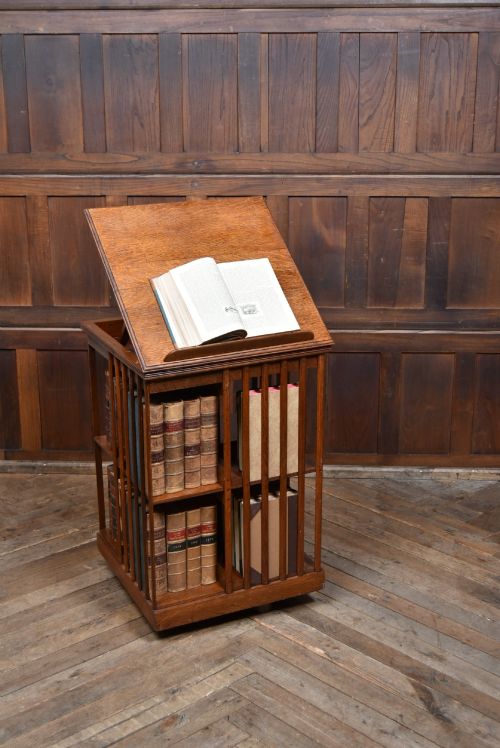
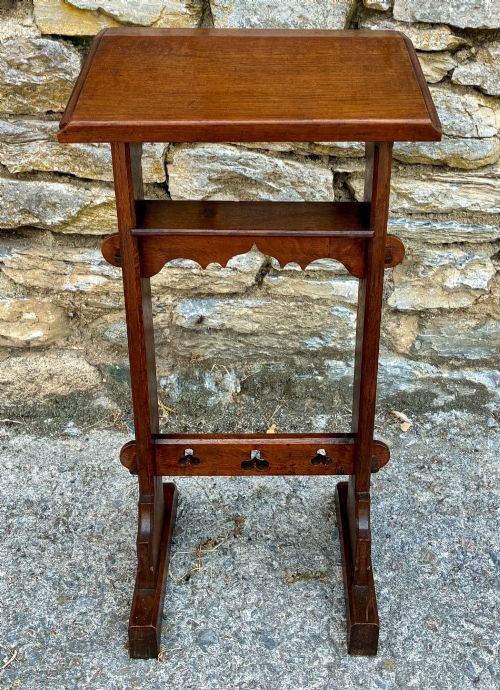
A brown oak lectern serves as a dedicated stand for reading books or holding music, appearing across periods from the eighteenth century through to the Edwardian era and the nineteen-twenties. Buyers searching this phrase encounter church pulpits, adjustable music stands, revolving bookcases, clerks desks, and traditional reading stands.
The materials span oak, mahogany, brass, and cast iron, often styled in Gothic Revival, Arts and Crafts, or George III aesthetics. Forms range from simple book stands to elaborate carved eagle lecterns depicting birds with outstretched wings.
Most items originate from British domestic or ecclesiastical settings, though continental examples such as Italian carved eagle pieces also appear. The selection balances functional office furniture with ornate devotional items.
Materials and Construction
Mechanical elements incorporate brass and cast iron, notably in adjustable music stands and reading desks. These metals provide the necessary tension and weight for movable components without compromising stability.
Listings feature oak as the primary timber, occasionally paired with brass and cast-iron hardware across nineteenth-century and Edwardian examples.
Assessing Quality and Execution
The standard of carving dictates the calibre of figurative pieces, separating spirited hand-chiseled feather work on eagle lecterns from mechanical or blunt detailing. Depth and undercut relief demonstrate the hand of a skilled artisan.
Engineering integrity in adjustable mechanisms and revolving joints defines the upper tier of utility stands. Smooth movement in cast-iron screws and brass fittings indicates superior original construction.
Carters of London
The Brown Oak Lectern Glossary
- Brown oak
- A naturally darkened timber featuring rich, warm tones often prized for its decorative grain. It occurs due to fungal interaction in the living tree.
- Gothic Revival
- An architectural and decorative style drawing on medieval forms, featuring pointed arches and heavy carving. It dominated much nineteenth-century ecclesiastical furniture.
- Arts and Crafts
- A design movement valuing traditional craftsmanship, simple forms, and visible construction methods. Pieces in this style often eschew excessive ornament in favour of honest materials.
- Clerks desk
- A sloping writing or reading surface designed for standing or high-stool use. These utilitarian pieces frequently include drawers and pigeonholes.
- Duet stand
- A music stand or lectern sized to hold two open scores simultaneously. They often feature adjustable heights and wide reading ledges.
Brown Oak Lectern: Frequently Asked Questions
How do I date a brown oak lectern?
Dating relies on stylistic clues, construction methods, and material choices rather than labels. Pieces often carry the hallmarks of specific periods like the Gothic Revival or Arts and Crafts movement.
Examining fixings, secondary timbers, and tool marks helps narrow the decade of manufacture. Comparing the item to known church furniture or office pieces from the same era provides further context.
Were these lecterns made for churches?
Many examples originated in ecclesiastical settings, such as the carved pulpits and eagle lecterns designed for reading scripture. These devotional pieces often display heavier religious iconography and larger proportions.
Other items served secular purposes in libraries, schools, or offices as music stands, reception desks, and revolving bookcases. Domestic reading stands were equally common for private studies.
How do I care for brown oak furniture?
Maintenance involves keeping the timber away from direct heat sources and sudden humidity changes to prevent splitting. Regular dusting with a soft, dry cloth preserves the finish.
Occasional application of high-quality beeswax nourishes the oak and enhances its natural lustre. Avoid synthetic polishes containing silicone, which can penetrate the grain and damage the surface.