

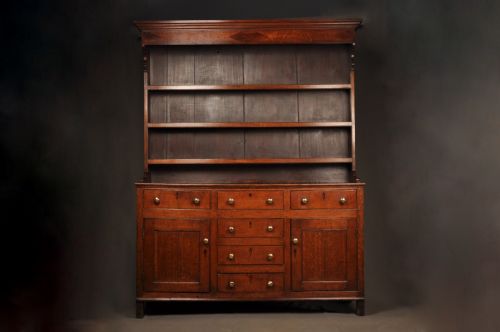

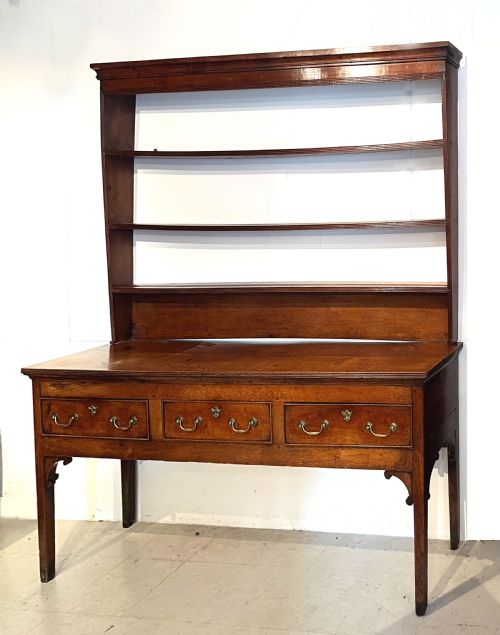
Brown Oak Dresser Rack
A brown oak dresser rack brings practical wall storage and traditional character to a kitchen, holding plates safely while displaying historic timber.
Brown Oak Dresser Rack
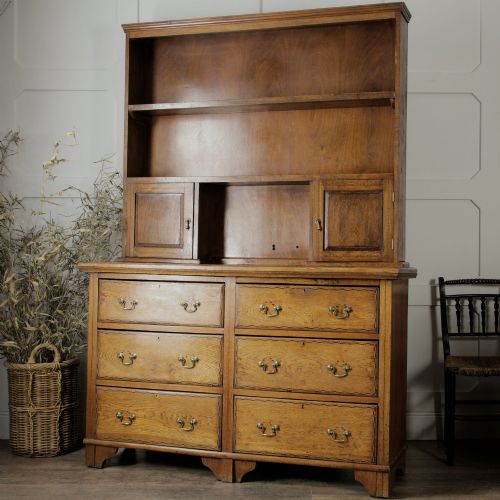
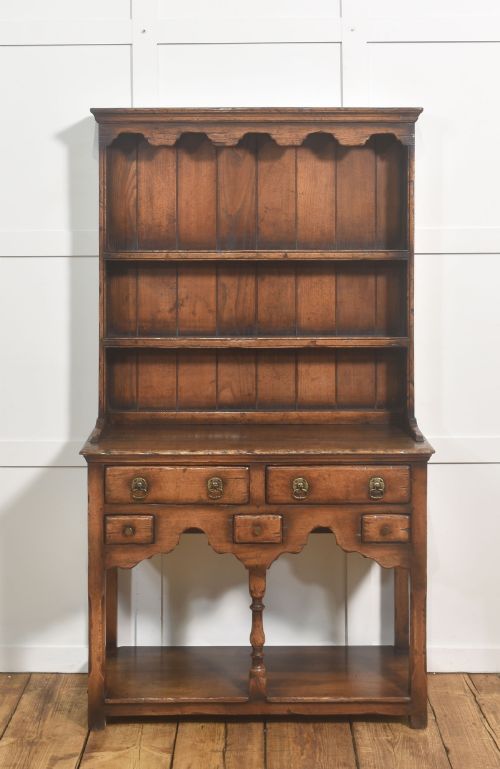
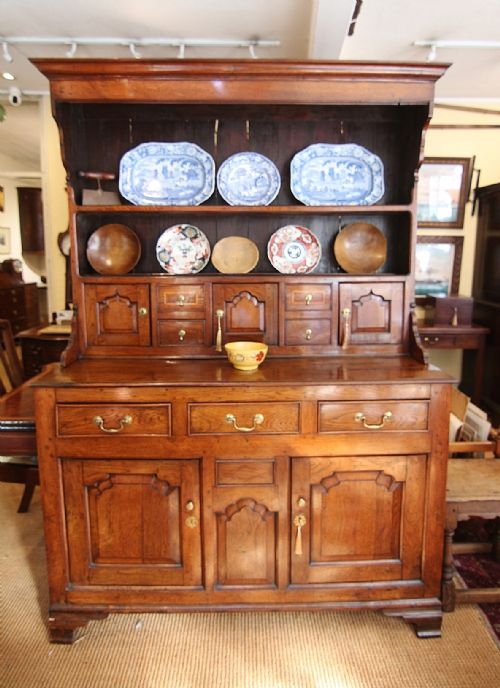
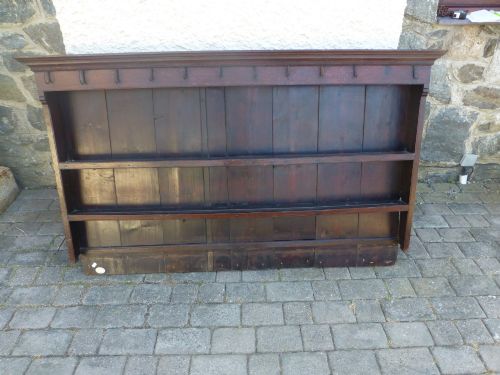
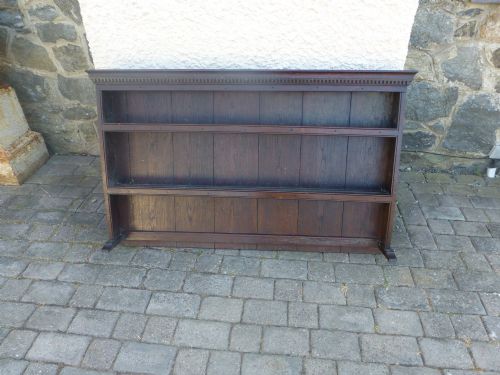
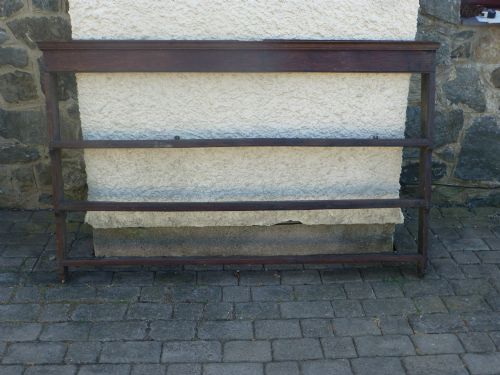
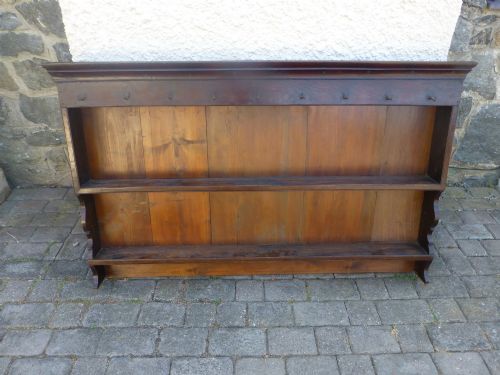
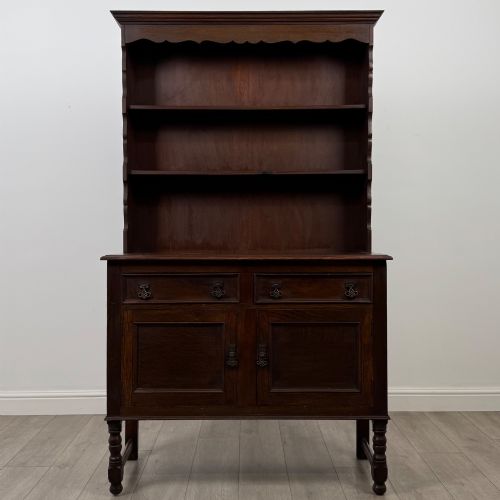
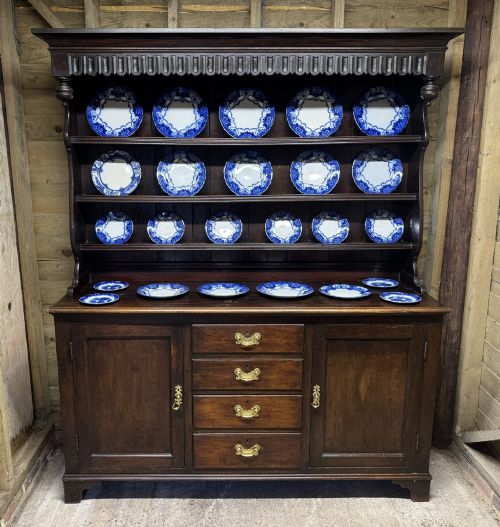
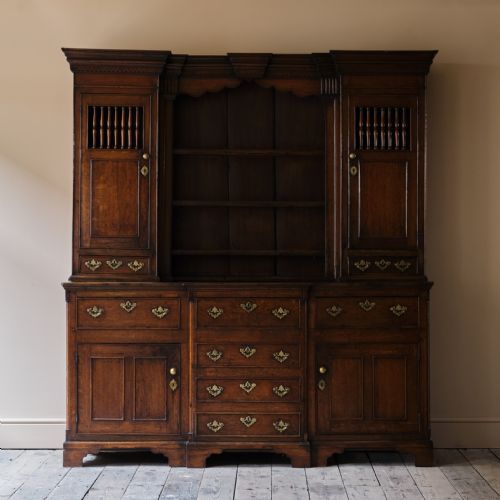
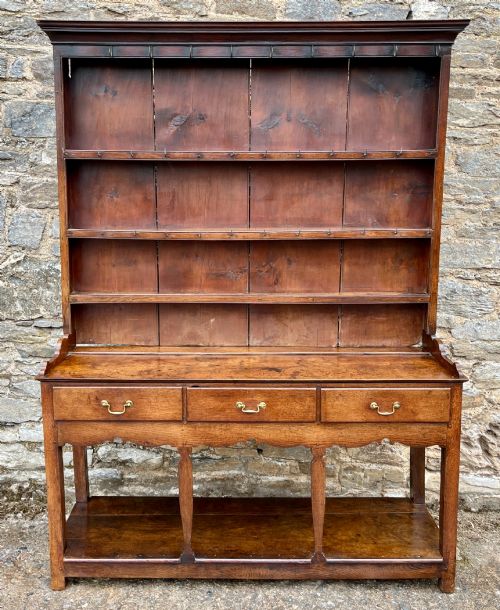
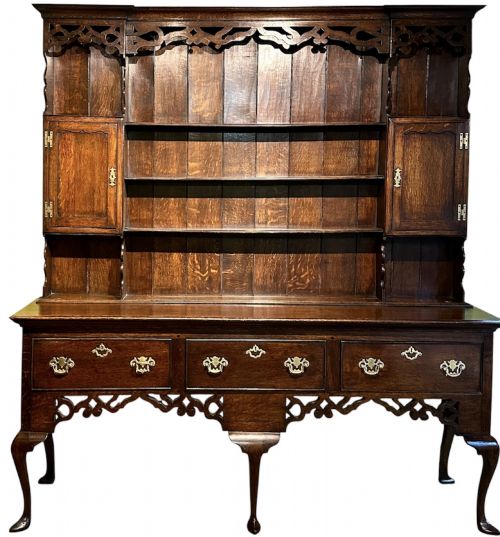
When you search for a brown oak dresser rack, you encounter open wall shelves and plate racks designed to sit atop kitchen dressers or mount directly to dining room walls. The pieces on this page span the eighteenth century, the Georgian era, and the nineteenth century, reflecting long traditions of regional vernacular cabinet-making.
You meet both integrated components salvaged from larger Welsh and English dressers and standalone wall-hanging shelves. The regional examples often show distinct local joinery traits, connecting them to historic workshops in areas such as Snowdonia and Shropshire.
Materials and construction methods
The makers relied primarily on solid oak, frequently augmented with secondary timbers like elm, pine, and mahogany for internal elements or backboards. Brass and iron fixings, including strap hinges and hanging brackets, provided structural reinforcement for heavy loaded shelves.
Joinery techniques combined pegged mortise and tenon frames with hand-planed boards fixed by traditional nails or wooden dowels. Surfaces developed rich patination through decades of exposure to kitchen smoke, wax polishing, and daily handling.
Listings feature oak, elm, pine, and mahogany constructions spanning Georgian and Edwardian vernacular styles.
Distinguishing quality and integrity
Quality rests primarily on the integrity of the timber and the preservation of original surfaces rather than mere decorative carving. Pieces retaining their original wall-mounting brackets, backboards, and natural wax patination command greater appreciation among collectors.
Proportion and structural balance separate superior examples from standard utility pieces, as does the subtlety of the moulded cornice and plate rails. Excessive modern intervention or replaced backboards diminish the historical coherence of an oak rack.
The Brown Oak Dresser Rack Glossary
- Plate rack
- A wall-mounted or superstructure shelving unit featuring grooved bases and horizontal rails designed to hold plates upright. This arrangement prevented crockery from sliding during daily use.
- Potboard
- A lower open shelf built into the base of a dresser rather than the rack itself. It provided storage for heavy pots and pans in traditional kitchens.
- Vernacular
- Objects made by local provincial cabinet-makers following regional traditions rather than strict London architectural patterns. These pieces display honest construction suited to local domestic needs.
- Breakfront
- A piece of furniture or shelving where the central section projects forward from the side wings. This architectural layout adds visual depth to larger wall units.
- Cornice
- The decorative moulded projection running along the top edge of a dresser rack. It crowns the structure and often reflects the specific period style.
Brown Oak Dresser Rack: Frequently Asked Questions
How do I hang a heavy oak rack safely?
These solid timber frames require direct fixing into structural wall studs or masonry using appropriate heavy-duty brackets. Distributing the weight across multiple fixing points ensures the wall can support both the oak frame and heavy ceramic plates.
Professional installation is strongly advised given the substantial weight of eighteenth- and nineteenth-century hardwood furniture. Checking the integrity of the original hanging points on the back edges prevents accidental detachment.
Were these racks always attached to dressers?
Many racks functioned as integrated upper sections for large kitchen dressers, while others were built specifically as independent wall shelves. Surviving examples often show evidence of separate mounting or long-term association with particular base units.
Kitchen configurations evolved according to household needs, meaning racks were frequently separated from their original base cabinets over centuries of use.
How should I clean historic oak timber?
Maintain the surface using a soft, lint-free cloth and traditional beeswax to nourish the dry wood without building up heavy chemical residues. Avoid modern silicone polishes that can permanently alter the historic patination developed over generations.
Keep wooden racks away from direct heat sources and dramatic humidity fluctuations to prevent the oak panels from splitting or warping.
What indicates an eighteenth-century date?
Early pieces display hand-sawn board marks, pegged joinery, and distinct regional construction traits typical of Georgian country workshops. The timber often exhibits deep, warm patination and minor wear patterns consistent with extended domestic service.
Nail types, backboard thickness, and fastener placements also help specialists align the rack with Georgian or provincial vernacular manufacturing periods.