
Brown Oak Cabinet Doors
Brown oak cabinet doors bring rich grain and deep colour to fitted storage, turning functional furniture into focal points.
Brown Oak Cabinet Doors
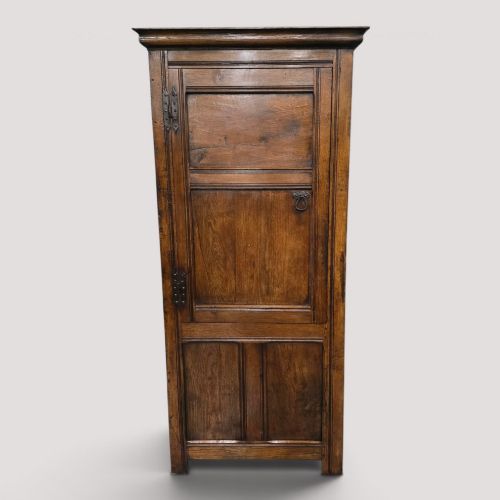
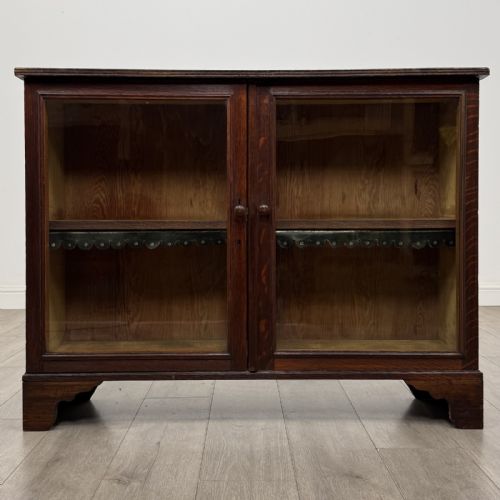
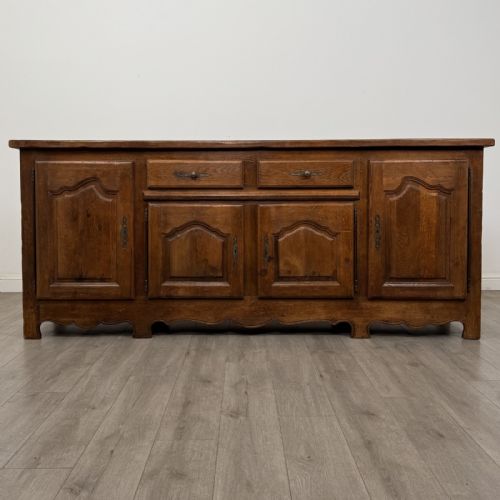
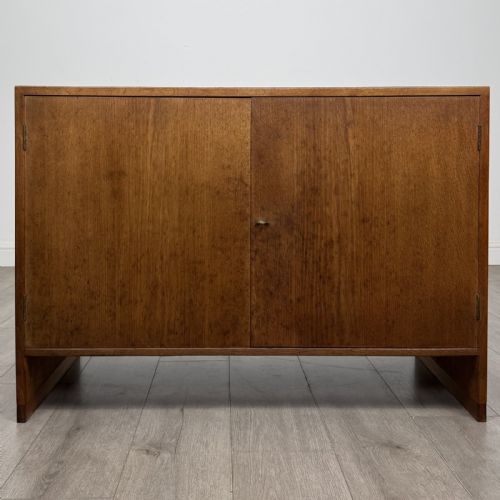
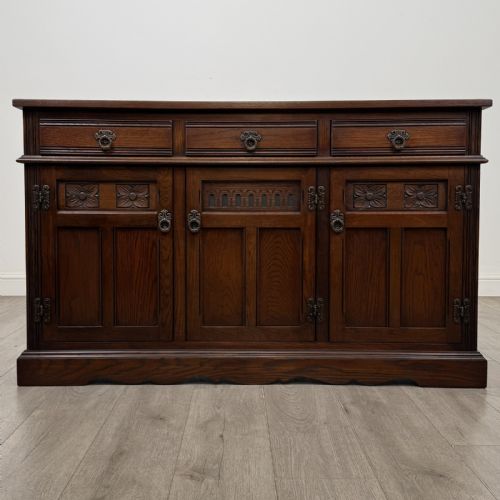
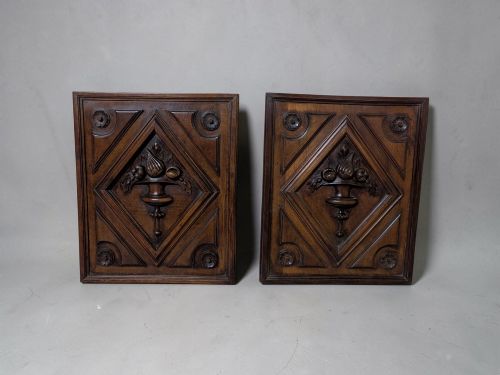
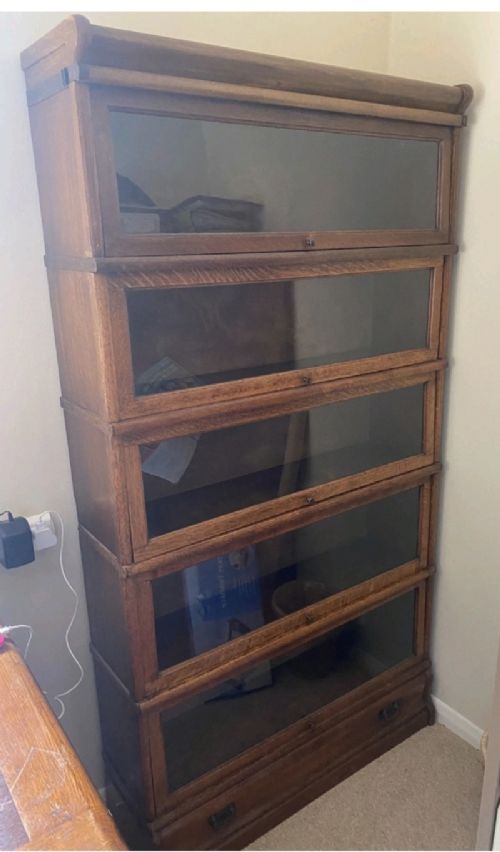
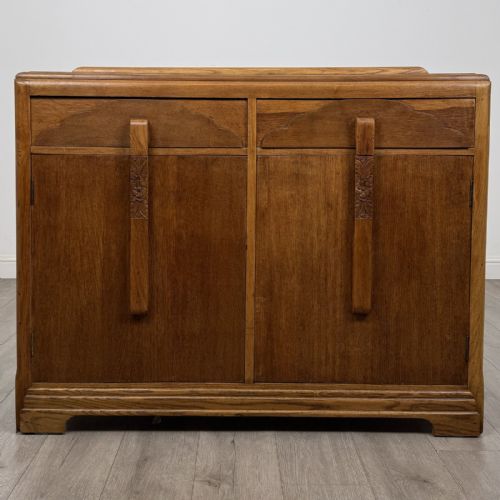
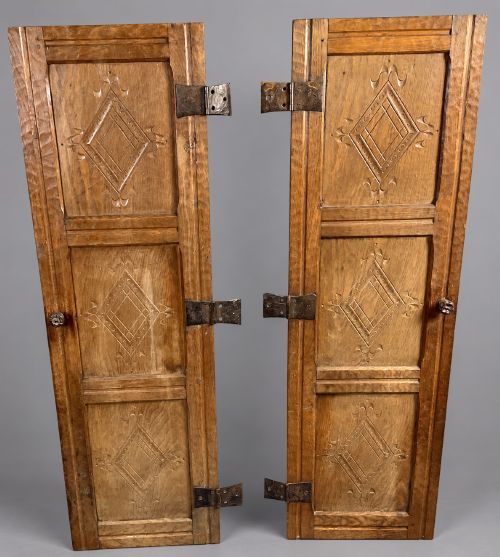
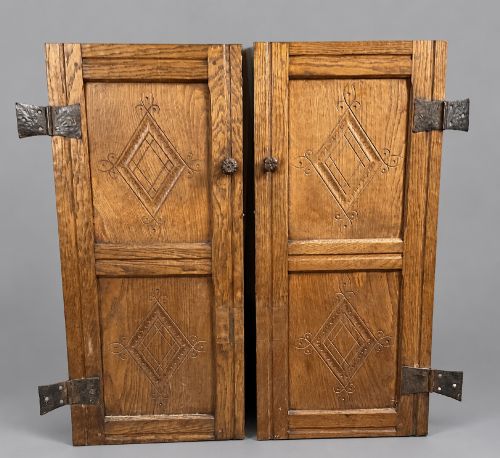
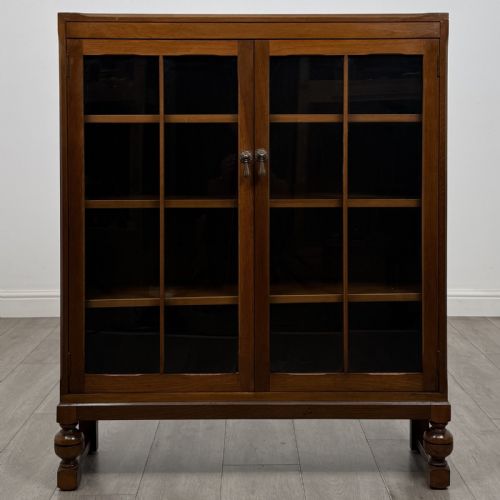
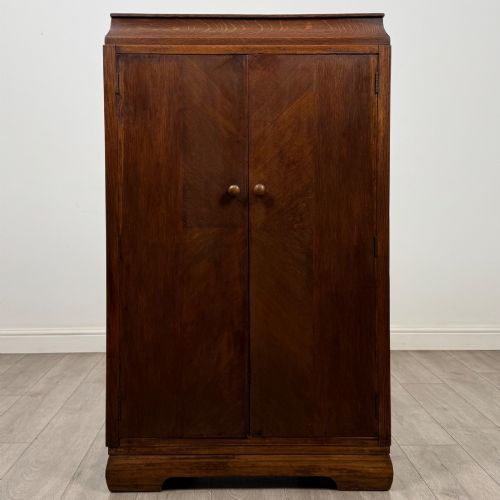
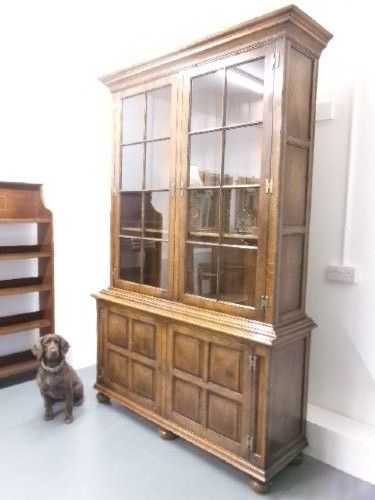
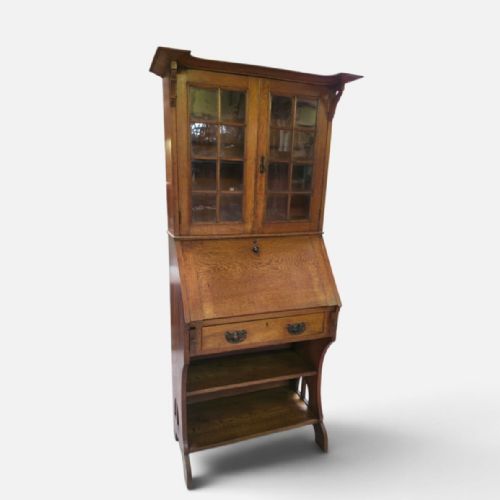
When you search for brown oak cabinet doors, you encounter architectural elements and fitted furniture frontages sourced from larger pieces such as bookcases, wardrobes, cupboards, and display cabinets. The examples recorded here span centuries of British and continental design, ranging from early Georgian spice cupboards to Edwardian display units and later Art Deco sideboards.
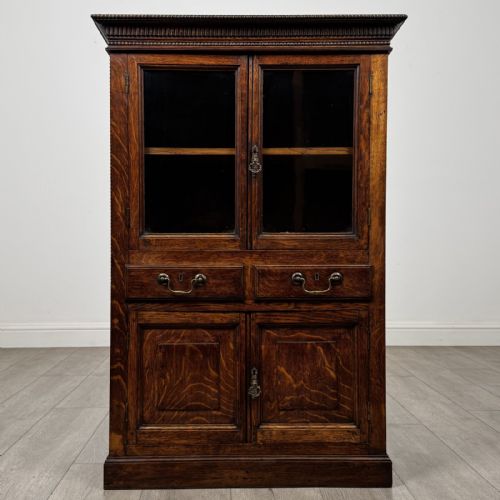
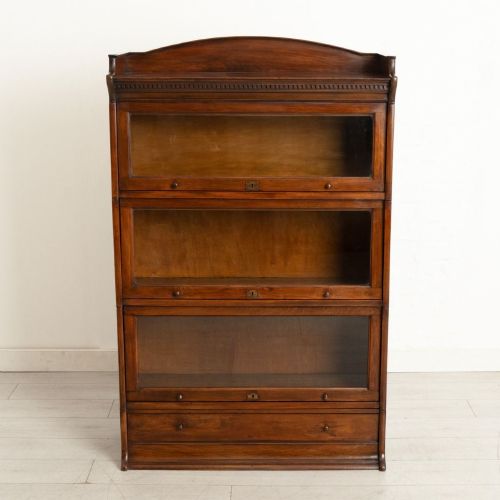
You meet a variety of configurations on this page, including glazed display frames, solid panelled enclosures, and leaded glass inserts. Timber tones shift from honeyed golden hues to deep chestnut patinas, frequently enhanced by specialised growths like pollard oak figuring.
The architectural context of these pieces reveals their origins in domestic settings, libraries, and schoolrooms. Workshops across the periods utilised sturdy framing joints to house panels of varying thickness, creating durable frontages meant for daily manipulation.
Materials and construction methods
Cabinet makers relied primarily on solid oak boards selected for prominent medullary rays and distinct growth rings, occasionally introducing contrasting ebony or mahogany details. Iron, brass, and wrought hardware such as hinges and handles were fitted directly to the timber framing.
Construction techniques typically involved traditional mortise and tenon joinery to maintain structural integrity across swinging panels and sliding frames. Glazed sections incorporated lead cames or timber muntins to secure glass panes within the wooden structure.
Listings feature oak material paired with brass, glass, iron, and lead across Victorian, Edwardian, and 1930s periods.
Assessing quality in cabinet frontages
The hierarchy of quality rests upon the selection of timber figures and the precision of the joinery. Superior examples display dense, lively brown oak grain patterns matched evenly across paired panels, whereas standard utility pieces show plainer, straight-sawn grain.
Execution of decorative carving and the integration of hardware differentiate workshop standards. Refined items feature hand-finished mouldings and tightly fitted brass or iron mountings, while simpler items rely on machine-cut profiles and basic hinges.
Crown Furniture·Peter Waals·Liberty
The Brown Oak Cabinet Doors Glossary
- Pollard oak
- Timber taken from trees that were pollarded, resulting in clustered growth rings and highly decorative burr patterns. This specialised material appears on select 19th-century cabinet work.
- Glazed door
- A timber frame fitted with transparent panes to display contents within a bookcase or cabinet. These panels often incorporate lead cames or wooden glazing bars.
- Raised gallery
- An architectural wooden upstand placed along the top edge of a sideboard, cabinet, or cupboard. It prevents items from sliding off the upper surface.
- Jacobean Revival
- A 19th and early 20th-century decorative style imitating 17th-century English furniture forms. Pieces in this manner feature heavy geometric mouldings and dark finishes.
- Lead came
- A slender channel of lead used to hold individual pieces of glass together in leaded windows and cabinet doors. This technique provides both structural support and decorative linear patterns.
Brown Oak Cabinet Doors: Frequently Asked Questions
What periods do these cabinet doors represent?
The listings span multiple centuries, beginning with 18th-century Georgian pieces and extending through Victorian, Edwardian, and 1920s eras.
Later examples include 1930s Art Deco and modernist workshop items, demonstrating shifting aesthetic preferences in brown oak furniture.
How were these doors used originally?
These elements served as protective and decorative frontages for domestic storage, enclosing books, clothing, and display items.
They functioned within larger bookcases, wardrobes, corner cupboards, and sideboards found in libraries, parlours, and schoolrooms.
How do I maintain brown oak timber?
Protect the wood from direct sunlight and dramatic humidity shifts to prevent the solid oak panels from warping or splitting.
Apply traditional wax polish occasionally to nourish the grain and preserve the deep natural colour without sealing the pores.