
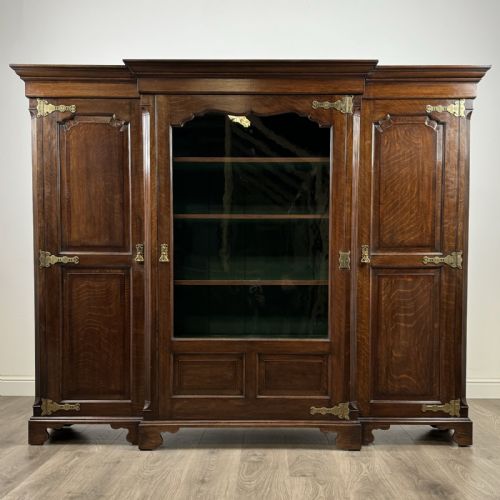
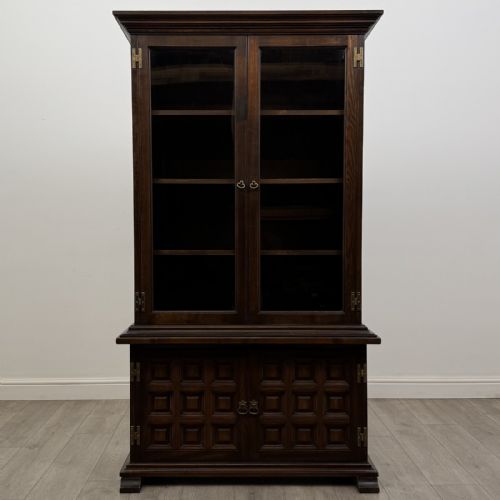
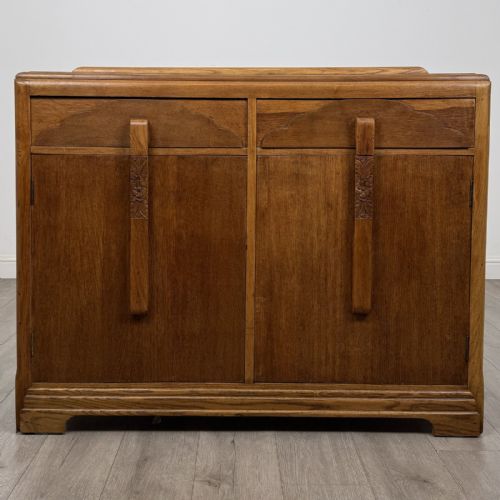
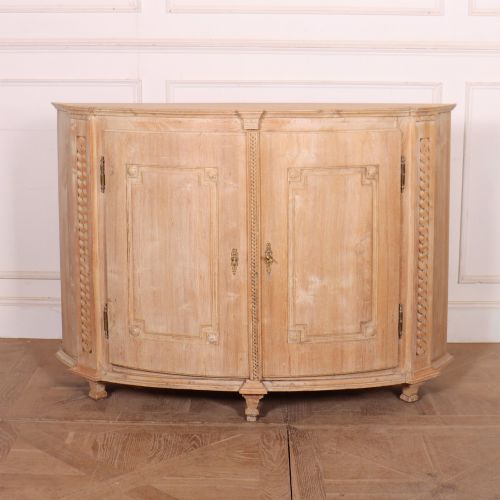
Antique Oak Cabinet Doors
These antique oak cabinet doors bring solid timber character and historical proportion straight to architectural salvage projects and interior refits.
Antique Oak Cabinet Doors
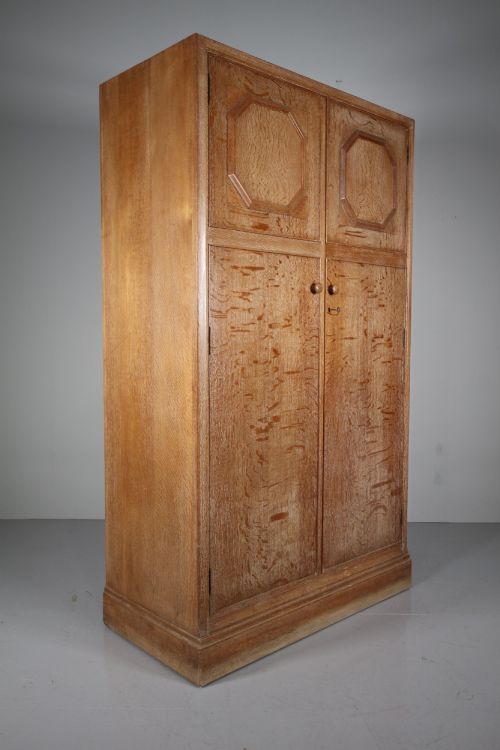
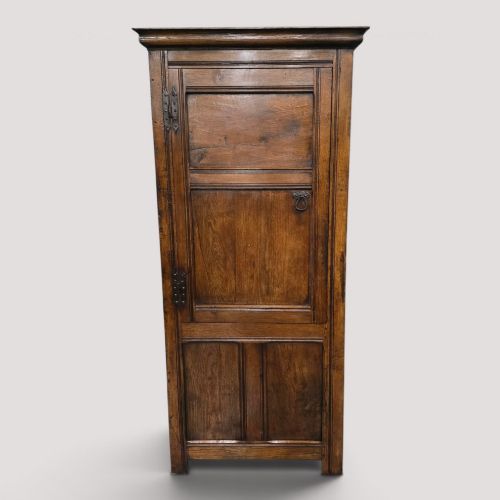
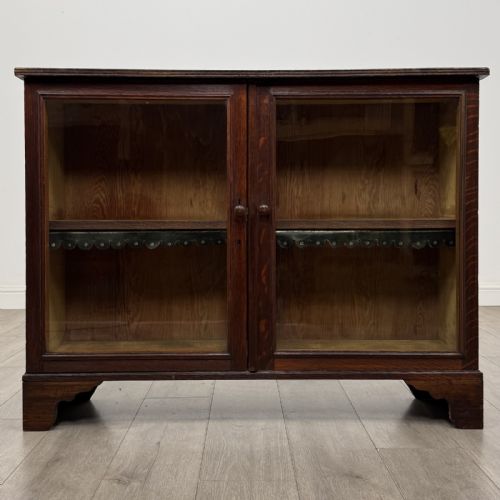
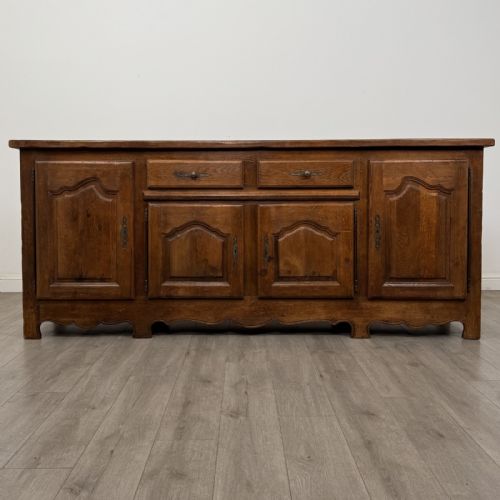
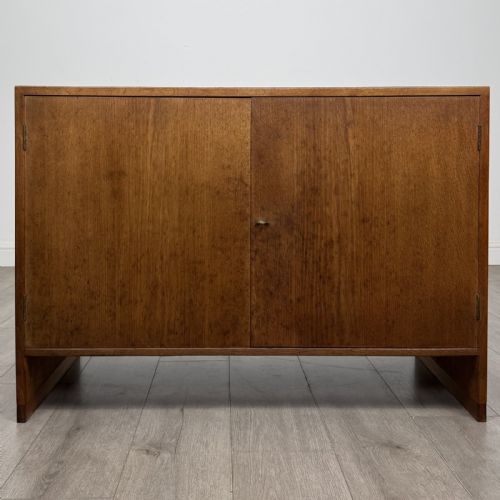
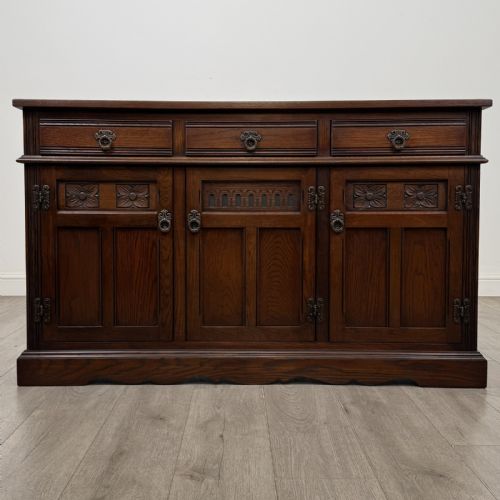
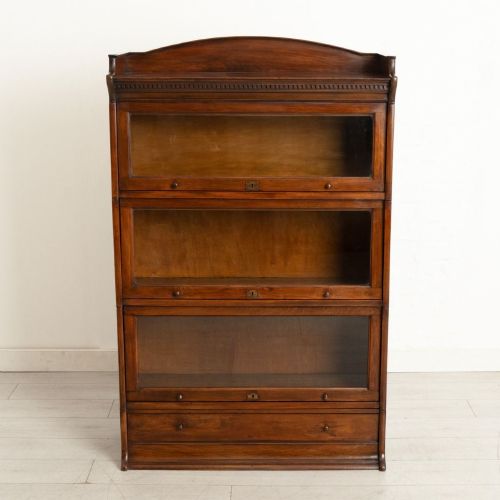
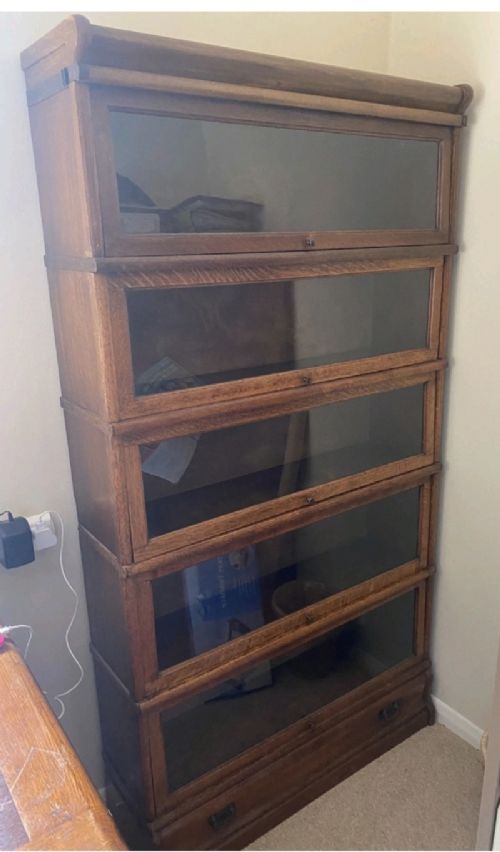
When buyers search for antique oak cabinet doors, they look for panels salvaged from period furniture or purpose-built architectural joinery spanning the Victorian, Edwardian, and early twentieth-century eras. The examples most commonly encountered on this page derive from larger pieces such as cupboards, display cabinets, bookcases, and wardrobes originating in the nineteenth and early twentieth centuries.
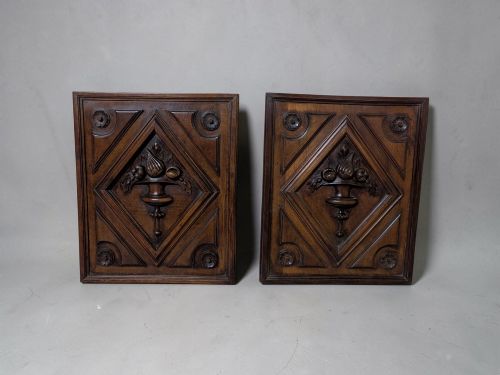
Many of these doors originate as pairs or single panels taken from sectional bookcases, sideboards, and wardrobes produced during revivalist periods like the Jacobean Revival or Arts and Crafts movement. Their utility lies in adaptation for modern fitted cabinetry, interior wall panelling, or bespoke architectural installations requiring authentic period timber.
How they were made
Makers constructed these panels using traditional joinery methods suited to heavy timbers, predominantly employing mortise and tenon frames to house solid oak panels or glazed inserts. This frame-and-panel construction accommodated the natural seasonal movement of timber without splitting.
Surface finishing relied on period techniques such as wax polish, shellac, or dark stain applied over grain-filled oak, sometimes accented with brass or iron hardware including hinges and handles.
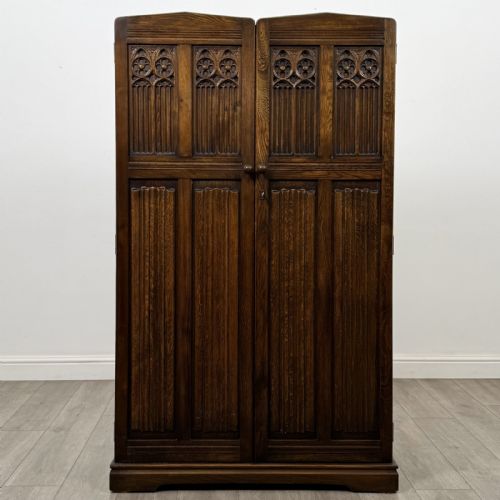
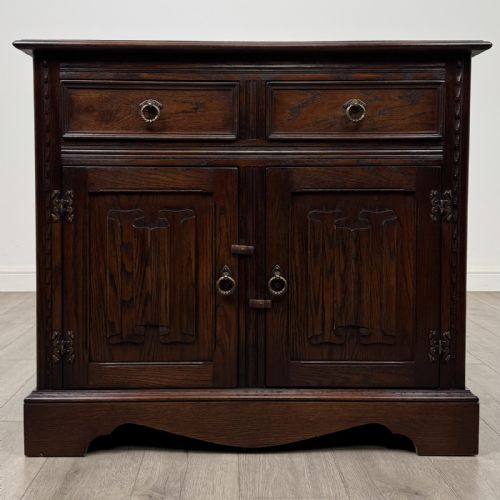
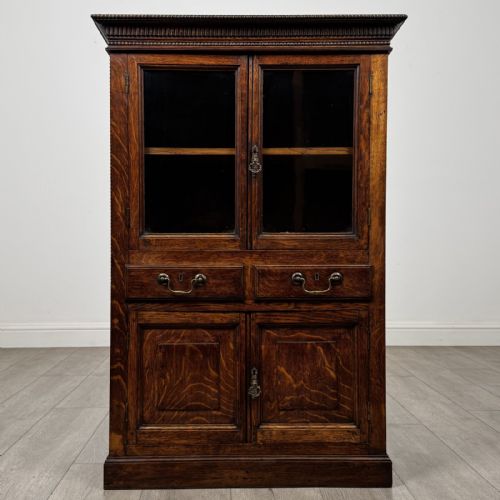
Glazed variations incorporated traditional glazing bars to hold leaded glass or clear panes, while decorative examples featured hand-carved relief panels or linenfold detailing executed by regional cabinetmakers.
Listings feature oak panels spanning the Victorian, Edwardian, and Art Deco periods, alongside specialised Arts and Crafts examples.
What varies in quality
The distinction between standard utility panels and finer examples rests upon the depth and crispness of hand-carved details, the selection of figured timber grain, and the integrity of the original joinery. Master craftsmen selected quartersawn oak exhibiting pronounced medullary rays, which yielded greater stability and a more decorative surface appearance than plain-sawn boards.
Hardware retention and metalwork quality further differentiate the selection, as original brass handles, decorative strap hinges, and leaded glass panes contribute significantly to historical authenticity and visual cohesion.
The degree of preservation in the wood structure, minimal warping in the stile-and-rail frames, and the retention of an unstripped period finish separate high-grade architectural elements from heavily altered or weathered salvage.
The Antique Oak Cabinet Doors Glossary
- Linenfold
- A style of wood carving used on panels to imitate folded linen fabric. It appears frequently on Tudor Revival and Edwardian cupboard doors.
- Leaded glass
- Small panes of glass held together by narrow strips of lead, often seen in Edwardian display cabinet and bookcase doors.
- Quartersawn
- Timber cut radially from the growth rings, producing a stable board with distinctive parallel flecks known as medullary rays.
- Stile
- The outer vertical member of a frame-and-panel door that provides structural rigidity and houses the hinges.
- Rail
- The horizontal framing member at the top, bottom, or middle of a panel door that connects the stiles.
Antique Oak Cabinet Doors: Frequently Asked Questions
Can I use old doors for modern kitchen cabinets?
These historical oak panels adapt well to modern kitchen refits when sized correctly for standard cabinet carcases.
Carpenters typically adjust frame dimensions or add matching timber lipping to integrate salvage elements into contemporary cabinetry layouts.
How do I identify the period of oak doors?
Dating relies upon examining construction marks, hinge types, handle hardware, and carving styles relative to known revival periods.
Victorian and Edwardian pieces often exhibit machine-assisted joinery alongside hand-finished details, while earlier Georgian items show entirely hand-tooled surfaces.
What is linenfold carving?
Linenfold is a decorative woodworking motif designed to resemble stiffened fabric folded over a panel.
Cabinetmakers utilised this technique heavily during the sixteenth century and again during nineteenth-century Gothic and Tudor revival movements.
Are leaded glass panels fragile?
Leaded panels require careful handling because the soft lead cames flexibility allows the glass segments to shift under pressure.
Mounting them securely within reinforced frames ensures they withstand daily use in display cabinets or architectural doors.