


Lozenge Carved Oak Panels
Lozenge carved oak panels bring tactile, geometric depth to historic furniture like coffers, chairs, and cupboards.
Lozenge Carved Oak Panels
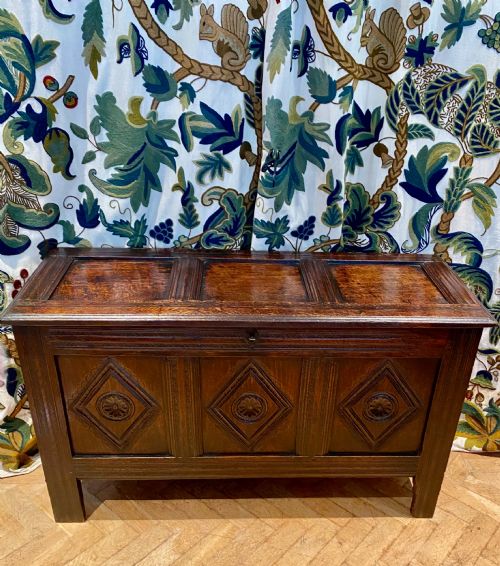
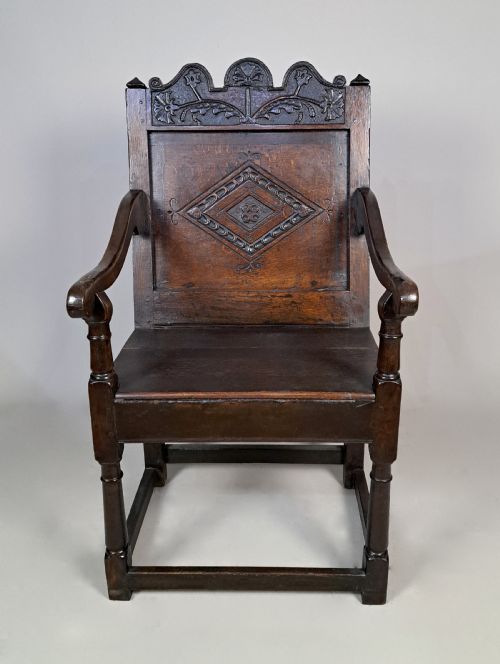
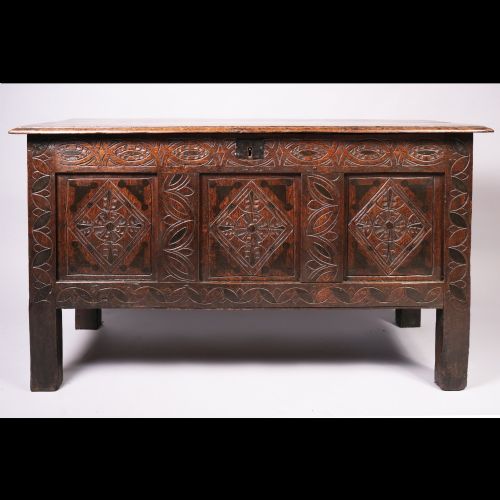
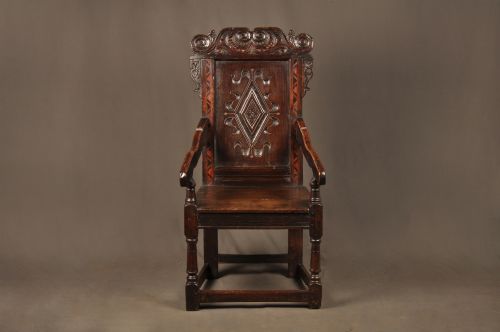
When you search for lozenge carved oak panels, you encounter timber components integrated into regional seating, storage chests, and architectural doors. These geometric motifs surface most frequently on seventeenth-century English coffers and wainscot chairs originating from Yorkshire and Dorset.
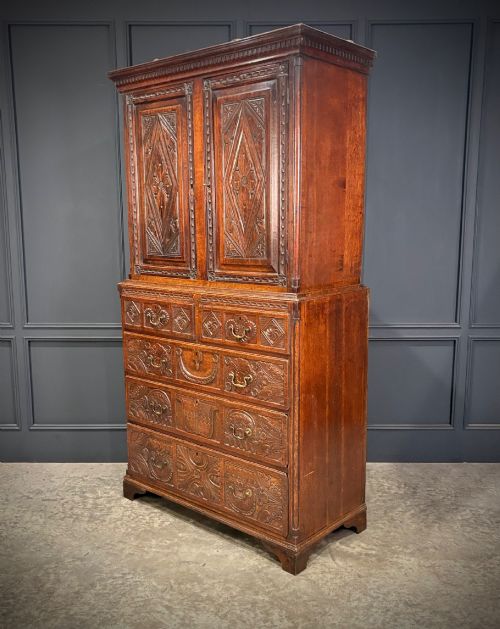
The inventory on this page spans several centuries, reaching back to sixteenth-century walnut and forward through Georgian cupboards to twentieth-century oak pieces. The seventeenth-century examples dominate, presenting the characteristic intersecting lines and diamond patterns associated with Jacobean and Renaissance joinery.
What varies in quality
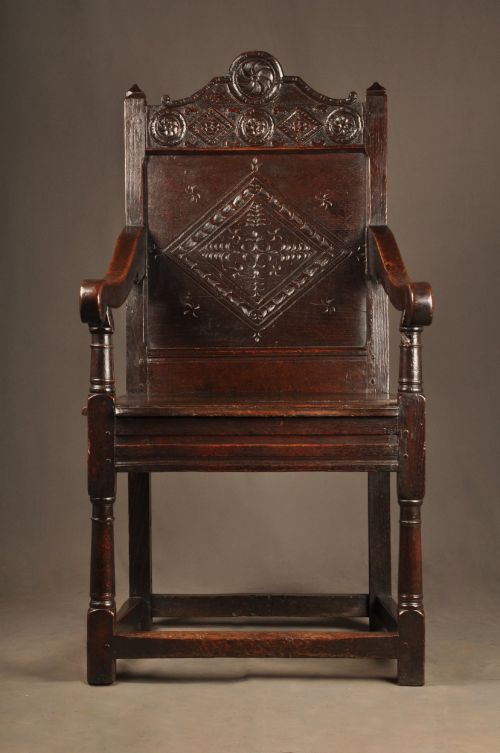
The crispness of the geometric chisel work and the depth of the relief carving distinguish finer panels from simpler work. Timber selection matters immensely, with straight-grained oak and rich natural grain patterns elevating the presence of a coffer or armchair.
Integrity of construction and the retention of original timber components heavily influence the character of each piece. Alterations, replaced panels, and heavy restoration separate pristine historic examples from heavily adapted survivors of later centuries.
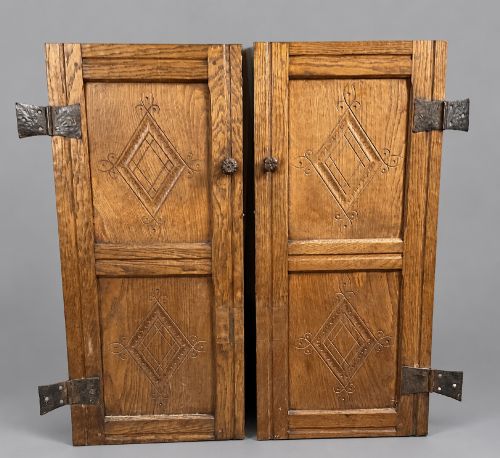
One twentieth-century oak door pairing on this page cheekily asks whether it might be the work of Mouseman.
The Lozenge Carved Oak Panels Glossary
- Lozenge
- A diamond-shaped geometric figure repeated across wooden panels in early furniture design. This motif forms the primary decorative focus of the items gathered here.
- Wainscot
- A heavy wooden armchair or panelled wall lining constructed by seventeenth-century joiners. These chairs frequently incorporate carved back panels featuring geometric designs.
- Coffer
- A large wooden storage chest secured with a hinged lid and heavy framing. They often feature multiple carved panels along the front elevation.
- Jacobean
- The stylistic period spanning the reign of King James I, characterised by robust oak furniture and geometric strapwork. Pieces from this era frequently display pronounced relief carving.
Lozenge Carved Oak Panels: Frequently Asked Questions
How old are these oak pieces?
The pieces listed here primarily date from the seventeenth century, with select examples extending into the sixteenth, eighteenth, and twentieth centuries. Seventeenth-century items reflect the regional traditions of English makers working in oak.
Later interpretations and revivals also appear alongside period originals, showing the enduring appeal of traditional geometric carving. Each piece reflects the material standards and construction methods of its specific era.
Where were these panels made?
These items originated in English workshops, with specific regional attributions pointing to counties such as Yorkshire and Dorset. Local joiners utilised native hardwoods like solid oak to construct functional furniture for domestic and institutional use.
Regional stylistic differences often help identify the specific provenance of chairs and coffers. The combination of local timber and traditional tools creates distinct local characteristics.
How do I care for historic oak furniture?
Historic oak furniture requires stable indoor humidity levels away from direct heat sources and strong sunlight. Maintaining a consistent environment prevents the dry timber and historic panels from splitting or warping.
Applying occasional natural wax helps nourish the dry wood surfaces and preserve the historic finish. Avoid modern chemical polishes that can degrade the aged patina of early timber.