


Golden Oak Cupboard Doors
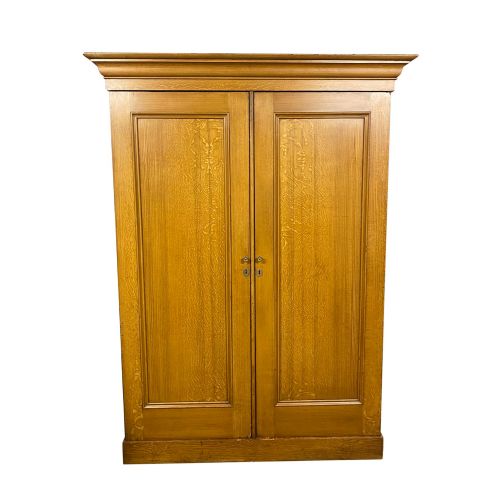
These golden oak cupboard doors and matching timber furniture bring warmth to a room through rich grain and honest construction.
Golden Oak Cupboard Doors
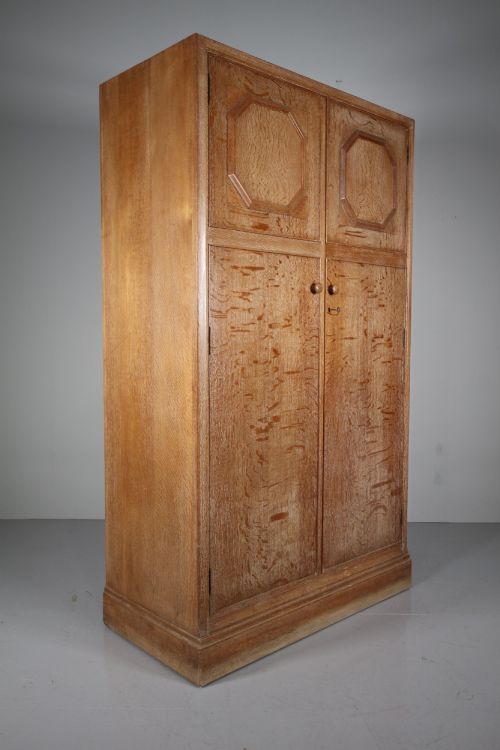
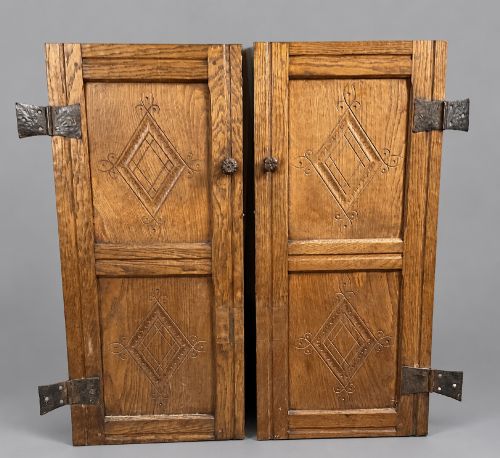
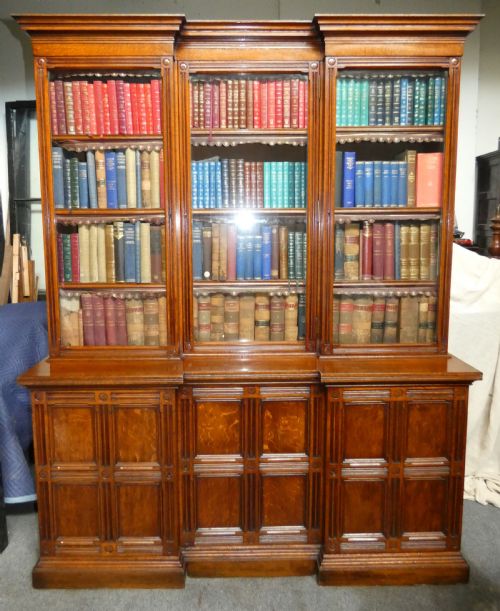
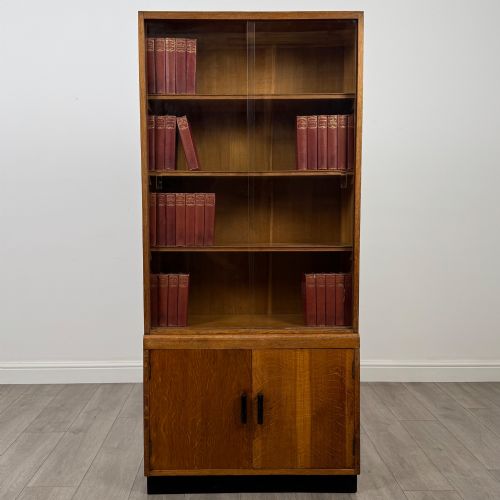
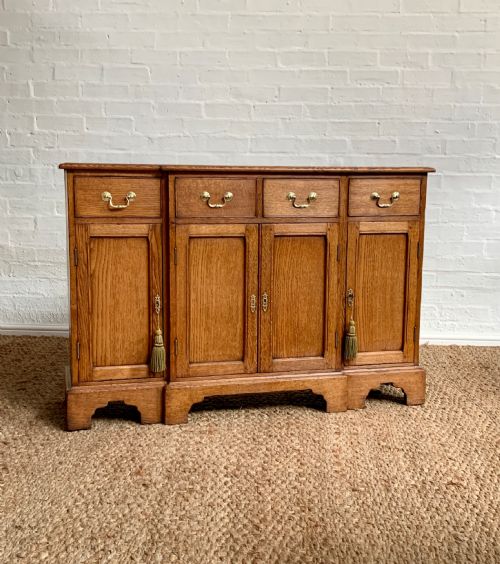
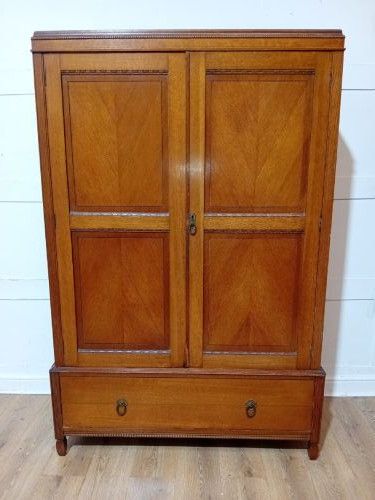
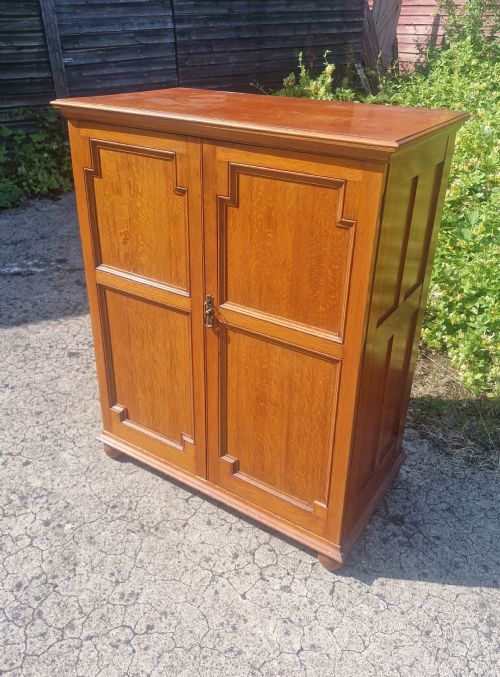
When you search for golden oak cupboard doors, you encounter architectural salvage and architectural elements taken from larger pieces like sideboards, wardrobes, and bookcases. The selection spans the Victorian and Edwardian periods, stretching from the late nineteenth century into the twentieth century, alongside earlier stylistic revivals.
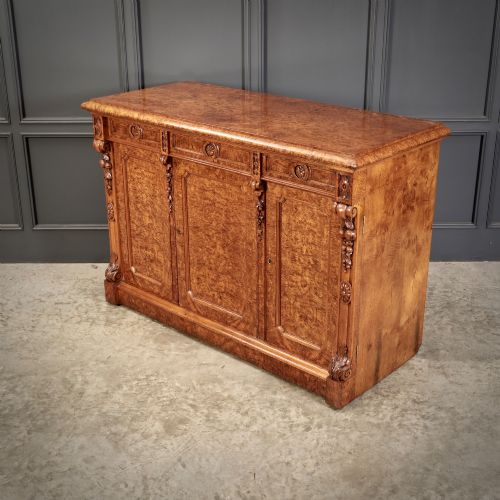
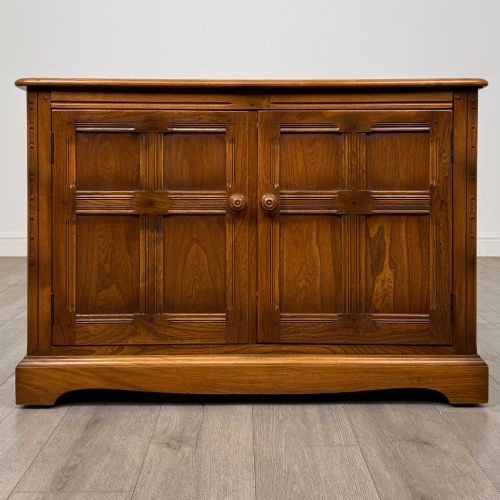
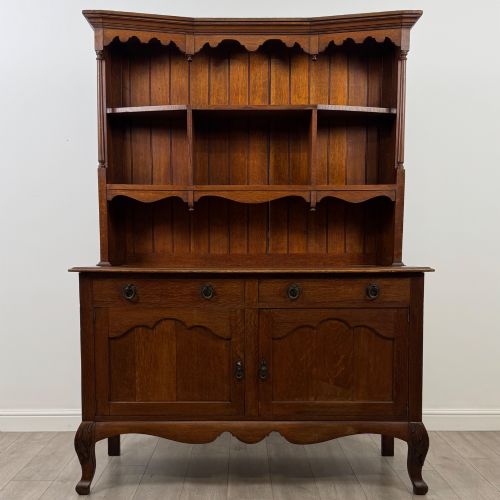
Most examples originate from larger functional furniture such as Edwardian sideboards, Victorian cupboards, and Arts and Crafts dressers. You frequently find individual doors or matched pairs salvaged from these larger forms, displaying the characteristic warm, honeyed tones of golden oak.
The objects take various structural forms, ranging from flat panels to gothic carved fronts and glazed display sections. Makers utilised solid timber and pollard oak variations, applying traditional joinery that survived decades of domestic use.
What varies in quality
The grade of timber selection marks the primary division in quality, with figured golden oak and pollard oak displaying superior grain patterns compared to plain utility stock. Timber preparation and seasoning determine whether a panel remains stable or succumbs to warping over time.
Joinery execution distinguishes standard workshop production from finer cabinet work, evident in tightly fitted joints and clean moulding profiles. Original hardware, such as cast brass handles and sturdy hinges, preserves the integrity of the piece better than later replacements.
One curious listing invites speculation on whether an anonymous oak door once belonged to the legendary workshop of Robert Thompson.
Harris Lebus·Heals
The Golden Oak Cupboard Doors Glossary
- Golden oak
- A bright, warm shade of oak timber popular during the late Victorian and Edwardian eras. It was often achieved through specific polishing methods that enhanced the natural honey tones of the wood.
- Pollard oak
- Timber taken from trees that were pollarded, creating a dense and highly figured grain pattern with clustered knots. Cabinet makers utilised this prized material for decorative veneers and feature panels.
- Scumble paint
- A decorative surface finish where translucent paint is manipulated with combs or rags to imitate the grain of more expensive woods like oak. This technique was common on utilitarian nineteenth-century furniture.
- Mortise and tenon
- A traditional woodworking joint where a projecting tongue fits snugly into a corresponding cavity. This method provides robust structural integrity for cupboard doors and furniture frames.
- Arts and Crafts
- A design movement valuing handcraftsmanship, simple forms, and honest materials over mass production. Pieces from this style often feature minimal ornamentation that highlights the natural grain of the oak.
Golden Oak Cupboard Doors: Frequently Asked Questions
What are golden oak cupboard doors?
These items are architectural elements and salvaged doors removed from larger Victorian and Edwardian furniture such as sideboards, wardrobes, and cabinets. They display the distinctive warm, light brown tones characteristic of golden oak timber from the period.
Collectors and restorers source these individual doors for architectural projects, decorative wall mounting, or custom cabinet builds. Each piece retains the original construction methods and hardware of its parent furniture.
How do I date golden oak furniture?
Dating relies on examining construction techniques, hardware styles, and timber preparation methods visible on the piece. Edwardian examples often feature brighter finishes and lighter frames, while Victorian items tend to be heavier and darker.
Makers marks, stamped numbers, or labels can provide precise attribution to specific makers or workshops. Stylistic clues like Arts and Crafts carving motifs also help narrow down the decade of manufacture.
How should I care for golden oak timber?
Maintain the wood by applying traditional beeswax periodically to nourish the dry grain and protect the surface. Avoid placing the timber in direct sunlight or near heat sources that could cause the oak to split or warp.
Dust regularly with a soft, dry cloth rather than using chemical polishes that can build up a residue over time. Gentle care preserves the original patina developed over a century of domestic use.
Can I use salvaged cupboard doors functionally?
These doors adapt well to interior design projects, including pantry entryways, wall cupboards, and architectural room dividers. Ensure the weight of the solid oak is supported by appropriate hinges and framing.
Checking the moisture content and stability of the timber before installation prevents future movement. Professional fitting helps align salvaged panels within modern doorframes.
What is pollard oak?
Pollard oak comes from trees pruned near the trunk to encourage dense branch growth, resulting in a swirling knotty grain pattern. Cabinet makers valued this decorative wood for feature panels on high-end Victorian sideboards and wardrobes.
This distinct timber requires careful seasoning to prevent splitting across the complex grain structures. Its presence usually indicates a piece of superior quality craftsmanship.