

Brown Oak Bureau Desk
Brown oak bureau desk options bring together durable timber and practical writing compartments suited to period studies.
Brown Oak Bureau Desk
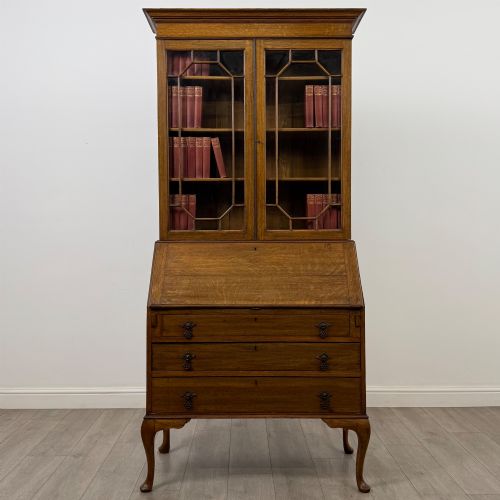
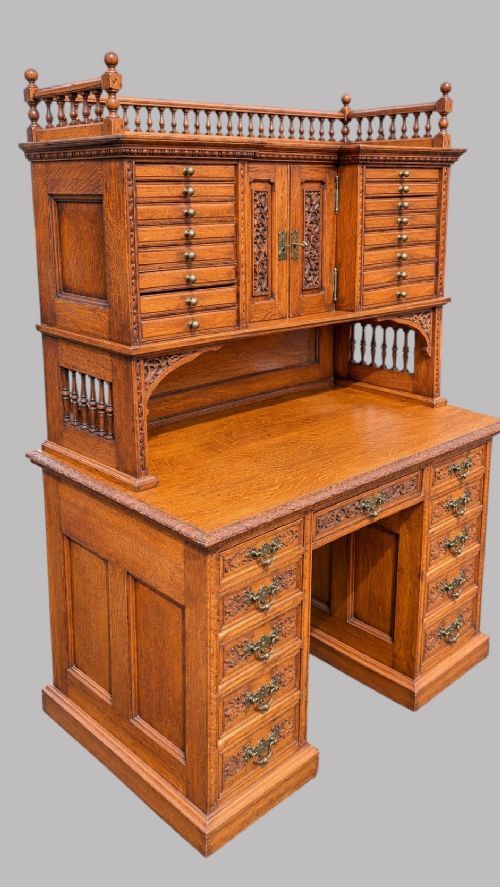
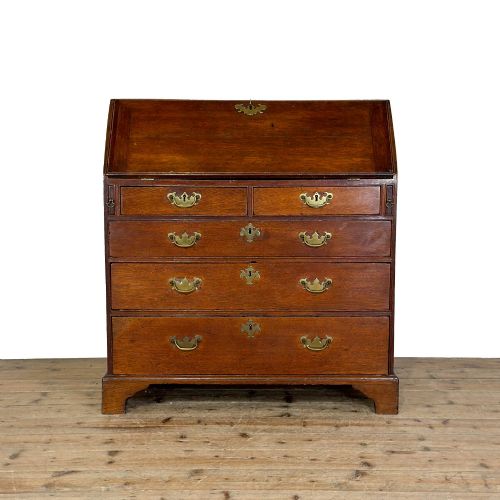
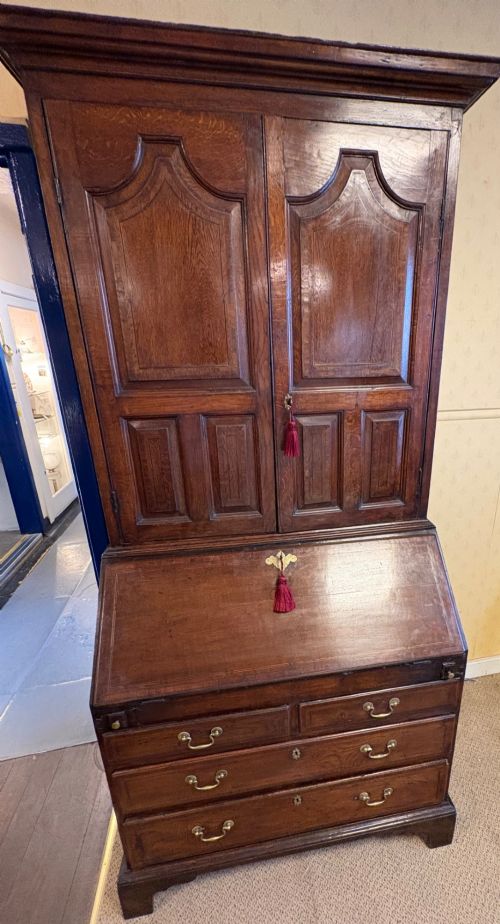
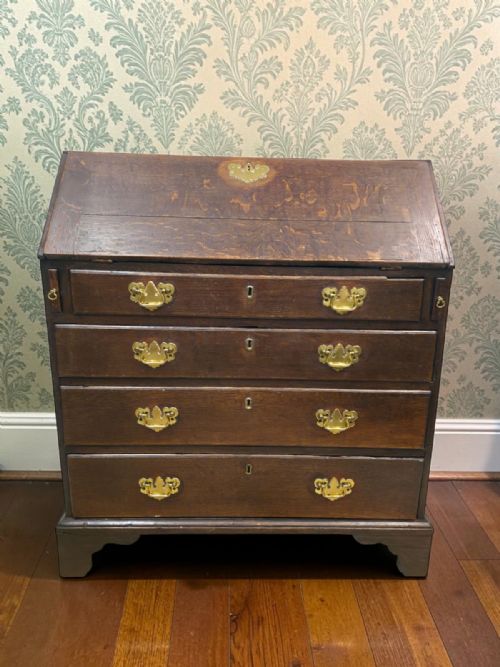
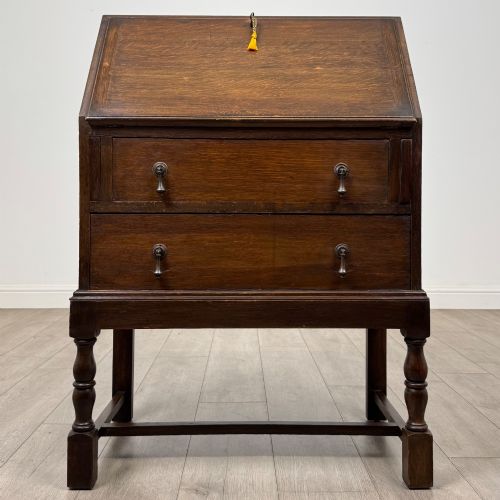
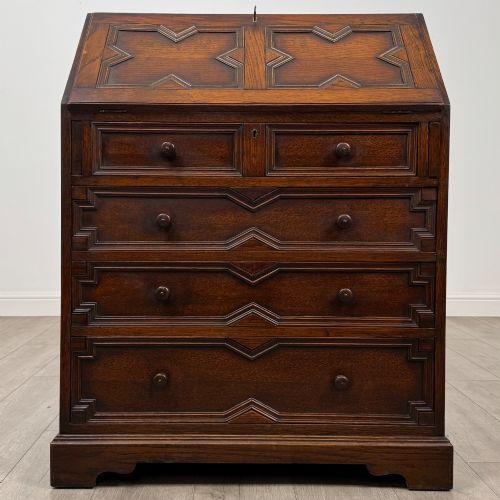
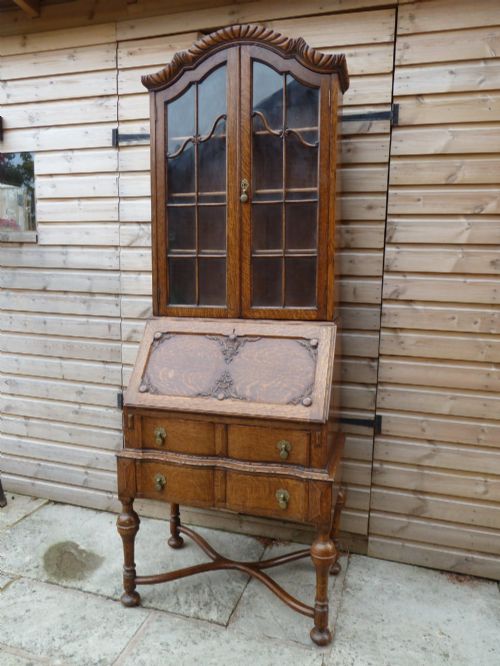
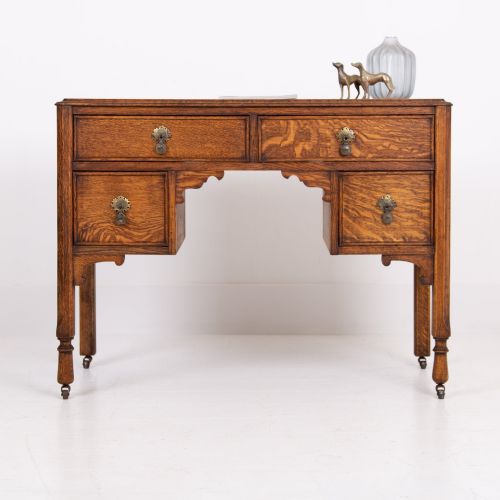
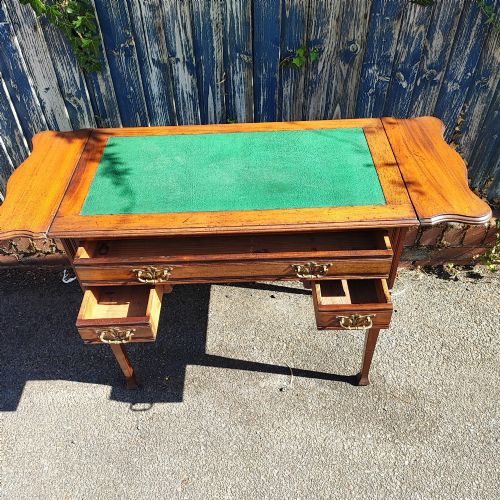
A brown oak bureau desk serves as a dedicated workspace featuring writing slopes, drawers, and fitted pigeonholes. Buyers searching this phrase encounter practical writing furniture spanning from the seventeenth century through to the Edwardian period and the art deco era.
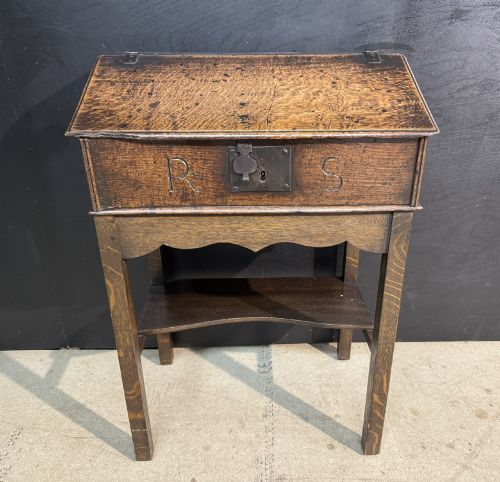
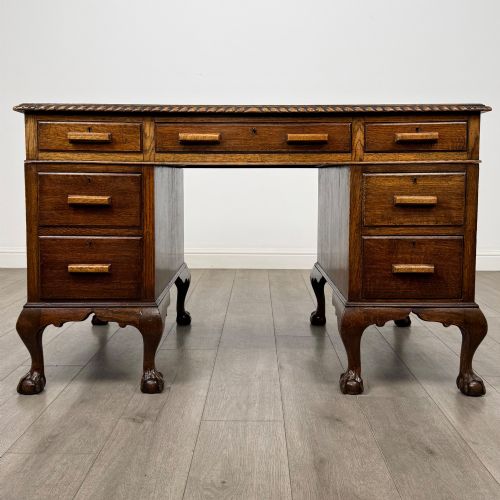
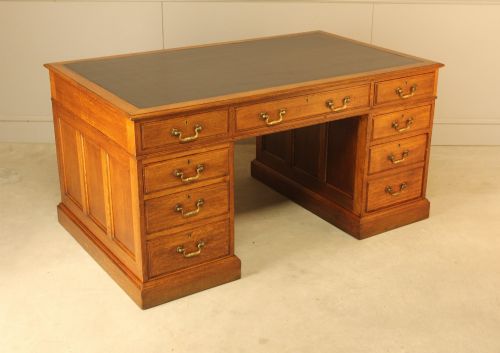
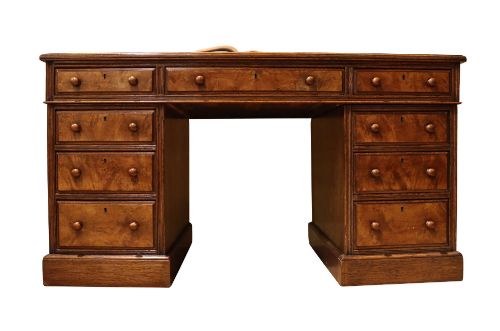
The selections range from compact writing boxes and clerks desks to substantial bureau bookcases with glazed upper cabinets. Edwardian interpretations and eighteenth century examples appear frequently alongside nineteenth century pedestal and kneehole formats.
Makers utilised solid oak alongside pollard oak and burr walnut details to create functional surfaces for correspondence and administration. These writing forms adapt easily to modern rooms while retaining traditional proportions.
Distinguishing quality
The distinction between standard utility furniture and superior examples lies in the selection of figured timber and the crispness of carved details. Finer pieces display carefully chosen oak grain across large surfaces and balanced proportions throughout.
Interior execution also separates grades, with better pieces offering elaborate stepped pigeonholes, well-fitted drawers, and intact original brass hardware. The integration of auxiliary materials like leather inserts and glass panels influences the overall standard of the desk.
Materials documented across the inventory include oak, burr walnut, pollard oak, brass, glass, and leather.
Heal's·Blyth and Son·Étienne Kohlmann
The Brown Oak Bureau Desk Glossary
- Bureau
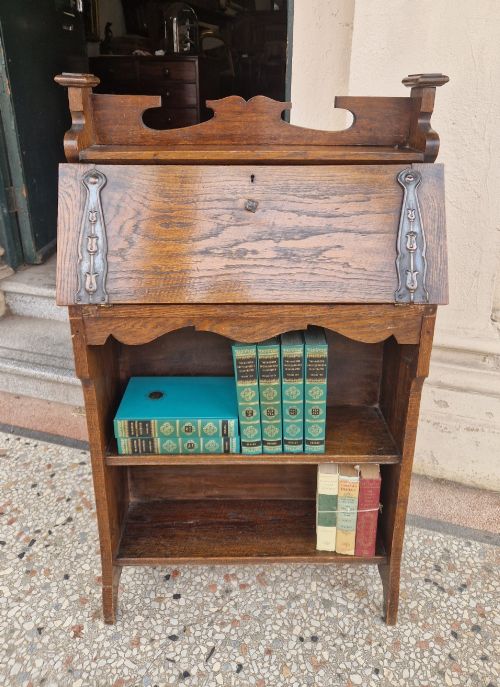
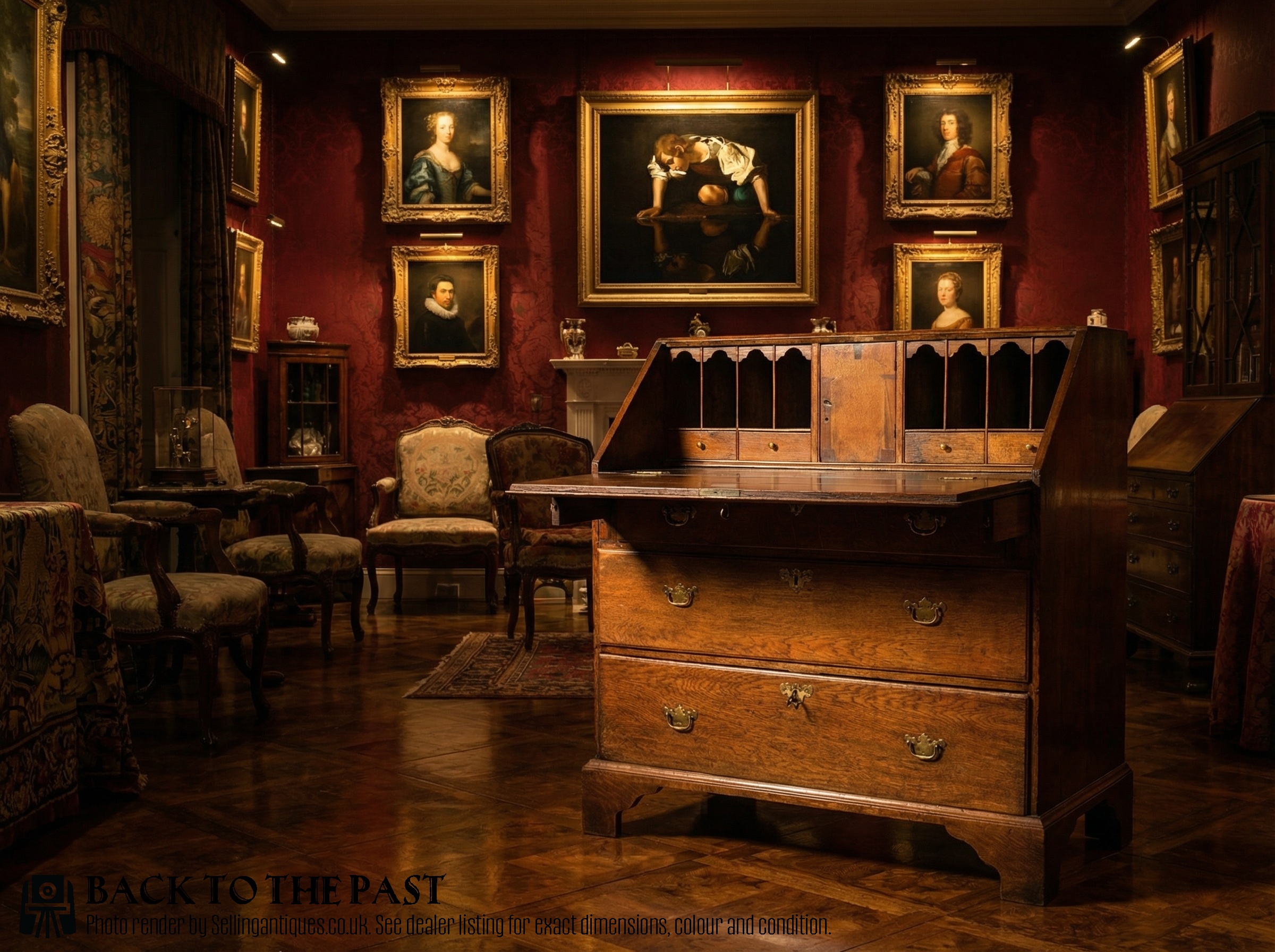
- A writing desk featuring a sloping fall front that opens to reveal internal compartments and small drawers. This form has served administrative needs for centuries.
- Bureau bookcase
- A combination piece comprising a writing bureau on the lower section and a glazed shelving cabinet above. These tall units provide both storage and display space.
- Fall front
- The hinged writing flap that drops forward to create a horizontal working surface. It conceals the pigeonholes and inner drawers when closed.
- Kneehole desk
- A pedestal desk featuring a central recess for the user's legs, flanked by vertical stacks of drawers. This layout provides stability and ample storage.
- Pollard oak
- Timber taken from trees that were pollarded, producing a dense, highly figured grain pattern. Cabinet makers used this wood for decorative veneer accents.
Brown Oak Bureau Desk: Frequently Asked Questions
How do I use a bureau desk today?
The drop-down writing flap provides a convenient surface for laptop work or letter writing. Internal pigeonholes help organise modern stationery.
Closed drawers conceal clutter, allowing the furniture to function as a tidy sideboard or hallway console when not in use.
Where should I place an oak desk?
Position the piece against a flat wall where natural light from a window falls across the writing surface. Keep wooden items away from direct heat sources to prevent timber shrinkage.
Leave sufficient clearance behind drop-front models to allow the flap to lower fully without obstruction.
How do I identify an eighteenth century piece?
Early pieces often display pegged mortise and tenon joints, hand-sawn timber boards, and simpler secondary woods inside the drawers. Eighteenth century interiors frequently feature stepped pigeonholes and small secret compartments.
Examine the patination on the oak surfaces, which develops a deep lustre through centuries of handling and polishing.