


Brown Marquetry Table Top
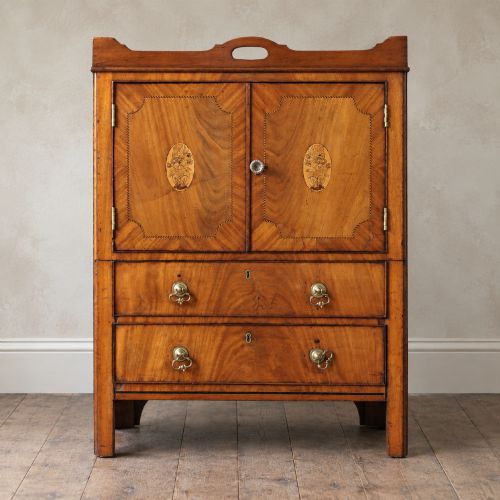
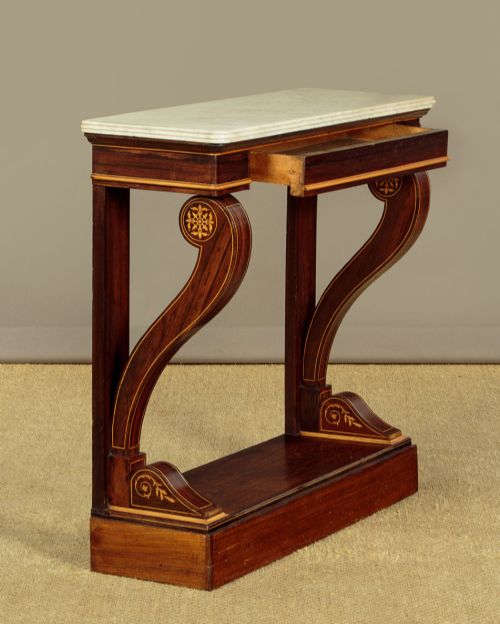
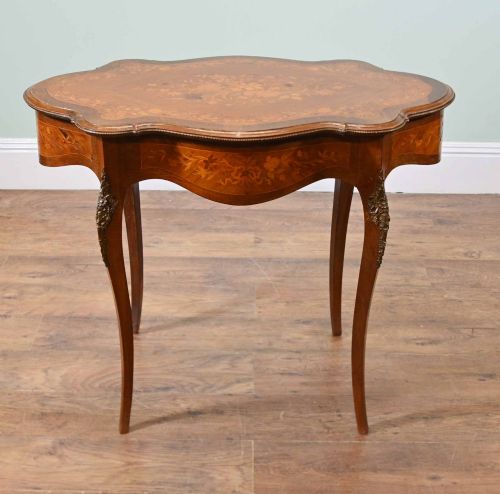
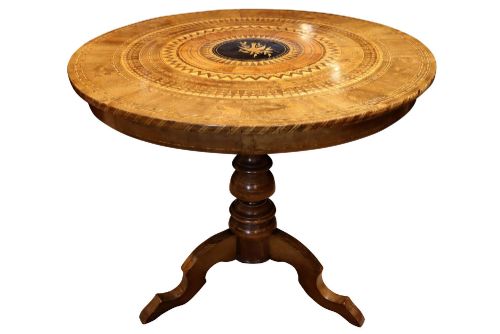
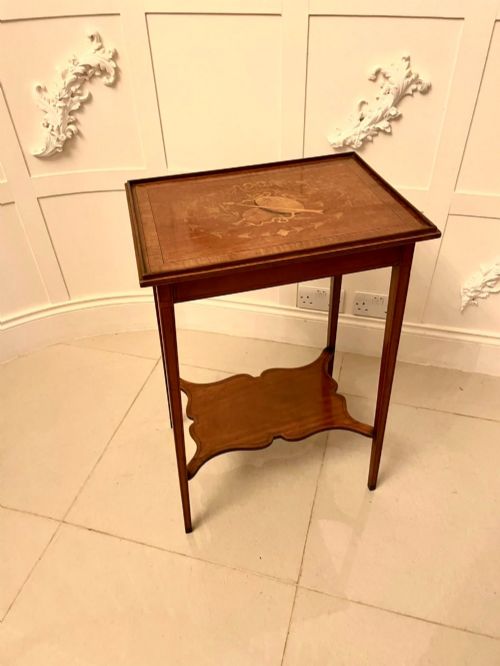
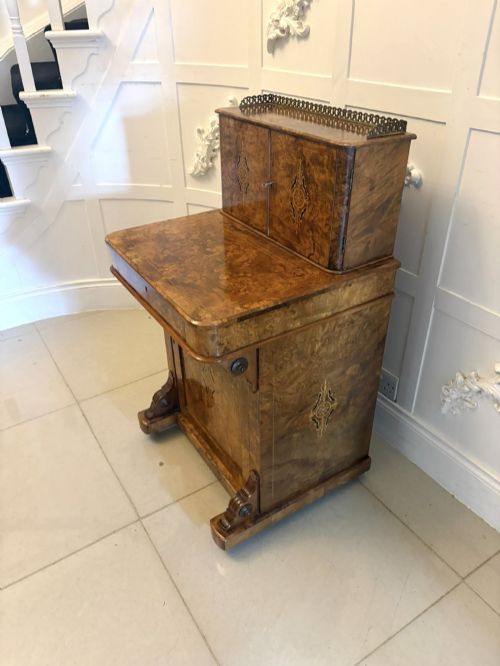
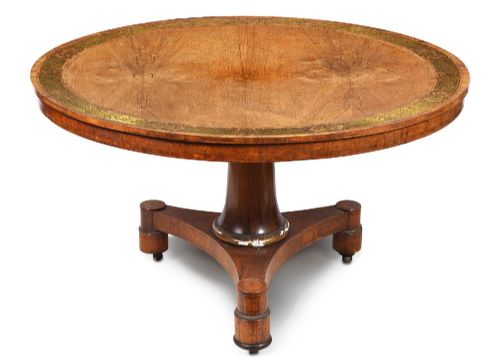
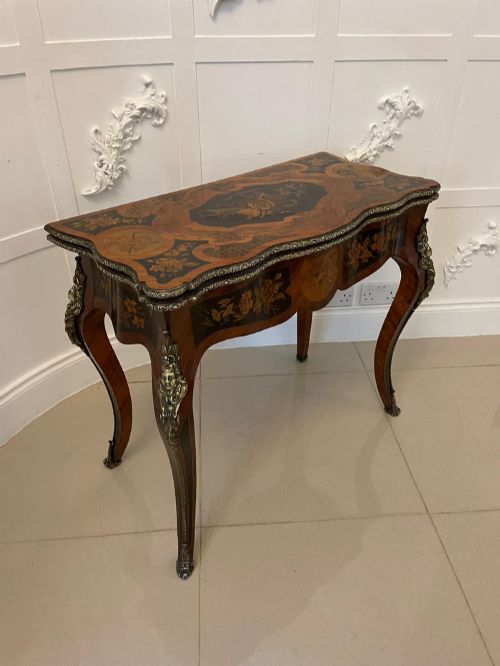
A brown marquetry table top brings intricate floral and geometric wood inlay into the room, offering a functional surface shaped by nineteenth-century and earlier craftsmanship.
Brown Marquetry Table Top
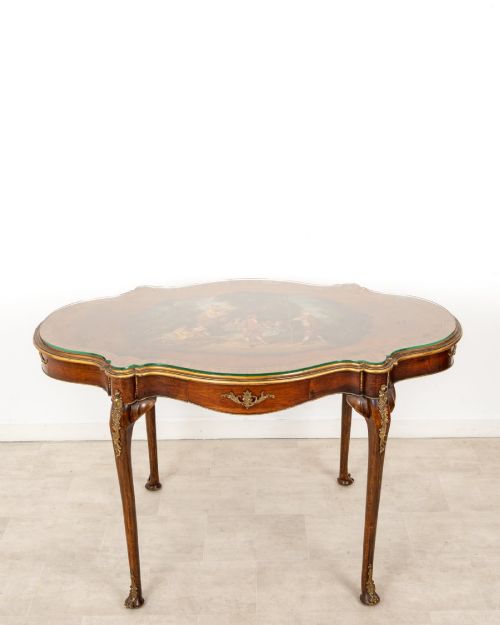
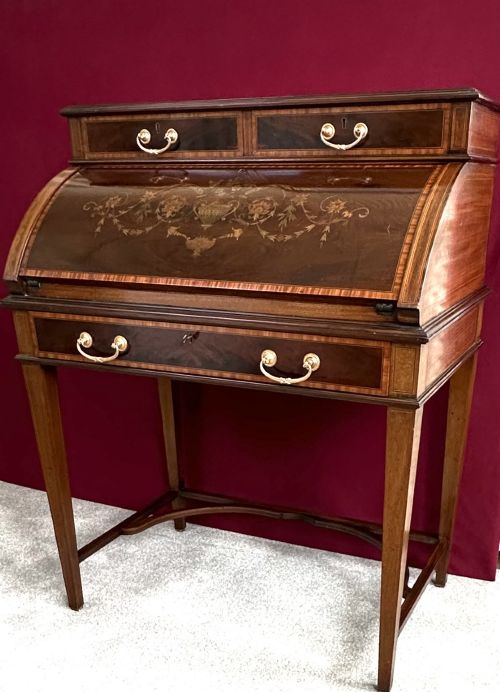
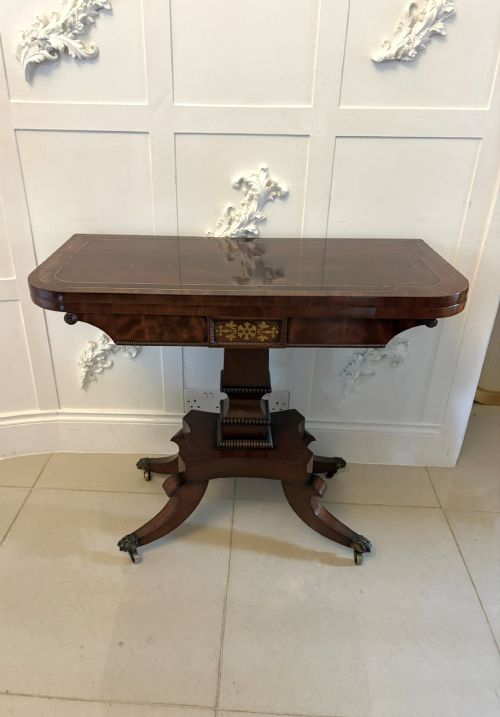
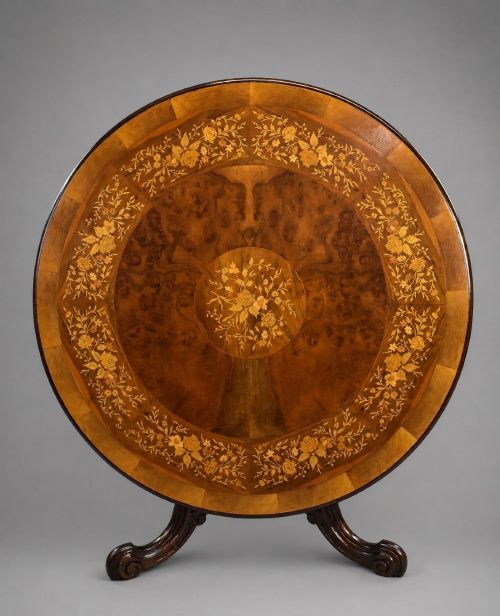
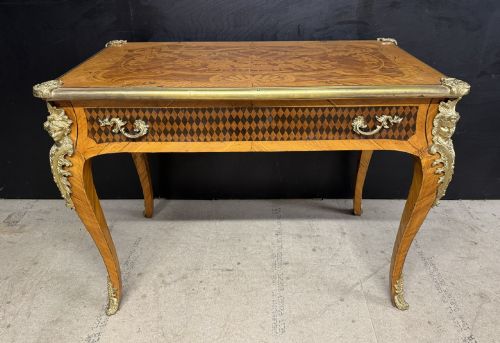
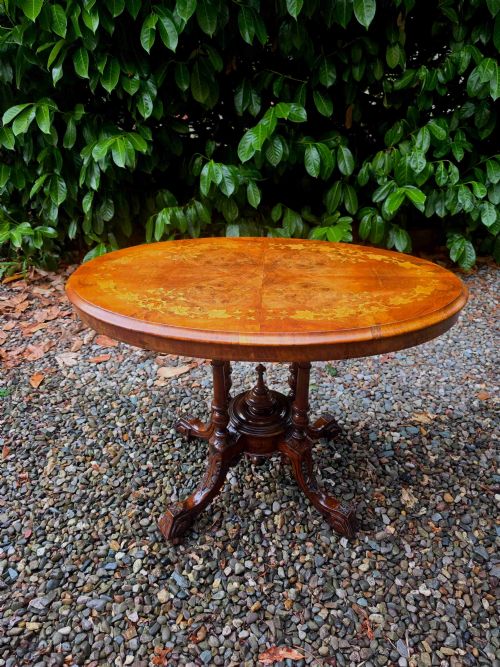
A brown marquetry table top refers to the decorated upper surface of various antique forms, including centre tables, card tables, desks, and occasional tables. These surfaces span from the eighteenth century through the Victorian and Edwardian eras, reflecting changing domestic fashions.
The selection on this page shows a strong presence of nineteenth-century pieces alongside eighteenth-century Dutch examples and Edwardian furniture. Buyers meet various formats, from folding games tables and writing desks to small lamp tables and bedside cabinets.
Origin points range from English workshops to French Parisian makers and Irish regional centres like Killarney. The forms vary from round breakfast tables to kidney-shaped desks and serpentine bedside pieces.
How they were made
Cabinet makers utilised a foundation of solid timbers such as mahogany, walnut, or oak, applying fine veneers over the carcase. Burr walnut, kingwood, rosewood, and satinwood provided rich natural grain patterns for the background.
Marquetry entails cutting thin slices of various tinted and figured woods to form pictorial or geometric motifs, which are then fitted together and glued into the surface veneer. Brass stringing, ormolu mounts, and marble tops frequently complete the construction.
Certain eighteenth-century Dutch tables display floral marquetry inhabited by surprisingly stout birds peering out from wooden foliage.
What varies in quality
The standard of a brown marquetry table top depends on the precision of the wood-cutter's fit and the complexity of the design. Subtle tonal variations within the natural timbers create depth that printed or stamped ornamentation cannot achieve.
Exhibition pieces often incorporate gilt bronze mounts by named makers or detailed floral pictorials featuring diverse exotic woods. Simpler provincial examples rely on restrained geometric stringing rather than figurative pictorial scenes.
François Linke·Holmes Baldock·Egan Workshop·Gill & Reigate·Maple & Co
The Brown Marquetry Table Top Glossary
- Marquetry
- The art of forming decorative patterns by fitting together thin slices of veneer on a timber base. This technique distinguishes flat surfaces from carved woodwork.
- Ormolu
- Gilt bronze mounts applied to furniture edges and legs, common in French revival pieces. It adds metallic contrast to the brown wood tones.
- Kingwood
- A dense, richly figured tropical timber utilised in high-end cabinet making for its dark violet-brown colour and contrasting yellow streaks.
- Bureau plat
- A flat-topped writing desk, usually freestanding with drawers beneath the surface. French examples often feature leather inserts and marquetry decoration.
- Satinwood
- A luminous hardwood with a yellow sheen used for contrasting inlay details and banding. It brightens darker walnut and mahogany surfaces.
Brown Marquetry Table Top: Frequently Asked Questions
How do I clean a marquetry surface?
Dust gently with a soft cloth and avoid excessive moisture or harsh chemical cleaners that can lift the delicate wood veneers.
Apply a quality beeswax polish occasionally to nourish the timber and maintain a soft sheen without building up heavy layers.
Can I use a card table daily?
Folding card tables served originally for indoor games and social evenings, featuring hinged tops that swivel or fold open over a framework.
While sturdy, older hinges and pivoting mechanisms benefit from careful handling to prevent strain on the surrounding woodwork.
How do I date a walnut table?
Examine the secondary timbers underneath and inside the drawers, alongside the style of the legs and the complexity of the marquetry design.
Nineteenth-century pieces often display machine-sawn elements and denser burr walnut veneers compared to earlier eighteenth-century examples.
Where should I place a centre table?
Centre tables are designed to be viewed from all sides, making them suitable for the middle of a large entrance hall or principal room.
Ensure the placement protects the polished wood and inlay work from direct, prolonged sunlight that can fade exotic veneers.