
Brown Marble Table
A brown marble table brings substantial stone surfaces and warm timber frames into domestic rooms, combining utility with distinct period character.
Brown Marble Table
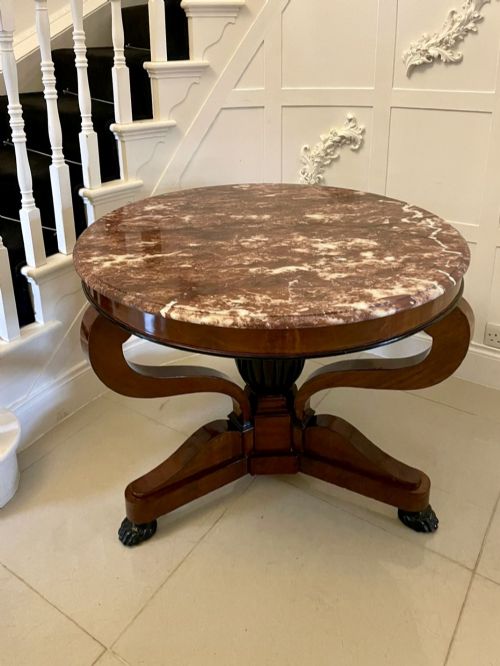
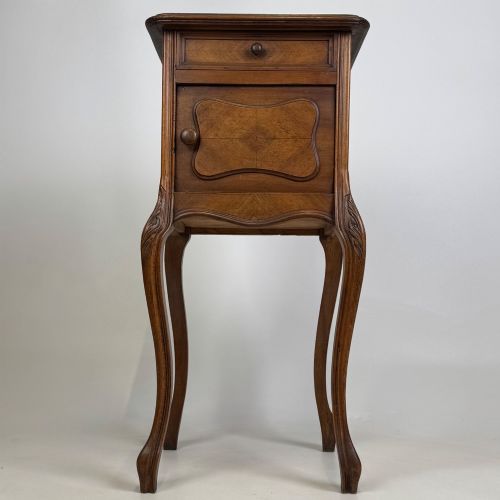
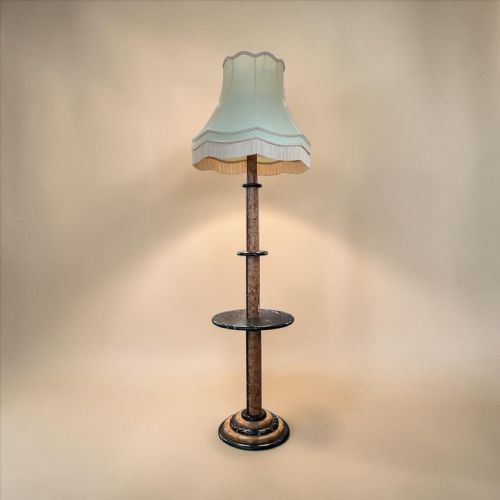
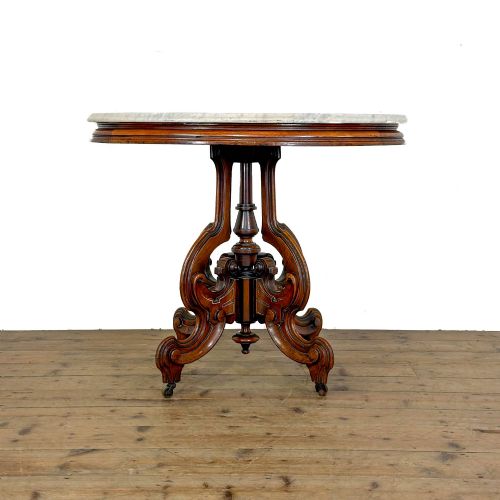
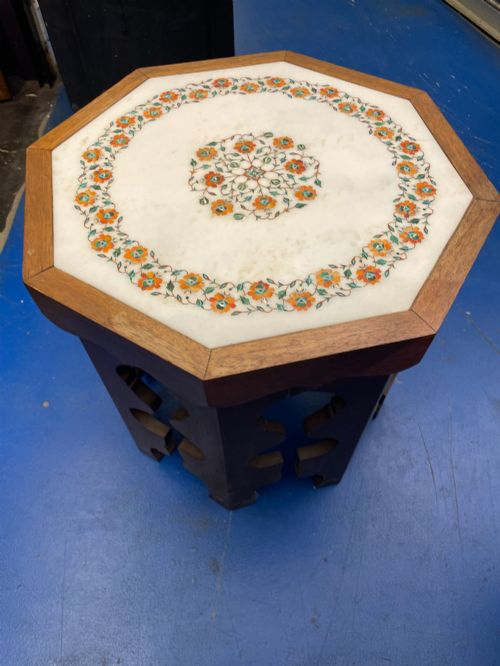
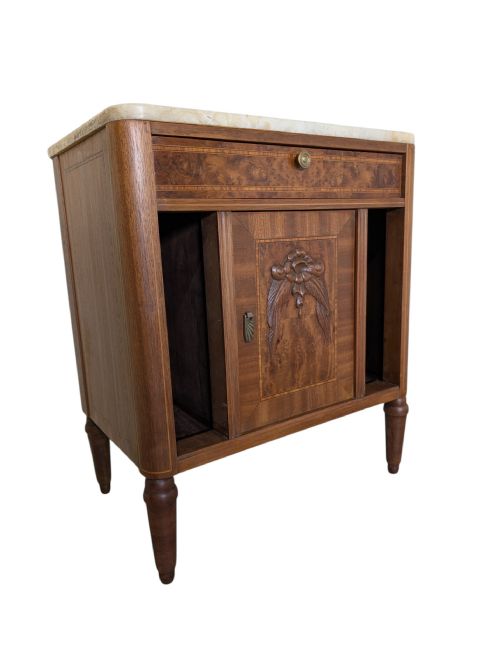
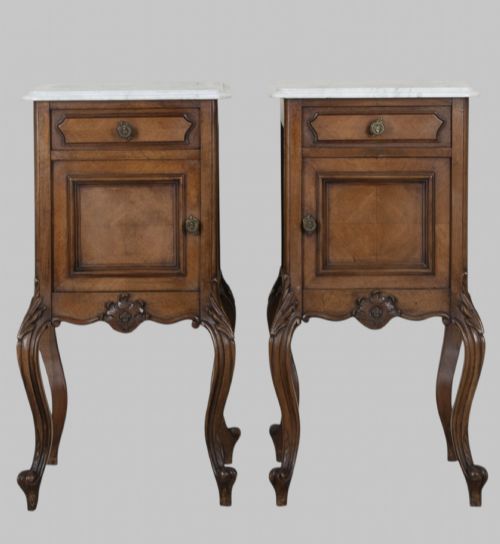
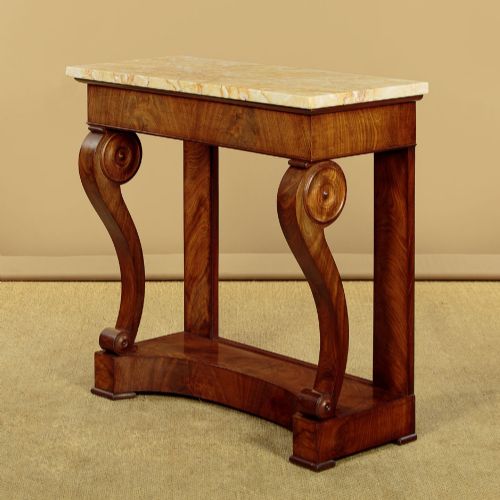
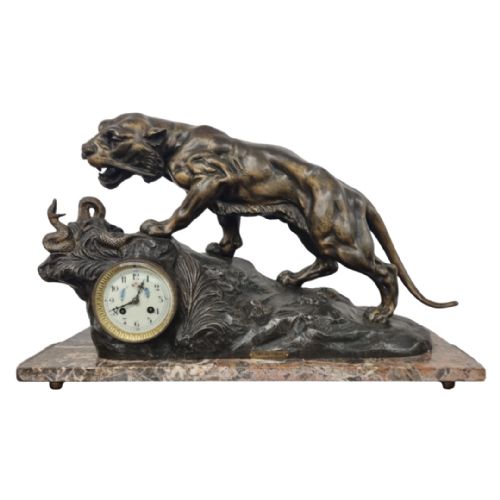
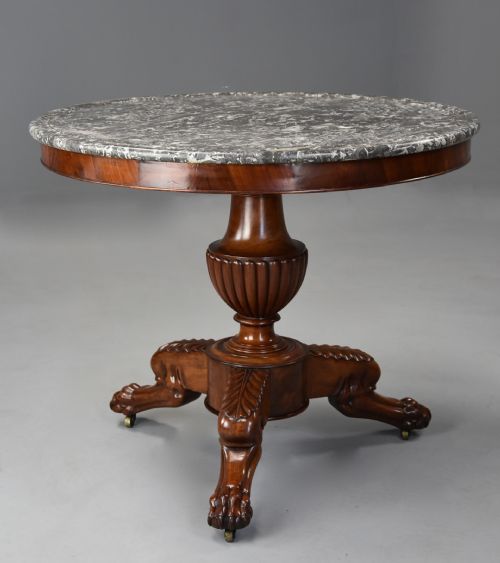
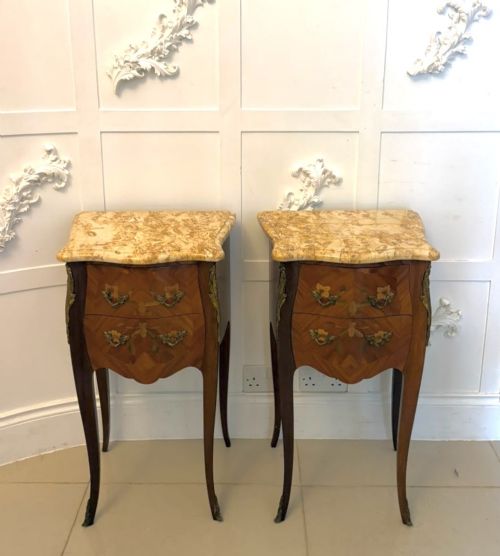
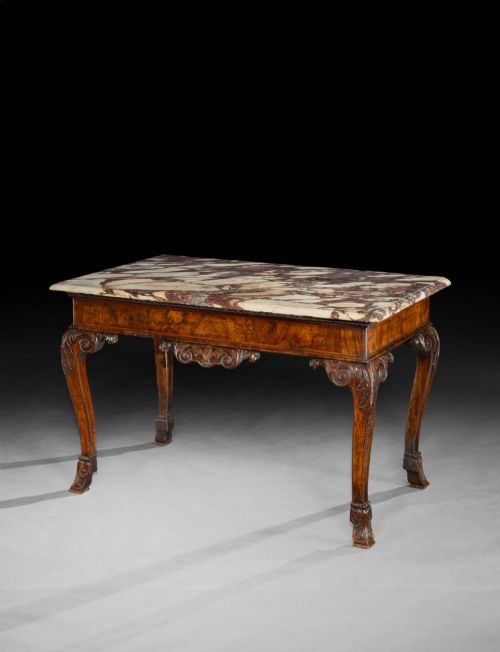
A brown marble table encompasses a diverse selection of nineteenth and twentieth-century furnishings, ranging from French bedside cabinets and console tables to centre tables and washstands. The pieces on this page lean heavily toward continental European workshops, particularly French designs incorporating stone slabs atop timber frames. Buyers encounter various utilitarian and decorative formats, including lamp tables, gueridons, and washstands designed for domestic chambers.
The material combination brings together heavy stone tops with structural woodwork spanning the Victorian, Edwardian, and Art Deco eras. French Empire, Louis XV style, and provincial designs dominate the selection, frequently utilising burr elm, walnut, mahogany, and oak. These tables served practical functions in bedrooms and reception rooms, providing durable surfaces that resisted moisture and staining.
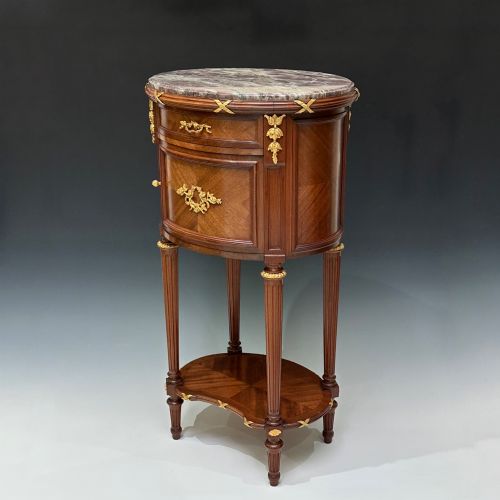
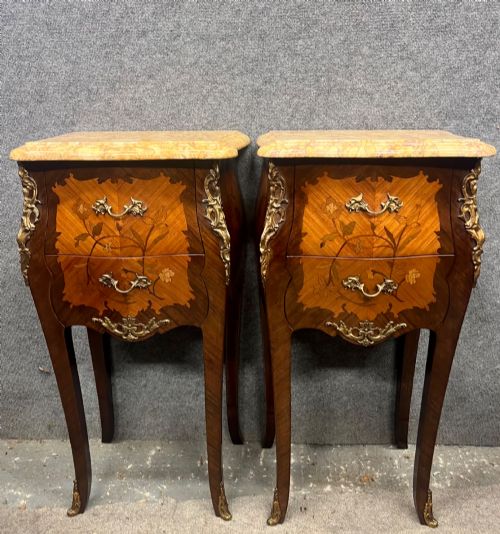
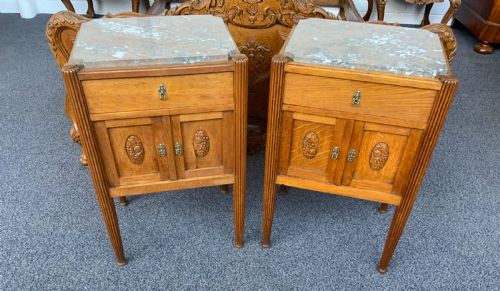
Bedside tables and compact cabinets represent a significant portion of the available forms, often found in matched pairs from the 1920s and 1930s. Console tables and centre tables provide larger surfaces supported by carved or veneered bases from the nineteenth century. Each piece relies on the contrast between polished stone and figured wood to define its presence in a room.
Design and Execution
Quality manifests in the selection of materials, particularly the depth of figuring in the timber veneers and the intricacy of the marble veining. Superior examples display precise joinery, harmonious proportions, and original stone slabs that sit flush and secure within the wooden frames.
The sophistication of secondary decorative elements, such as finely chased ormolu mounts, hand-carved wooden details, and marquetry patterns, separates standard utility furniture from high-end cabinetmaking. The integration of structural hardware and the preservation of original surfaces dictate the overall refinement of each piece.
Listings span the nineteenth and twentieth centuries, uniting Victorian, Edwardian, and Art Deco styles across walnut, mahogany, and oak furniture.
François Linke·JACOB
The Brown Marble Table Glossary
- Guéridon
- A small round table supported by a central pillar or columns, frequently topped with marble and popular in French interiors.
- Console table
- A table designed to stand against a wall, often secured with brackets or resting on front legs, commonly featuring a stone top.
- Ormolu
- Gilt bronze mounted onto furniture or clocks, used extensively as a decorative accent in French design.
- Marquetry
- Inlaid wood patterns arranged to form decorative designs on furniture surfaces using contrasting veneers.
Brown Marble Table: Frequently Asked Questions
What rooms suit a marble top table?
These pieces function well in bedrooms as bedside cabinets or in hallways and living spaces as console and lamp tables.
The durable stone surface handles daily use while the timber frames add warmth and period detail to domestic interiors.
How do I identify the period of these tables?
Dating relies on stylistic clues such as the geometric lines of Art Deco pieces or the ornate carvings of Victorian and French Empire designs.
Construction methods, wood choices, and hardware also provide clear indicators of whether a piece originates from the nineteenth or twentieth century.
Are the marble tops attached to the base?
Most marble slabs on these tables rest securely by their own considerable weight within a recessed wooden frame or moulding.
This loose-top construction allowed nineteenth-century makers to transport heavy stone and timber components separately without damaging the joints.
How should I care for the marble surface?
Cleaning requires simple wiping with a damp cloth and mild soap, avoiding acidic substances that can etch polished stone.
Regular dusting and gentle polishing preserve the natural sheen of both the marble top and the surrounding wood.