
Brown Mahogany Table Mirror
A brown mahogany table mirror sits upon a chest or dresser, catching the morning light while offering a clear reflection for grooming.
Brown Mahogany Table Mirror
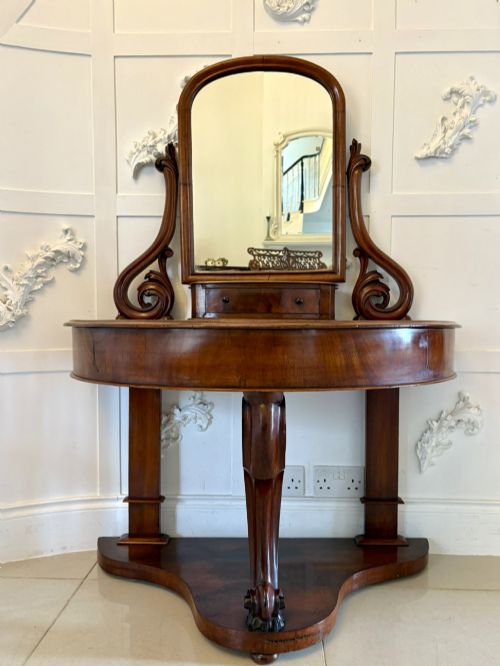
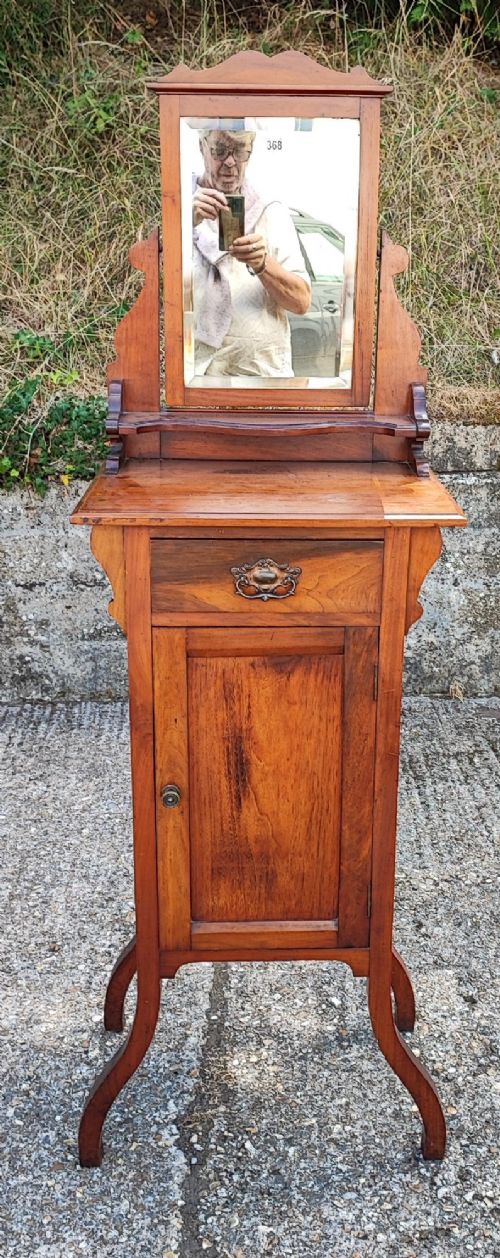
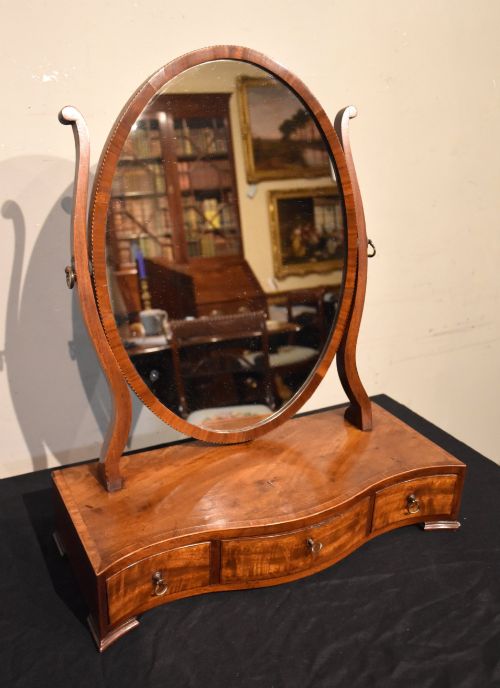
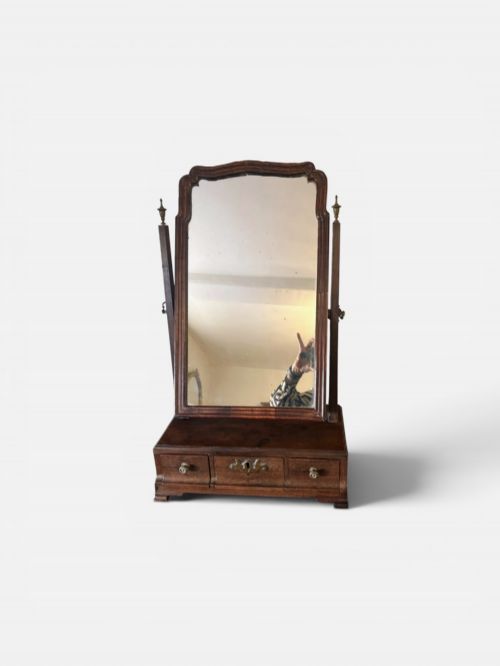
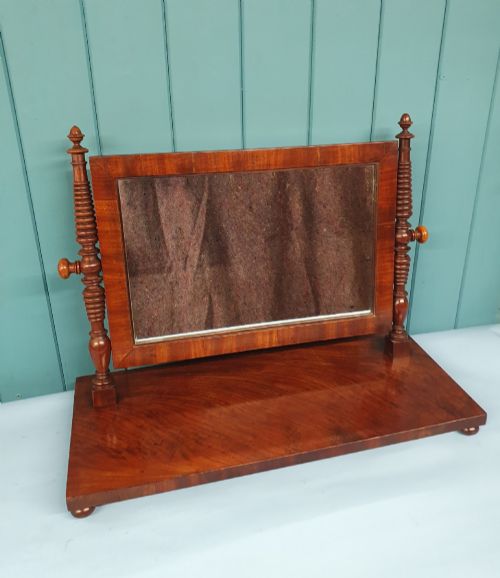
A brown mahogany table mirror is a compact piece designed to rest on a larger surface, providing a movable glass for personal adjustment. When searching for a brown mahogany table mirror, buyers encounter numerous variations spanning from the Georgian and Regency eras through to the Victorian and Edwardian periods.
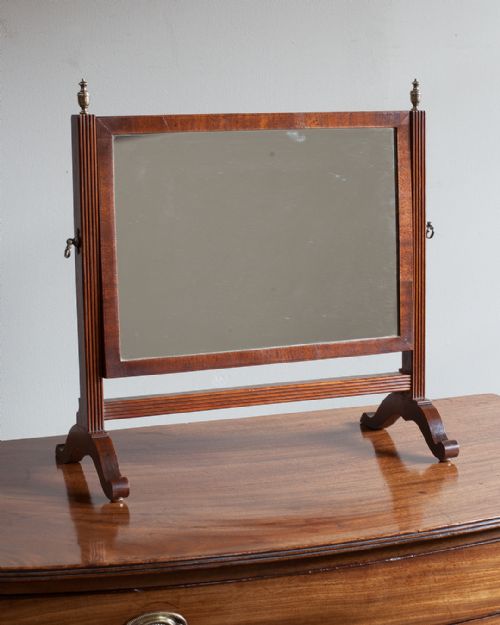
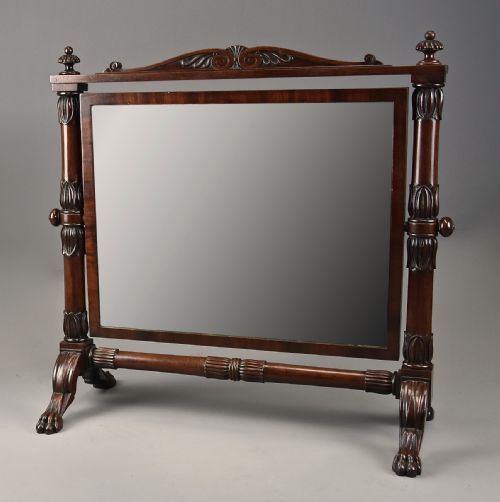
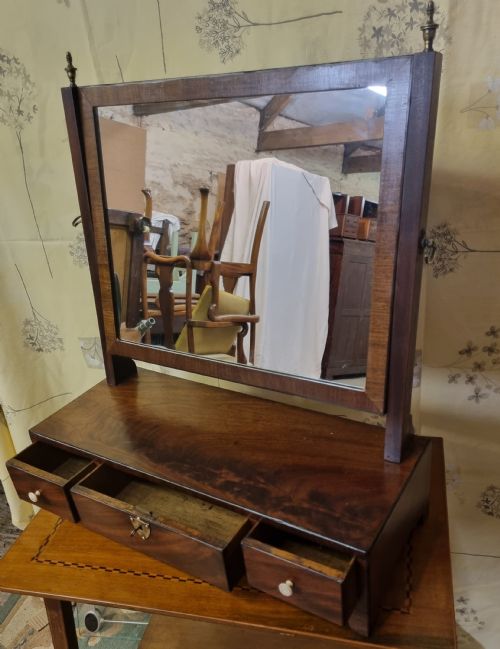
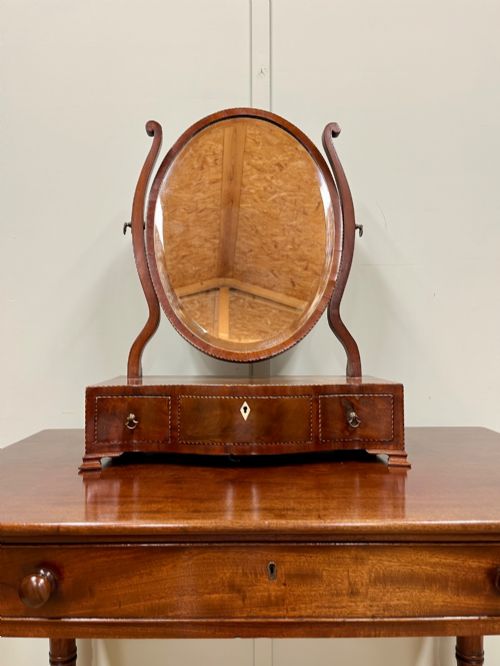
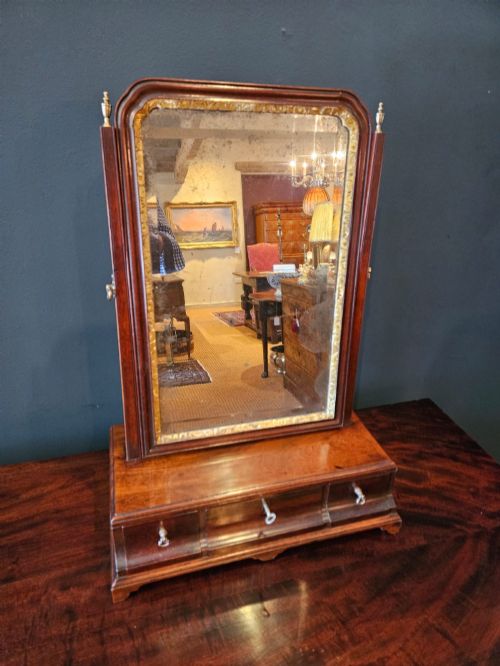
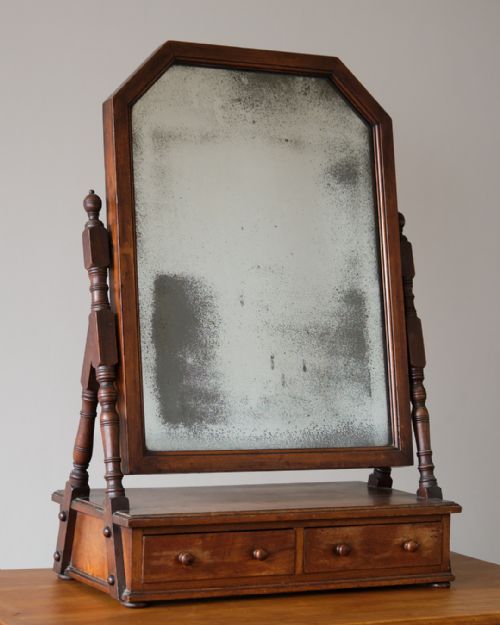
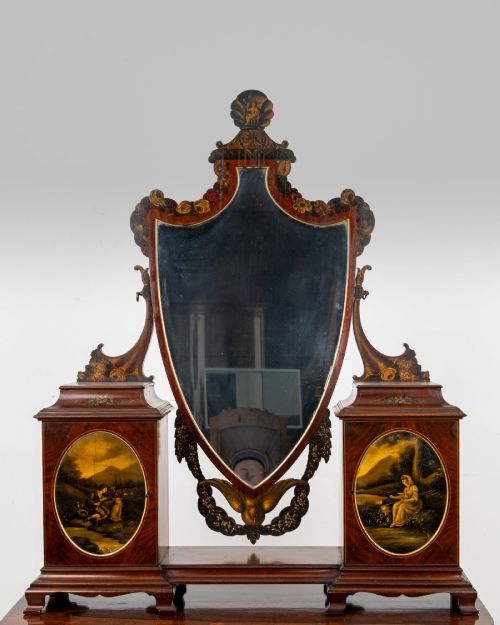
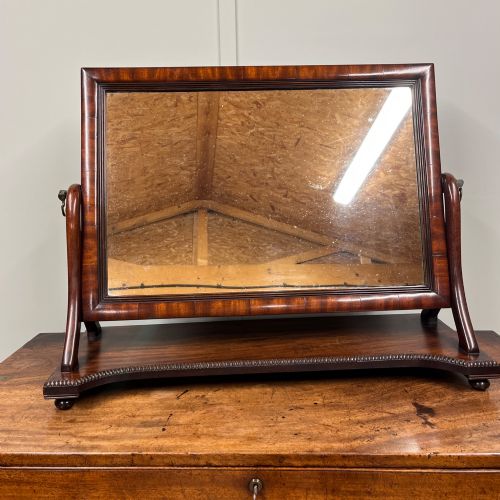
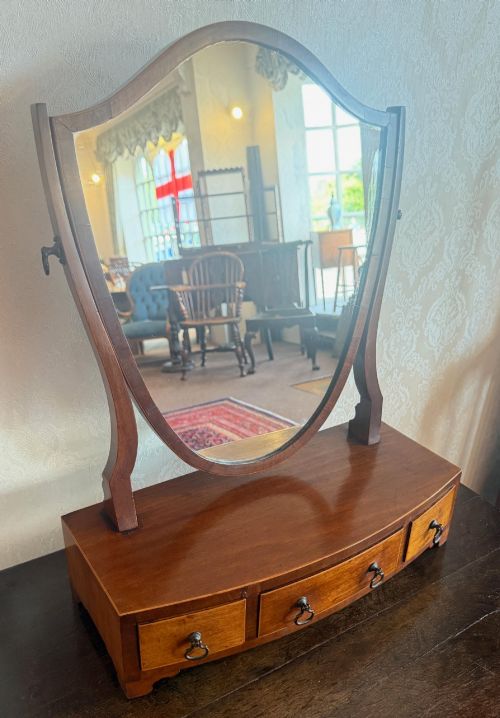
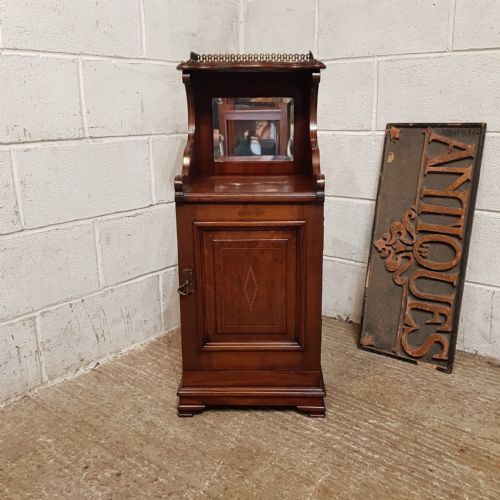
The most common forms on this page include swing mirrors on stands, toilet mirrors with small drawer bases, and table-top cheval mirrors. These pieces originate from the 18th century, 19th century, and early 20th century, reflecting shifts in domestic habits and interior tastes over generations.
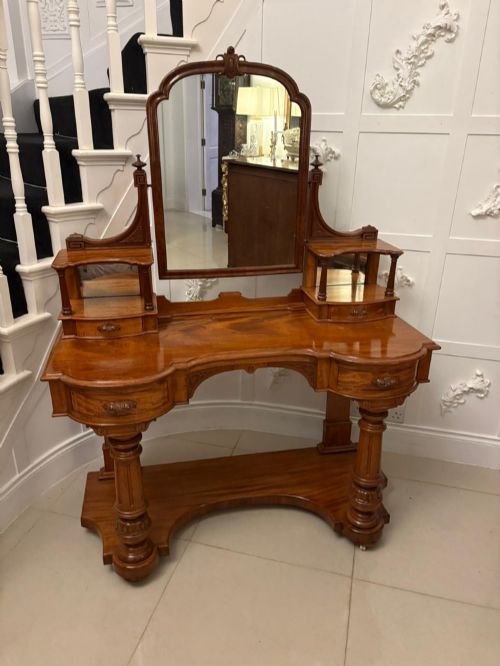
While many examples serve as traditional dressing table mirrors, some incorporate jewellery cabinets or feature serpentine and oval frames. Their primary function remains unchanged: to provide a stable, adjustable surface reflection framed in rich timber.
Materials and construction
Makers relied on mahogany as the principal timber, occasionally selecting Cuban mahogany for its density and figuring, and augmenting the primary wood with satinwood, bone, or wood inlay for contrast. Glass formed the reflective surface, supported by wooden frames and adjusted with brass pivots, pins, and hinges.
Joinery techniques involved precise mortise and tenon joints for the upright supports and dovetail construction for the small drawers set into the bases. The timber was planed, scraped, and polished to a smooth finish that highlighted the natural grain and deep brown colour of the mahogany.
A tiny bone escutcheon on a drawer reminds us someone once locked away their hairpins.
Distinctions in craftsmanship
The degree of refinement in the timber selection and decorative details sets superior pieces apart from standard workshop production. Fine examples feature carefully matched mahogany veneers, subtle crossbanding, and delicate inlay work rather than plain, unvaried surfaces.
Structural stability depends on the integrity of the upright supports and the smooth operation of the swing mechanism. Higher quality pieces maintain proper tension in the brass pivots, allowing the mirror plate to hold its angle without sagging or slipping.
P & MA Nicholson·Heal & Sons·harrods·Maple & Co·Thomas Rubergall of London
The Brown Mahogany Table Mirror Glossary
- Cheval mirror
- A full-length or large standing mirror hung on a frame with vertical pivots. This allows the glass to swing completely through an arc.
- Toilet mirror
- A small mirror fitted to a box base containing drawers, designed for placement on a dressing table or chest. It represents a portable version of the larger dressing glass.
- Swing mirror
- A mirror plate mounted on horizontal pivots between two upright arms. The pivot screw permits the user to tilt the glass to the desired angle.
- Serpentine front
- A piece of furniture featuring a front edge curving outward in the centre and inward at the sides. This shape demands high skill from the cabinetmaker.
- Crossbanding
- A strip of veneer applied across the grain of the primary panel to form a decorative border. It often uses contrasting timber to frame drawer fronts or mirror surrounds.
Brown Mahogany Table Mirror: Frequently Asked Questions
What is a brown mahogany table mirror?
A brown mahogany table mirror is a portable looking glass set within a wooden frame and base, designed to sit on top of a chest of drawers or a dressing table.
These pieces typically feature an adjustable swing mechanism that allows the user to tilt the glass for personal grooming and dressing.
How do I date a table mirror?
Dating relies on observing construction methods, timber choices, and stylistic details such as frame shape and base configuration. Georgian examples often display simple lines and bracket feet, while Victorian and Edwardian versions introduce heavier carvings, inlays, or integrated jewellery compartments.
The type of mirror glass and the metal used for the pivot screws also provide clues to the period of manufacture.
Where were these mirrors placed?
Historically, these mirrors stood upon dressing tables, washstands, or chests of drawers in bedrooms and dressing rooms. Their movable design meant they could be shifted to catch the best light near a window.
Today, they function similarly on modern dressing surfaces or sideboards, offering both utility and period character.
What maintenance do they need?
Maintenance involves keeping the timber nourished with appropriate furniture wax and ensuring the brass pivot screws remain correctly adjusted without being over-tightened. Regular dusting with a soft cloth preserves the polished mahogany surface.
Harsh chemical cleaners should be avoided to protect both the wood finish and the antique glass.