


Regency Period Table Mirror
These regency period table mirror pieces bring structured elegance to any room through classic mahogany, rosewood, and brass work.
Regency Period Table Mirror
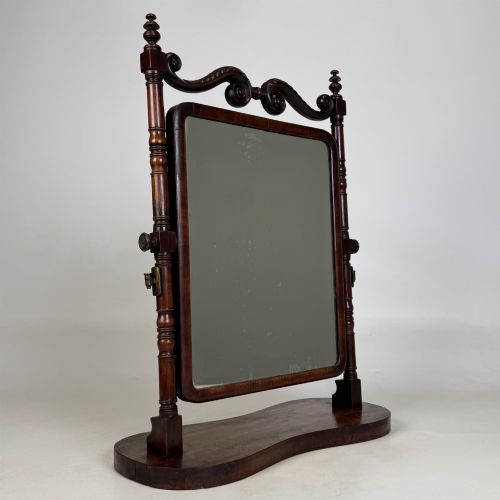
A regency period table mirror brings classic proportion and functional elegance to a room, offering a reflective surface framed in timber. Buyers seeking a regency period table mirror will encounter swing frames, toilet mirrors, and dressing table mirrors designed for everyday use.
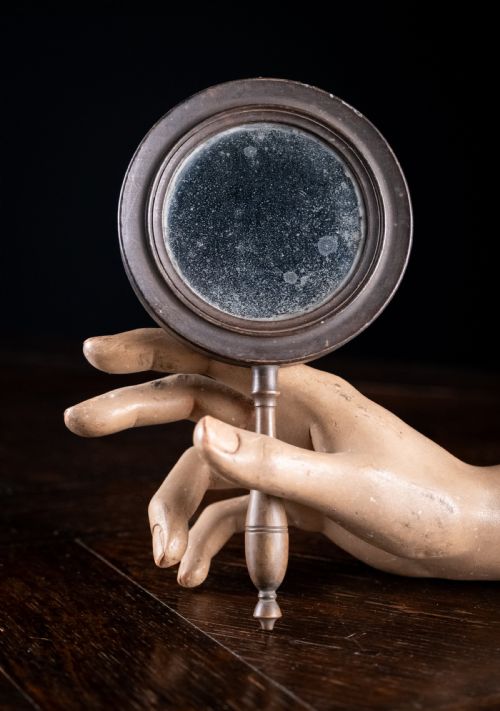
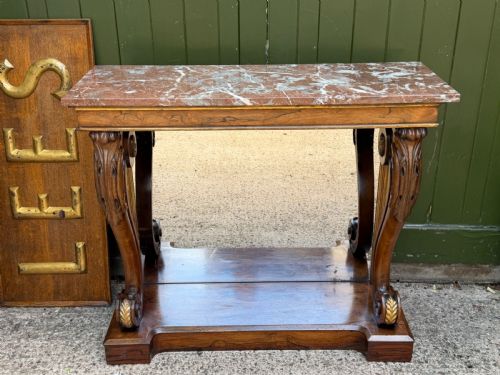
The selections span the Regency and 19th Century eras, capturing the formal design language of the period. Alongside traditional table mirrors, the evidence includes console tables with mirror backs and hand-held double-sided mirrors.
Mahogany and rosewood dominate the construction, often enhanced with brass fittings, parcel-gilt details, and marble tops. These variations demonstrate the broad scope of domestic furnishings produced during the period.
How they were made
Cabinet makers utilised dense timbers such as mahogany and rosewood to construct sturdy frames and supports. These woods provided a reliable foundation capable of holding adjustable glass plates securely.
Metalwork played a key role in assembly, with brass fixtures used for pivots, mounts, and decorative accents. Parcel-gilt and ebonised finishes further enhanced the visual depth of the timber frames.
Specialised construction extended to specialised pieces, incorporating figured marble tops and inset mirror-backs. Artisans combined traditional joinery with decorative surface treatments to achieve the finished look.
Current listings demonstrate a focus on Regency and 19th Century items, featuring materials such as mahogany, rosewood, brass, and marble.
What varies in quality
The refinement of the timber selection dictates the visual impact of the piece, with richly figured grains and careful matching separating standard examples from finer works. Finer items exhibit superior control over surface treatments, including parcel-gilt and ebonised details.
Hardware and metal components reveal much about the original standard of manufacture, where heavy brass pivots and mounts indicate attentive craftsmanship. The integration of auxiliary materials like marble and bone also distinguishes the more ambitious workshop productions.
The Regency Period Table Mirror Glossary
- Swing mirror
- A reflective plate mounted within upright supports that tilts on horizontal pivots. This allows the user to adjust the angle of the glass.
- Parcel-gilt
- Woodwork partially decorated with gold leaf applied over a prepared surface. This technique highlights carved details against a dark timber ground.
- Toilet mirror
- A small tabletop mirror designed for personal grooming, typically fitted with a box base or drawers. It sits upon a dressing table or chest.
- Console table
- A wall-mounted or freestanding table designed to stand against a flat surface. Examples from this period occasionally incorporate inset mirror-backs.
Regency Period Table Mirror: Frequently Asked Questions
What is a regency period table mirror?
A regency period table mirror is a freestanding dressing glass designed to sit on a tabletop or surface. These pieces feature timber frames supported by upright arms.
They allow the user to adjust the angle of the glass plate for grooming and reflection. Mahogany and rosewood are the primary woods used in their construction.
How do I date a regency table mirror?
Dating relies on identifying stylistic markers associated with the early nineteenth century and the Regency era. Cabinet work from this time often shows classical restraint and specific timber choices.
Examine the construction methods of the frame and the quality of the glass plate. Regional variations and specific hardware can also help confirm the period.
Where should I place a toilet mirror?
A toilet mirror sits comfortably on top of a dressing table, chest of drawers, or sideboard. It provides a functional focal point in a bedroom or dressing room.
Ensure the supporting surface is deep enough to bear the weight and proportion of the frame. Placing it near a light source enhances its practical use.
What is the difference between a toilet mirror and a dressing mirror?
Toilet mirrors generally refer to smaller tabletop versions that often include small drawers or a box base. Dressing mirrors can encompass similar tabletop swing frames or larger freestanding formats.
Both serve the same primary function of personal reflection during the nineteenth century. Terminology often overlaps depending on the specific scale of the item.