

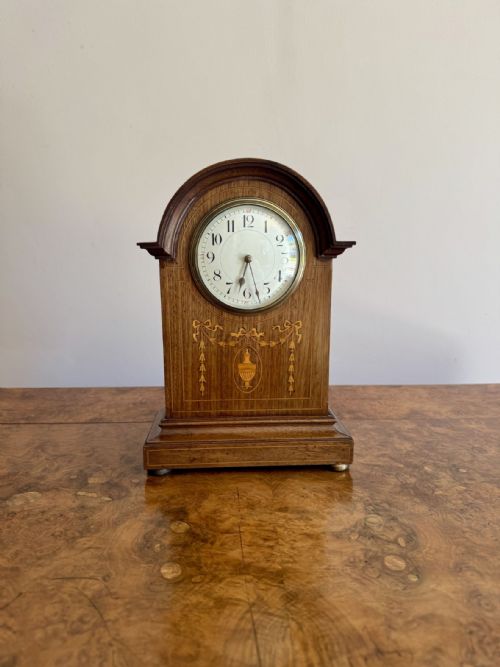


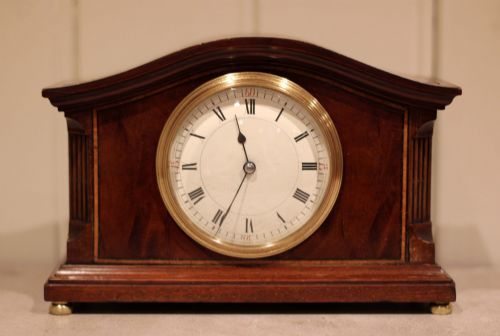

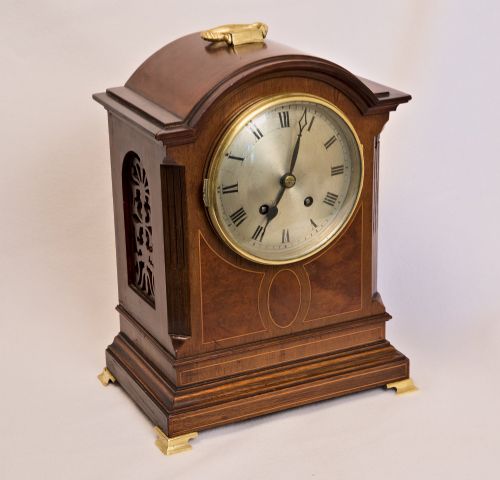
Brown Mahogany Mantel Clock
A brown mahogany mantel clock brings mechanical precision and rich timber grain to a desk or shelf, shaped by centuries of British and continental design.
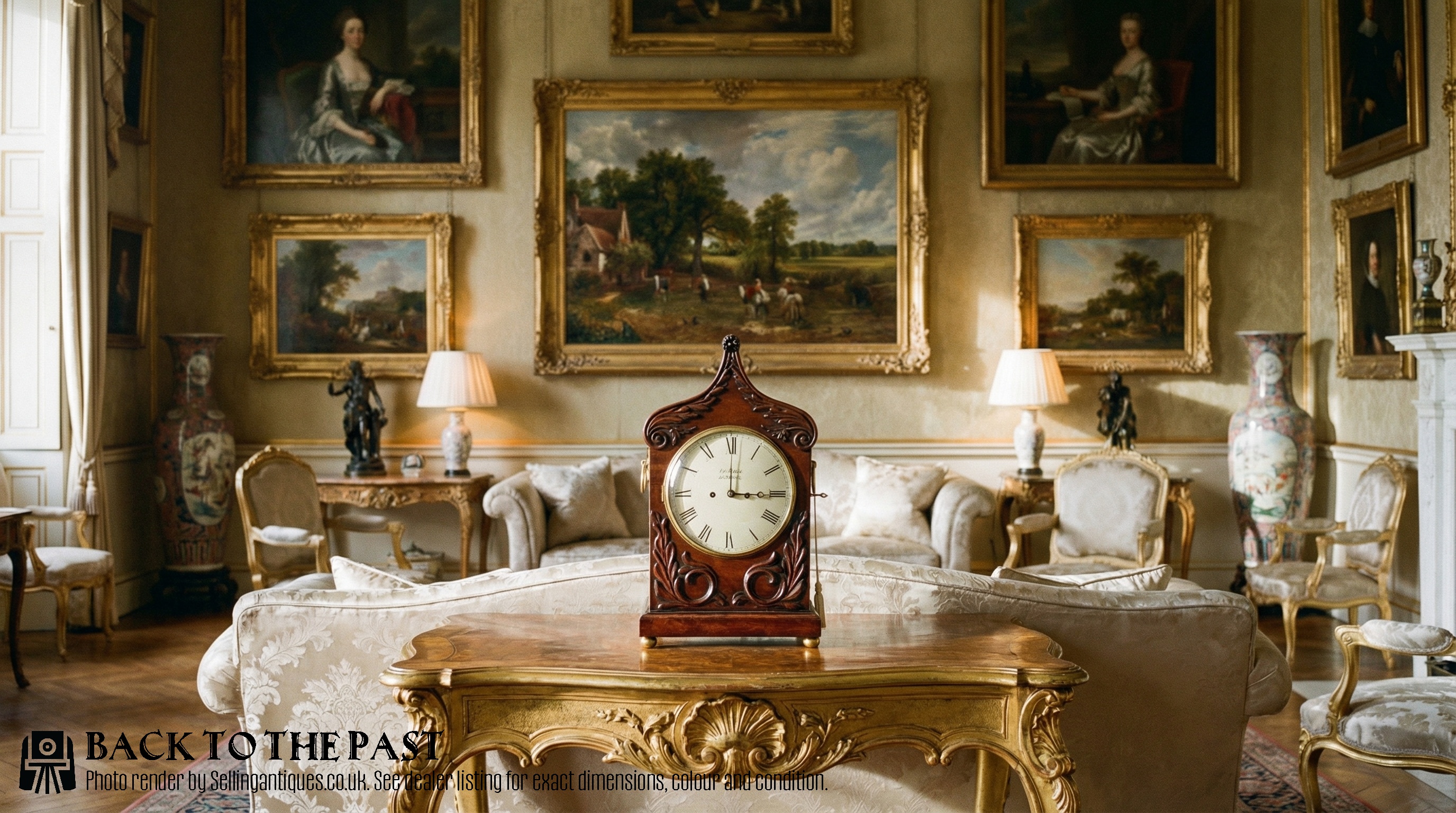
Brown Mahogany Mantel Clock
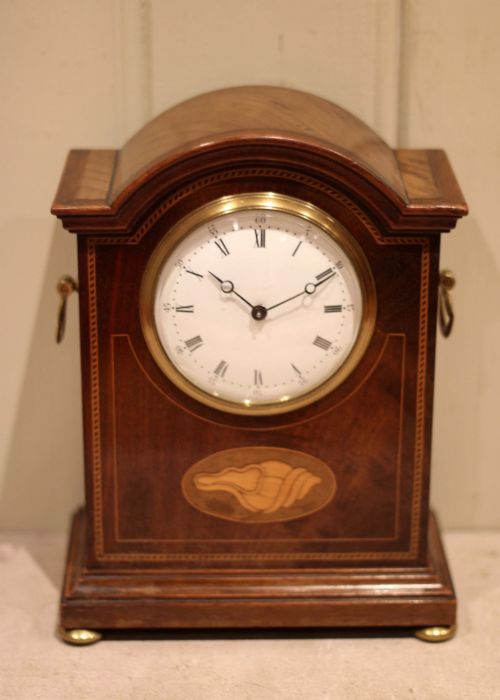
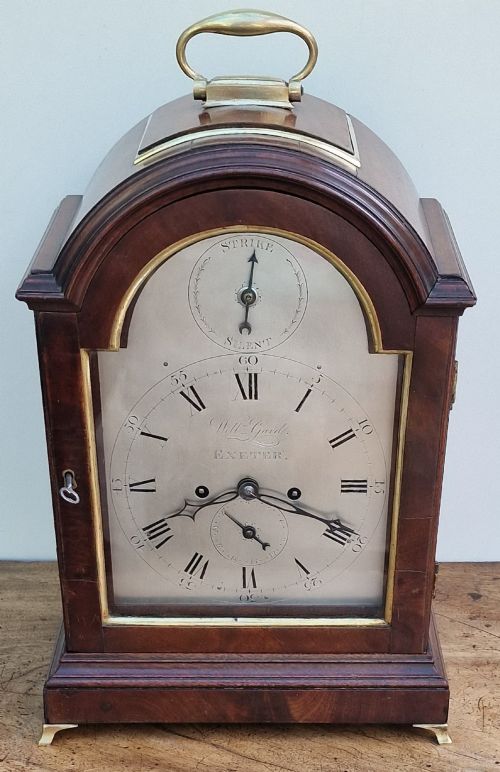
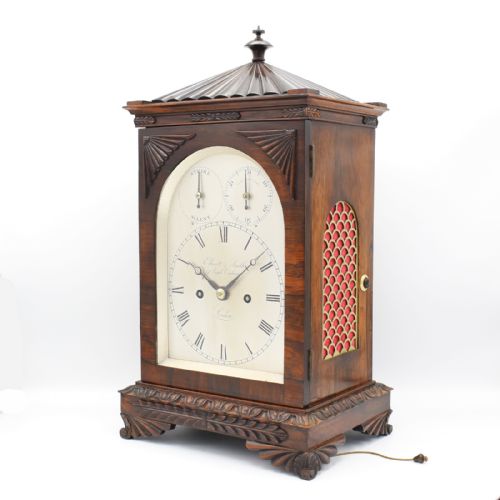
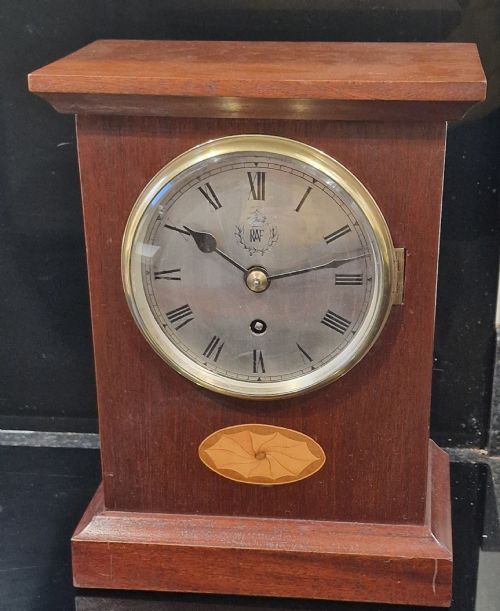
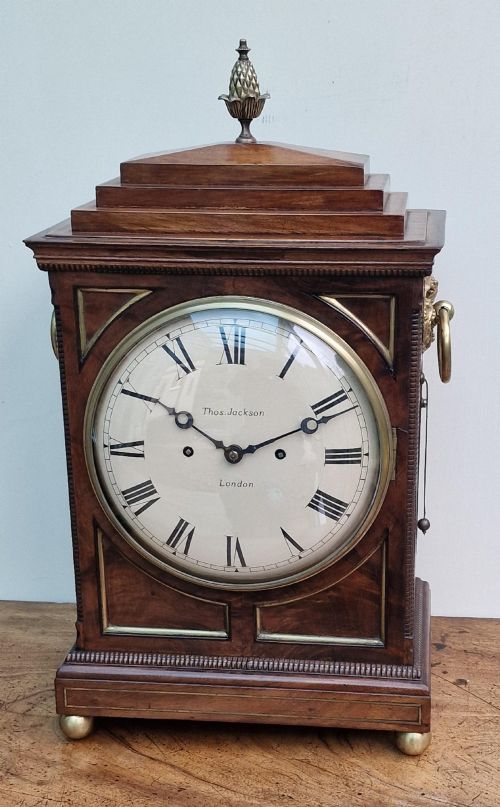
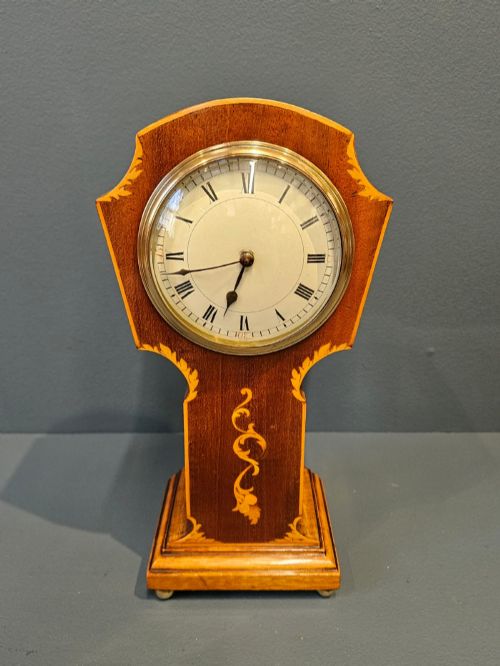
A brown mahogany mantel clock sits comfortably on a shelf, table, or bracket, serving both as a reliable timekeeper and a decorative focal point in a room. When you search for a brown mahogany mantel clock, you encounter forms ranging from simple Edwardian timepieces to complex Georgian and Regency bracket clocks.
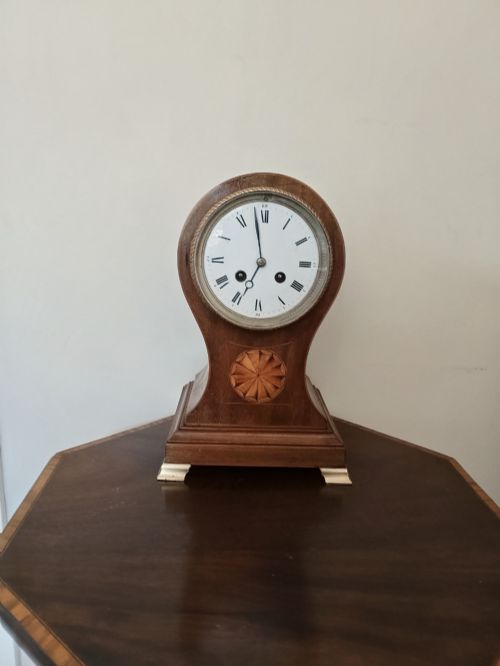
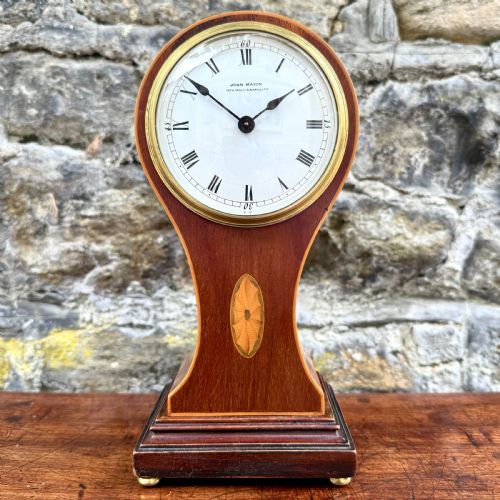
The selection on this page draws heavily from the Edwardian era, the Victorian period, and earlier Georgian and Regency workshops. Pieces appear in various regional and London styles, including balloon cases, lancet tops, and architectural library designs.
Makers recorded in these listings span provincial watchmakers and esteemed London firms alike. Each example reflects the prevailing taste of its decade, utilising rich mahogany timbers polished to a warm finish.
Materials and construction methods
Internal movements required brass plates, wheels, and escapements, driven by weights or tensioned springs through fusee or double barrel systems. Dials combine white enamel chapters with fine steel hands, protected behind bevelled glass doors.
Distinguishing quality in timber and movement
The upper tier of these clocks is defined by the selection of figured mahogany veneer and the crispness of hand-cut boxwood or satinwood inlay. Finer examples display harmonious proportions, substantial brass fittings, and well-documented maker signatures on the dial or movement backplate.
Lesser pieces show simpler construction, plain timber grain without careful matching, and movements by unknown regional makers that lack sophisticated strike or fusee mechanisms. The integration of the dial, case timber, and movement condition ultimately determines the standing of the piece.
William Gard·Mappin & Webb·Ellicott & Smith·Thomas Jackson·Bush of London·L. Vick of Stroud·Webster Cornhill London·Thomas Moss·Dent·Cording of London·W. Burton·Piggin Norwich·Geo. Carter Hackney·Wilkinson Leicester·J Kingerley Manchester·Hyde of Salisbury
The Brown Mahogany Mantel Clock Glossary
- Fusee
- A conical pulley used in spring-driven clocks to maintain an even pull as the mainspring unwinds. This mechanism ensures more consistent timekeeping throughout the power reserve.
- Bracket clock
- A portable clock originally designed to sit on a wall bracket or a tabletop. Many feature carrying handles and glazed side panels to display the movement.
- Timepiece
- A clock that tells the time without striking hours or quarters. These simpler movements require fewer internal components than striking or chiming equivalents.
- Inlay
- Pieces of contrasting wood, such as satinwood or boxwood, fitted flush into the mahogany case to form geometric lines or decorative motifs. It adds visual depth to the polished surface.
Brown Mahogany Mantel Clock: Frequently Asked Questions
What is a fusee movement?
A fusee movement uses a conical pulley connected to the mainspring by a cord or chain. This clever device equalises the diminishing force of the spring as it runs down.
Clocks with fusee movements generally maintain superior accuracy compared to standard spring-driven alternatives.
How do I wind my clock?
Most spring-driven clocks require a specialised key inserted into the dial holes to tension the mainsprings. Care must be taken not to overwind the mechanism.
Consulting the specific requirements of your movement ensures the safe ongoing operation of the clock.
Where should I place a mantel clock?
Mantel clocks suit stable, level surfaces away from direct sunlight, dampness, and severe temperature fluctuations. A sturdy shelf or mantelpiece prevents vibrations that might interfere with the pendulum or balance wheel.
Ensuring the clock sits level is essential for the escapement to beat evenly.
How do I identify an Edwardian clock?
Edwardian clocks, dating from the early twentieth century, frequently feature lighter mahogany cases with delicate satinwood or boxwood inlay. They often house reliable timepiece or striking movements.
Proportions tend to be neat and domestic, reflecting the interior tastes of the Edwardian period.
What does a striking mechanism do?
A striking mechanism sounds a bell or gong on the hour and sometimes the half-hour to indicate the time audibly. These systems require separate gear trains driven by their own springs or weights.
Clocks without striking mechanisms are known simply as timepieces.