


Brown Horse Sporting Print
A brown horse sporting print captures the drama of the turf, the hunting field and the show ring through Victorian and mid-century imagery.
Brown Horse Sporting Print
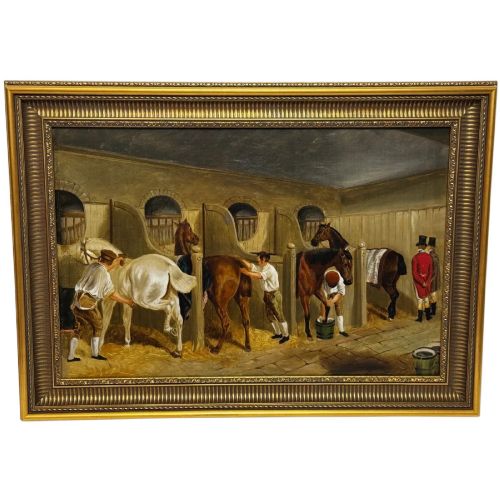
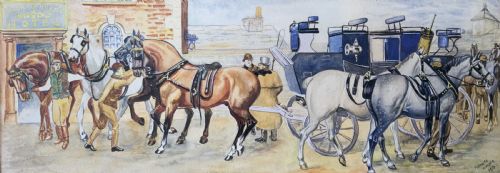
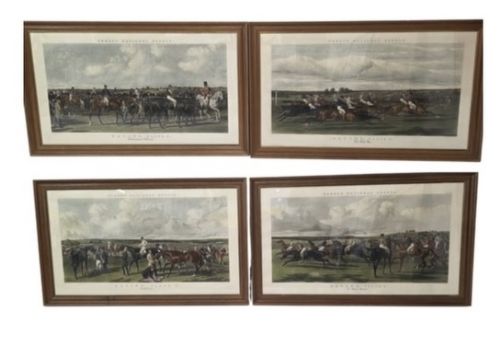
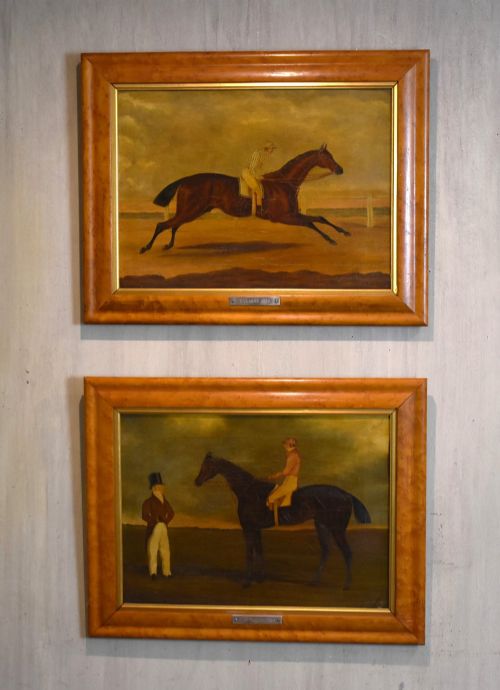
When you search for a brown horse sporting print, you encounter framed works capturing equestrian subjects from the nineteenth and twentieth centuries. These pieces encompass original watercolours, oil paintings, aquatints and hand-finished prints depicting racing, hunting and stable scenes.
The selections available range from early Victorian racehorse portraits and coaching watercolours to mid-century rodeo scenes and military-tinged sporting prints by named artists. Victorian sporting art and Edwardian works dominate the selection, often presented within period wood or gilt frames.
How they were made
Makers of these sporting works utilised ink, watercolour and oil paint applied to paper or canvas to render the musculature and spirit of the animals. Printmakers employed aquatint and engraving techniques, frequently adding hand-colouring to heighten the detail of the subjects.
Framing forms an integral part of the survival of these pieces, utilising oak frames and gilt wood mouldings from the period to protect the delicate paper or canvas surfaces from environmental damage.
Listings span periods from the nineteenth century through the 1960s, incorporating paper, canvas, oak, and gilt wood.
What varies in quality
Quality rests upon the precision of the draughtsmanship and the fidelity with which the artist captures the anatomy and motion of the horse and rider. Works by documented hands or established sporting artists command greater regard for their artistic authority.
The integrity of the original framing, the clarity of the ink or pigment, and the absence of heavy staining on the paper surface distinguish superior examples from standard decorative pieces.
John Frederick Herring Snr·John Rattenbury Skeaping·Alfred Wheeler·H. Alken
The Brown Horse Sporting Print Glossary
- Aquatint
- An intaglio printmaking technique that produces tonal areas resembling watercolour washes. It was frequently utilised in the production of nineteenth-century sporting prints.
- Gilt wood
- Wood coated with a thin layer of gold leaf or gold paint. This material forms the ornate frames commonly found on Victorian oil paintings.
- Sporting art
- Fine art depicting bloodstock, racing, hunting, and rural pursuits. It forms the primary category for equestrian imagery across the nineteenth and twentieth centuries.
- Watercolour
- A painting method in which the paints are made of pigments suspended in a water-based solution. It appears frequently in coaching and equine studies from the early twentieth century.
Brown Horse Sporting Print: Frequently Asked Questions
What is a brown horse sporting print?
These pieces comprise framed artworks and prints depicting horses in racing, hunting, or portrait settings. They date primarily from the Victorian era through to the mid-twentieth century.
The imagery reflects Britain's long equestrian heritage, ranging from formal racehorse portraits in oils to characterful prints by military and sporting artists.
How should I hang these framed works?
Protect the paper, canvas, and original gilt or oak frames by avoiding direct sunlight and excessive humidity. Stable indoor temperatures preserve both the pigments and the wood.
Use secure wall fixings suited to the weight of the heavier oil paintings and multiple-print sets to ensure safe display.
How do I identify Victorian pieces?
Victorian examples typically feature subjects related to nineteenth-century racing, coaching, or hunting, executed in oils, watercolours, or early print mediums. The framing materials and paper ageing offer additional clues.
Stylistic conventions of the period prioritise realistic equine anatomy and detailed paddock or landscape backgrounds.
Are these works original?
The selection includes original oil paintings, unique watercolours, and period print editions produced during the nineteenth and twentieth centuries. Each listing details the specific medium used.
Signatures, inscriptions, and plate marks help verify the age and production method of individual pieces.