

Brown Glazed Pottery Vessel
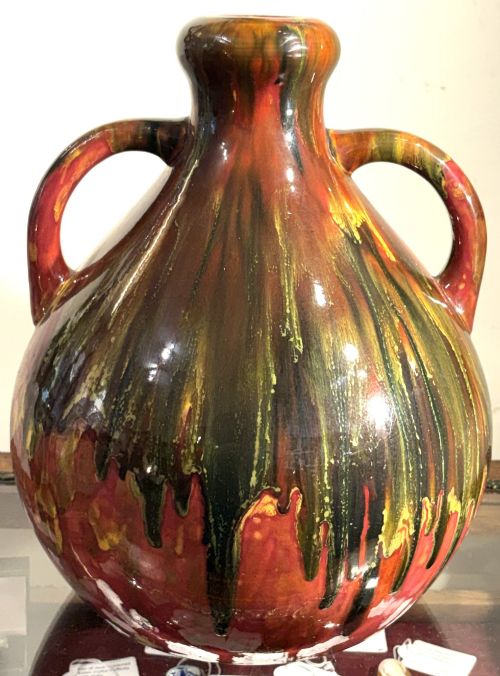
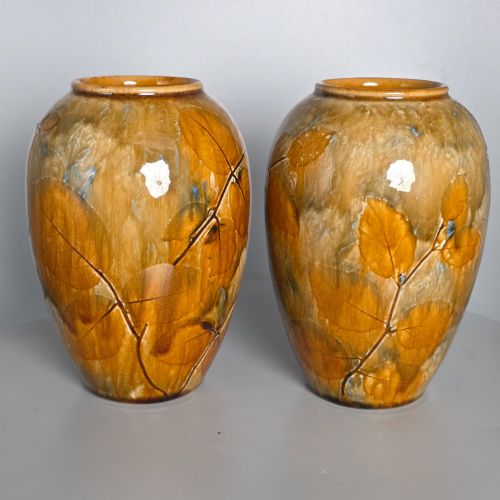
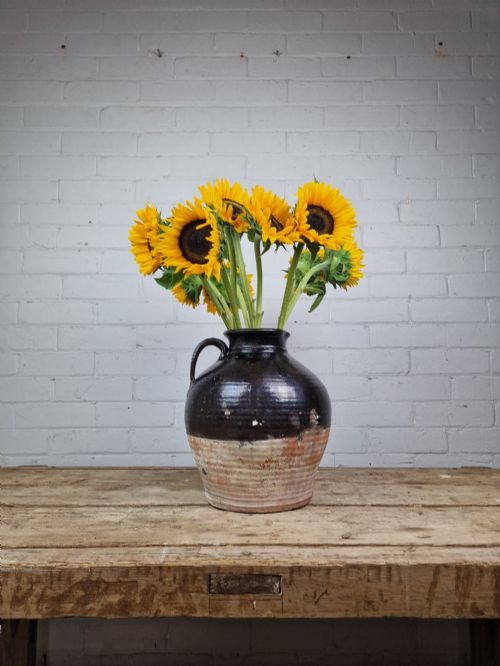
A brown glazed pottery vessel brings earthy depth and historical utility to a room through fired clay and rich, lustrous finishes.
Brown Glazed Pottery Vessel
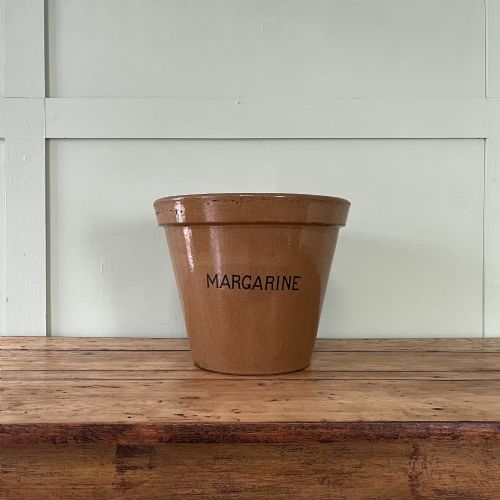
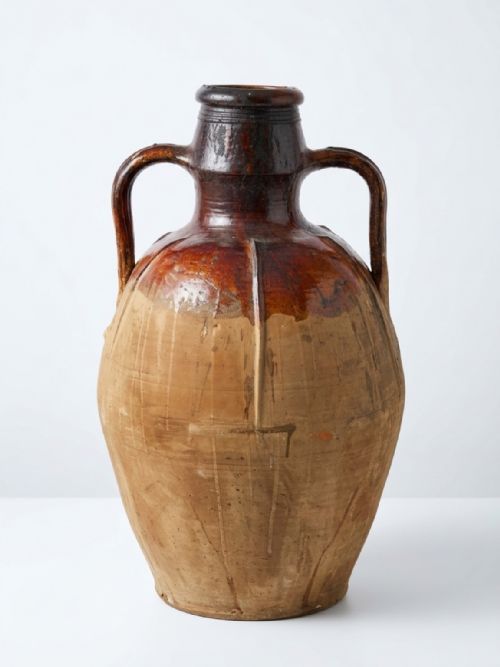
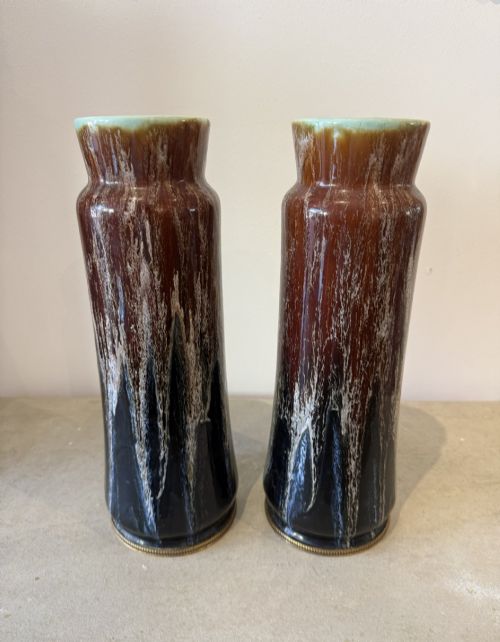
A brown glazed pottery vessel is a utilitarian or decorative container forged from clay, encompassing everything from everyday jugs and storage crocks to elaborate Victorian art pottery and tall vases.
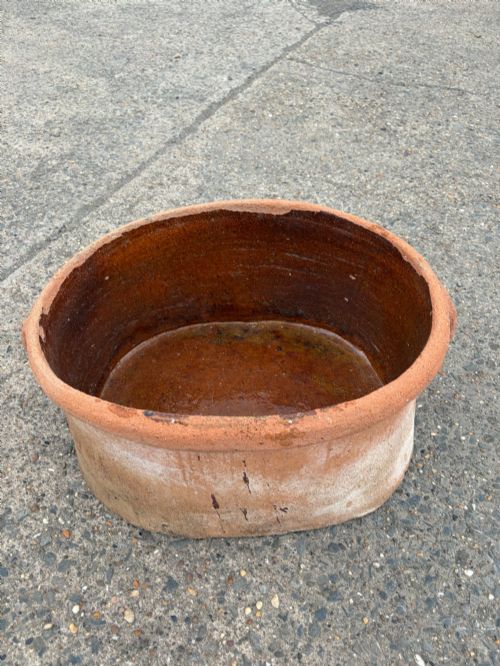
Buyers seeking this phrase encounter a heavy concentration of nineteenth-century and early twentieth-century pieces, particularly salt-glazed stoneware and earthenware shaped during the Victorian and Edwardian eras.
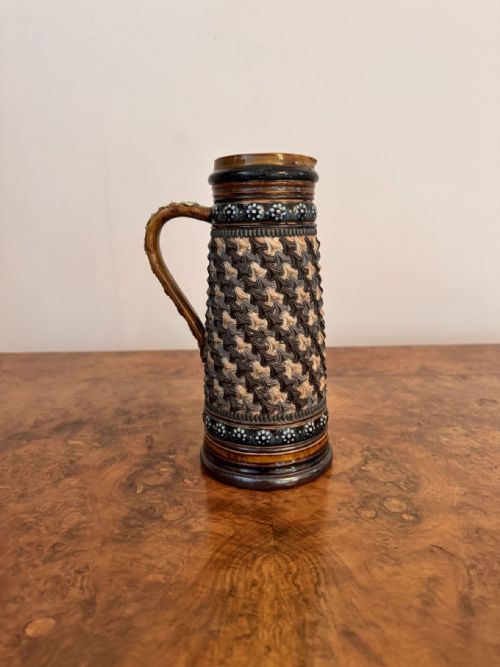
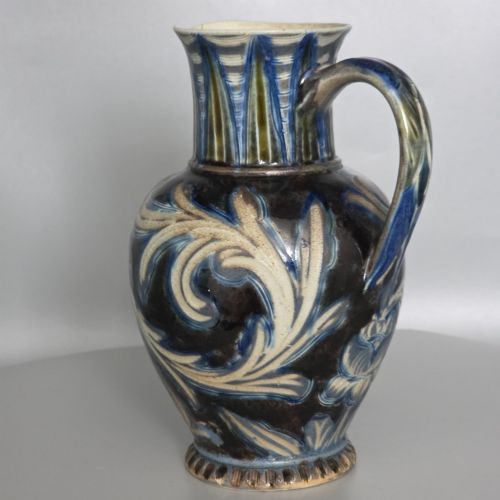
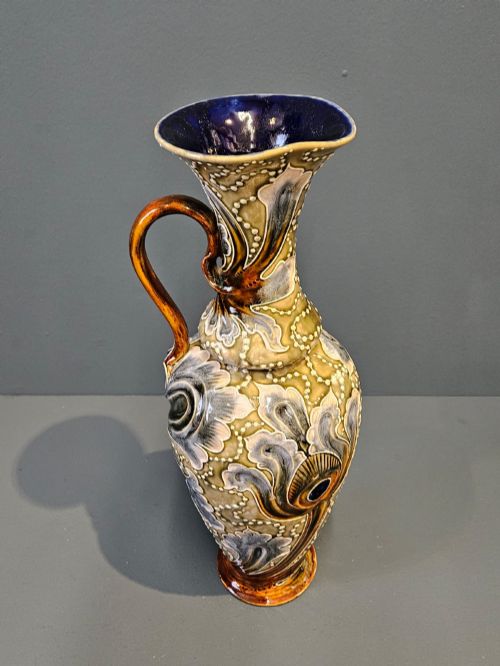
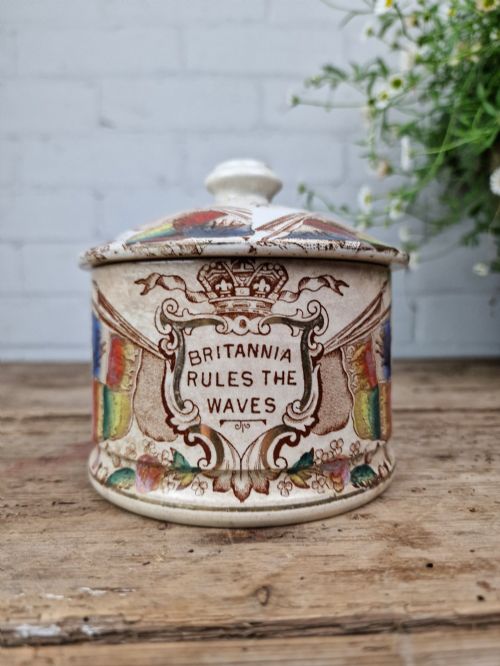
Common forms on this page range from utilitarian wine bottles and butter dishes to ornate ewers, teapots, and large decorative vessels adorned with incised patterns or metallic collars.
How they were made
Potters built these items using foundational ceramic materials like stoneware, terracotta, and earthenware, often throwing the clay on a wheel before applying mineral-rich liquid glazes.
Many utilitarian and decorative pieces utilised salt glazing, where common salt thrown into the kiln vaporised to bond with the silica in the clay body and create a characteristic orange-peel texture.
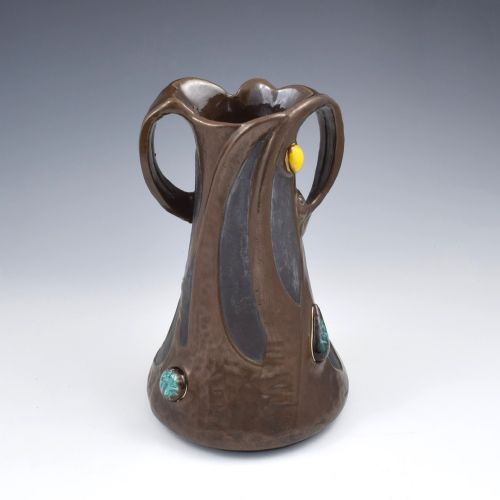
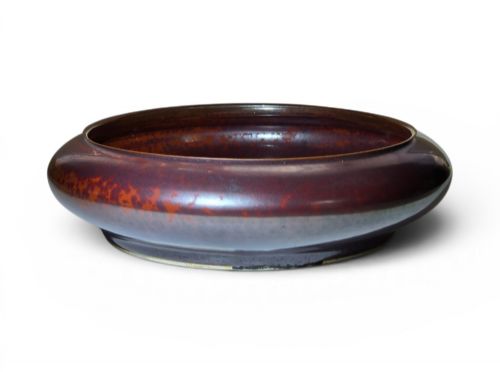
Art pottery pieces integrated slipware techniques, incised decoration, or applied copper and jewelled effects, capturing the aesthetic movements of the late nineteenth and early twentieth centuries.
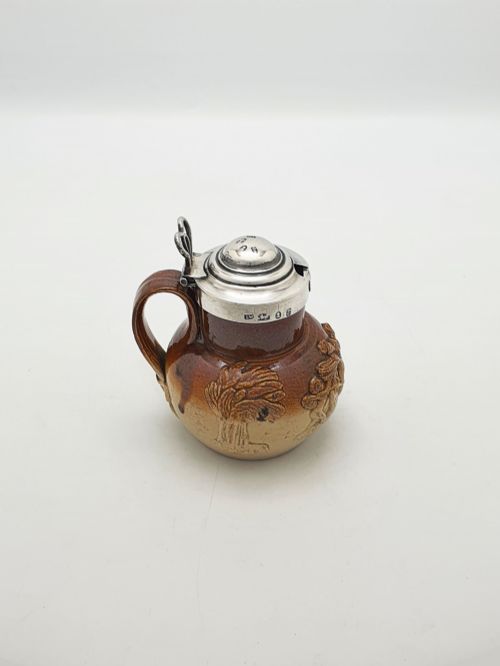
Turtle soup found a home in specialised tavern jars, preserving maritime delicacies inside sturdy nineteenth-century brown earthenware.
What varies in quality
Quality separates mass-produced utilitarian containers from bespoke pieces through the crispness of incised decoration, the evenness of the brown glaze, and the precision of factory or artist stamps.
The sophistication of the form and the integration of subsidiary materials, such as sterling silver collars and hinged lids, elevate certain utilitarian vessels into high art pottery.
Royal Doulton·Doulton Lambeth·Boch Freres·Bretby Pottery·Wileman Intarsio·Burmantofts Faience·Sarreguemines·Mettlach Pottery
The Brown Glazed Pottery Vessel Glossary
- Salt glaze
- A vitreous coating formed on stoneware by throwing salt into the hot kiln during firing, producing a pitted texture resembling orange peel. This process creates a durable waterproof surface suited for storage vessels.
- Stoneware
- A heavy, dense ceramic fired at high temperatures until semi-vitrified, rendering it completely impermeable to liquids without requiring interior glazing. It forms the body of many nineteenth-century jugs and crocks.
- Slipware
- Pottery decorated with slip, which is liquid clay of a different colour applied to the wet body before firing, often manipulated into marbled or trailed patterns. This technique appears on early English and continental pieces.
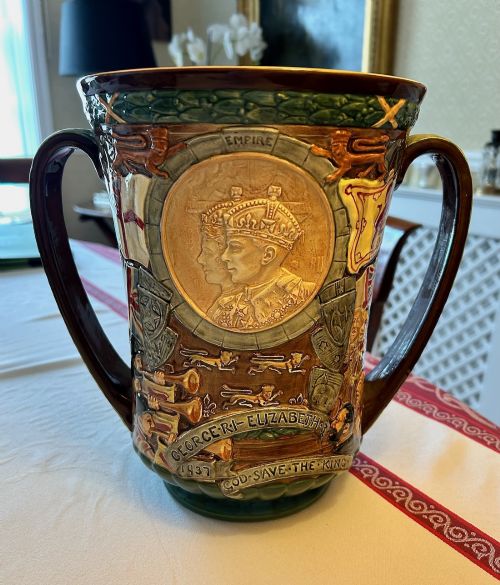
- Tyg
- A large drinking vessel featuring three or more handles designed to be passed around a communal table during gatherings. These sturdy items date back to the seventeenth century and earlier.
- Earthenware
- Porous pottery fired at lower temperatures than stoneware, requiring an applied glaze to hold liquids. It underpins much of the terracotta and decorative majolica seen in later periods.
Brown Glazed Pottery Vessel: Frequently Asked Questions
How do I clean a vintage stoneware vessel?
Maintenance requires only gentle washing with warm water and a mild soap to preserve the original glaze and any historic patina. Harsh scrubbing pads must be avoided to protect the surface finish.
Stoneware and glazed earthenware tolerate careful cleaning well, but pieces featuring silver mounts or fragile applied details demand extra caution around those specific metallic or decorative elements.
How can I tell Victorian salt glaze from later copies?
Authentic period salt glaze exhibits a distinctive orange-peel texture caused by salt vaporization inside nineteenth-century coal-fired kilns. The weight, density of the clay body, and hand-tooled finishing marks provide reliable indicators of age.
Maker marks, incised artist initials, and specific stylistic cues from movements like Arts and Crafts or Art Nouveau further anchor a piece securely within the Victorian or Edwardian periods.
Can I display fresh flowers in these antique vases?
Water-tight stoneware and glazed ceramic vessels generally hold fresh water safely without damaging the interior body. However, porous earthenware or pieces with historic hairline cracks benefit from a concealed inner container to prevent moisture seepage.
Evaluating the interior glaze and overall structural integrity ensures the vessel remains suitable for functional display alongside its historical value.