

Brown Glazed Cupboard
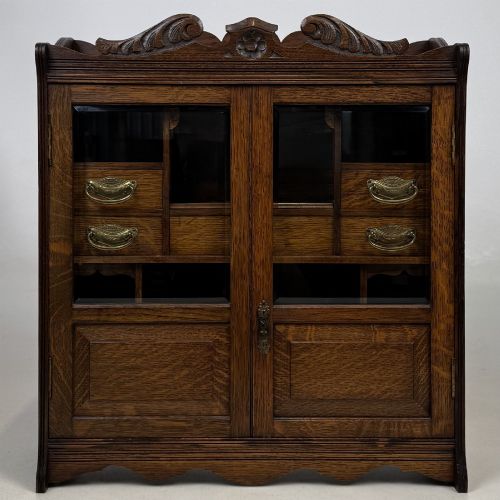
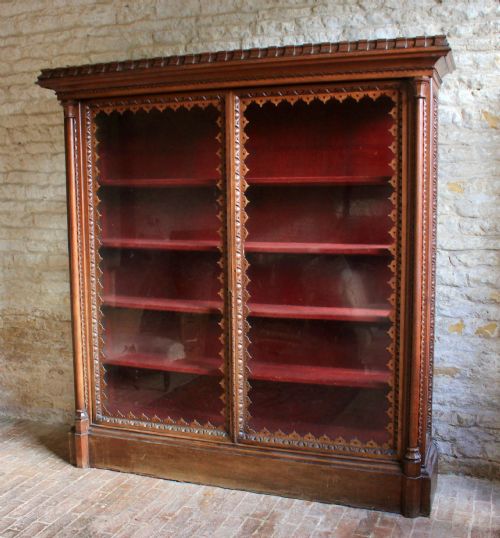
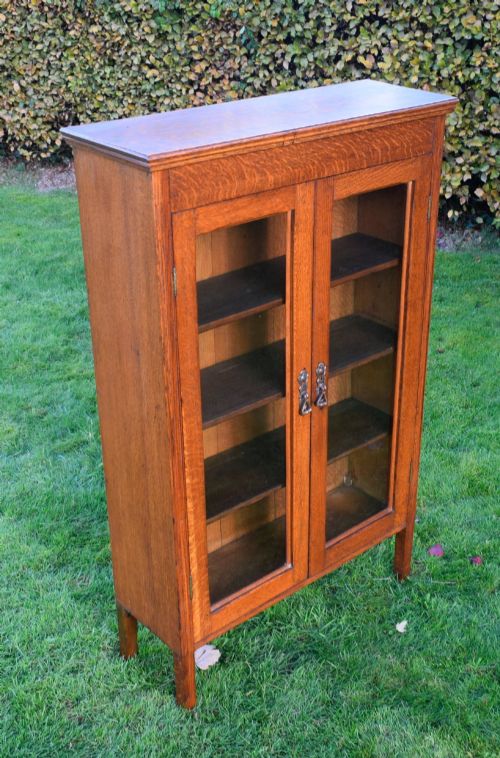
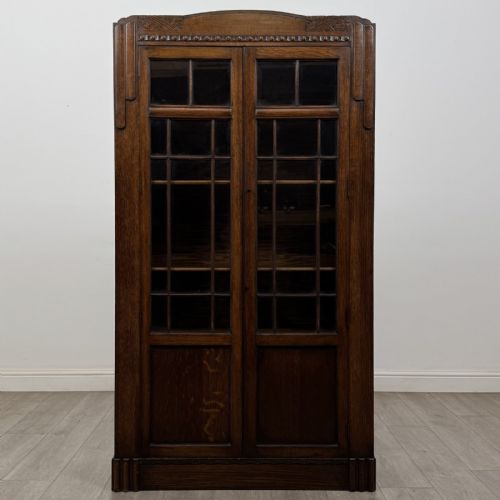
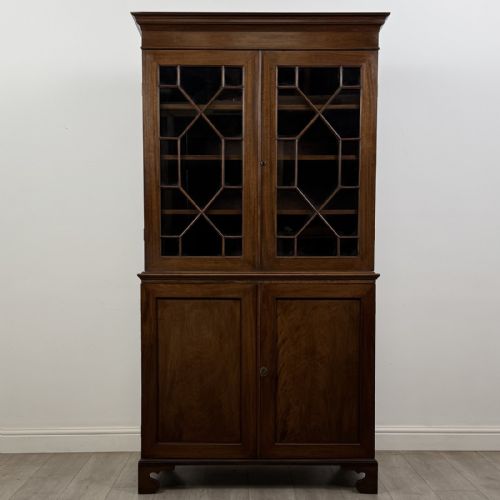
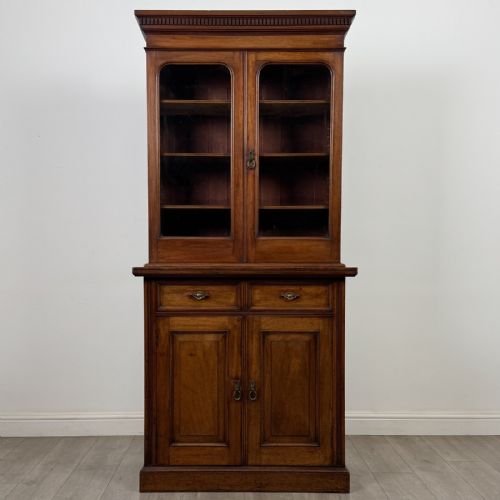
A brown glazed cupboard brings together warm timber frames and glass panels, offering a practical way to store and display books, ceramics or collections.
Brown Glazed Cupboard
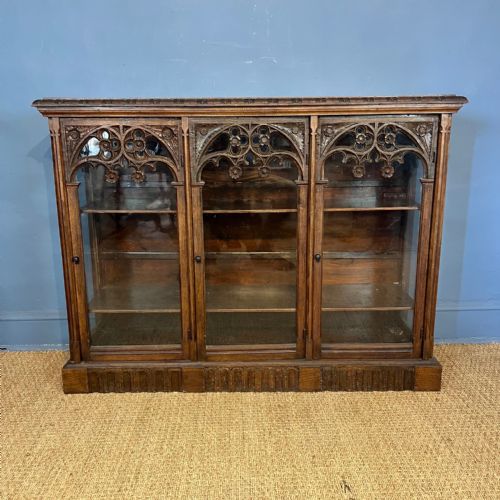
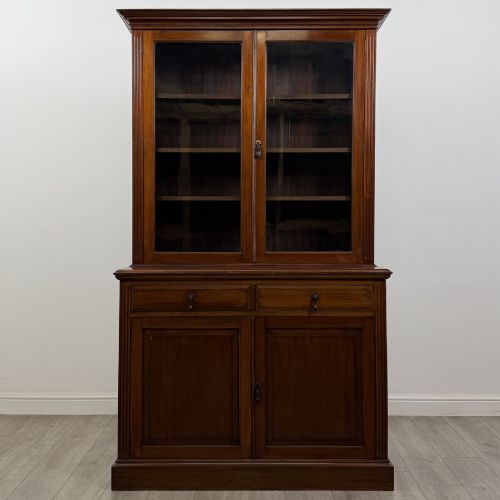
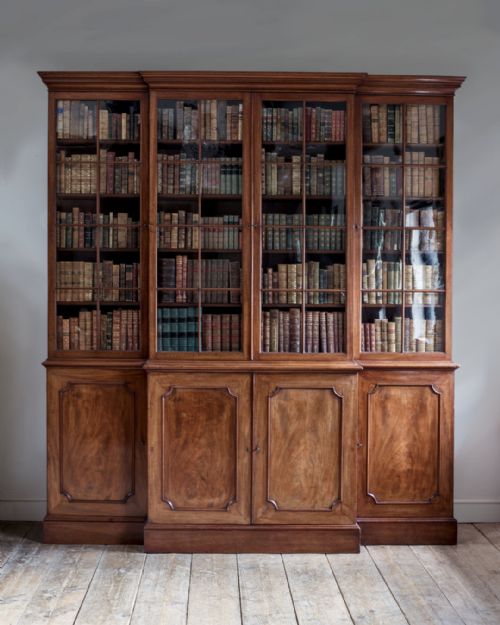
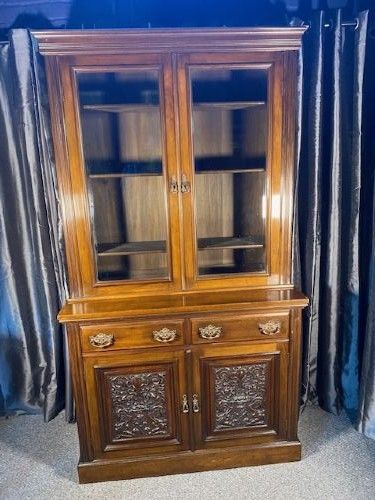
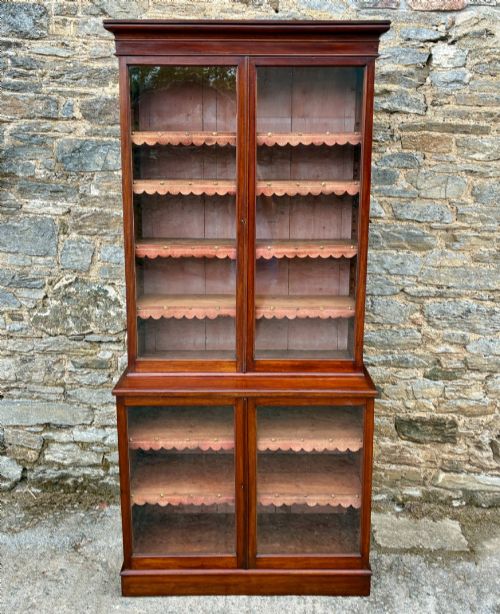
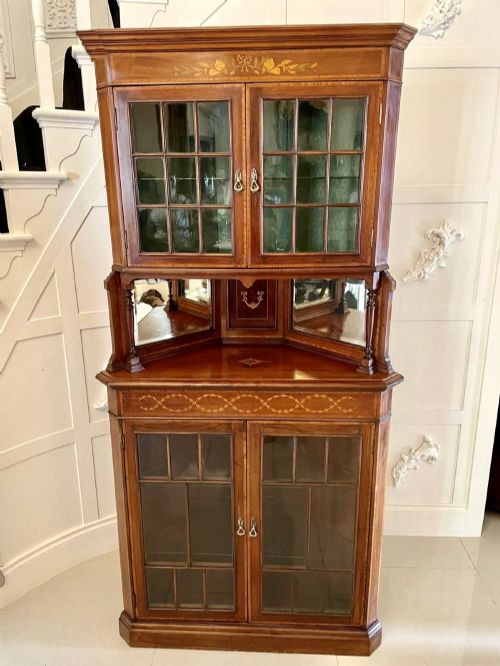
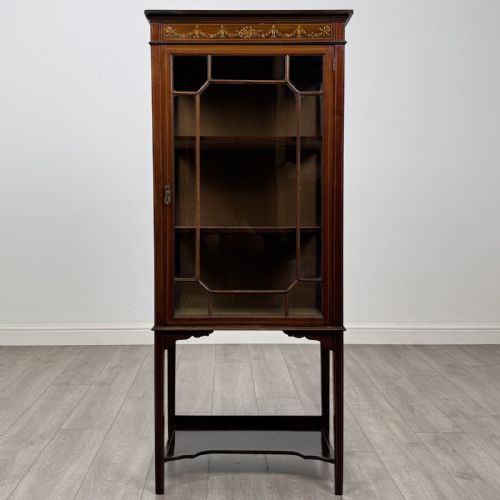
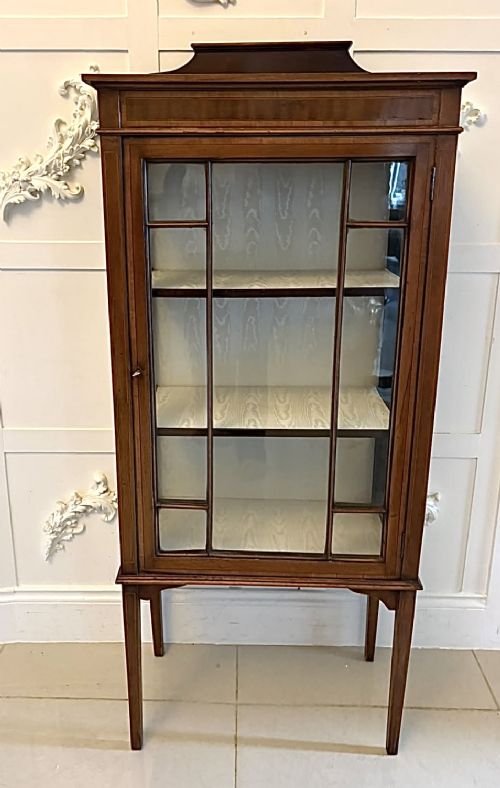
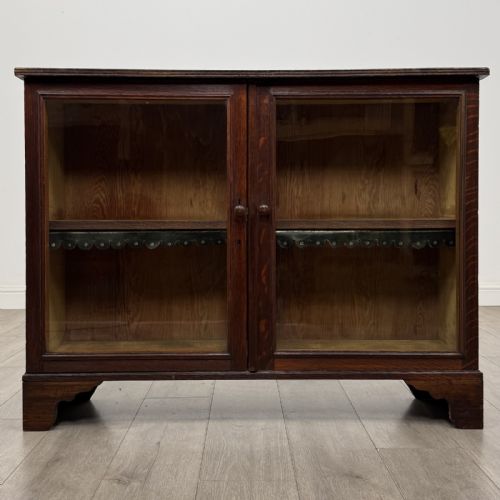
A brown glazed cupboard encompasses a variety of timber storage pieces designed with glass doors, ranging from tall library bookcases and breakfront cabinets to corner cupboards and music cabinets. When you search for a brown glazed cupboard, you encounter pieces primarily from the Victorian and Edwardian eras, alongside examples spanning the eighteenth century to the art deco period.
The selection includes tall oak school library bookcases, walnut pier cabinets, mahogany display cabinets, and Welsh dressers featuring glazed upper sections. Makers constructed these items in styles such as Sheraton Revival, Arts and Crafts, Dutch Baroque, and Regency, utilising rich woods like mahogany, oak, and walnut.
Materials and construction methods
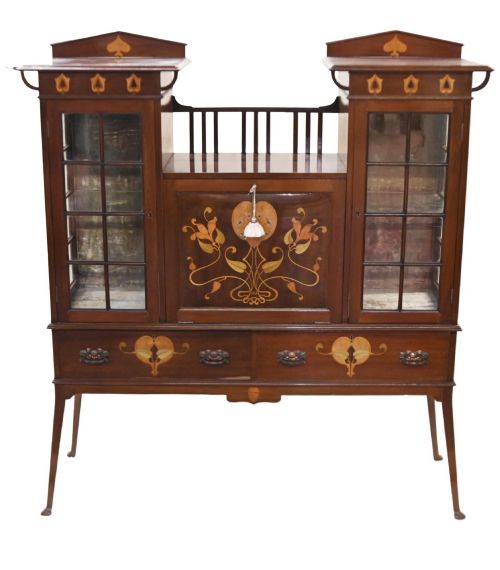
Cabinet makers relied heavily on solid and veneered timbers, particularly mahogany, oak, and walnut, often accentuating the grain with burr walnut, satinwood, or marquetry inlay. Brass hardware, lead cames holding individual glass panes, and occasionally fabric linings provide structural and decorative detail.
Joinery methods varied from standard tongue and groove to intricate carved decorations, inlaid stringing, and linenfold panelling. Glazed doors incorporate timber astragal bars to divide the glass into smaller panes, protecting the interior while maintaining visibility.
Brown Glazed Cupboard Retail Price Guide 2026
Typical asking prices for brown glazed cupboard among the pieces listed under this phrase on Sellingantiques today, from the lower quarter to the upper quarter. They describe what is for sale here now, not the wider market.
Several surviving cabinets were built specifically to file sheet music, proving that Victorians took their parlour piano practice very seriously.
Distinctions in craftsmanship and finish
The distinction between standard utility storage and superior cabinet work rests in the selection of timber figures, such as figured mahogany or burr walnut, and the precision of inlaid decoration. Finer examples display meticulous hand-carved elements, original painted decoration, or delicate astragal glazing bars.
Structural integrity and original components dictate the standing of a piece, including functioning locks with original brass keys, smooth-sliding drawers, and adjustable shelving supported by sturdy internal racks. The proportion of timber frames to glass and the harmony of period styling also separate ordinary production from exceptional work.
Gillows
The Brown Glazed Cupboard Glossary
- Astragal glazed
- A method of framing glass doors with narrow timber mouldings divided into geometric patterns or panes.
- Breakfront
- A cabinet design where the central section projects forward from the flanking outer sections.
- Pier cabinet
- A low freestanding cabinet designed to fit narrow wall spaces between windows or doors.
- Linenfold
- A carved wood panel motif resembling folded parchment or fabric, common on oak furniture.
- Marquetry
- Decorative veneer work forming pictorial or geometric patterns using various coloured woods.
Brown Glazed Cupboard: Frequently Asked Questions
What is a brown glazed cupboard?
A brown glazed cupboard is a wooden storage piece featuring glass doors, designed to exhibit items while keeping them dust-free. These range from tall library bookcases to compact corner cabinets.
They appear in various timbers including mahogany, oak, and walnut, spanning several centuries of cabinet-making traditions.
How do I date a glazed cabinet?
Dating relies on identifying the prevailing style, timber choices, and construction techniques associated with specific periods like the Georgian, Victorian, or Edwardian eras. Secondary clues include the type of glass, hinge design, and backboards.
Comparing the decorative motifs, such as Sheraton Revival inlay or Art Deco geometry, helps narrow down the decade of manufacture.
Where were these cabinets used?
These pieces served multiple rooms in historic homes, acting as library bookcases for literature, dining room display cabinets for china, or drawing-room vitrines for prized collections. Smaller versions functioned as music cabinets or corner cupboards.
Their enclosed shelving kept household items organised while fitting into the domestic layouts of the eighteenth, nineteenth, and early twentieth centuries.
How should I care for timber and glass?
Maintaining these cabinets involves keeping them out of direct sunlight and away from rapid temperature shifts that can warp timber or crack old veneers. Gentle dusting with a dry cloth preserves the finish.
Glass panels require standard glass cleaner applied sparingly to a cloth rather than sprayed directly, preventing moisture from seeping into the wooden frames.