

Brown Glazed Ceramic
Brown glazed ceramic pieces span utilitarian dairy crocks and sculptural ewers, offering tactile depth and rich earthenware tones for the home.
Brown Glazed Ceramic
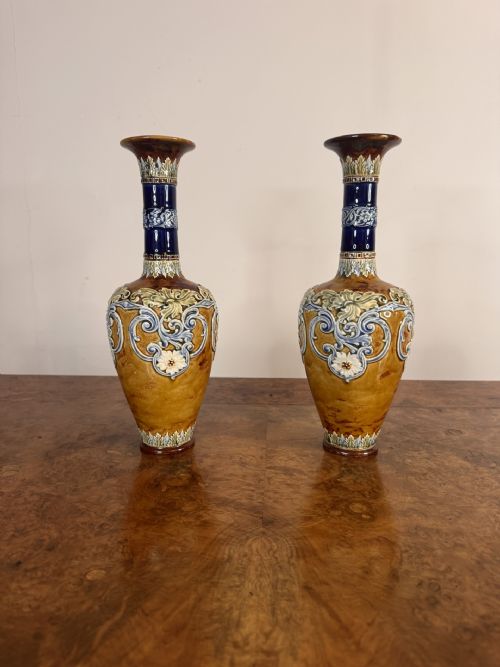
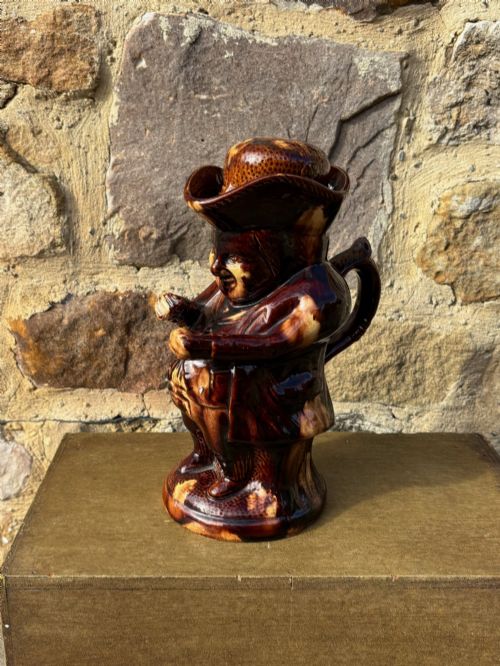
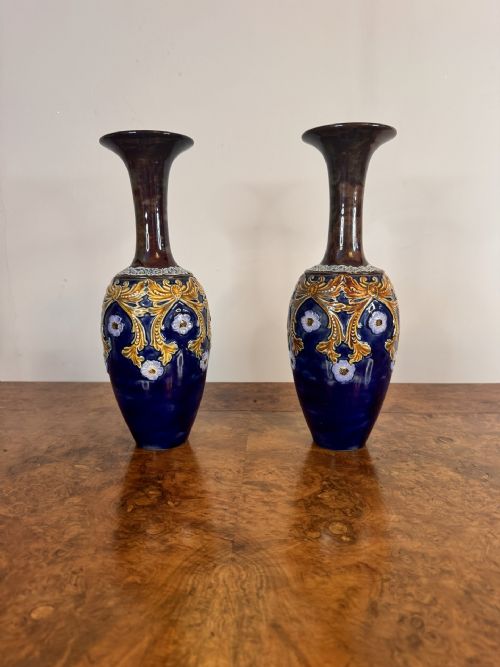
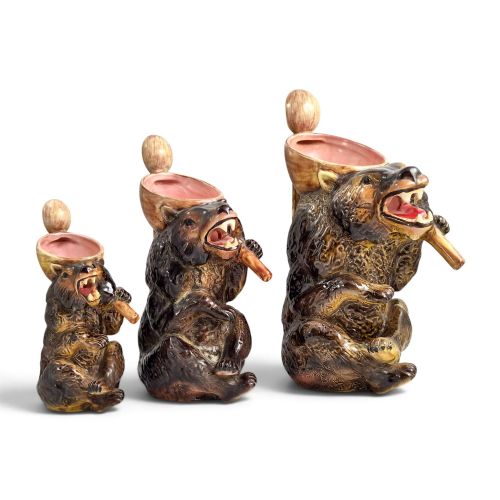
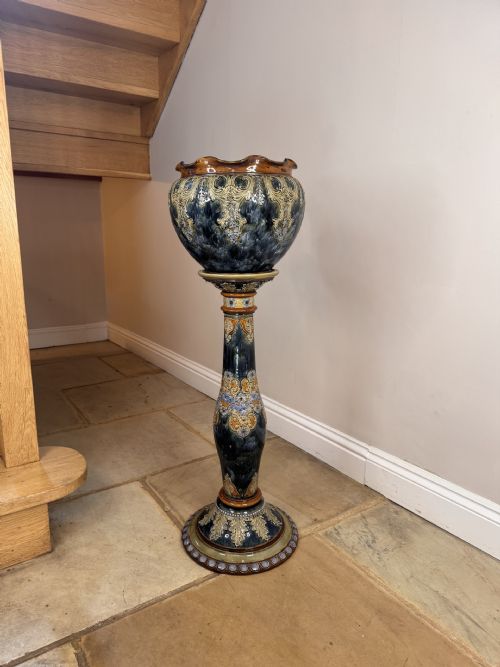
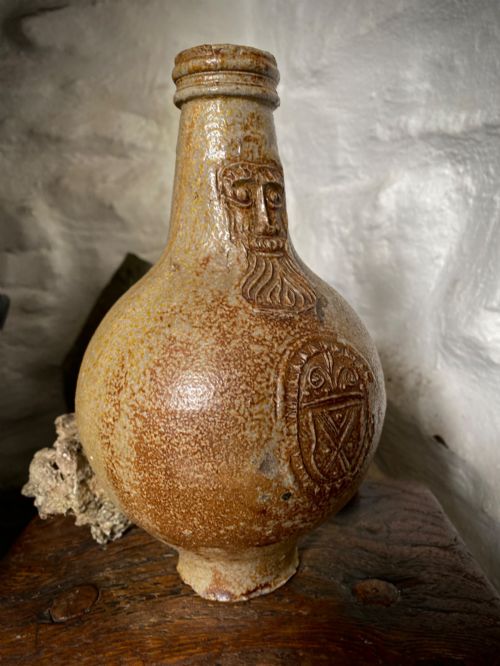
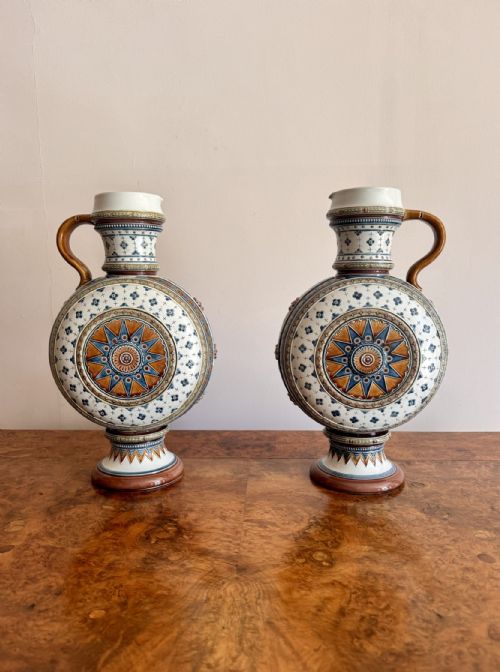
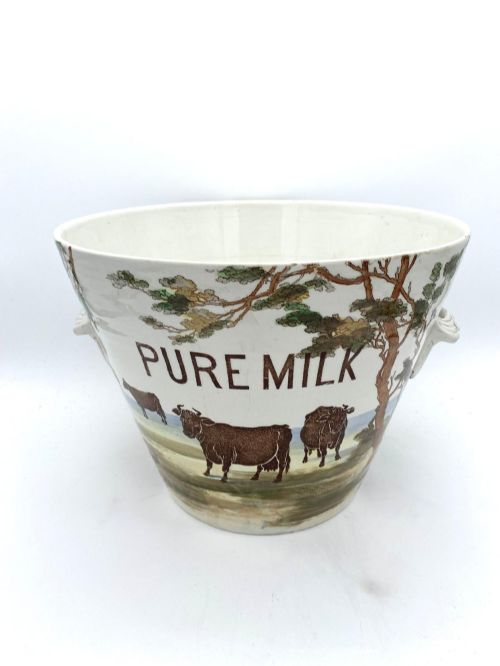
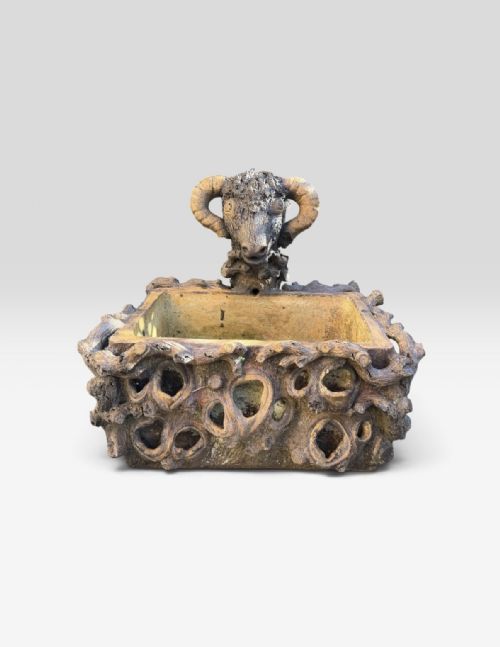
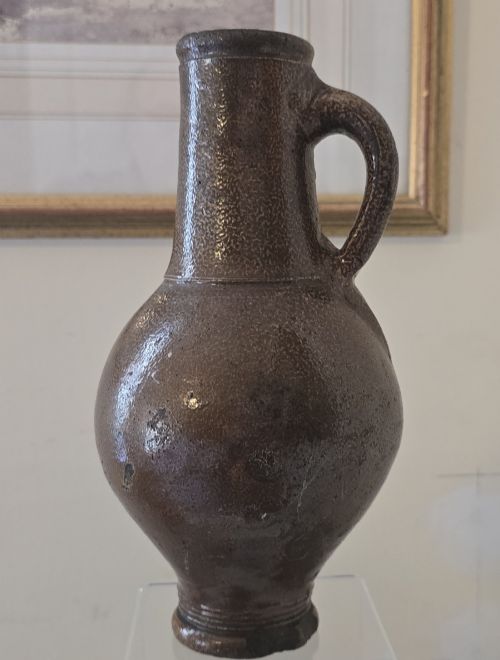
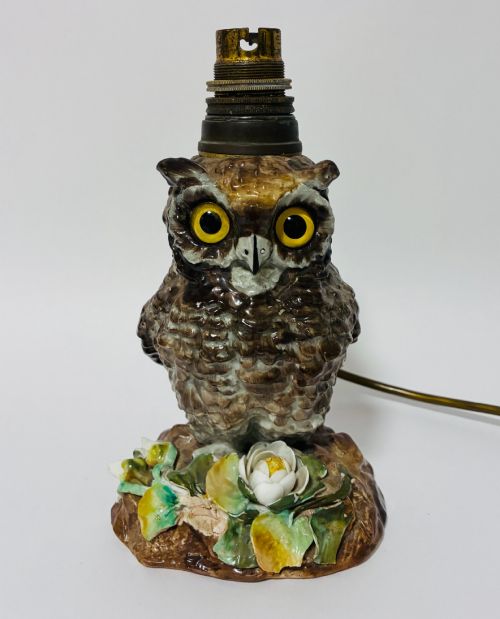
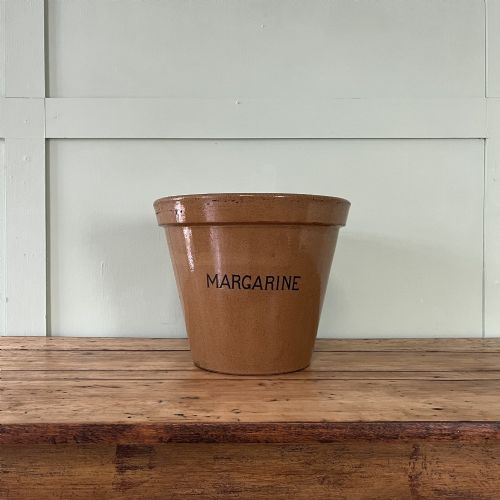
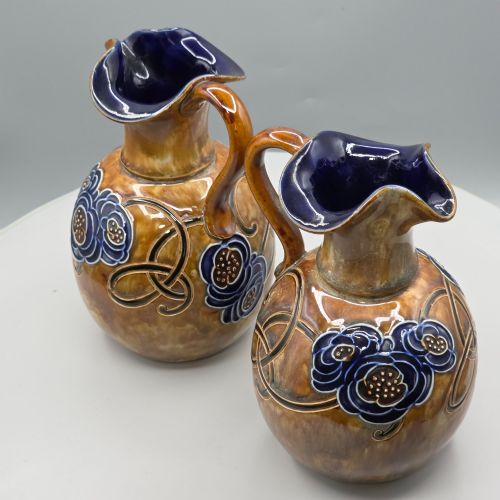
Brown glazed ceramic items range from robust utilitarian vessels like dairy bowls, salting crocks, and water filtration fountains to decorative ewers, vases, and figural lamp bases. These objects emerge predominantly from the nineteenth century alongside Victorian art pottery movements, capturing both everyday domestic utility and high decorative ambition.
The material takes many forms across the selection, moving from heavy stoneware and salt glaze through to terracotta and refined majolica. Makers shape these clays into familiar domestic gear and elaborate display pieces alike, uniting diverse functional origins under deep earthy surfaces.
How they were made
Potters shape local clays and heavier stoneware bodies on the wheel or press them into moulds before applying mineral-rich slips and translucent or opaque glazes. Firing at high temperatures vitrifies the stoneware and sets the characteristic salt-glaze textures or rich iron-bearing surfaces.
Cottage potteries and larger factories alike utilise specialised dipping and brushing techniques to coat the earthenware or terracotta bodies. Subsequent kiln firings fix the deep brown coloration and glossy finishes seen across the surviving dairy vessels and decorative vases.
Brown Glazed Ceramic Retail Price Guide 2026
Typical asking prices for brown glazed ceramic among the pieces listed under this phrase on Sellingantiques today, from the lower quarter to the upper quarter. They describe what is for sale here now, not the wider market.
A surprise drinking mug conceals a ceramic frog inside, designed to startle thirsty patrons as the ale disappears.
What varies in quality
The standard of a piece rests upon the crispness of the modelled detail and the depth achieved within the glaze itself. Richly variegated surfaces, clean throwing lines, and well-defined moulded motifs separate standard utility ware from ambitious studio output.
Weight and balance distinguish sturdier utilitarian vessels from delicate decorative items. Pieces retaining clear maker stamps or registration marks demonstrate superior factory provenance and careful finishing.
Villeroy and Boch·Fulham Pottery·Burmantofts·Royal Doulton·Doulton Lambeth·Seaton Pottery·Minton·Staffordshire·Bretby Pottery·George Jones·Sherwin and Cotton
The Brown Glazed Ceramic Glossary
- Salt glaze
- A finish achieved by throwing common salt into the kiln during high-temperature firing, creating a pitted texture akin to orange peel.
- Majolica
- A colourful lead-glazed earthenware popular during the Victorian era, known for vibrant tones and modelled plant or animal forms.
- Terracotta
- An unglazed or glazed hard-fired reddish-brown clay used extensively for garden planters and large storage jars.
- Slipware
- Pottery decorated with a thin layer of liquefied clay applied before firing to create surface patterns.
- Stoneware
- A dense, impermeable ceramic fired at high temperatures until the clay body vitrifies completely.
Brown Glazed Ceramic: Frequently Asked Questions
Can I use these planters outdoors?
Stoneware and heavy terracotta planters withstand garden use if brought indoors before freezing winter temperatures arrive. Freezing water trapped within the dense clay body can cause cracking.
Salt-glazed troughs and dairy crocks function well on patios or terraces during milder months.
How do I date a brown ceramic piece?
Examine the base for factory stamps, impressed registration marks, or incised maker ciphers. Stylistic cues such as Victorian relief moulding or Art Nouveau plant motifs also narrow down the production era.
Compare the weight and clay body type against known period manufacturing standards.
What is a frog mug?
A surprise drinking vessel featuring a small ceramic frog modelled inside the base or near the rim. The creature startles the drinker as the liquid level drops.
These pieces served as tavern novelties during earlier centuries.