




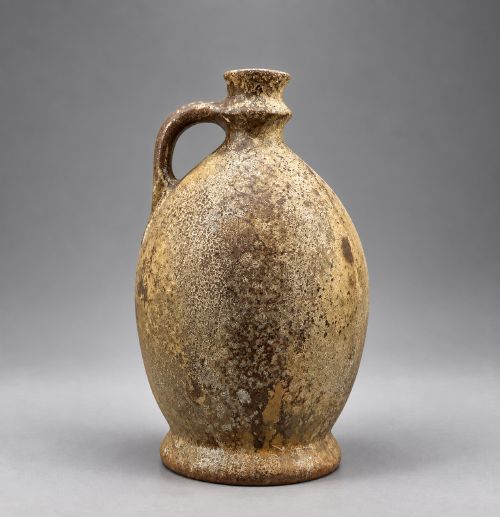
Brown Glaze Pottery
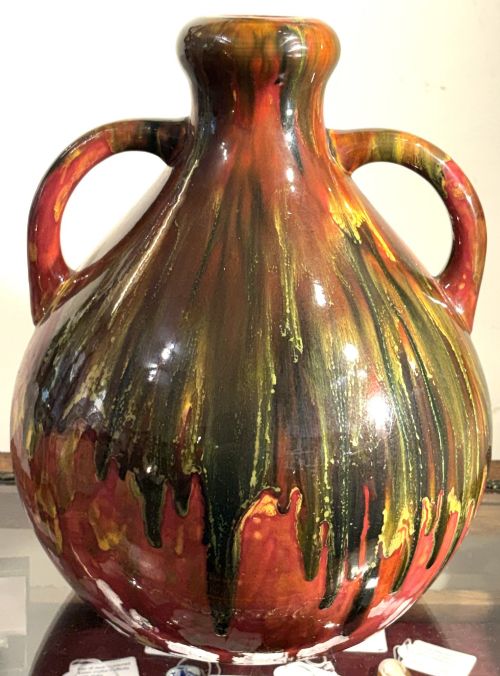
Brown glaze pottery spans centuries of utilitarian and decorative vessels, offering rich earthy tones and tactile surfaces that ground any room.
Brown Glaze Pottery
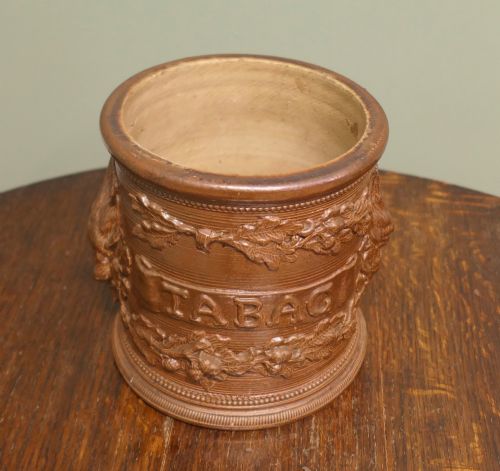
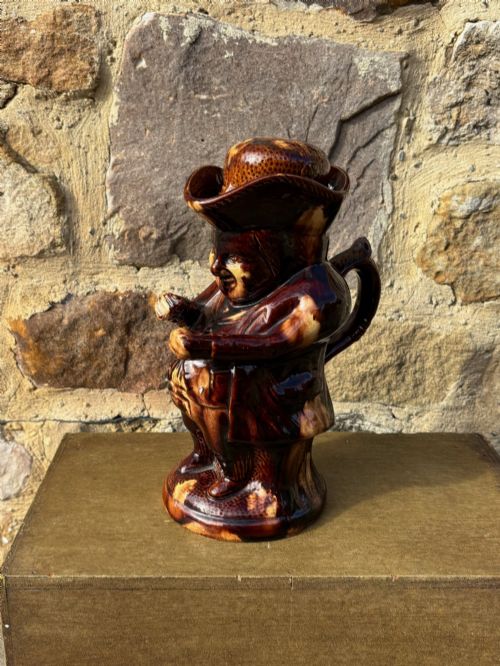
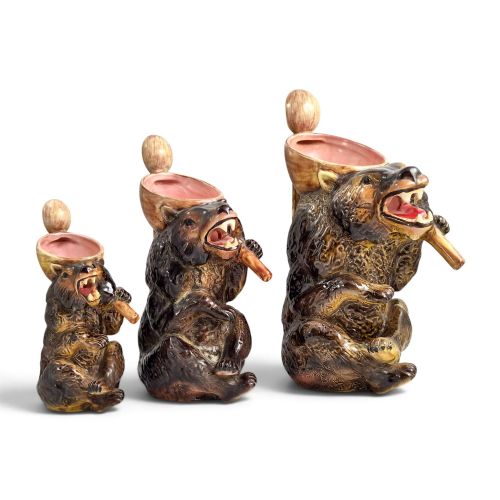
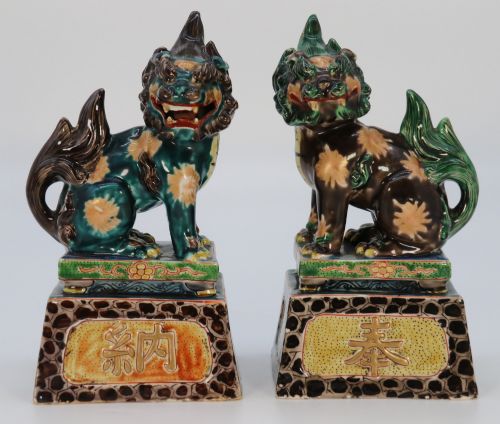
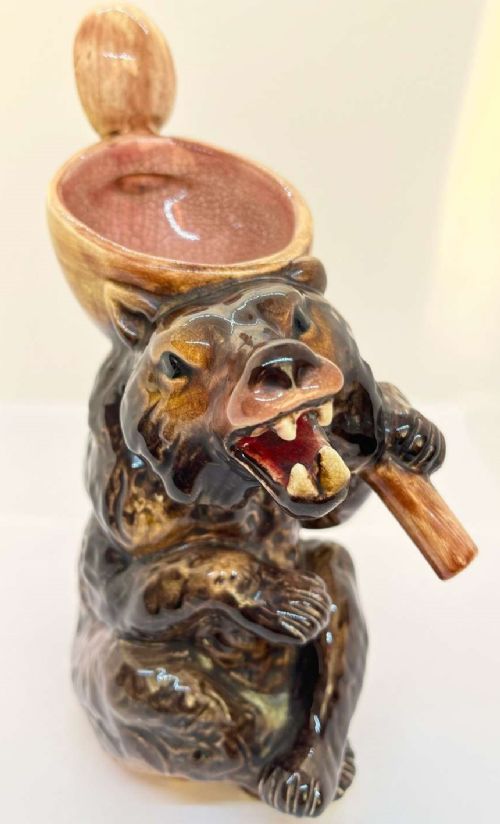
Brown glaze pottery encompasses functional kitchenware, decorative vases, and sculptural figures shaped from earthenware or stoneware bodies. Pieces range from utilitarian vessels like jugs and jars to ornate Victorian majolica and art pottery.
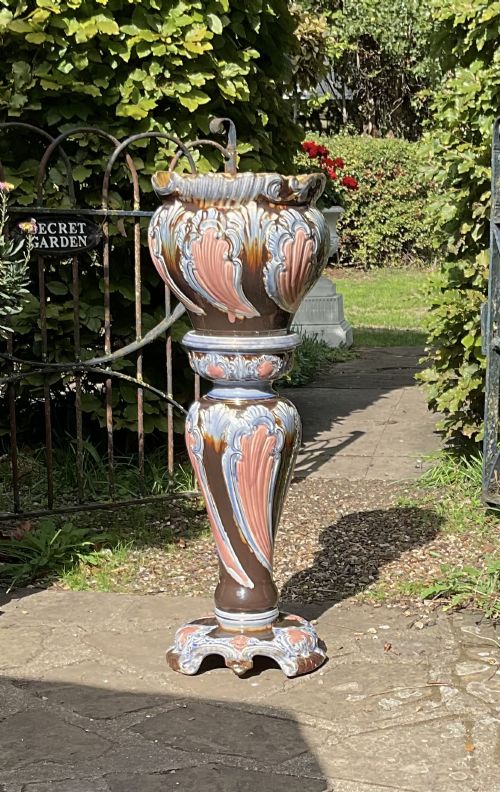
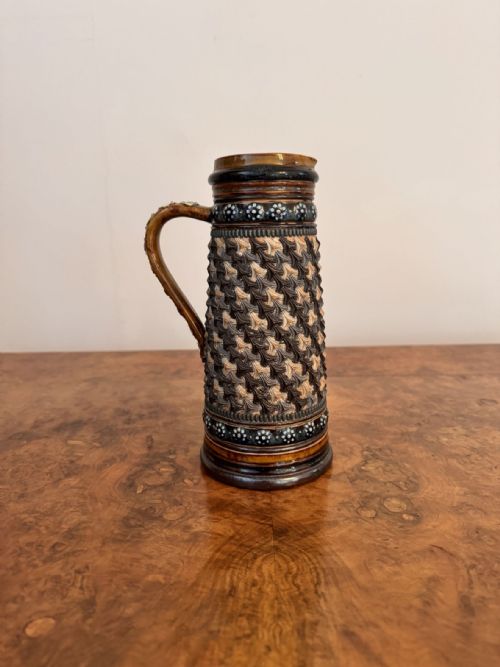
The selections available here lean heavily towards Victorian and early twentieth-century examples, with nineteenth-century jugs, flasks, and planters forming the bulk of the domestic offerings.
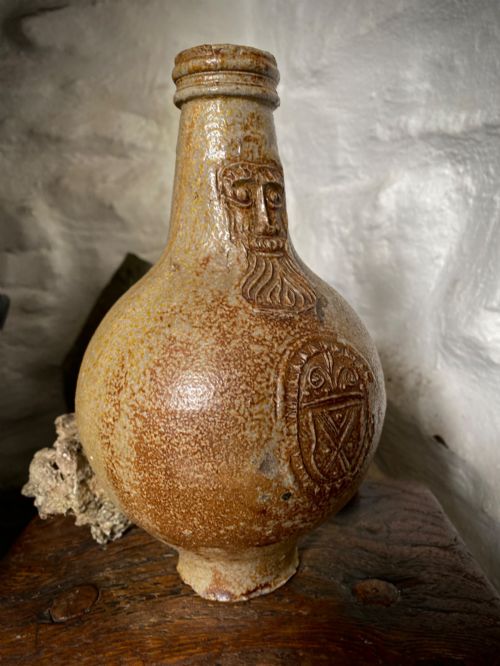
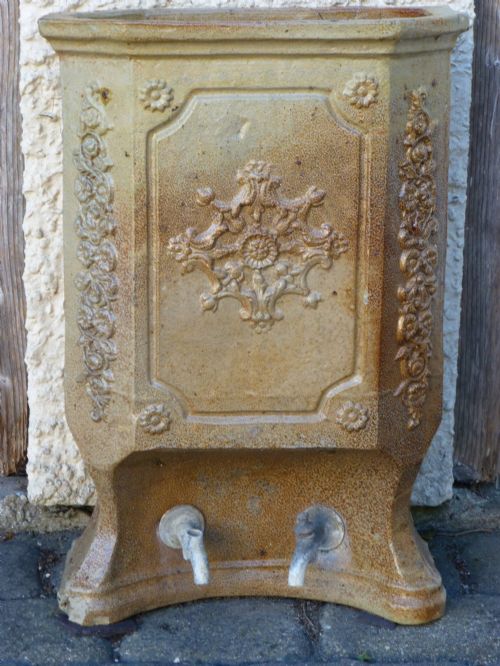
Makers and potteries from Britain and continental Europe dominate the forms, frequently utilising rich salt glazes, lead glazes, and treacle finishes.
Materials and Techniques
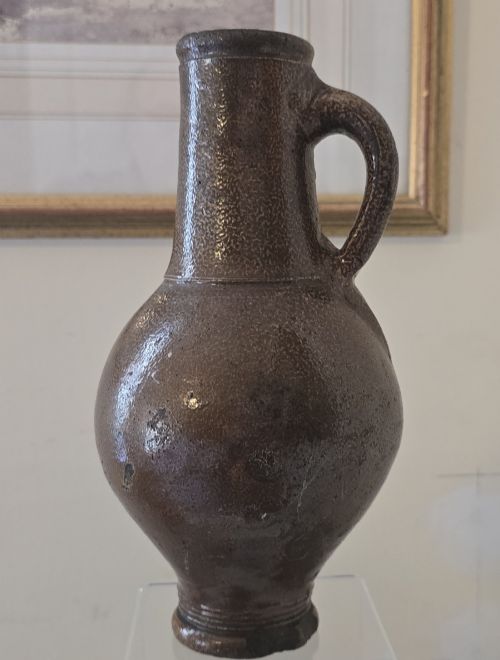
Potters relied upon local clays, primarily forming earthenware and denser stoneware bodies on the wheel or in moulds before applying mineral-rich liquid coatings. Salt glazing imparted a characteristic textured orange-peel surface during the firing process, while lead and treacle glazes delivered deep, glossy finishes.
Decoration often involved incised patterns, applied figures, or enamelled highlights that reacted with the base glaze during high-temperature kilns.
Brown Glaze Pottery Retail Price Guide 2026
Typical asking prices for brown glaze pottery among the pieces listed under this phrase on Sellingantiques today, from the lower quarter to the upper quarter. They describe what is for sale here now, not the wider market.
Listings feature earthenware and stoneware bodies spanning the eighteenth to early twentieth centuries, utilising salt glazes, slip, and lead coatings.
Assessing Quality
Quality rests in the crispness of the modelled details and the evenness of the glaze application across complex forms. Superior examples display sharply defined relief work and balanced proportions without excessive pooling or crawling of the surface coating.
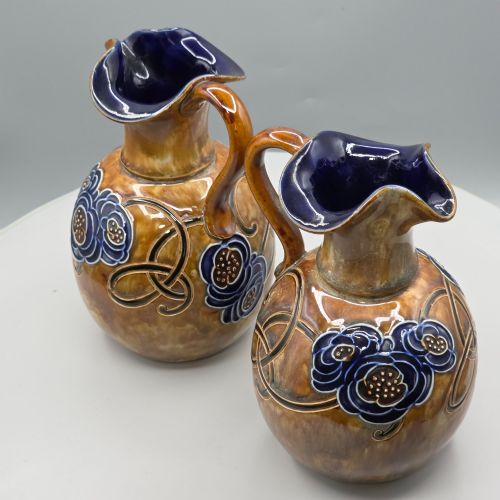
The reputation of the workshop, from major factories like Doulton to regional potteries, guides the distinction between standard utilitarian output and prized studio pieces.
Royal Doulton·Doulton Lambeth·Minton·George Jones·Holdcroft·Bretby Pottery·Boch Freres·Sherwin And Cotton·Rockingham Pottery·Inoue Ryosai·Seaton Pottery·Ralph Wood
The Brown Glaze Pottery Glossary
- Majolica
- A type of earthenware coated with an opaque tin enamel and painted with brightly coloured metallic oxides. It enjoyed immense popularity during the Victorian era for decorative wares.
- Salt Glaze
- A finish created by throwing common salt into the kiln during high-heat firing, producing a pitted texture resembling orange peel.
- Slipware
- Pottery decorated with slip, which is a liquid clay mixture, applied to the damp body before firing. It frequently creates trailing or marbled patterns beneath a transparent lead glaze.
- Tyg
- A large drinking vessel featuring three or more handles designed to be passed around a company. Early versions typically appear in heavy earthenware or stoneware.
Brown Glaze Pottery: Frequently Asked Questions
How do I clean antique brown pottery?
Dust surfaces gently with a soft, dry cloth to preserve fragile glazes and historical patinas. Avoid submerging porous earthenware in water for extended periods.
Harsh chemical detergents can strip lead glazes or damage delicate enamel work. Stick to tepid water and mild soap only when cleaning impervious stoneware.
Are these vessels safe for daily use?
Many nineteenth-century jugs and jars served utilitarian purposes like storing liquids or dry goods in domestic kitchens. However, historical glazes may contain trace impurities.
Displaying them as decorative objects or using them strictly for dried botanicals protects both the antique integrity and your health.
What is the difference between earthenware and stoneware?
Earthenware is fired at lower temperatures, leaving the clay body porous and relatively soft unless glazed completely. It often forms traditional domestic slipware and majolica.
Stoneware fires much hotter until the clay vitrifies and becomes glass-like and watertight. This makes it heavier and far more durable for heavy-duty storage and daily service.
How can I tell a Victorian piece from an eighteenth-century one?
Eighteenth-century items, such as early salt-glazed bottles or creamware plates, typically display simpler, robust forms with hand-thrown irregularities. Decoration tends to be restrained compared to later eras.
Victorian pieces often embrace heavy ornamentation, vibrant majolica colour palettes, and mechanised moulding techniques. Maker stamps and registration marks frequently appear on nineteenth-century examples.