



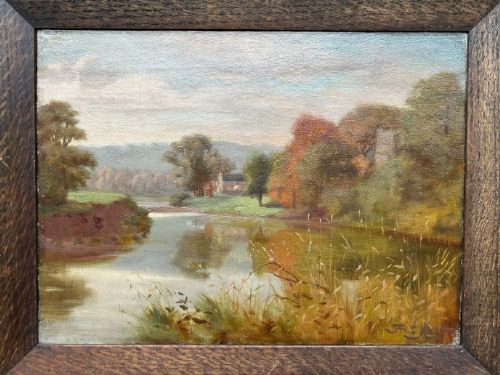
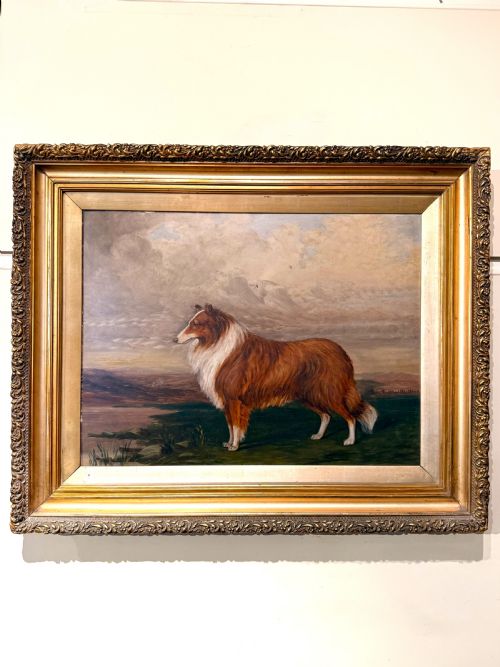
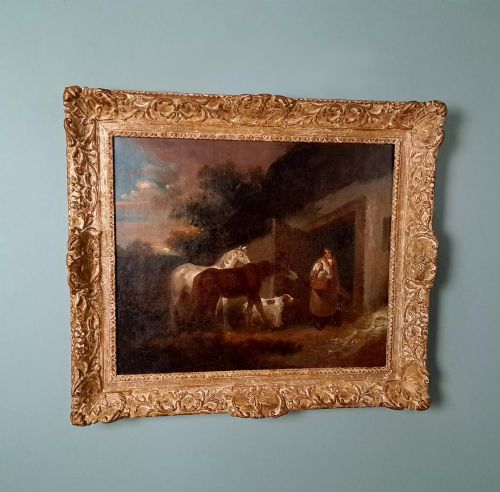
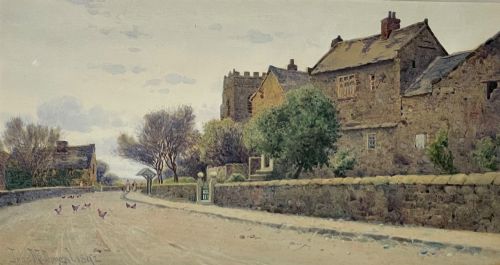

Brown Framed Landscape Art
Brown framed landscape art brings together oil paintings, watercolours and prints housed in wood surrounds, offering an immediate connection to historical views and pastoral scenes.
Brown Framed Landscape Art
Brown framed landscape art covers painted and printed views of the countryside, rivers and coastal scenes executed across the nineteenth and twentieth centuries. These works include oils on canvas and board, delicate watercolours on paper, pastel studies and vintage lithographs.
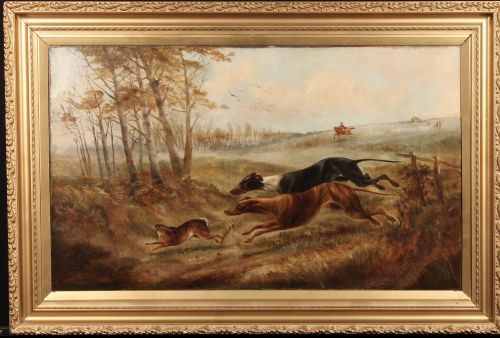
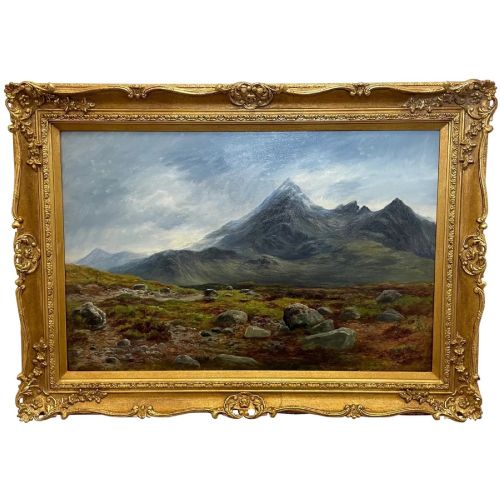
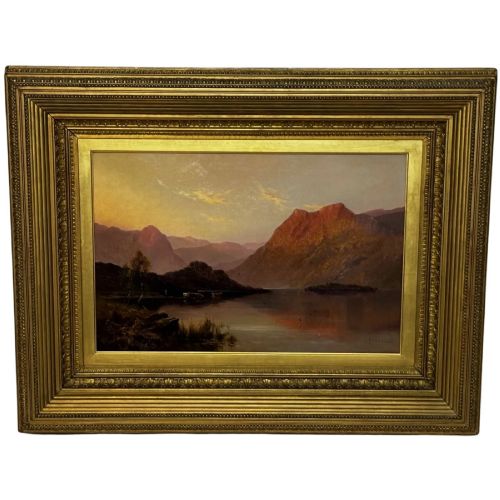
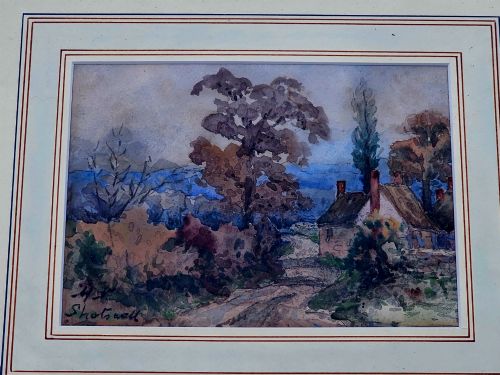
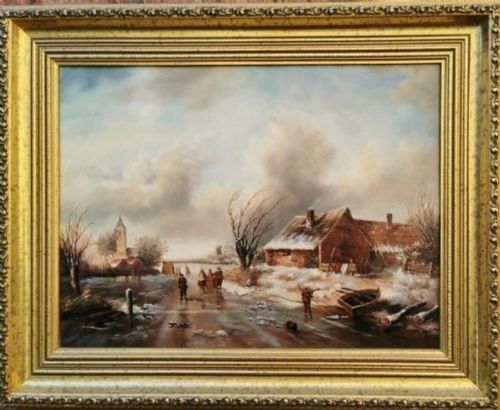
The selection on this page leans heavily towards nineteenth-century British and Victorian works, alongside early twentieth-century examples and mid-century modern pieces. Buyers encounter everything from grand Scottish mountain vistas and Lake District watercolours to Dutch school winter scenes.
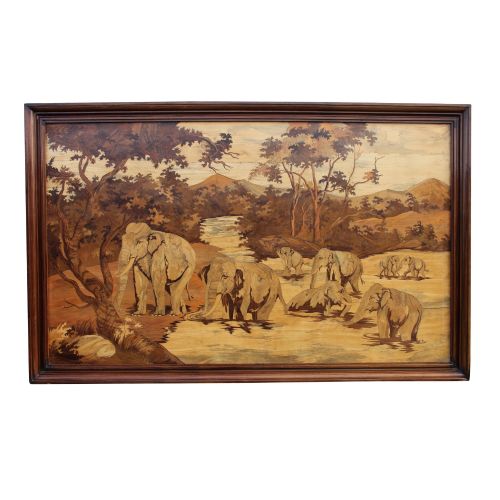
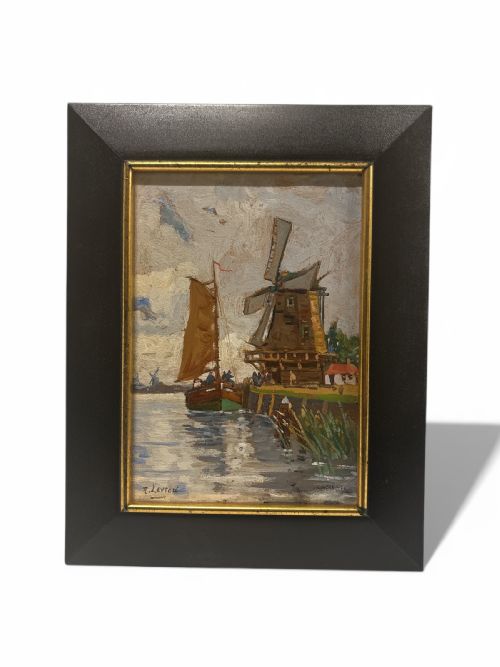
Framing plays a defining role in this category, with original wooden and gilt surrounds enclosing the canvas or paper underneath glass. Each piece preserves a specific landscape tradition, ranging from Victorian naturalism and impressionist sketches to 20th century realism.
How they were made
Makers applied oil paint or watercolour pigments to prepared canvas, wooden board, or paper supports, utilising traditional brushwork to capture light and atmosphere. Oil on canvas allowed artists to build rich textures, while watercolours relied on translucent washes over paper.
Works are housed within protective wooden frames, occasionally accented with gilt mouldings, holding the primary medium either under glass or exposed directly in the case of varnished oils.
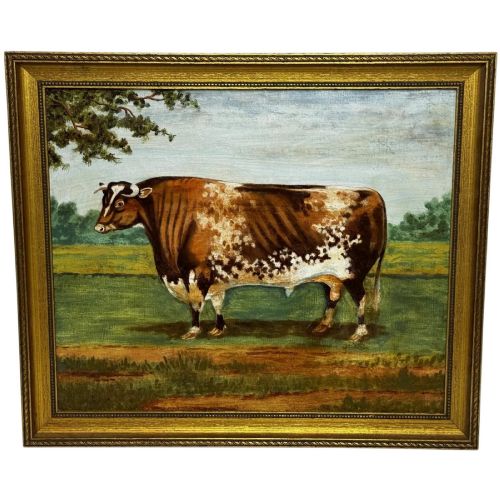
Several landscapes stubbornly refuse to stay indoors, bringing runaway hot air balloons, prize bulls and grazing sheep straight into the parlour.
What varies in quality
Quality rests upon the confidence of the brushwork and the precision with which the artist captures natural light, depth and atmosphere in the landscape. Stronger pieces demonstrate confident handling of perspective and colour harmony within the medium.
The integrity of the original frame and the preservation of the underlying canvas, board or paper surface determine the overall standard of the surviving work. Superior examples retain their original wooden surrounds and undisturbed paint layers without heavy overpainting.
William Beattie Brown·James Orrock·William H Myers·Frederick Marriott·David Roberts
The Brown Framed Landscape Art Glossary
- Oil on Canvas
- Pigment suspended in drying oil applied to a woven fabric stretched across a wooden frame. This technique allows for deep colour saturation and reworking.
- Watercolour
- Pigment ground in a water-soluble binder applied in translucent washes onto paper. It produces luminous effects dependent on the tone of the underlying paper.
- Lithograph
- A print made from a flat stone or metal plate treated to repel ink everywhere except where the drawing was made. It permits multiple reproductions of an original composition.
- Pastel
- A dry drawing medium consisting of powdered pigment and a binder rolled into sticks. It creates soft, velvety colour effects on paper.
- Gilt Frame
- A wooden moulding coated with a thin layer of gold leaf or metallic paint. It provides a reflective border that enhances the contrast of the artwork.
Brown Framed Landscape Art: Frequently Asked Questions
How do I care for antique watercolours?
Keep watercolours away from direct sunlight to prevent the pigments and paper from fading over time.
Ensure they hang in rooms with stable humidity to protect both the paper support and the wooden frame.
Are these frames original to the art?
Many pieces retain their period wooden or gilt surrounds, which show appropriate signs of age.
Some works have been reframed over the decades to suit changing interior tastes while maintaining period compatibility.
What is the difference between oil and watercolour?
Oils use thick, slow-drying pigments on canvas or board that create textured, durable surface layers.
Watercolours use thin, water-soluble pigments on paper that require glass protection to prevent moisture damage.
How do I identify a Victorian landscape?
Victorian landscapes often focus on detailed naturalism, pastoral realism, or dramatic British topography.
Signatures, framing styles and canvas stamps help confirm the nineteenth-century production period.