



Framed Wooden Watercolour Paintings
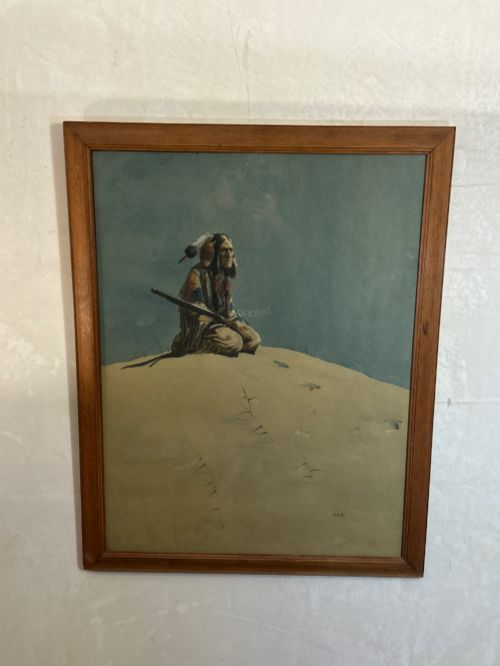
These framed wooden watercolour paintings bring together delicate pigment, paper and timber framing across centuries of British and European craft.
Framed Wooden Watercolour Paintings
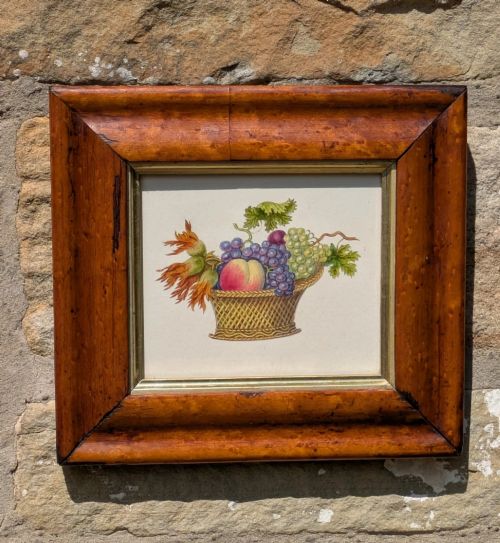
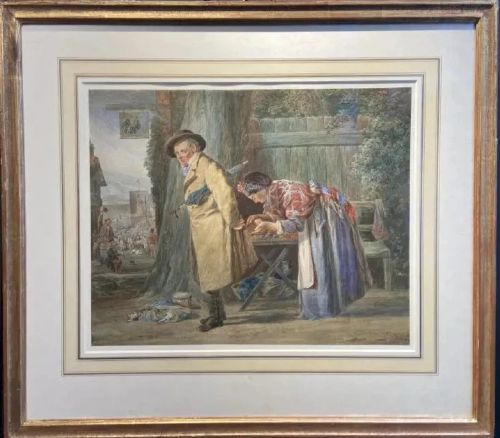
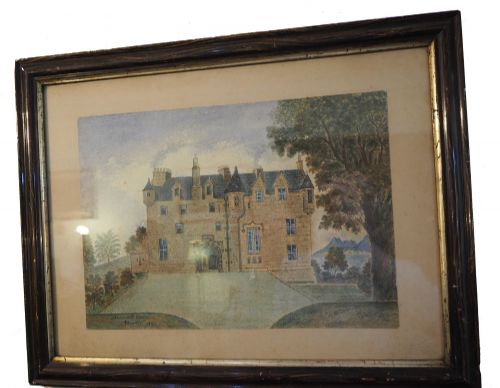
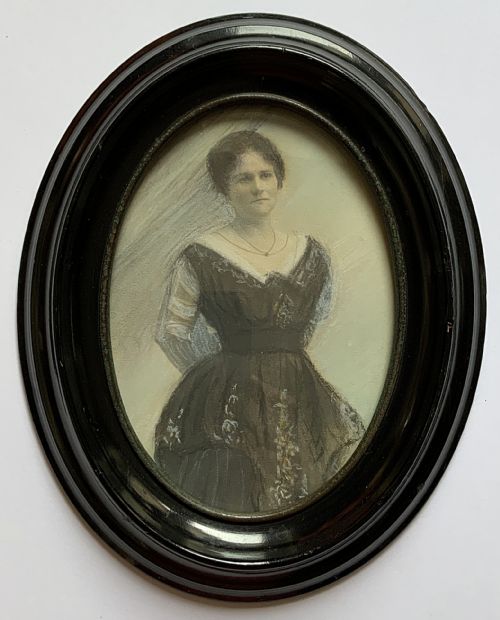
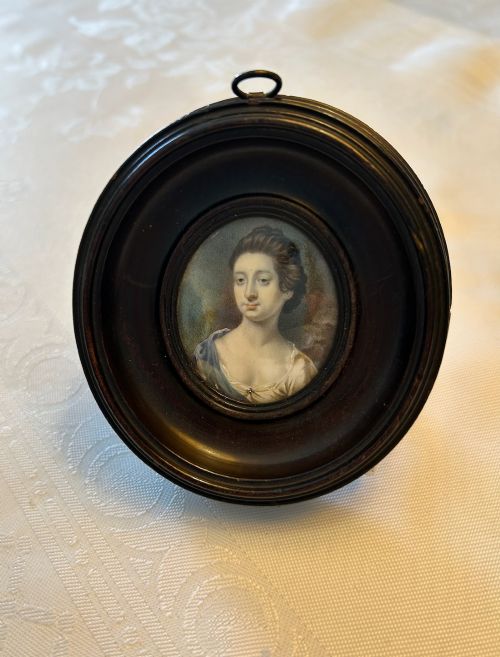
Framed wooden watercolour paintings span portrait miniatures, landscapes and illustrative works housed behind glass within timber frames. When you search for framed wooden watercolour paintings, you encounter pieces from the Regency, Victorian and Edwardian eras alongside 1930s works.
You frequently meet Victorian and Edwardian pieces on this page, reflecting the popularity of watercolour painting and dedicated framing during the nineteenth and early twentieth centuries. These works include both signed artist studies and anonymous provincial watercolours.
How they were made
Watercolour pigment is applied to paper support, relying on the luminosity of the white paper showing through transparent washes of colour. Artists combined fine brushwork with fluid application to capture landscape details, portraits and botanical subjects.
The resulting artworks are secured behind glass to protect the delicate paper and pigment from atmospheric moisture and dust. Timber frames, sometimes finished with ebonisation or gilt, surround the composition and provide structural support.
Makers constructed these housings from wood, joining the mitres carefully to complement the visual weight of the watercolour painting within. This combination of paper, pigment, glass and wooden framing ensures the survival of the artwork.
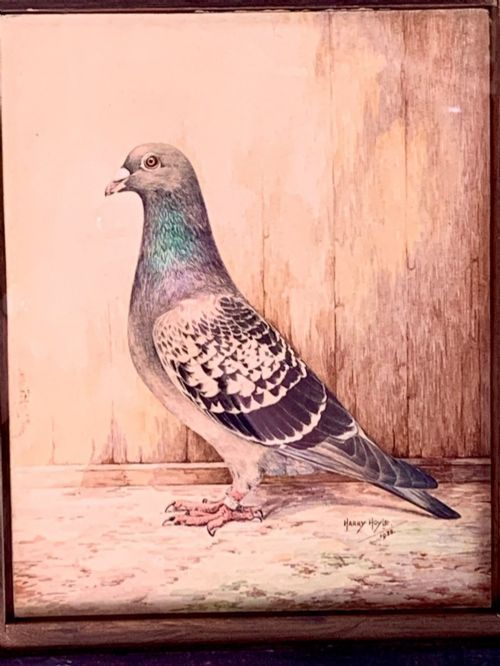
Several watercolours record remarkable subjects, including a royal messenger pigeon that won the King George V Silver Jubilee race.
What varies in quality
The refinement of the brushwork and the sureness of the drawing separate accomplished watercolours from simpler naive efforts. Skilled artists control pigment dilution and paper absorbency to achieve depth and atmospheric light, whereas lesser works remain flat.
The integration between the watercolour painting and its wooden frame also shifts across examples, with period gilt wood or ebonised surrounds enhancing the presentation. Superior pieces retain their original framing materials and undisturbed backing papers, preserving their historical context.
Bruce Bairnsfather·John Hassall·Joseph H Barnes·William Lee Hankey·George Weatherill·Lilian Stannard·Archibald Thorburn
The Framed Wooden Watercolour Paintings Glossary
- Watercolour pigment
- Finely ground colour particles mixed with a water-soluble binder, applied in washes to paper. This medium allows for luminous transparency and delicate tonal layering.
- Ebonised wood
- Timber treated with chemical stains or dark finishes to imitate costly ebony. This dark framing material gained widespread favour during the Victorian period for portrait miniatures and works on paper.
- Portrait miniature
- A small-scale painting capturing a likeness, frequently executed in watercolour or pastel on paper or vellum. These intimate works often include detailed historical annotations on the reverse.
- Grand Tour
- A traditional educational journey through Europe undertaken by upper-class individuals, generating demand for topographical watercolours. Artists recorded classical ruins and foreign landscapes for travellers to bring home.
- Gilt wood
- Timber frames coated in thin layers of gold leaf or metallic powder over a prepared gesso base. This decorative finish provides a warm, reflective border around the watercolour painting.
Framed Wooden Watercolour Paintings: Frequently Asked Questions
How should I hang framed wooden watercolour paintings?
Keep these works away from direct sunlight to prevent the watercolour pigment from fading over time. Environmental stability helps protect both the fragile paper and the wooden frame.
Ensure you use appropriate fixings suited to the weight of the timber frame and glass. Professional picture hooks distribute the load safely across the wall.
Can I remove the frame from the watercolour?
The original wooden frame and glass often form an integral part of the piece's history and protection. Removing them exposes the delicate watercolour paper to airborne pollutants and humidity.
If framing needs attention, consult a specialist conservator rather than attempting alterations yourself. Preserving the original housing maintains the integrity of the artwork.
What subjects appear in these antique watercolours?
The selection encompasses diverse themes including rural landscapes, coastal shipping, architectural studies and portraits. Artists recorded everyday life, historical events and travels abroad.
Subject matter often reflects the period of creation, from Regency botanical studies to First World War illustrations. Each genre offers insight into the visual culture of its era.
How do I identify a Victorian watercolour?
Victorian watercolours frequently feature characteristic paper stocks, framing styles and subject matter associated with the nineteenth century. Many pieces carry period signatures, dates or handwritten notes on the reverse.
Examining the wooden frame and backing materials provides further chronological clues. Ebonised wood and specific framing profiles often point towards Victorian or Edwardian manufacture.