
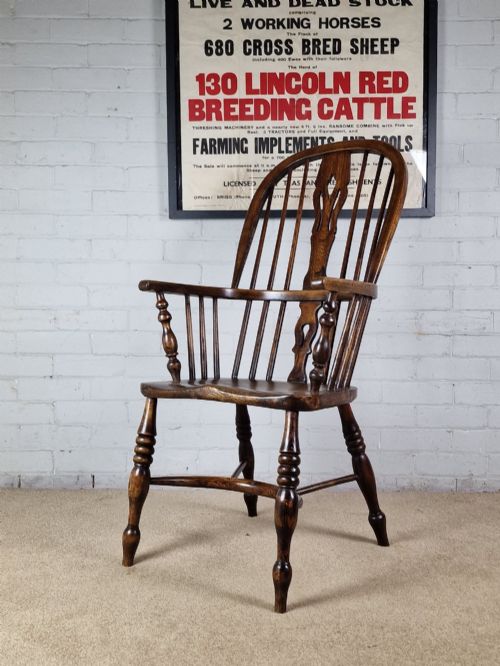
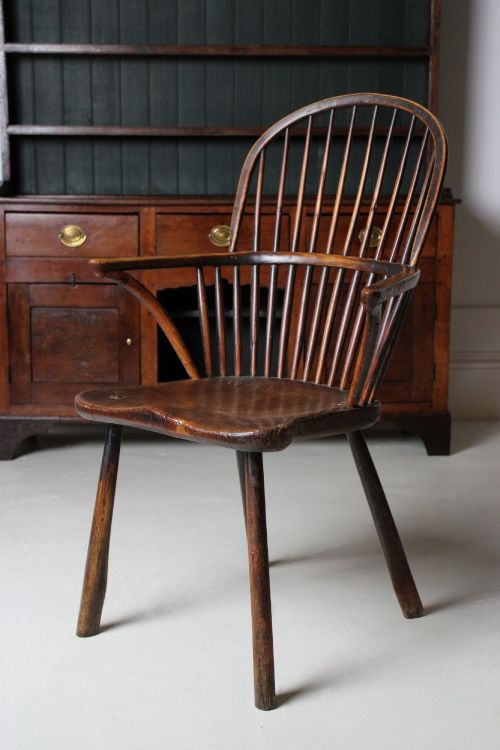
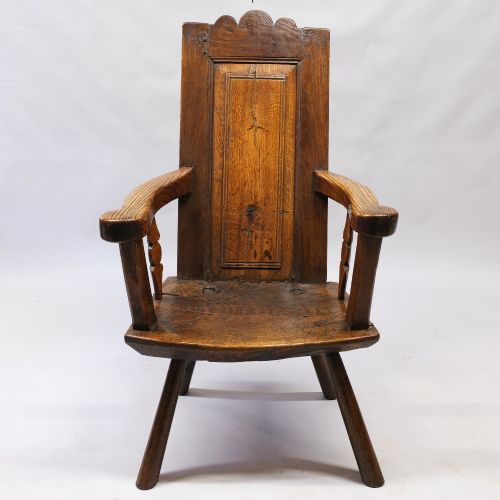
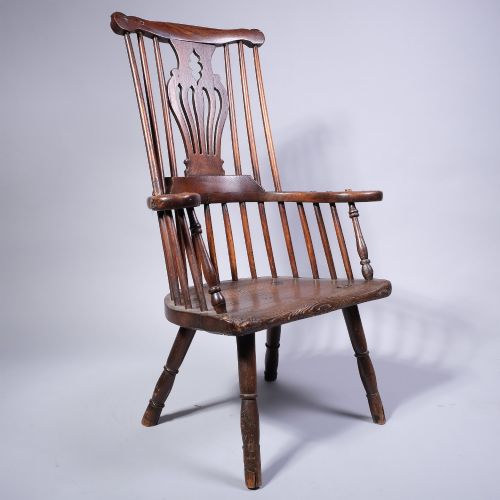



Brown Elm Fireside Chair
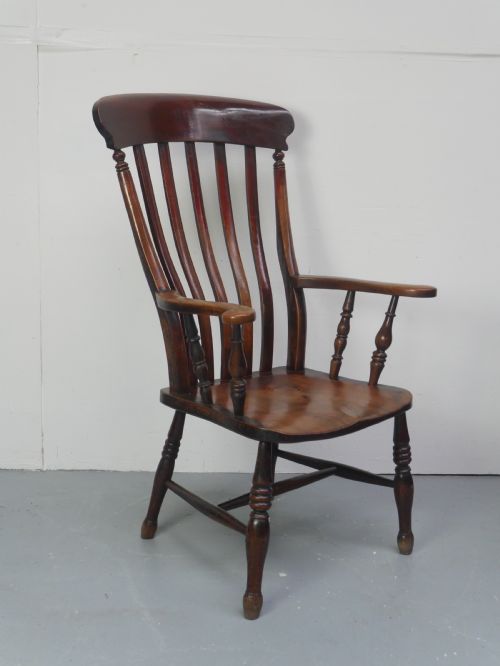
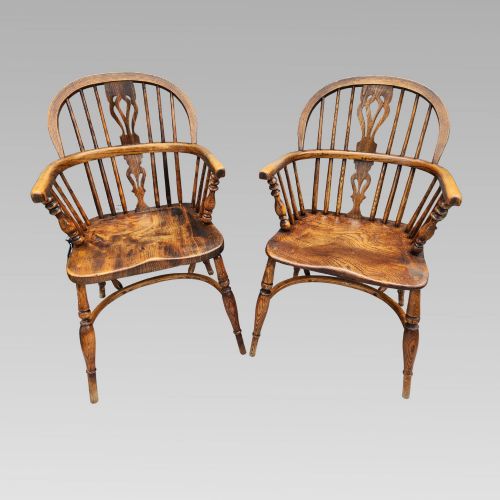
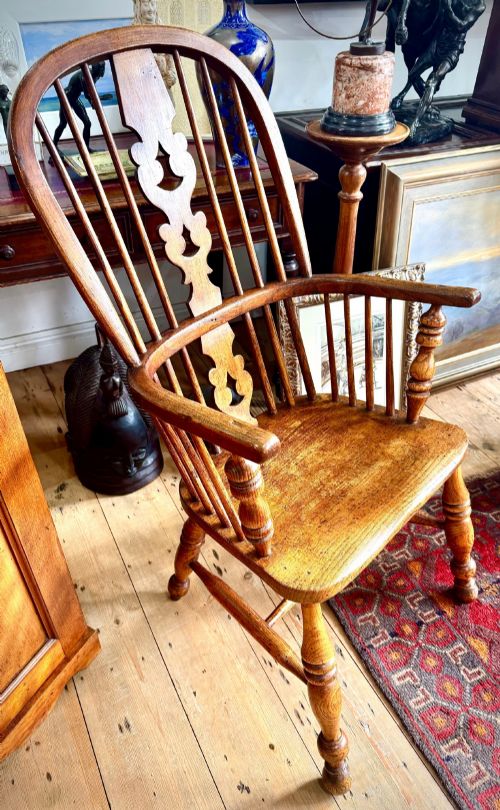
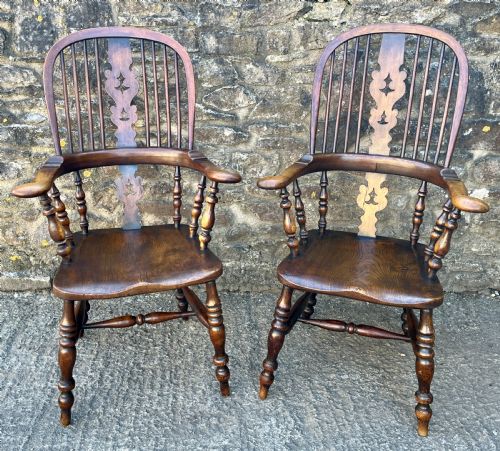
These brown elm fireside chairs are vernacular Windsor armchairs and farmhouse rockers designed for domestic comfort.
Brown Elm Fireside Chair
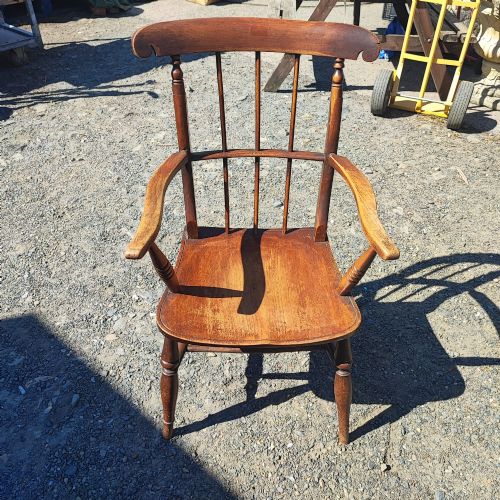
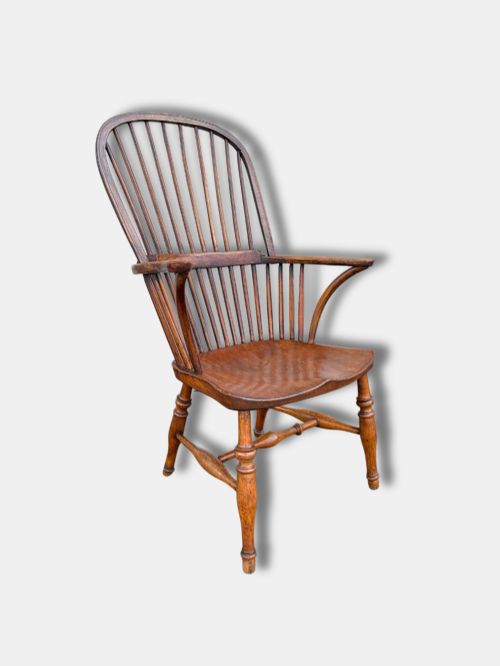
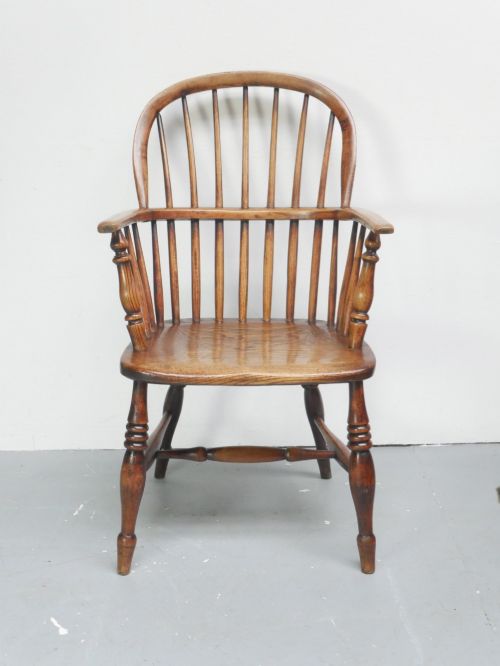
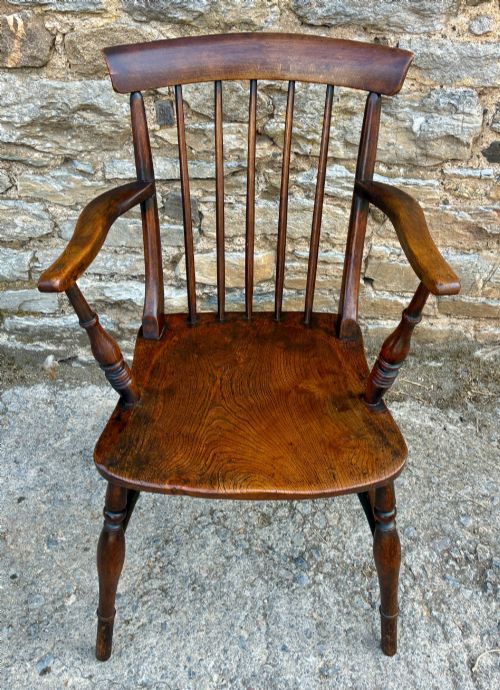
A brown elm fireside chair is a traditional Windsor or farmhouse armchair built for domestic utility across the eighteenth, nineteenth and early twentieth centuries. These country seats appear in regional forms such as stick back, comb back, panel backed and broad arm variations.
The version most frequently met on this page combines a solid elm seat with turned wooden spindles and supporting uprights. Makers produced these armchairs and rocking chairs for everyday use in farmhouses and traditional settings.
How they were made
Craftsmen shaped solid elm for the saddle seats, utilising its interlocking grain to prevent splitting under heavy use. They combined this tough timber with ash, beech, fruitwood or yew for the turned legs, spindles and bending frameworks.
Makers constructed these country seats using traditional joinery techniques, wedging legs and spindles directly into bored holes within the thick wooden seat slab. Frameworks often incorporate steam-bent parts for crest rails and arm bows, finished with pegged joints.
Several armchairs arrive equipped with rocking runners, ensuring your rustic fireside seat comes with built-in momentum.
What varies in quality
Quality separates through the selection of timber contrasts, particularly the depth of figuring in elm seats paired with finely turned yew or ash spindles. Early examples from the eighteenth century demonstrate more sophisticated sculptural shaping in the arms and crest rails.
The integrity of the original construction and the survival of a rich, untouched surface patina distinguish superior specimens. Chairs retaining their original turned components without extensive timber replacement sit at the higher end of the range.
Fred Walker·Rockley
The Brown Elm Fireside Chair Glossary
- Windsor chair
- A wooden chair constructed with a thick solid timber seat into which the legs and back spindles are separately bored. This vernacular form developed distinct regional variations across the British countryside.
- Comb back
- A Windsor chair design featuring a low back topped by a horizontal headpiece resembling a hair comb. Vertical spindles rise through the arm rail to support this upper crest.
- Broad arm
- A Windsor chair variation featuring wide, flattened wooden armrests designed for writing or comfort by the hearth. These generous arms are typically supported by sturdy turned pillars.
- Stick back
- A chair back constructed from simple vertical wooden rods fitted directly into the seat and top rail. This straightforward vernacular construction method typifies farmhouse seating.
- Vernacular
- Objects built by regional craftsmen following local traditions rather than strict academic design patterns. These pieces prioritise functional utility and available local materials.
Brown Elm Fireside Chair: Frequently Asked Questions
What is a brown elm fireside chair?
A brown elm fireside chair is a traditional country armchair featuring a solid wooden seat and an upright spindle or slat back. These vernacular seats were constructed for domestic comfort by the hearth.
The listings show various forms including Windsor armchairs, rocking chairs and farmhouse seating originating from the eighteenth and nineteenth centuries.
How do you date a brown elm fireside chair?
Dating relies on observing construction methods, timber combinations and stylistic vernacular details. Earlier eighteenth century pieces often feature panel backs or comb backs, while Victorian examples introduce broad arms and rocking bases.
Changes in spindle turning patterns and the integration of beech or ash components also help distinguish mid eighteenth century chairs from later nineteenth century regional outputs.
Where were these chairs made?
These traditional seats were produced by regional craftsmen across the British countryside, with specific pieces linked to regions such as Lincolnshire, Yorkshire and Scotland. Local woodturners utilised whatever timber grew abundantly nearby.
Elm for the seats combined with ash, beech, fruitwood or yew for the frames reflects the local woodland resources available to rural workshops.
How should I live with a brown elm fireside chair?
These sturdy wooden armchairs integrate easily into daily living spaces as functional fireside seating or reading chairs. Their robust construction suits active domestic use while adding traditional character to a room.
Keep them away from direct heat sources and sudden temperature shifts to protect the historic elm timber and pegged joints from drying out.