
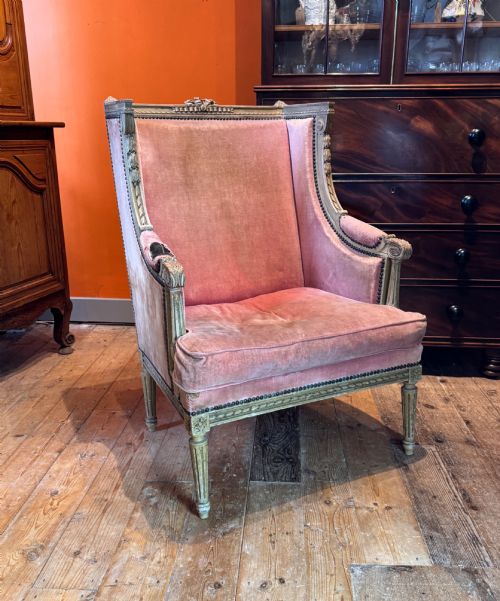
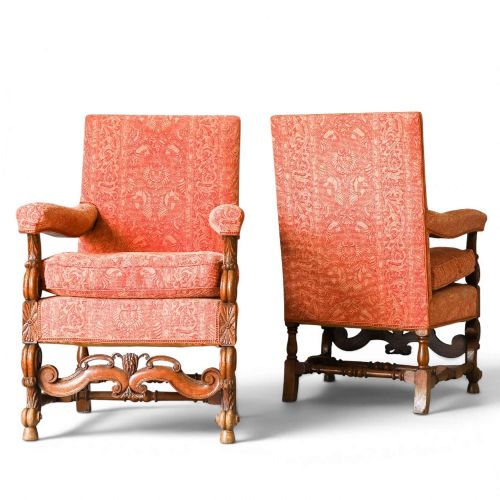
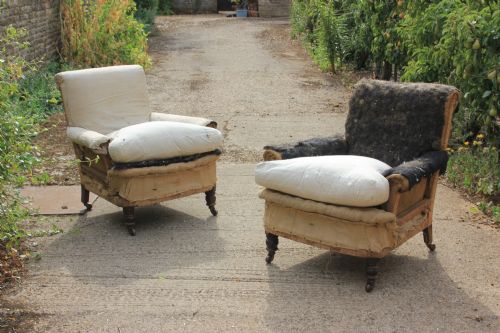
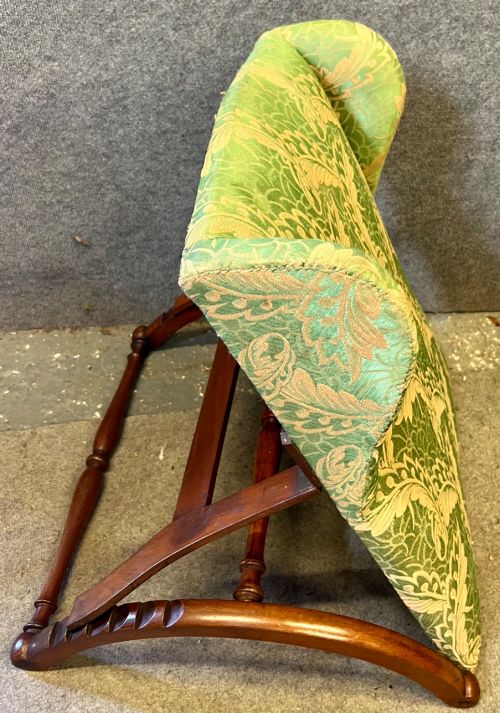


Antique Wooden Reading Chair
An antique wooden reading chair is a supportive seat built for studying or library work, prized for comfort and solid construction.
Antique Wooden Reading Chair
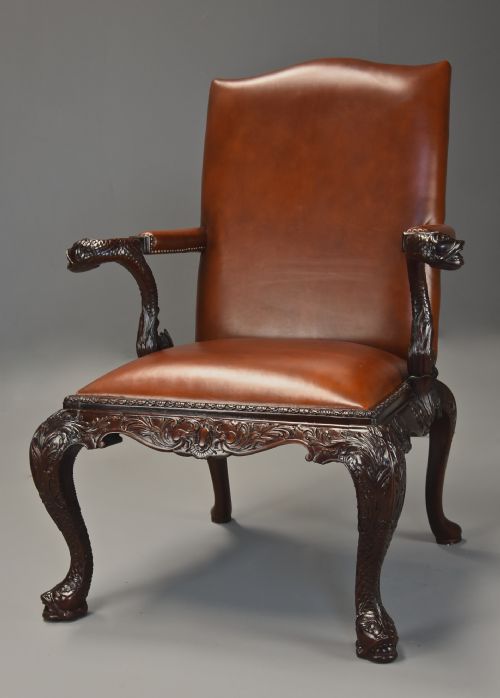
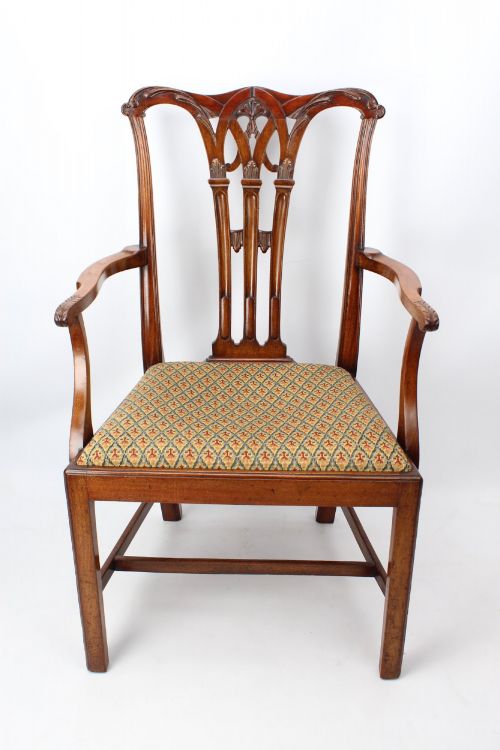
An antique wooden reading chair provides a sturdy seat designed for study, libraries, and prolonged sitting with supportive arms and backs. When exploring this selection, buyers frequently encounter pieces from the Georgian, Victorian, and Edwardian eras alongside robust Windsor and library forms.
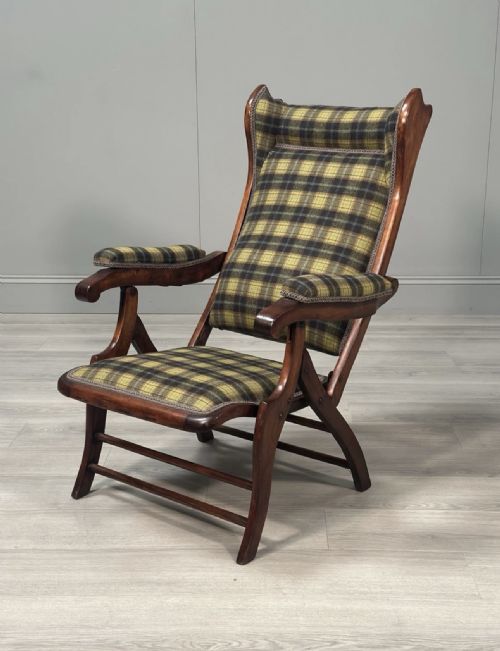
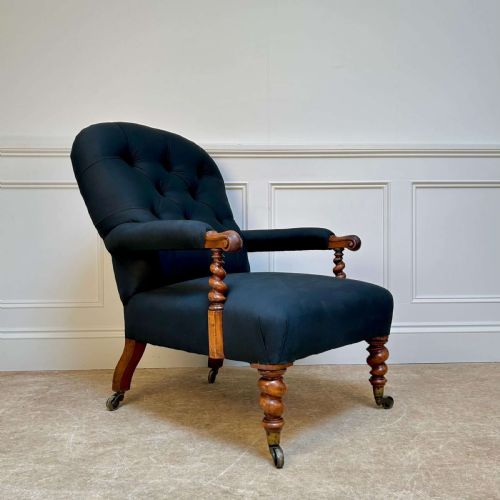
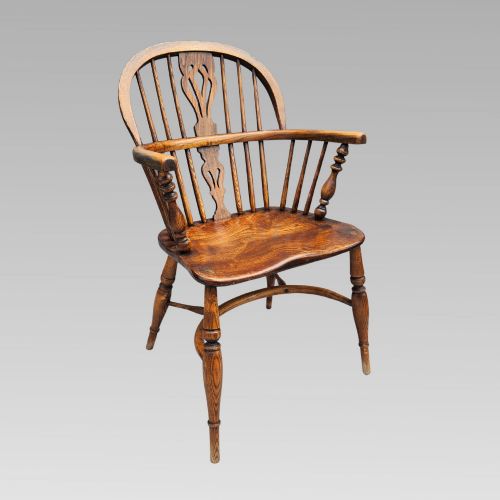
The inventory on this page ranges from mahogany library chairs and walnut gentleman's armchairs to oak campaign styles and elm Windsor seating. These variations reflect the diverse domestic and institutional needs of the nineteenth and early twentieth centuries, where timber framing met specific functional requirements for reading and writing.
Materials and construction methods
Cabinetmakers constructed these frames primarily using timbers such as mahogany, walnut, oak, elm, and yew, often selecting dense hardwoods to ensure structural integrity under daily use. Joinery techniques relied on traditional mortise and tenon joints, sometimes reinforced with brass hardware on adjustable mechanisms or campaign pieces.
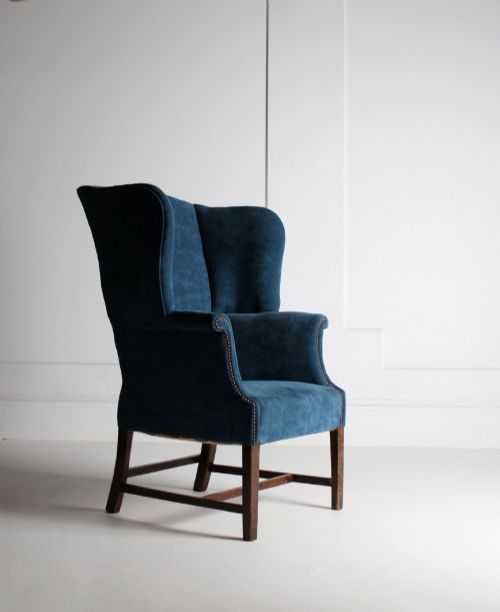
Upholstered versions incorporate supportive stuffing covered in fabrics like velvet, leather, or original textiles, while wooden spindle, splat, and Windsor backs showcase skilled lathe turning and steam bending. Metal adjustments appear on specialised reclining and metamorphic library chairs to alter the seating position.
Adjustable backrests and folding campaign formats appear alongside standard armchairs, desk chairs, and library stools.
Distinguishing quality in construction and finish
The distinction between standard utility seating and finer workshop production lies in the crispness of the timber carving, the selection of figured grain, and the integrity of the underlying joinery. Superior examples retain original surface patination and tight structural frames without excessive timber replacement.
In upholstered or adjustable variants, quality is measured by the resilience of the frame under the mechanism and the fidelity of stylistic details such as scroll arms, carved splats, or inlaid decoration that reflect the period of origin.
Hindley & Sons·James Shoolbred·Howard And Sons
The Antique Wooden Reading Chair Glossary
- Gainsborough chair
- A wide, low-slung open armchair with an upholstered back and seat, typically standing on square or cabriole legs and originating in the mid-eighteenth century.
- Windsor chair
- A wooden seating form featuring a solid carved seat into which the legs and back spindles are directly wedged and secured.
- Campaign chair
- A portable or folding piece of furniture designed for military officers or travel, often fitted with brass hinges and folding frames.
- Metamorphic furniture
- A dual-purpose object that transforms from one form of furniture into another, such as a library chair that unfolds into a set of steps.
- Spindle back
- A chair back constructed with a series of turned vertical wooden rods or spindles supporting the top rail.
Antique Wooden Reading Chair: Frequently Asked Questions
How do I spot a library chair?
Library chairs usually feature sturdy wooden frames with supportive armrests and often include adjustable mechanisms or swiveling bases designed for long hours of reading.
Many examples also incorporate leather upholstery or writing surfaces to suit the scholarly environment of a traditional study.
What is a metamorphic reading chair?
A metamorphic reading chair is a dual-purpose piece engineered to transform from a standard seat into a set of library steps.
These clever designs utilise hidden hinges and folding sections to assist scholars in reaching high bookshelves.
Are these chairs comfortable for daily use?
Most antique reading chairs were built with ergonomic proportions, deep seats, and supportive armrests specifically intended for extended periods of sitting.
Upholstered versions offer softer padding, while wooden spindle and Windsor designs rely on contoured seats for support.
How do I date an antique wooden chair?
Dating relies on examining the timber species, joinery methods, tool marks, and stylistic characteristics typical of periods like the Georgian, Victorian, or Edwardian eras.
Hardware elements such as brass screws or adjustable ratchets also provide clues to the manufacturing decade.