
Brown Elm Country Chair
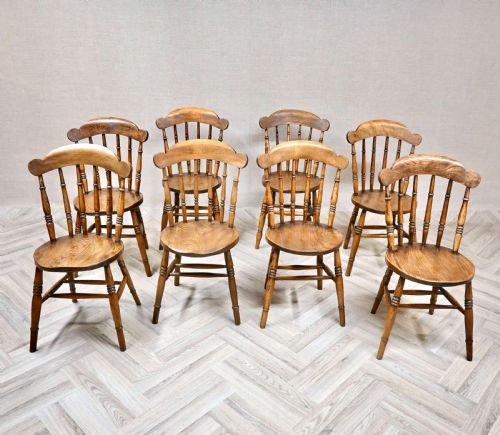
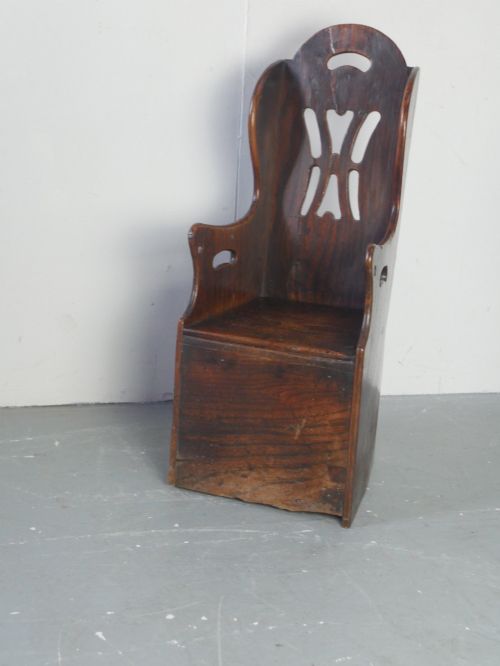
These brown elm country chairs bring honest vernacular character to a room, built by regional makers to serve daily domestic life.
Brown Elm Country Chair
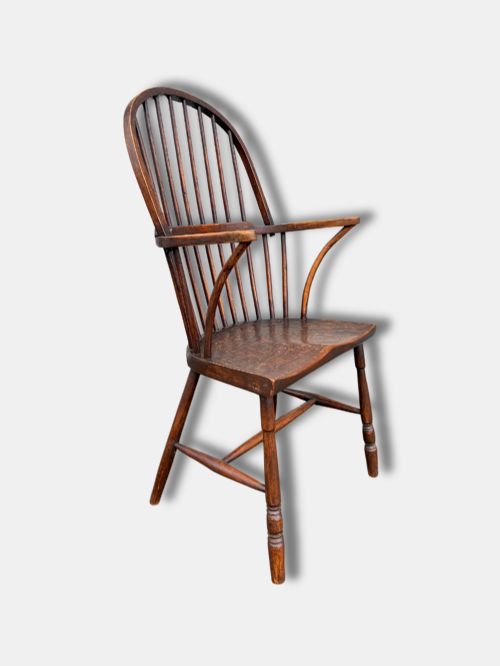
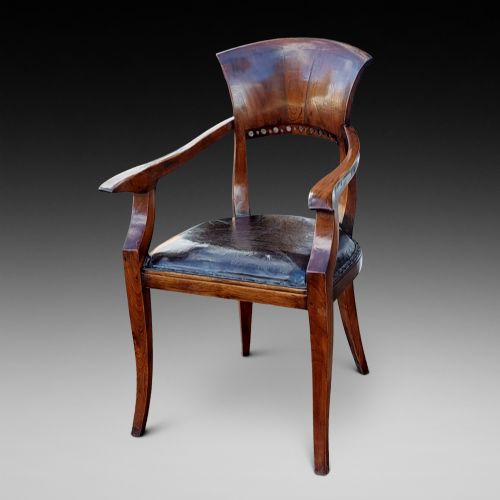
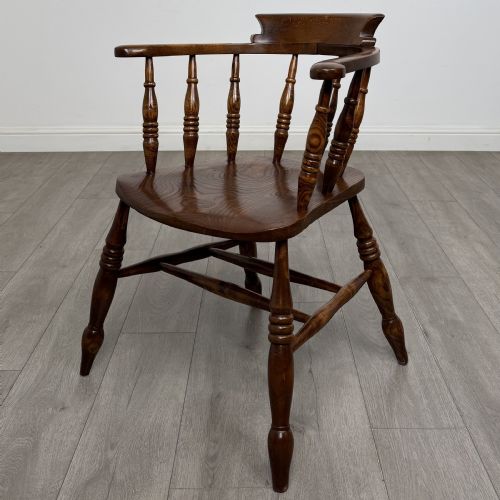
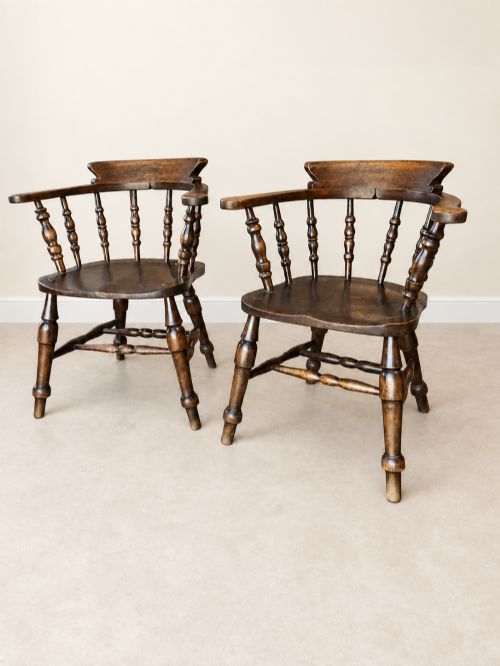
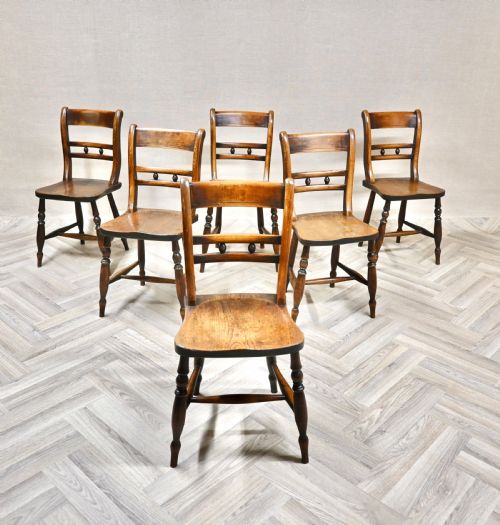
A brown elm country chair combines sturdy regional building traditions with domestic utility, emerging in forms such as Windsor armchairs, kitchen dining chairs, and child's seats. These pieces span the eighteenth, nineteenth, and early twentieth centuries, reflecting the enduring demand for robust vernacular seating.
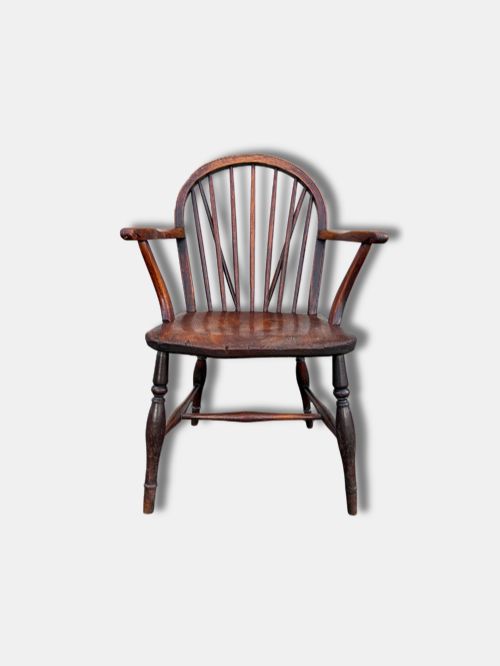
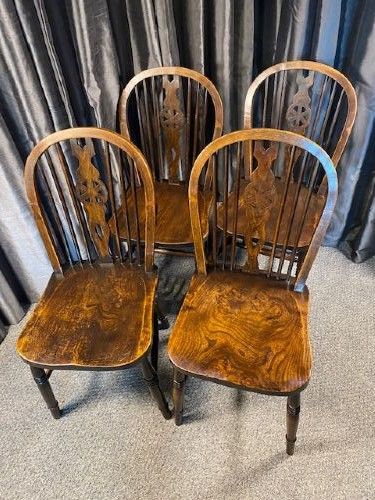
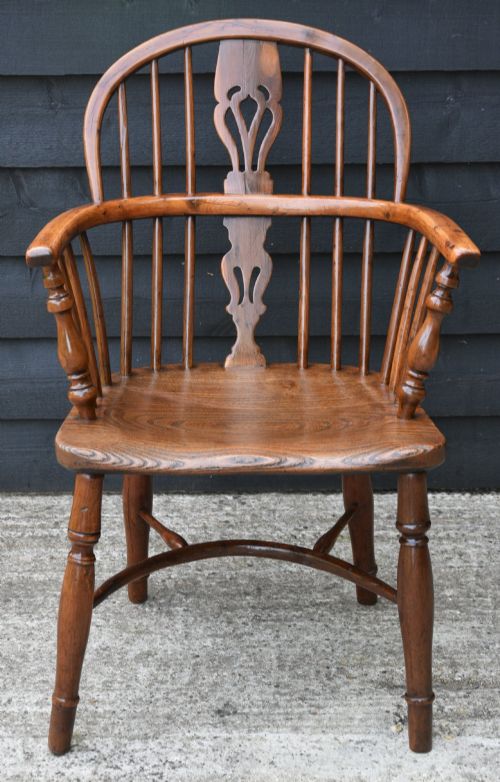
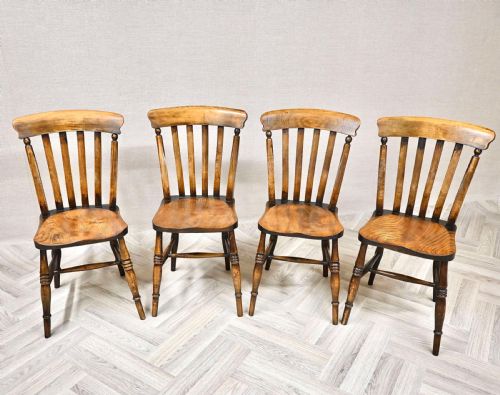
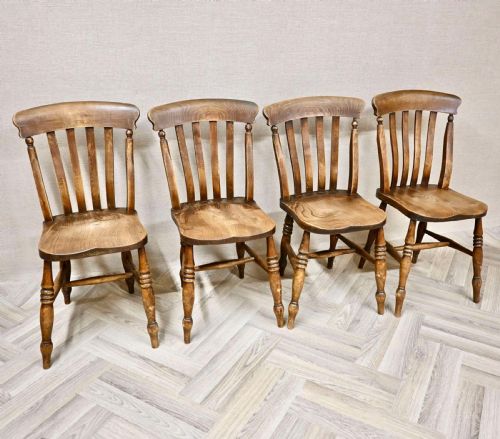
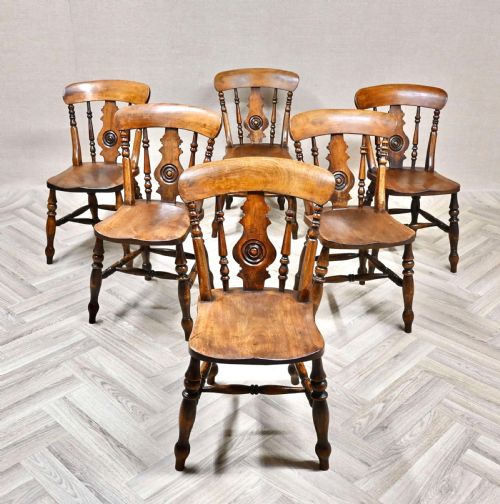
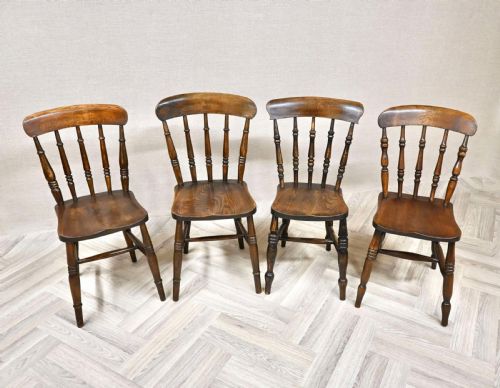
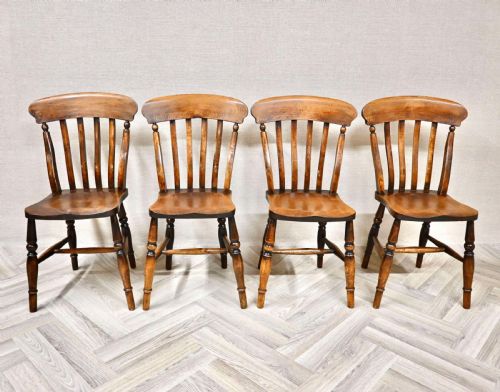
Buyers meet numerous variations on this page, ranging from single carvers to matched sets of six or ten kitchen chairs. Armchairs often feature high, low, or bar backs, while side chairs appear with wheel backs, lath backs, and spindle backs.
Originating in English country houses, farms, and kitchens, these chairs demonstrate how utilitarian design evolved across the Georgian, Victorian, and Edwardian periods.
How they were made
Constructed primarily from solid elm seats paired with ash, beech, or oak components, these chairs rely on traditional timber selection to balance strength and resilience. Elm provides a tough, interlocked grain for shaped seats that resists splitting under heavy daily use.
Green woodworking techniques and steam-bending shaped the spindles, bows, and backs, securing joints through traditional mortise and tenon or wedged peg construction. Makers utilised local timber resources to build functional seating without metal fixings in the primary framework.
Some nineteenth-century farmhouse sets arrive complete with twenty chairs, proving that country cooks took their seating arrangements very seriously indeed.
What varies in quality
Quality rests upon the harmony of the timber selection and the retention of original surface patination. Examples exhibiting deep, honest wear and well-matched grain patterns stand apart from pieces assembled with mismatched replacement components.
The sophistication of the turning in the legs and spindles distinguishes standard utilitarian kitchen seating from finer vernacular pieces. Proportional balance and the integrity of the joined construction separate ordinary workshop output from exceptional survivals.
J SPENCER
The Brown Elm Country Chair Glossary
- Windsor chair
- A chair built with a solid wooden seat into which the legs and back-bow are separately inserted. This construction method defines much of rural English seating.
- Smoker's bow
- A low-backed Windsor armchair featuring a continuous curved arm rail supported by turned spindles. These were common in vernacular domestic and commercial settings.
- Wheel back
- A Windsor chair style incorporating a pierced splat carved in the shape of a spoked wheel. It appears frequently on nineteenth-century dining chairs.
- Comb back
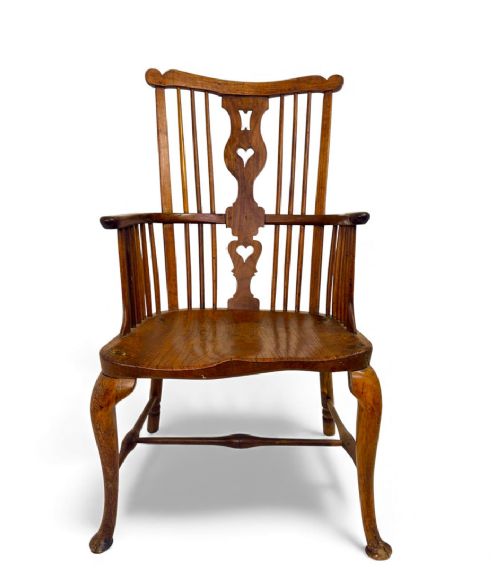
- An eighteenth-century Windsor form where the vertical spindles extend upward to support a horizontal headboard resembling a hair comb. This represents an early development in country chair design.
- Patina
- The surface sheen and colour developed by timber through decades of handling, light, and polishing. Good patination indicates age and gentle upkeep.
Brown Elm Country Chair: Frequently Asked Questions
How do I date a brown elm country chair?
Dating relies on observing construction methods, tool marks, and stylistic shifts between Georgian vernacular designs and later Victorian production. Examining how the legs join the solid seat offers clear clues regarding the period of manufacture.
Changes in back design, from eighteenth-century comb backs to nineteenth-century wheel backs and lath backs, help narrow down the decade of creation.
Were these chairs used only in kitchens?
While many examples served as kitchen or farmhouse dining seating, robust vernacular chairs found places in country house parlours, studies, and cottage bedrooms. Their durable construction suited any area requiring dependable daily seating.
Armchairs and carvers often stood near hearths or desks, while sets of side chairs gathered around dining tables across rural households.
How do I care for elm timber?
Maintaining elm furniture requires stable indoor humidity and protection from direct heat sources that can dry out the timber. Regular dusting with a dry cloth keeps the surface clean without sealing the grain.
Applying occasional natural wax helps preserve the historic surface and protects the timber from minor moisture marks.
Can I mix different chairs around a table?
Mixing country chairs creates an authentic harlequin seating arrangement reflecting how rural households accumulated furniture over generations. Combining chairs with similar timber tones and vernacular styles maintains visual harmony.
Matching heights and seat proportions ensures comfort and practicality when gathering a varied group of chairs around a dining table.