
Brown Dining Table
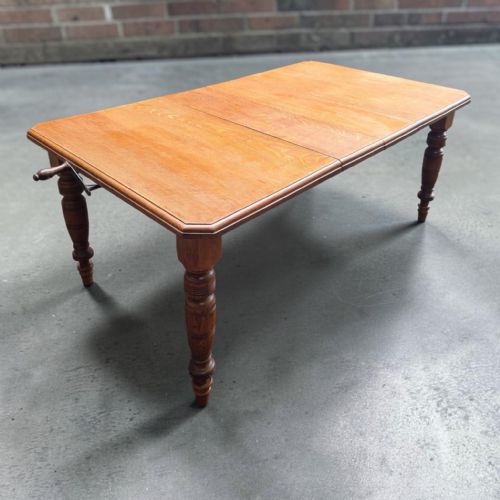
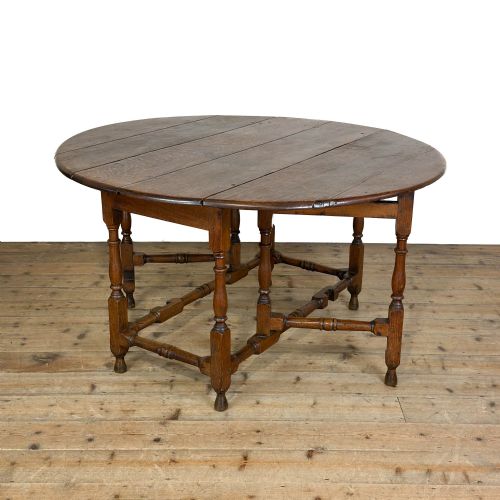
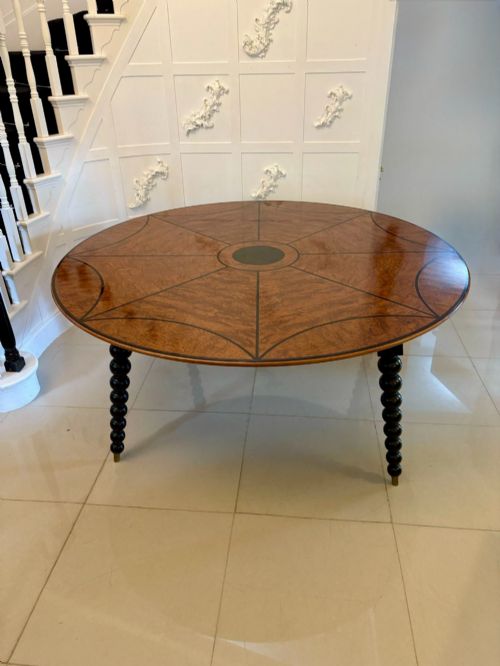
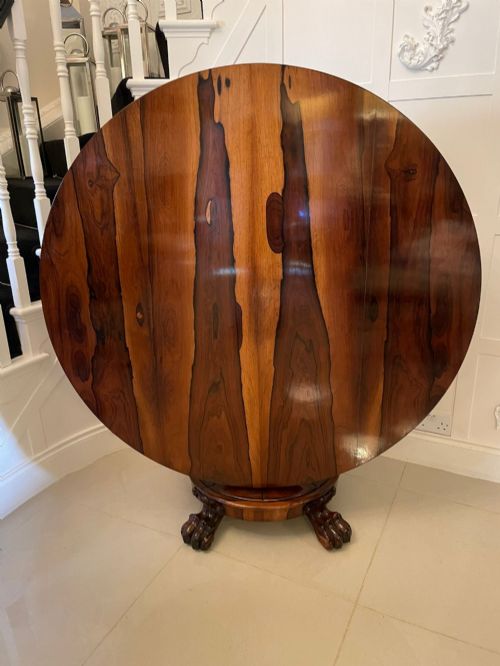
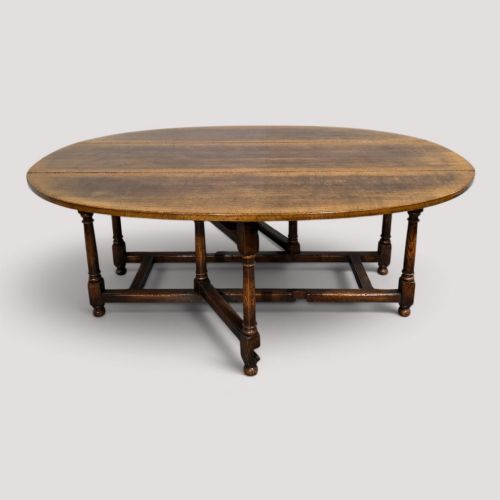
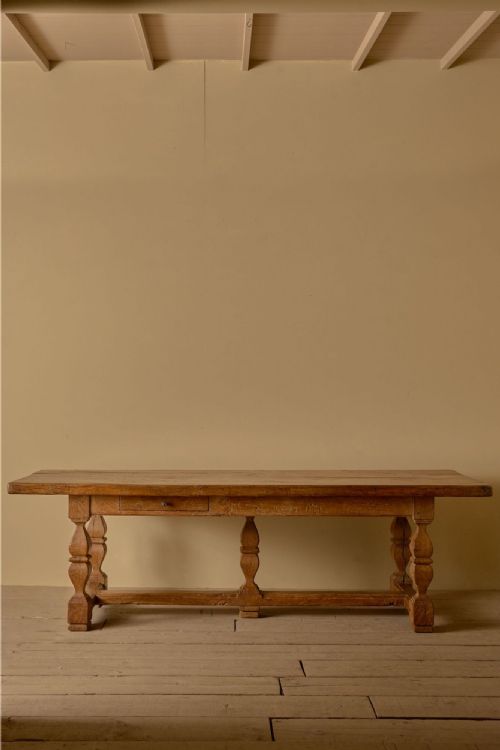
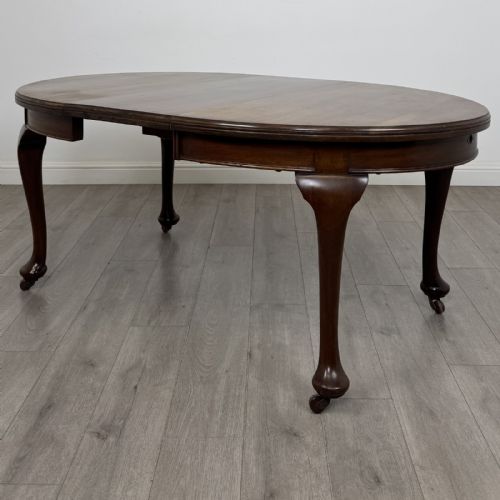
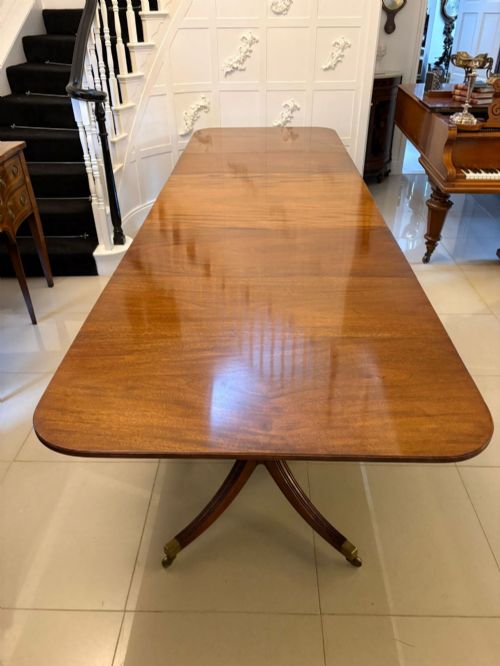
A brown dining table anchors the room in mahogany, oak, or walnut, offering the solid construction needed for daily meals and gatherings.
Brown Dining Table
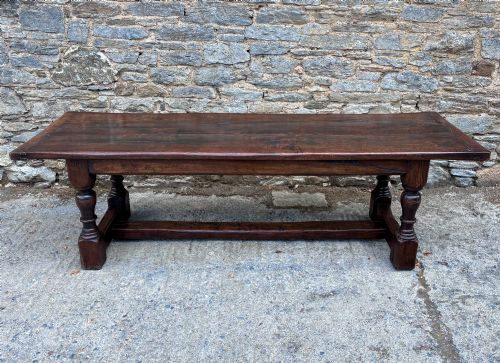
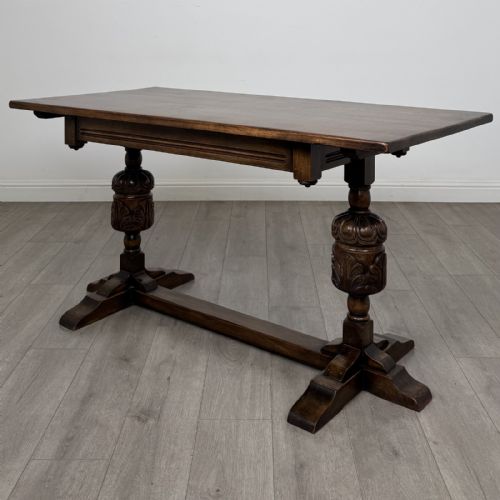
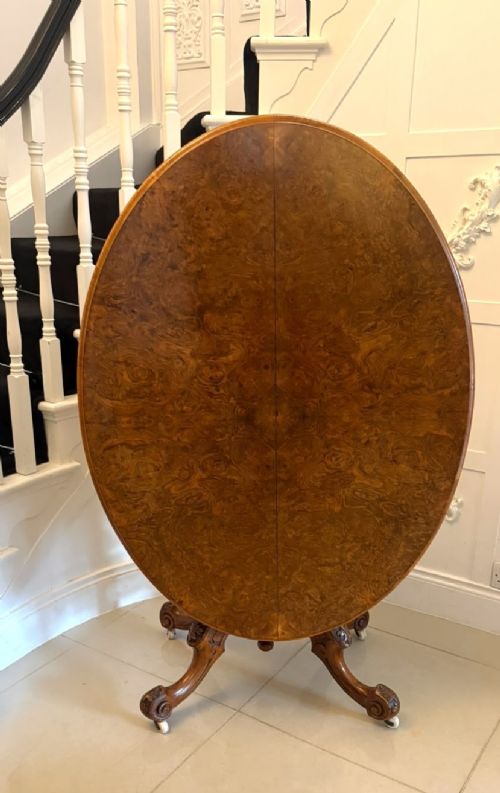
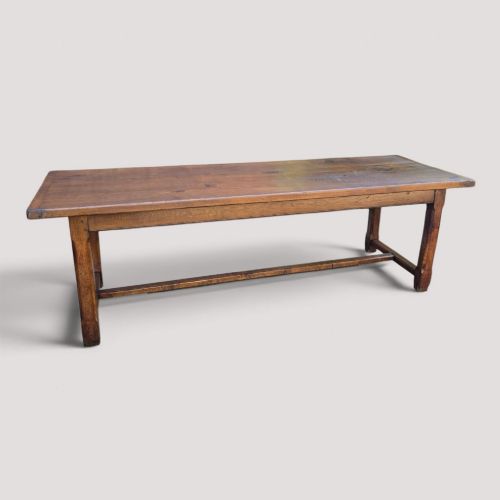
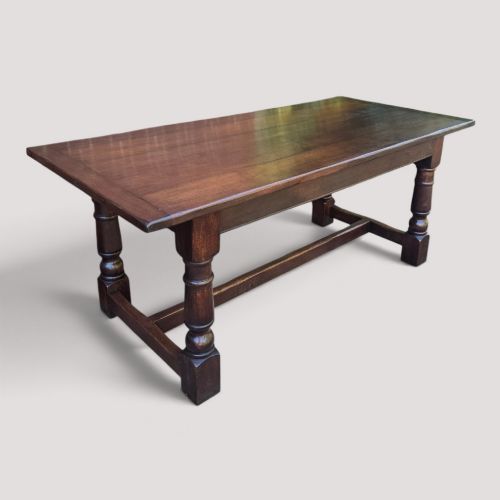
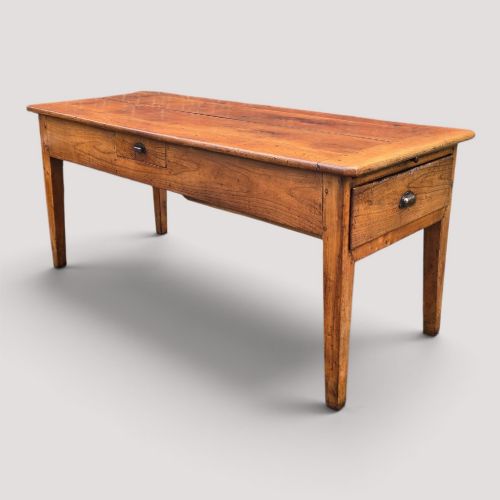
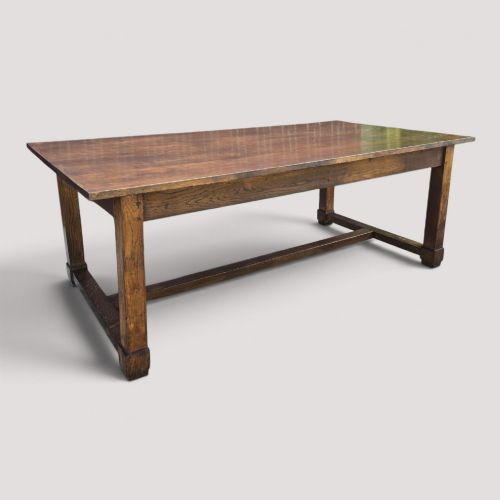
A brown dining table encompasses sturdy oak refectory boards, mahogany pillar extensions, and walnut tilt-top surfaces built for gathering. Buyers searching for a brown dining table encounter pieces spanning centuries, from seventeenth-century draw-leaf formats to Edwardian extendable designs and French country variations.
The version met most often on this page is the nineteenth-century mahogany extending table or the eighteenth-century oak farmhouse board. These types reflect the materials favoured by historical cabinet makers and dining traditions.
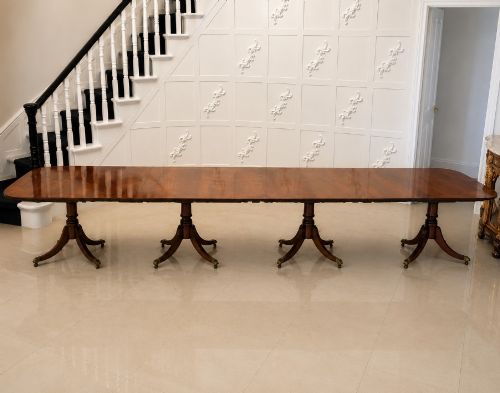
Forms extend beyond standard four-legged boards to include Pembroke tables, circular centre tables, and large multi-pillar dining tables seating sixteen to eighteen people. Each configuration serves a specific scale of room and style of hospitality.
Materials and construction
Makers utilised dense native and imported timbers, primarily oak, mahogany, walnut, and fruitwood, often selecting figured veneers for table tops to create visual depth. Brass fittings, leather inserts, and beech secondary woods appear where function and structure require added strength.
Joinery methods rely on draw-leaves, tilt mechanisms, and multi-pillar pedestal bases that allow tables to expand safely for larger groups. Hand-carved details adorn skirts and legs on specific Victorian and Georgian pieces, while simpler farmhouse tables maintain straightforward pegged joints.
Some eighteenth-century farmhouse tables retain accidental ink spots from centuries of household ledger writing beneath the grain.
Distinguishing quality
The upper tier of tables displays carefully matched timber grains, substantial timber thickness, and original mechanism parts that operate smoothly without sagging. Lower-tier examples often show simpler secondary woods, mismatched repairs, or replacement hardware.
Carved ornament depth and crispness differentiate standard production from superior workshop output, particularly in Victorian and Georgian multi-pillar formats. The integrity of the timber movement and the stability of the central pedestals dictate the longevity of the table.
Maurice Adams
The Brown Dining Table Glossary
- Refectory table
- A long, narrow dining table traditionally used in monasteries and large halls. These heavy boards frequently feature stretcher rails near the floor for stability.
- Draw-leaf table
- An extending table containing two hidden leaves stored beneath the main top. Pulling these leaves extends the surface length instantly.
- Tilt-top table
- A table designed with a mechanism that allows the surface to pivot to a vertical position. This function enabled tables to stand against walls when not in use.
- Pillar and pedestal
- A central column support resting on legs, commonly utilised on nineteenth-century mahogany tables. This arrangement provides legroom around the perimeter.
- Pembroke table
- A small rectangular table with hinged drop leaves on two opposing sides. These served versatile roles in domestic spaces before expanding for dining.
Brown Dining Table: Frequently Asked Questions
How do I seat more guests?
Many tables utilise extending mechanisms, draw leaves, or removable insert leaves to accommodate additional diners. Pillar tables pull apart on tracks to accept extra sections.
Check the base stability and leaf alignment before extending the table surface fully.
Are these tables suitable for daily use?
Historical dining tables were built for heavy domestic service using solid timbers like oak and mahogany. Proper daily use involves coasters, trivets, and sensible cleaning routines.
Applying appropriate wax maintains the timber finish against regular wear.
How do I date a wooden table?
Dating relies on timber selection, tool marks, joinery techniques, and structural hardware. Georgian pieces often display different leg profiles and timber grain patterns compared to Victorian examples.
Consulting the listed period offers a reliable starting point for identification.
What is a refectory table?
A refectory table is a long, narrow dining surface traditionally designed for communal dining halls. These tables use sturdy wooden frames joined by low stretchers.
Their substantial weight keeps the surface stable without requiring complex extension systems.