
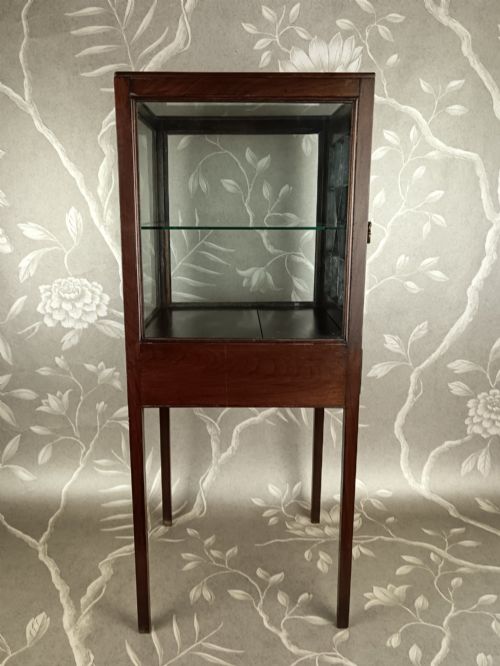
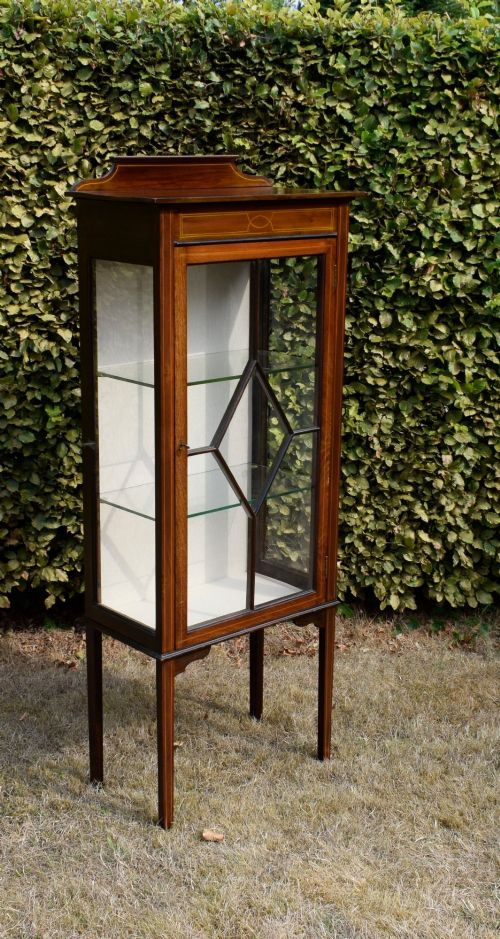
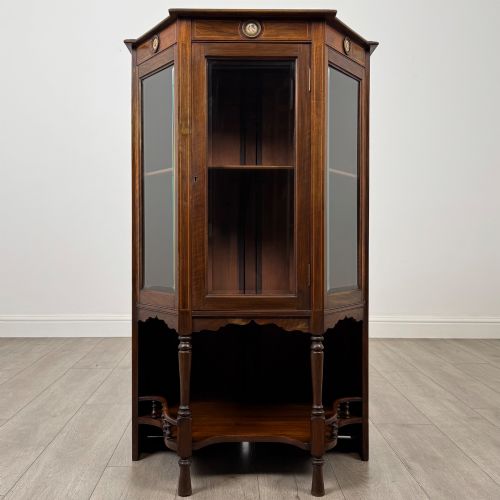
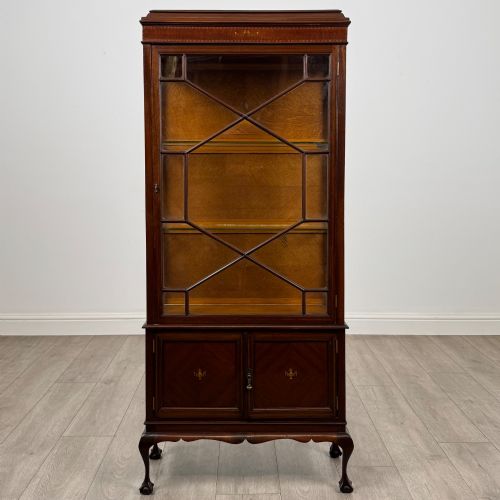
Brown Curio Cabinet
A brown curio cabinet holds small treasures safely behind glass while bringing rich timber tones into a room.
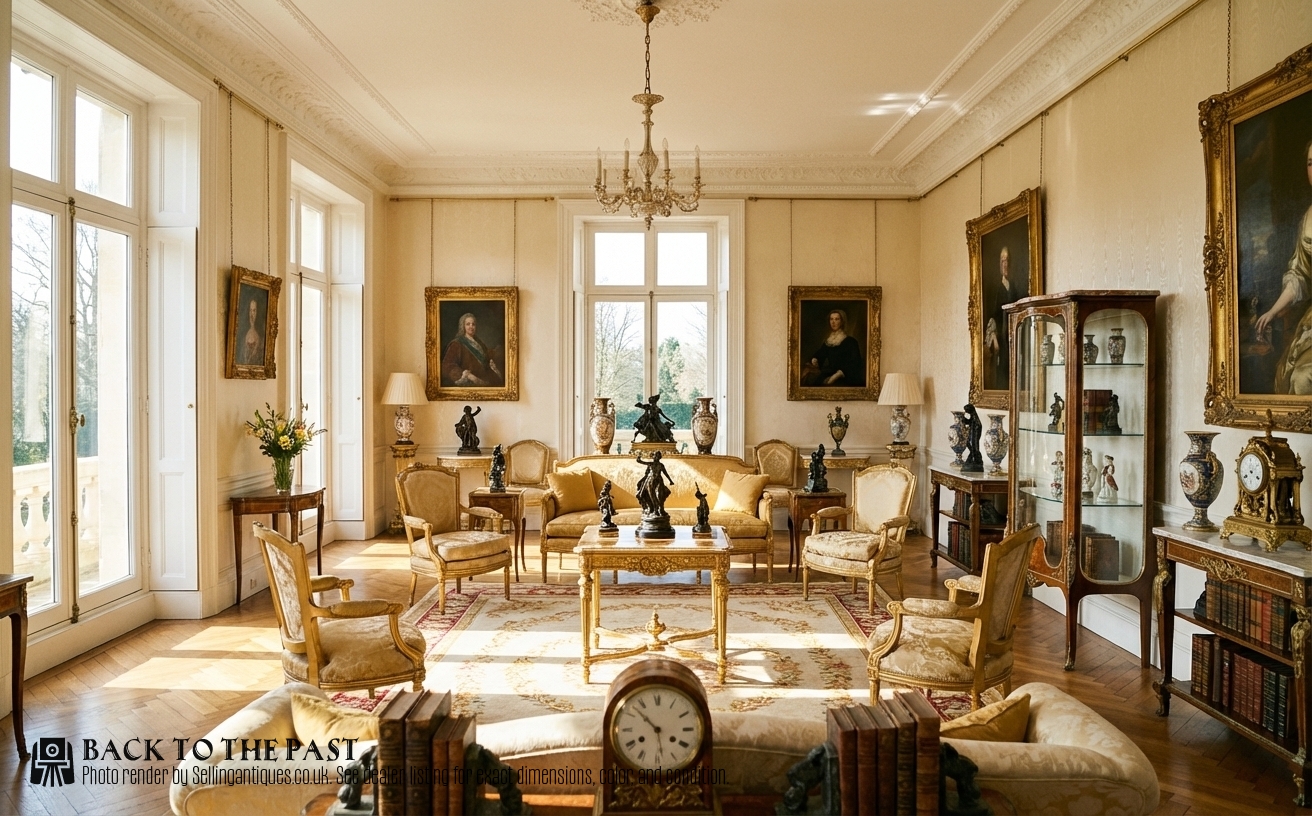
Brown Curio Cabinet
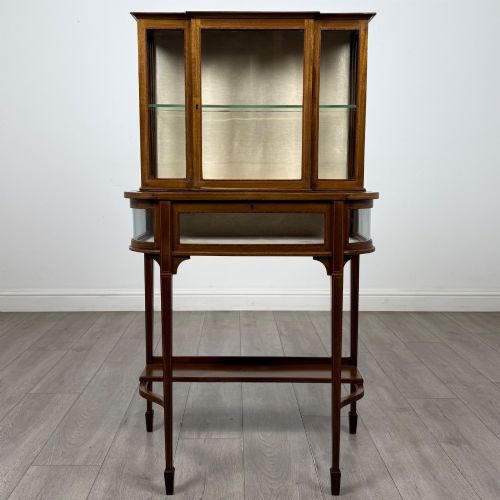
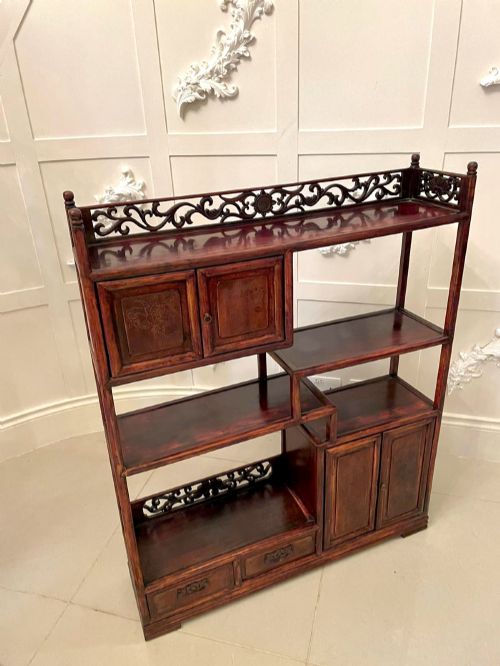
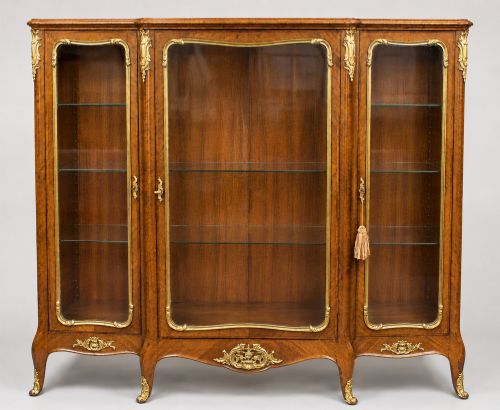
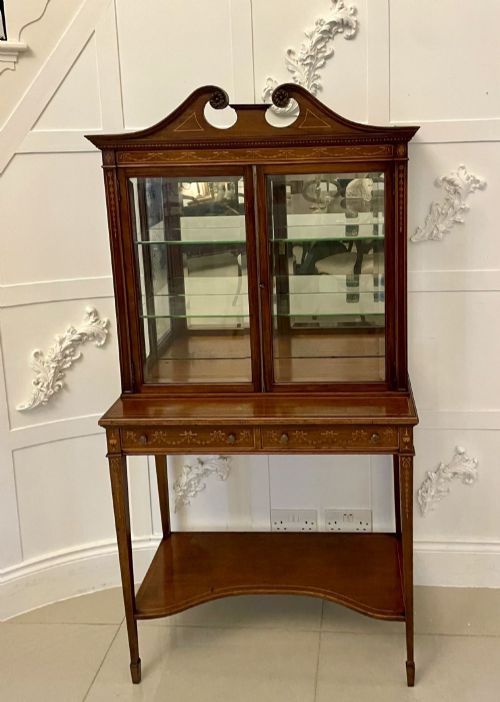
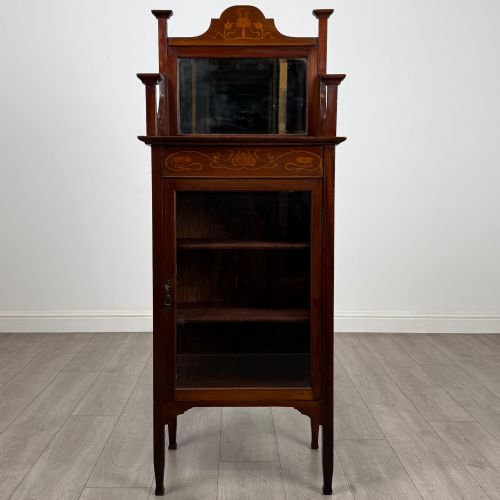
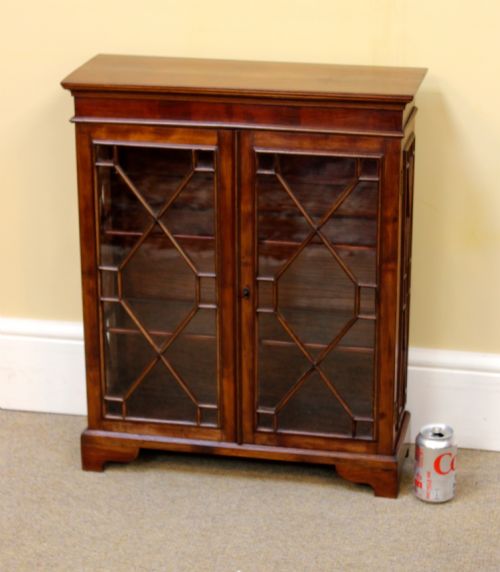
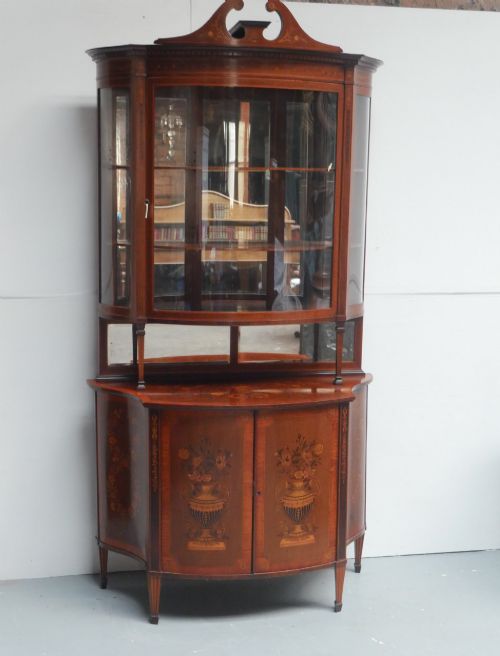
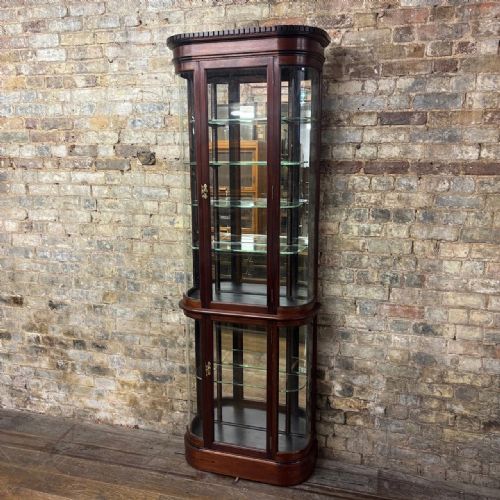
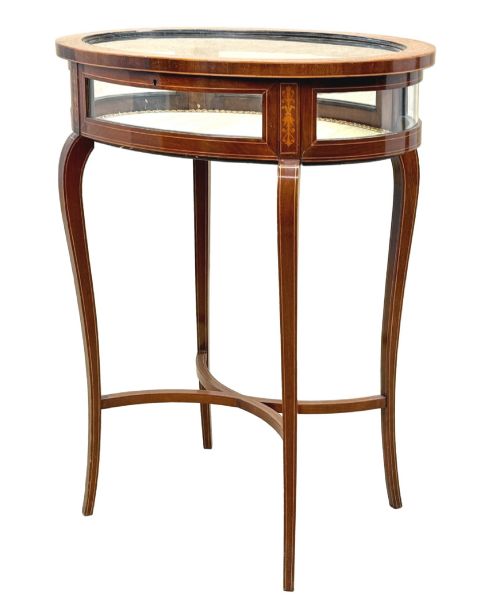
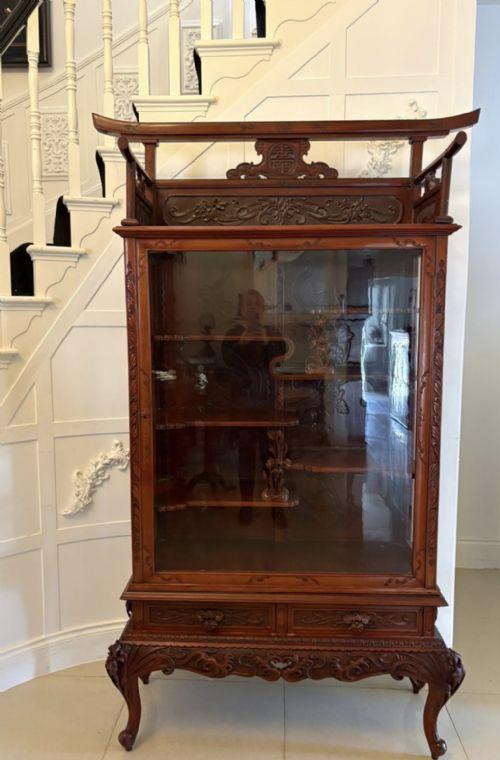
A brown curio cabinet takes several distinct forms across this selection, including tall display cabinets, wall-mounted vitrines, and tabletop bijouterie cases. Most pieces originate from the Edwardian period and the nineteenth century, rendered in familiar wood tones.
Makers shaped these brown curio cabinet pieces in diverse regional styles, ranging from English Georgian and Edwardian designs to French Louis revival and Dutch marquetry. Buyers encounter everything from compact pedestal cases to large two-part display furniture.
Materials and construction
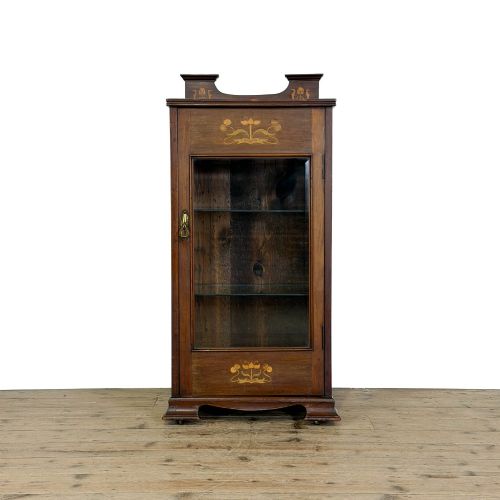
Cabinet makers built the primary carcass of a brown curio cabinet using dense timbers such as mahogany and walnut, frequently enhancing surfaces with satinwood, kingwood, or floral marquetry. Glazed doors and glass panels protect the interior while allowing light to reach the displayed objects.
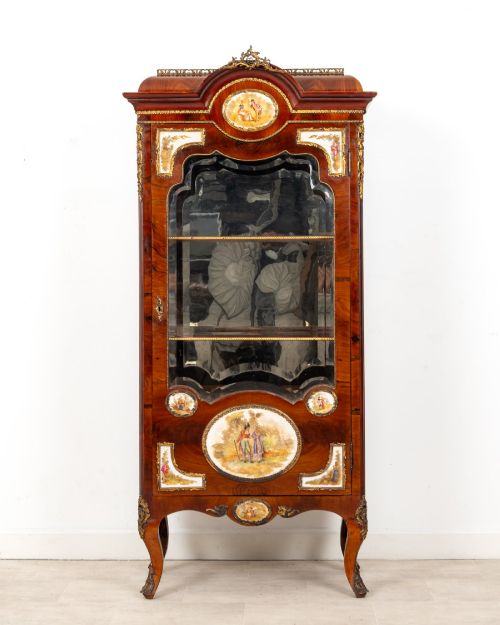
Many examples feature decorative metalwork, including ormolu mounts, brass details, and gilt metal fixtures. Skilled artisans shaped curved door fronts, added delicate inlay, and incorporated fabric-lined interiors or adjustable glass shelves.
Edwardian and nineteenth-century eras dominate the available display cabinets, vitrines, and tabletop cases.
Quality differences
The distinction between standard and exceptional examples rests in the finesse of the timber selection and the complexity of the marquetry. Finer cabinets display meticulous cabinetwork in the alignment of wood grains and the precision of inlaid motifs.
The quality of hardware and ornamentation separates individual pieces, particularly where cast ormolu mounts and gilt metal accents meet the polished wood surface. Original glass panels and well-executed curved doors indicate superior workshop production.
Edwards & Roberts·François Linke
The Brown Curio Cabinet Glossary
- Vitrine
- A glass-fronted display cabinet used for showing porcelain and small ornaments. These pieces often feature glazed sides to maximise interior light.
- Bijouterie table
- A glass-topped display table designed for holding jewellery and small precious objects. The glazed compartment sits at a convenient height for viewing items from above.
- Marquetry
- Decorative patterns formed by fitting together thin veneers of various coloured woods. Craftsmen cut these pieces precisely to create floral or geometric designs across the surface.
- Ormolu
- Gilt bronze ornamentation applied to furniture mounts and decorative details. This technique gained wide use on nineteenth-century French cabinets.
- Vernis Martin
- A type of simulated Japanese lacquer developed by French craftsmen in the eighteenth century. It involves layers of translucent varnish applied over painted panels.
Brown Curio Cabinet: Frequently Asked Questions
What fits inside a brown curio cabinet?
These cabinets suit small collections of porcelain, figurines, medals, and curiosities that benefit from protection behind glass.
The adjustable glass shelves found in many examples accommodate objects of varying heights.
How do I date a brown curio cabinet?
Dating relies on observing the timber choice, decorative styles, and construction methods characteristic of periods like the Edwardian era or the nineteenth century.
Inlay styles and hardware details often provide clear indicators of the decade of manufacture.
Where should I place a wall cabinet?
A wall-mounted brown curio cabinet works best at eye level in a reception room or hallway where the contents are easily visible.
Secure wall fixings are essential to support the combined weight of the timber, glass, and displayed items.
Are bijouterie tables secure?
Bijouterie tables enclose items securely beneath a glass lid, often featuring a functional lock for added safety.
The lined interior protects delicate objects from shifting during daily use.