




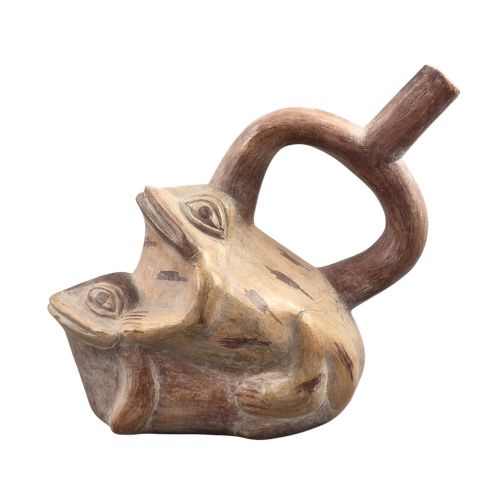
Brown Ceramic Art Pottery
Brown ceramic art pottery brings warmth and character to an interior through rich earthy tones and tactile surfaces.
Brown Ceramic Art Pottery
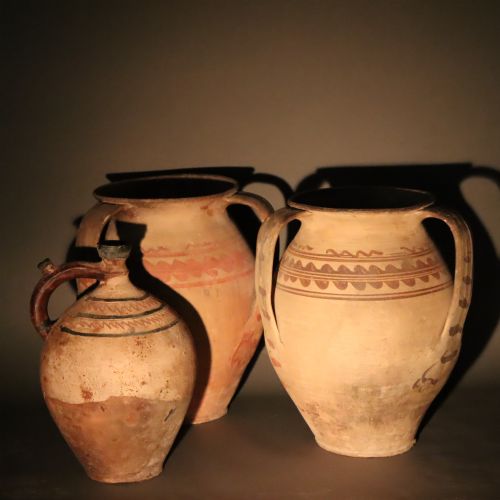
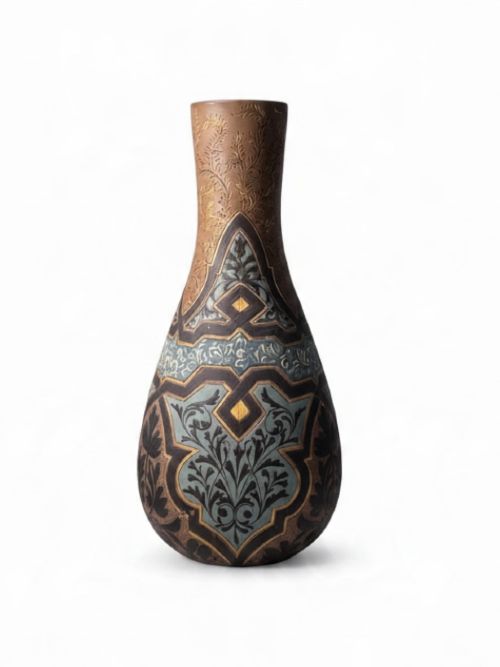
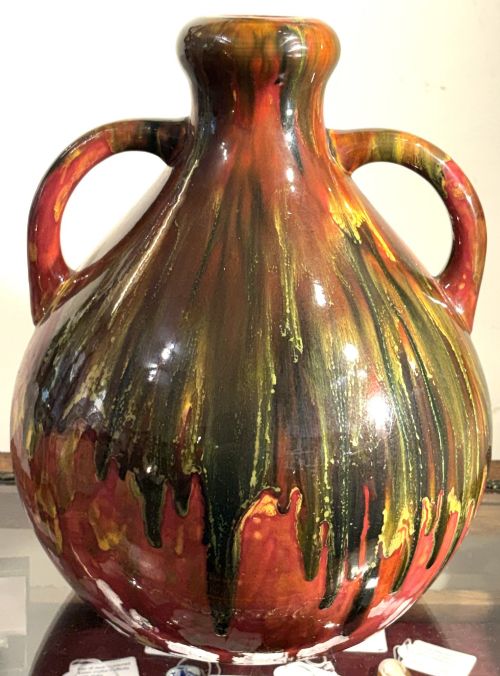
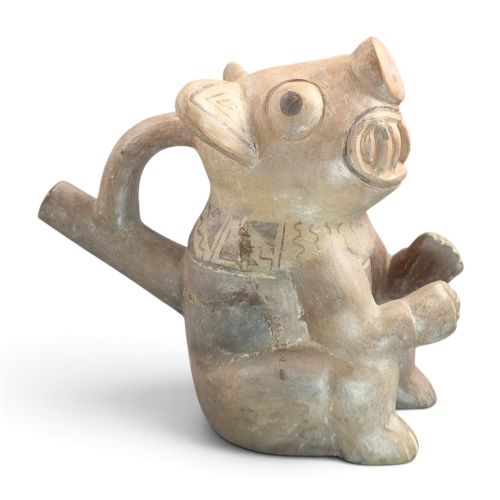
Brown ceramic art pottery encompasses a variety of utilitarian and decorative forms, including vases, jugs, pitchers, bowls, plaques, and sculptures. These items span multiple periods from the nineteenth century into the twentieth century, alongside ancient pre-Columbian vessels.
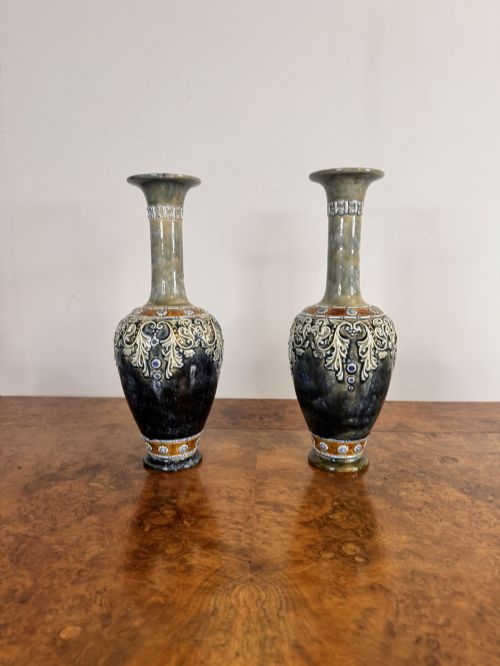
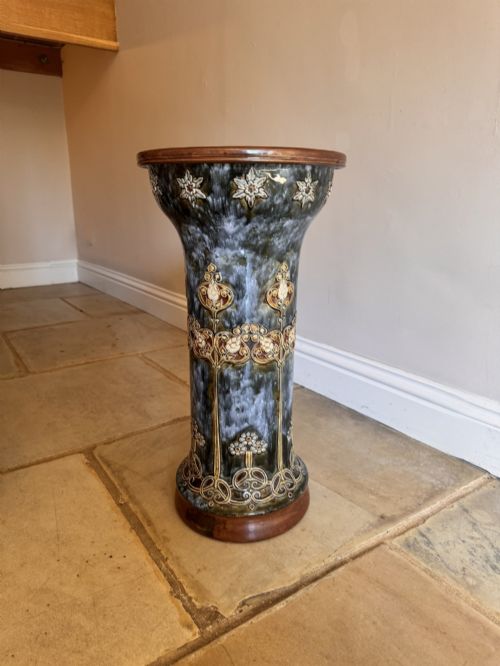
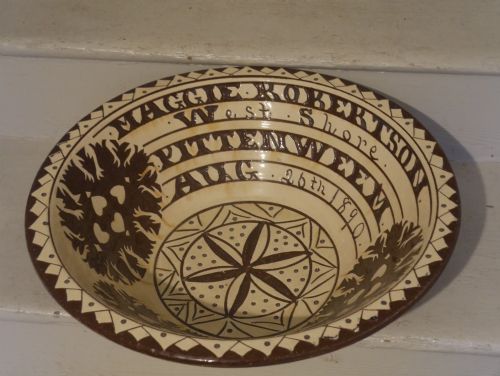
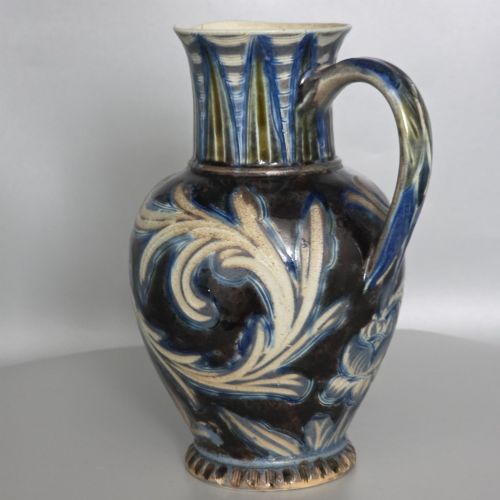
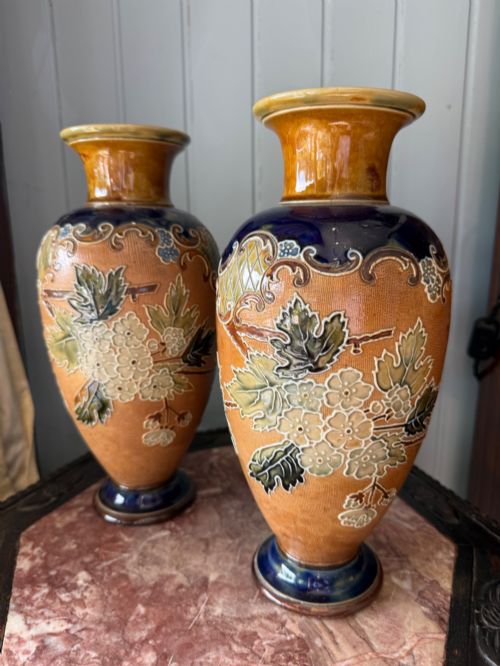
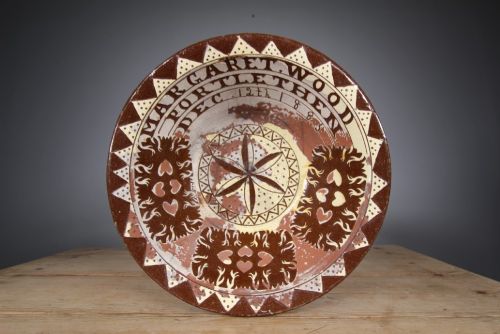
The pieces on this page are most commonly Victorian and early twentieth-century British wares, alongside European studio and factory productions. Makers such as Royal Doulton and Doulton Lambeth feature heavily among the selection, alongside regional slipware and continental potteries.
How they were made
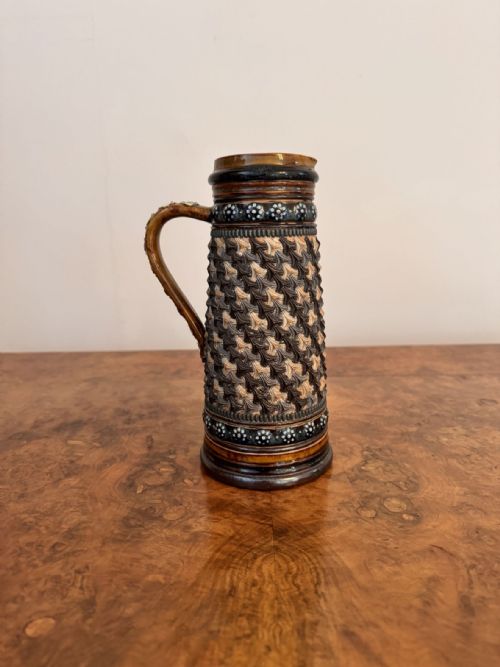
Potters shaped earthenware, stoneware, and terracotta using throwing, moulding, and slipcasting techniques before applying lead, salt, or standard ceramic glazes. Many items incorporate surface decoration such as incising, slip trailing, or applied cabochons.
Kiln firing transformed the raw clay bodies and reactive glazes into durable objects, producing the deep browns, rust tones, and autumnal hues seen across the pieces.
Brown Ceramic Art Pottery Retail Price Guide 2026
Typical asking prices for brown ceramic art pottery among the pieces listed under this phrase on Sellingantiques today, from the lower quarter to the upper quarter. They describe what is for sale here now, not the wider market.
Vases, jugs, jardinieres, and decorative plaques represent the primary object types available in these brown ceramic wares.
What varies in quality
Quality rests upon the crispness of the modelled or incised decoration and the depth and control of the glaze finish. Hand-painted details and signed artist pieces distinguish finer studio outputs from standard commercial wares.
The balance of the form and the successful interaction between the clay body and the kiln atmosphere dictate the overall aesthetic success of each individual vessel.
Burmantofts·Royal Doulton·Doulton Lambeth·Seaton Pottery·Boch Freres·Bretby Pottery·Copeland Pottery·Sherwin and Cotton·Wileman Intarsio·Doulton Burslem·Mettlach Pottery
The Brown Ceramic Art Pottery Glossary
- Stoneware
- A robust ceramic fired at a high temperature until vitrified and rendered non-porous. It accepts salt glazes and intricate incised decoration particularly well.
- Slipware
- Pottery decorated with slip, a liquefied suspension of clay applied before firing. It is often used for trailing bold patterns onto earthenware bodies.
- Earthenware
- Porous pottery fired at lower temperatures than stoneware. It requires a glaze to hold liquids and forms the base for much traditional folk pottery.
- Terracotta
- Unglazed or slip-coated brownish-red fired earthenware. It takes its name from the Italian for baked earth.
- Jardiniere
- A large ornamental pot or stand designed to hold a plant or floral arrangement. These vessels frequently feature prominent handles or relief moulding.
Brown Ceramic Art Pottery: Frequently Asked Questions
What is brown ceramic art pottery?
Brown ceramic art pottery encompasses decorative and functional vessels produced primarily during the nineteenth and early twentieth centuries. These objects utilise earthenware, stoneware, and terracotta bodies finished in rich brown and autumnal glazes.
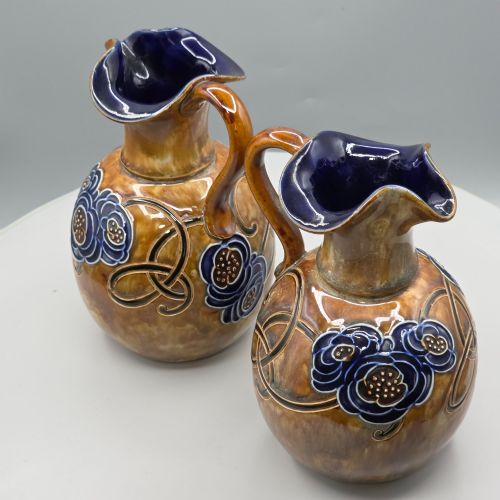
They reflect the shifting design movements of their eras, ranging from Victorian folk art to Arts and Crafts and Art Nouveau styles.
How were these pottery pieces used?
Many pieces served domestic functions, such as jugs, teapots, dairy bowls, and jardinieres designed for holding plants. Others were purely decorative items like vases, plaques, and sculptural busts intended for display in period interiors.
Over time, utilitarian items transitioned into decorative cabinet pieces valued for their craftsmanship and design history.
How do I live with antique pottery?
Displaying antique pottery involves placing vessels on sturdy surfaces away from high-traffic areas where they might be knocked. Stoneware and earthenware items benefit from stable indoor environments with minimal humidity fluctuations.
Grouping pieces by their shared brown tones or contrasting forms highlights their tactile glazes and historic character within a modern room.
How do I date an antique ceramic piece?
Dating relies upon examining the base for maker marks, impressed stamps, or artist signatures that correspond to known factory production periods. Stylistic indicators, such as Art Nouveau floral motifs or Victorian forms, also help narrow down the decade of manufacture.
Materials provide further clues, as certain glaze types and clay preparations were specific to nineteenth-century workshops and earlier centuries.