
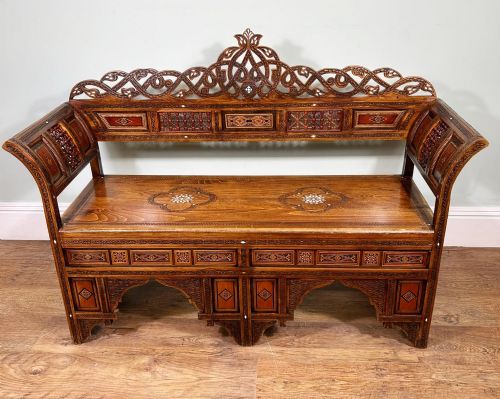
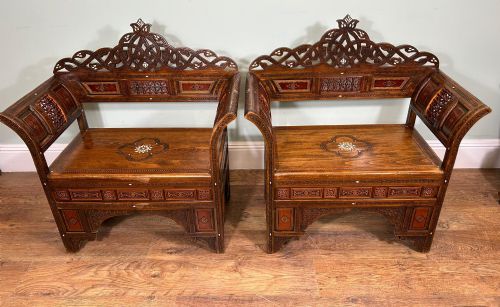
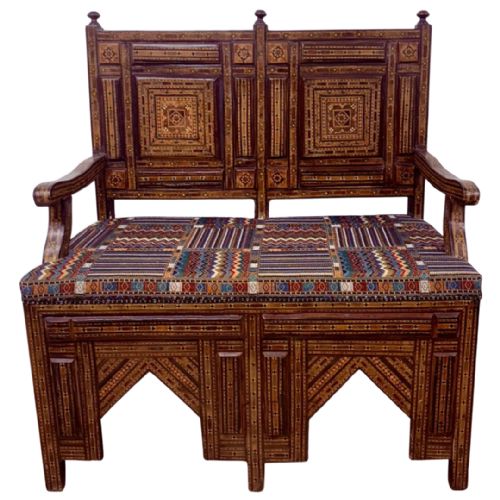
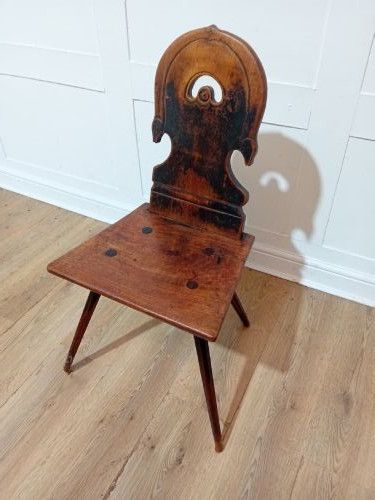
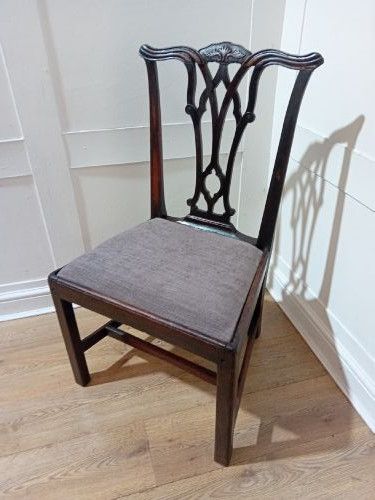
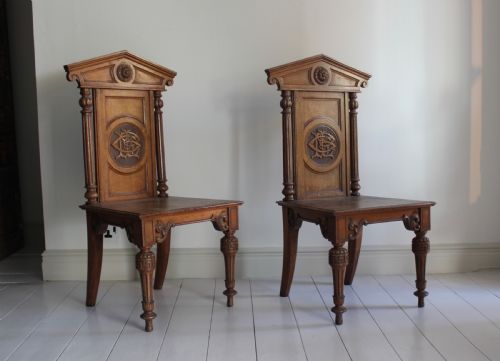

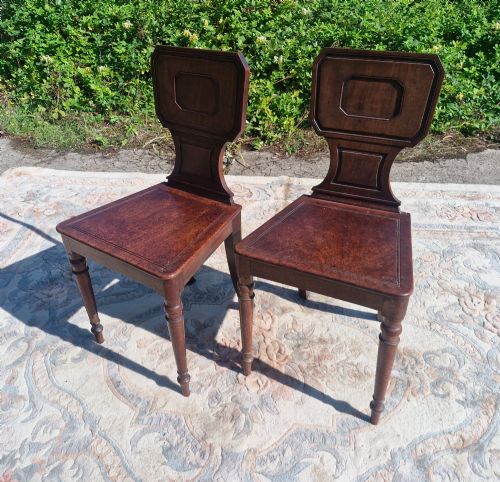
Brown Carved Wooden Seat
A brown carved wooden seat anchors a room through weight of timber and age.
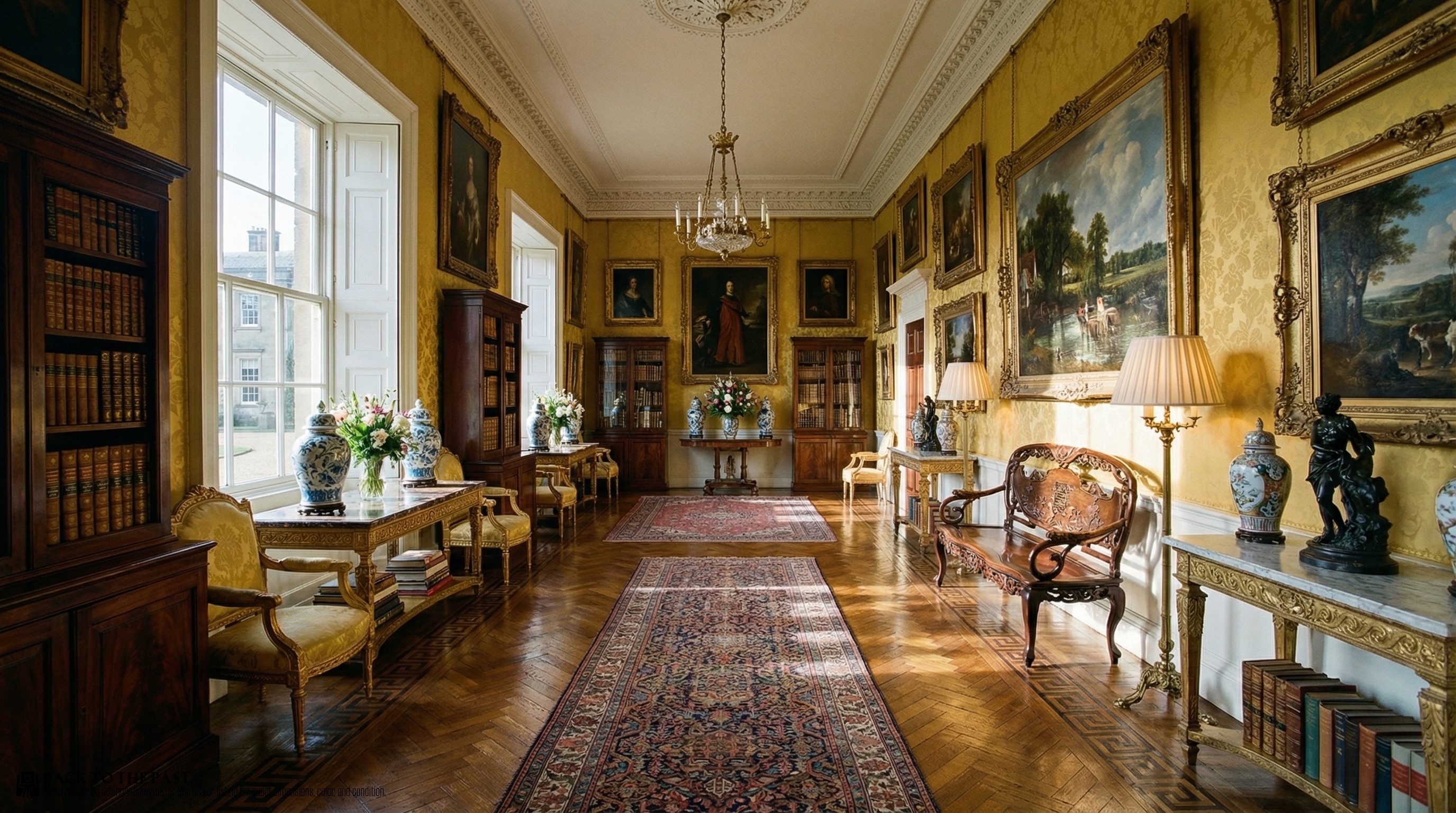
Brown Carved Wooden Seat
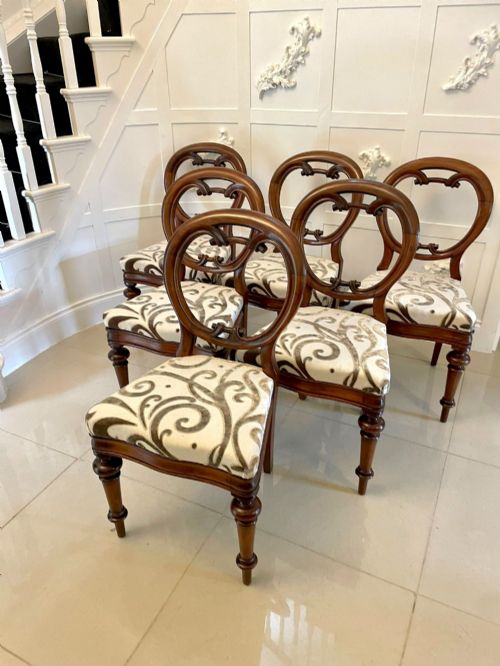
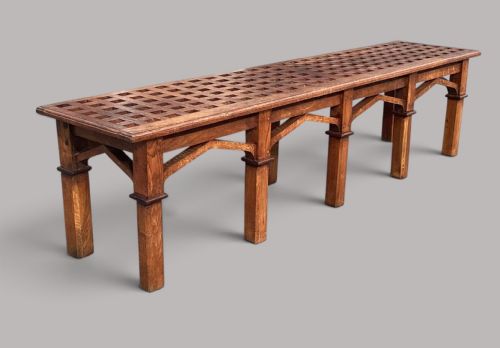
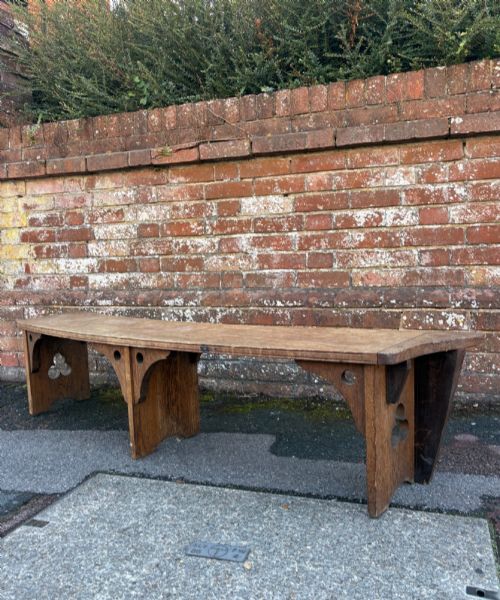
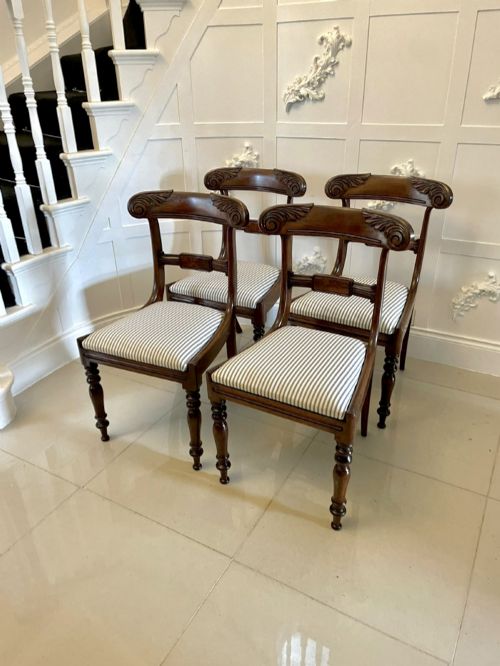
A brown carved wooden seat encompasses utilitarian forms and formal seating created across the eighteenth, nineteenth, and early twentieth centuries. These pieces range from robust tavern stools and Windsor chairs to ornate hall benches and dining suites.
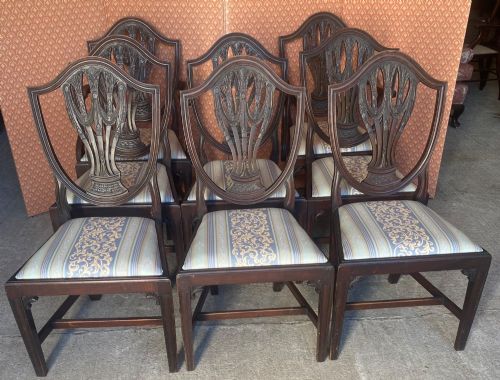
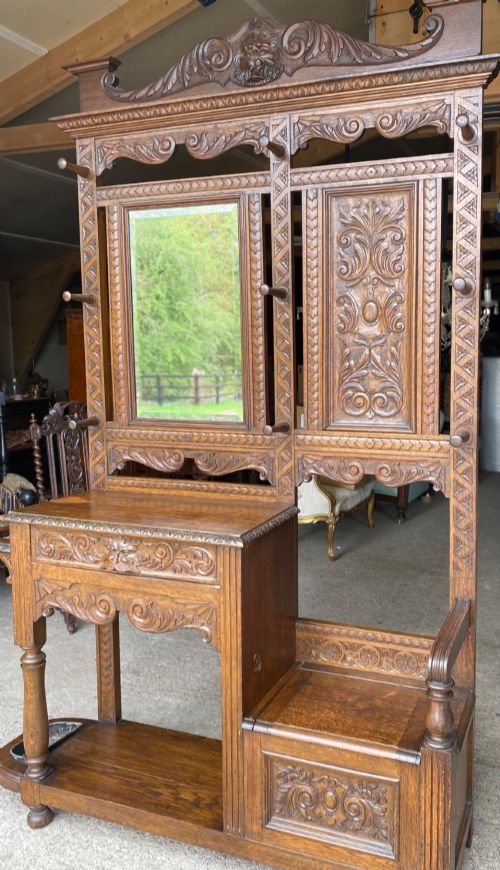
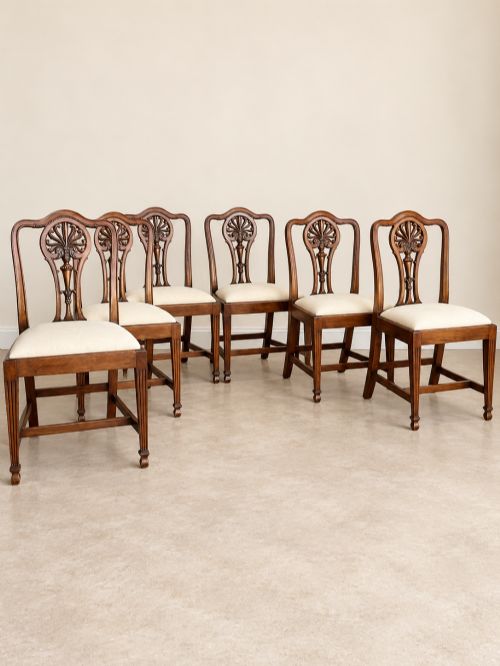
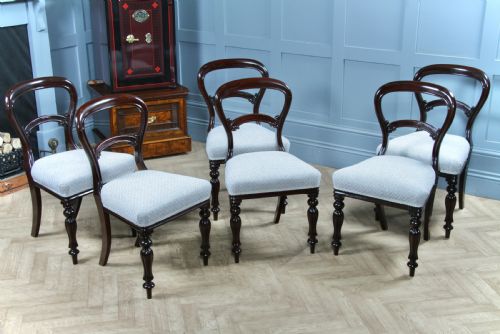
The most frequent examples found here are dining chairs, hall chairs, and benches originating from Victorian and Georgian workshops. Woods such as oak and mahogany dominate these forms, often displaying regional carving traditions.
Makers utilised dense native timbers to construct seating designed for heavy daily use in halls, dining rooms, and parlours. Survival in sound condition depends upon the original selection of hardwood and subsequent care.
Materials and construction methods
Craftsmen built these seats using solid native and imported hardwoods, principally oak, mahogany, walnut, elm, and beech. Timber selection dictated the structural integrity of the frame and the depth achievable in carved ornament.
Joinery techniques relied upon traditional mortise and tenon joints, dowl pins, and turned spindles to secure legs and rails. Carved details such as trefoils, shield backs, and gothic tracery were executed by hand directly into the solid wood.
Surfaces received finishes like wax or polish to protect the timber while highlighting the natural grain and colour variations inherent in each species of wood.
Pub and tavern stools recorded here bear the quiet dents of centuries of patrons resting weary boots.
Distinctions in quality and execution
Superior examples exhibit crispness in the hand-carved details and careful matching of timber grain across visible surfaces. Lesser pieces often display mechanical uniformity or replacement components that disrupt the historical integrity of the frame.
The choice of primary wood heavily influences desirability, with well-figured mahogany and quarter-sawn oak commanding attention for their durability and appearance. Construction density and the retention of original finish further separate standard production from exceptional work.
GIllows·Andrea Brustolon·Hepplewhite
The Brown Carved Wooden Seat Glossary
- Hall chair
- A rigid wooden seat placed in an entrance hall, typically featuring a solid carved back displaying heraldry or ornamental motifs. These chairs were designed for brief occupation rather than long comfort.
- Windsor
- A chair construction method where legs and back spindles are socketed directly into a solid sculpted wooden seat slab. Elm and ash were frequently utilised for these resilient country seats.
- Settle
- A high-backed wooden bench with solid arms and a storage box or panelled base designed to block cold drafts. They anchored domestic spaces in farmhouses and taverns.
- Gothic Revival
- An architectural and decorative style drawing inspiration from medieval forms, incorporating pointed arches, trefoils, and heavy structural framing. This aesthetic frequently appears on nineteenth-century benches and chairs.
- Shield back
- A chair back design shaped in the contour of a heraldic shield, popular during the eighteenth century and revived in later periods. Carved wheat ears or drapery often decorate the central splat.
Brown Carved Wooden Seat: Frequently Asked Questions
How were antique hall chairs used?
Hall chairs stood in entranceways to provide brief seating for callers waiting to be announced. They prioritised rigid posture and decorative display over physical comfort.
Craftsmen often carved family crests or geometric motifs into the wooden backs to signal household status to visitors upon entry.
What woods appear most often?
Oak and mahogany dominate the surviving inventory due to their exceptional durability and density. Elm, walnut, and beech also appear frequently in regional furniture and country seating.
Each timber reacts differently to age, developing distinct patinas and surface tones that help identify the period of manufacture.
How do I care for wooden seats?
Maintain a stable indoor environment away from direct heat sources and sudden humidity shifts to prevent timber splitting. Regular application of a traditional beeswax polish nourishes the surface.
Avoid modern liquid cleaners containing silicone, which can penetrate the grain and degrade the historic finish over time.
Are these chairs comfortable?
Most antique wooden seats lack upholstery and rely on sculpted wooden saddles or flat panels for support. They were designed for upright posture during meals or brief interactions.
Adding loose squab cushions can soften the seating experience without altering the underlying historic structure.