
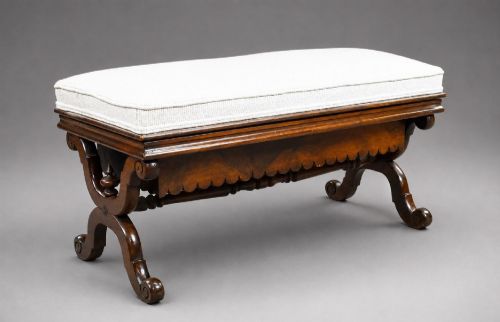
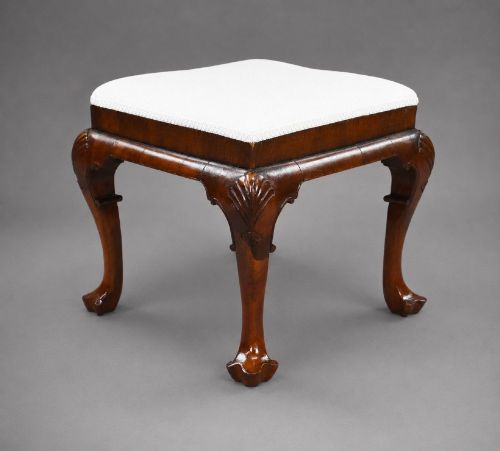
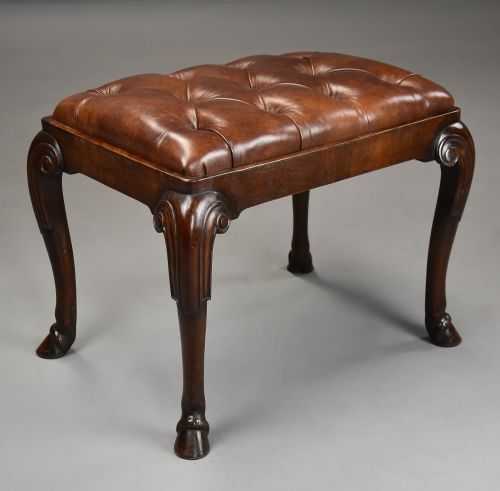
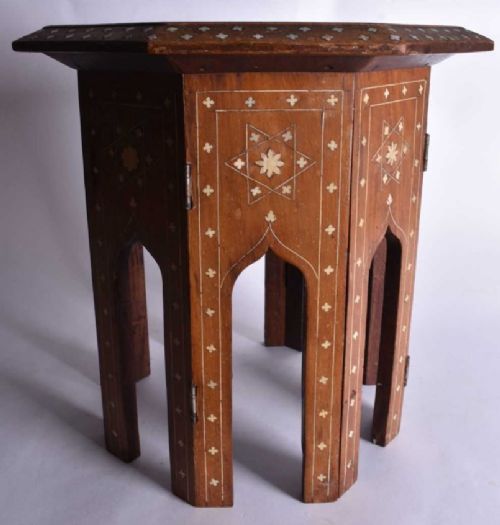
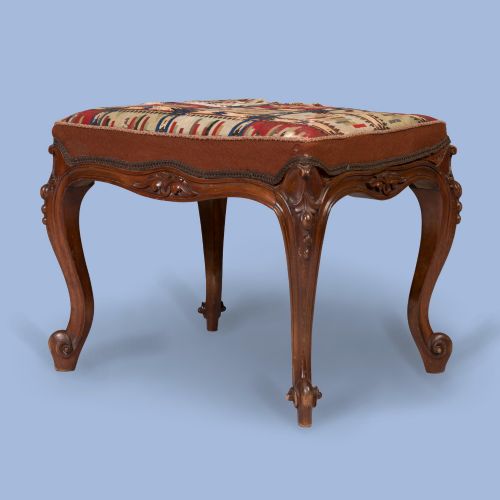
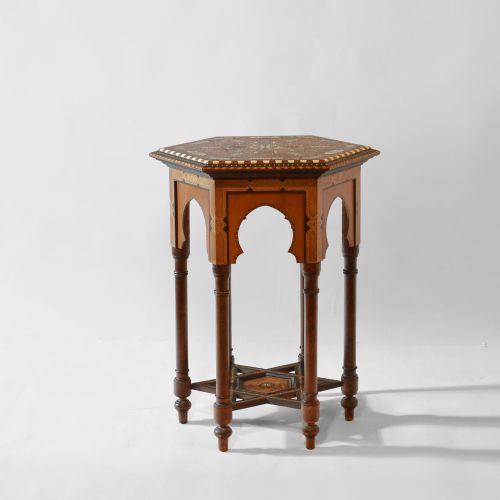


Brown Carved Ottoman
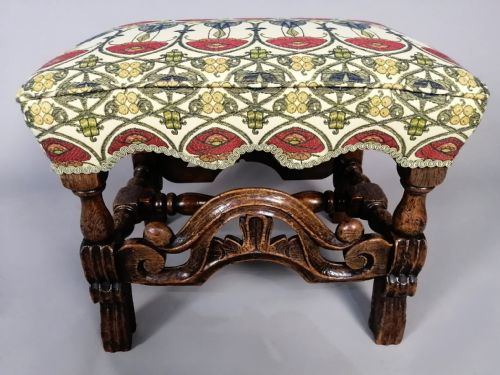
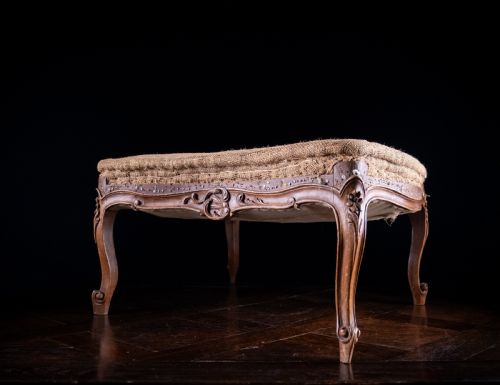
Brown carved ottoman pieces bring solid timber frames and textured upholstery into a room.
Brown Carved Ottoman
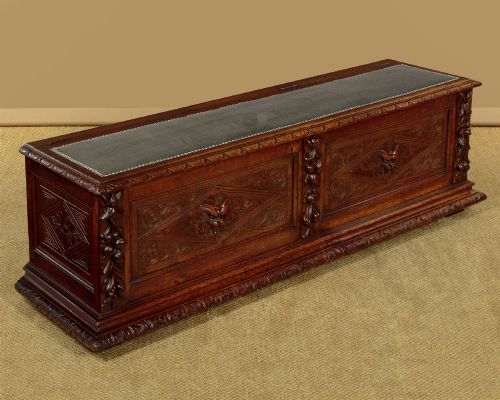
A brown carved ottoman search uncovers sturdy wooden footstools, low seats, and bench forms created across the nineteenth and early twentieth centuries. These pieces emerge in walnut, oak, and mahogany, reflecting periods from the Regency era through to the 1930s.
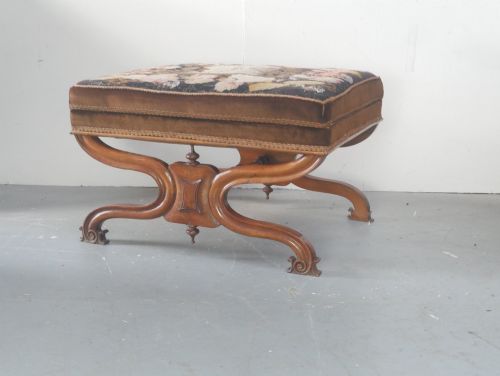
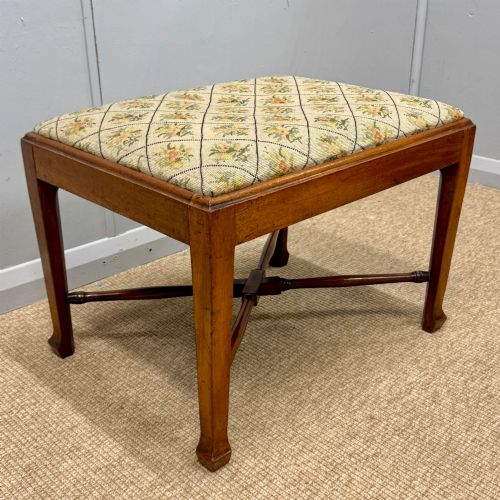
Buyers frequently encounter Victorian walnut salon stools and carved oak box seats alongside revival styles such as Queen Anne, Jacobean, and Chippendale. Many examples feature detailed woodwork paired with functional upholstery, needlepoint, or woven surfaces.
Materials and construction methods
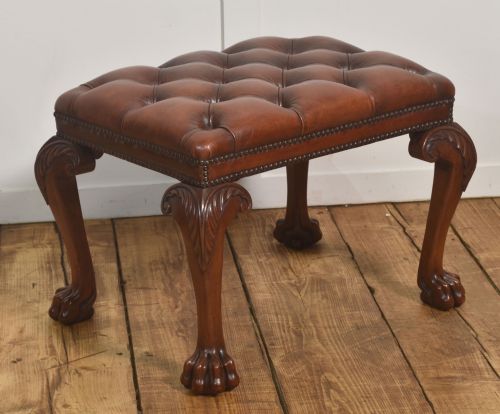
Craftsmen built these brown carved ottoman pieces using dense hardwoods like walnut, mahogany, and oak, often shaping the timber with deep relief carving, lion head motifs, or cabriole legs. Structural frames frequently incorporate traditional joinery and X-frame supports.
Upholstery techniques applied to these items utilise durable fabrics, leather, velvet, textile, and needlepoint, sometimes secured over original stuffing and webbing.
Assessing quality in carved wooden seating
Quality rests in the crispness of the timber carving and the structural integrity of the hardwood frame, where clean joints and substantial timber weight distinguish better items from simpler workshop output. The choice of primary wood, such as figured walnut or rich mahogany, elevates the presence of the piece.
The standard of the upholstery work and the survival of original fabric or needlepoint contribute significantly to the character and authenticity of each surviving seat or box.
James Shoolbred
The Brown Carved Ottoman Glossary
- Ottoman
- A low upholstered seat or bench without a back or arms, often used as a footrest or occasional seating. These forms appear across multiple nineteenth and twentieth-century design revivals.
- Cabriole leg
- A furniture leg that curves outward and then tapers inward, terminating in a pad, scroll, or carved foot. This profile is common on walnut stools from the Victorian period and Queen Anne revivals.
- X-frame
- A structural furniture base formed by two crossing members shaped like the letter X. Pairs of these supports provide sturdy footing for low stools and window seats.
- Needlepoint
- A type of canvas work embroidery used for upholstery on historical footstools and dressing seats. This stitched textile finish often displays floral or geometric patterns.
Brown Carved Ottoman: Frequently Asked Questions
What periods do these ottomans come from?
The listings span the nineteenth century and early decades of the twentieth century, covering Victorian, Edwardian, and Art Deco eras.
Specific construction traits and revival styles help anchor pieces within these broad chronological windows.
How were these wooden stools used?
Historical examples functioned as footrests, dressing table seats, window benches, and small box storage seats in reception rooms.
Their compact scale allowed easy movement around domestic spaces for extra seating.
Which woods appear most frequently?
Walnut, mahogany, and oak dominate the timber frames across the available selection, often enhanced by hand carving.
Beech and teak also appear in specific regional or continental pieces.
Can I find matching pairs?
Certain listings include paired X-frame stools or window seats sharing identical timber frames and upholstery styles.
Single standalone footstools remain the most common format within the category.