
Wooden Upholstered Stool
A wooden upholstered stool brings versatile seating and period character to any room, offering practical comfort alongside traditional craftsmanship.
Wooden Upholstered Stool
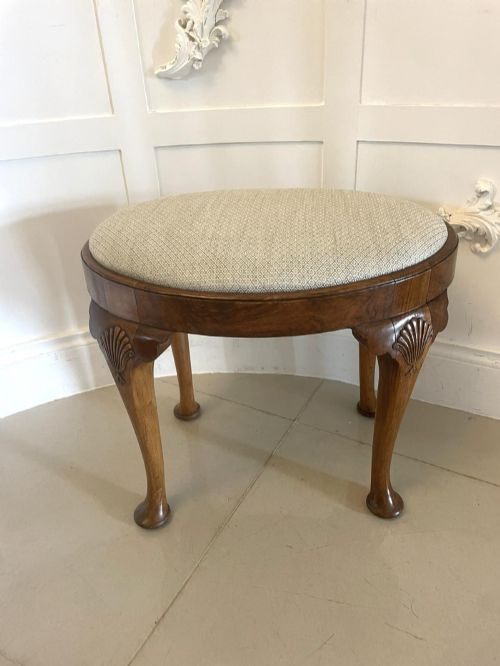
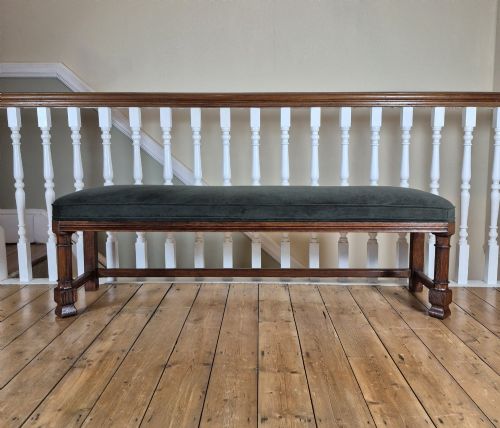
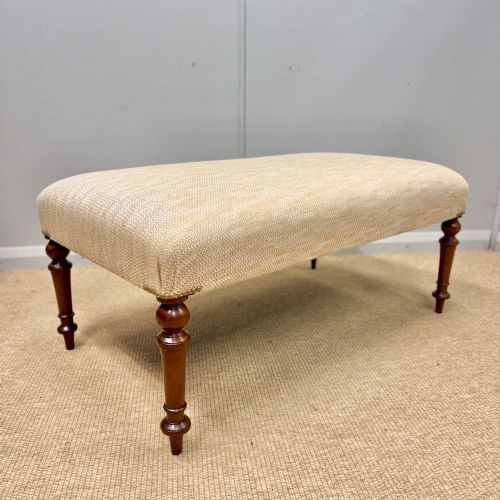
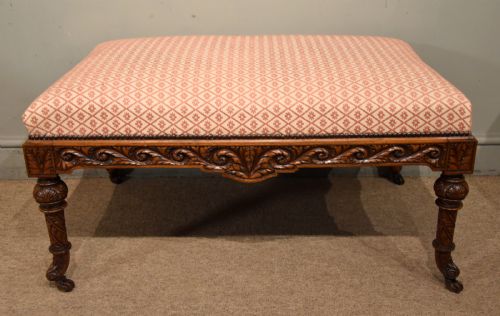
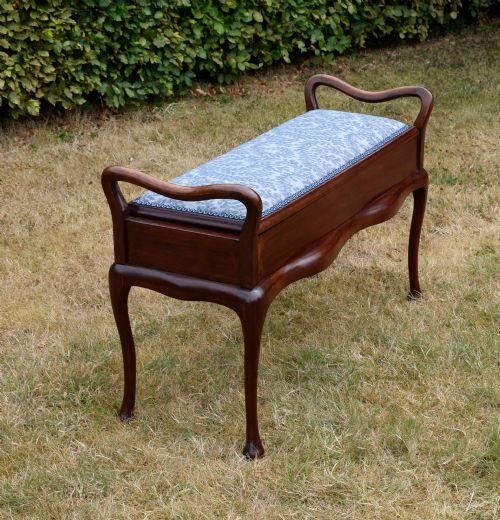
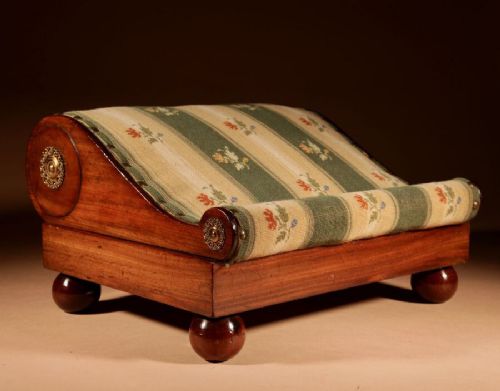
A wooden upholstered stool serves various domestic functions, appearing as compact footstools, dressing table seats, piano stools, and long window benches. When searching for a wooden upholstered stool, buyers encounter diverse forms ranging from small fireside footstools to extended benches.
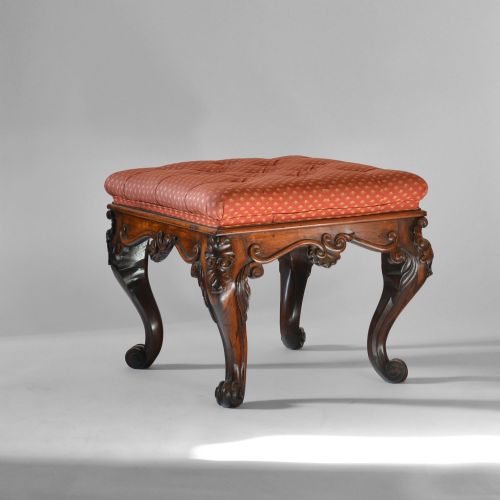
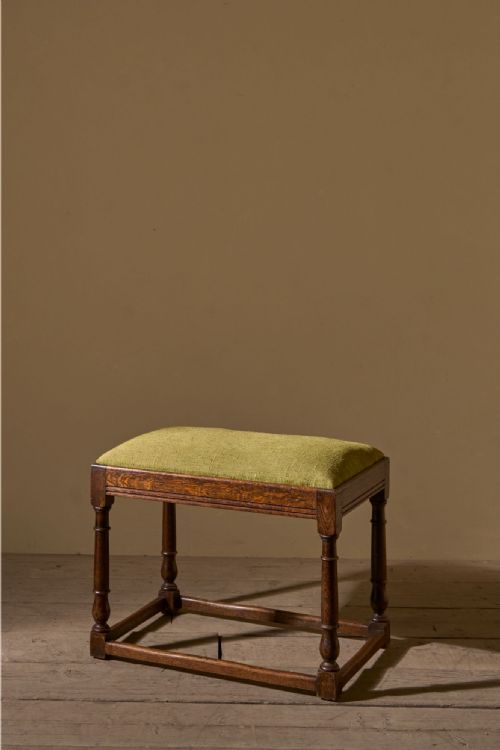
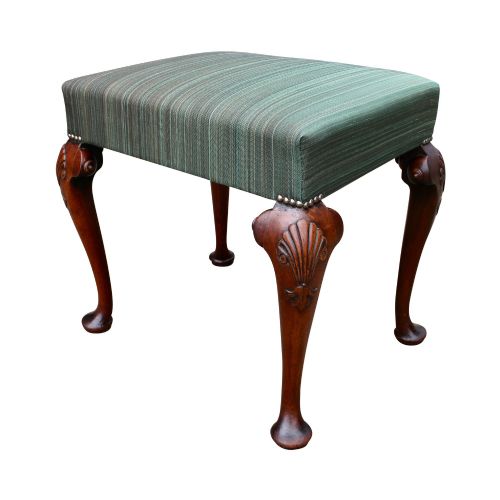
The pieces on this page span several centuries, including Victorian, Edwardian, and Art Deco eras, alongside earlier Georgian and 18th-century examples. Common formats include oval, oblong, and square designs often resting on cabriole or turned wooden legs.
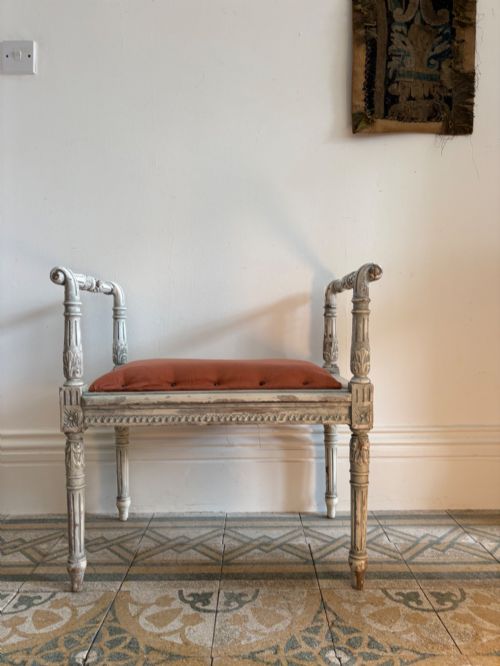
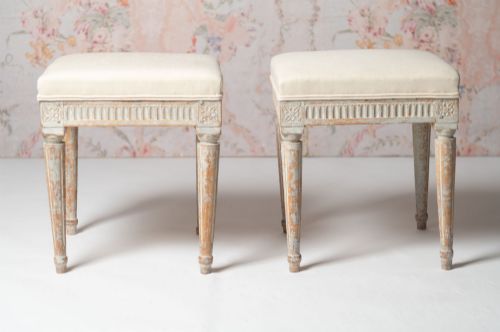
Origin influences style significantly, with English country house pieces sitting alongside French, Swedish Gustavian, and Anglo-Indian variations. Materials vary from walnut and mahogany to oak, beech, and rosewood, paired with textiles like velvet, linen, silk, and leather.
How They Were Made
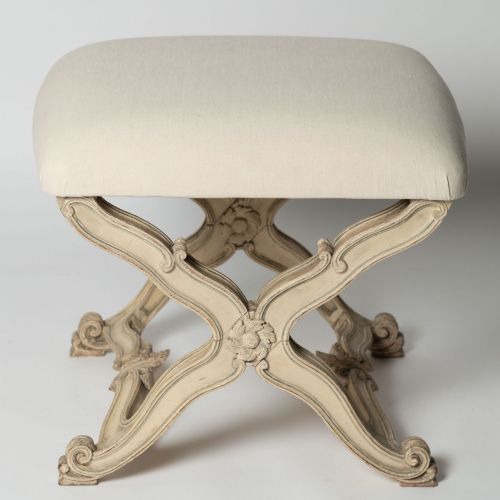
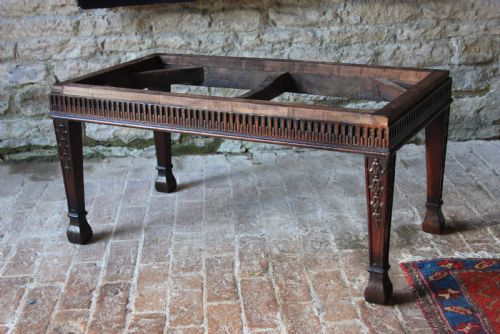
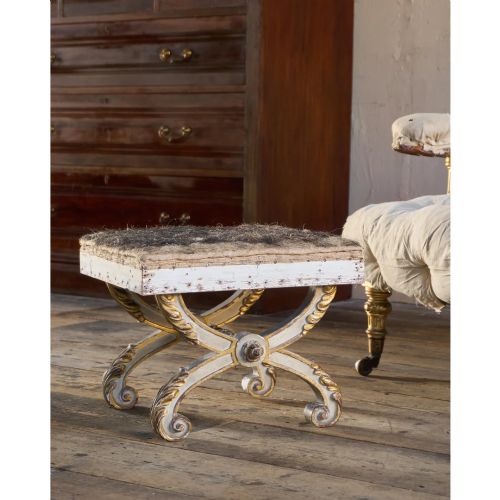
Frames are constructed from hardwoods such as mahogany, walnut, oak, rosewood, and beech, frequently shaped with hand-carved details, cabriole legs, or X-frame curule supports. Joinery methods depend on the period, utilising traditional wood joints to ensure structural stability.
Upholstery techniques involve securing fabrics like silk, velvet, heavy green linen, and leather over padded seat foundations. Buttoning, decorative trim, and frame painting or polishing complete the construction process.
Listings feature woods spanning mahogany, walnut, oak, rosewood, beech, pine, and pitch pine across Victorian, Edwardian, Art Deco, and 18th-century periods.
What Varies in Quality
The calibre of timber selection and the precision of hand-carved ornamentation dictate the standard of the wooden frame. Dense hardwoods like walnut and mahogany command attention when shaped with refined cabriole legs or intricate period detailing.
Upholstery execution and fabric choice also distinguish fine examples, where high-grade textiles such as silk, leather, or heavy linen complement the integrity of the underlying woodwork.
Miles & Edwards·Harry & Lou Epstein
The Wooden Upholstered Stool Glossary
- Cabriole leg
- A furniture leg that curves outward and then tapers inward, commonly seen on 18th-century and Victorian pieces. This design mimics animal legs and ends in various foot types.
- Curule stool
- An X-shaped seat frame derived from ancient Roman magistrate chairs. It provides structural cross-bracing and a distinctive profile.
- Window seat
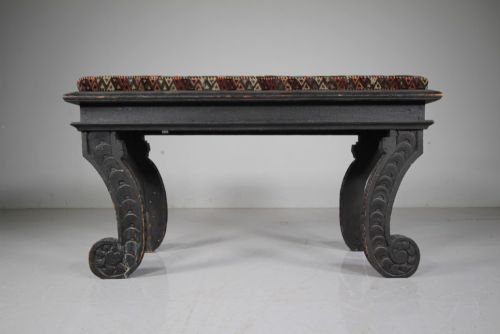
- An elongated wooden stool or bench designed specifically to fit beneath a window recess. These often feature upholstered tops and painted or polished frames.
- Gout stool
- An adjustable Victorian footstool intended to elevate and support the foot of a person suffering from gout. They frequently incorporate mechanical ratchets for angle adjustment.
- Gothic Revival
- A 19th-century design movement drawing inspiration from medieval architecture. Pieces in this style often display pointed arches, heavy oak construction, and tracery.
Wooden Upholstered Stool: Frequently Asked Questions
How do I date a wooden upholstered stool?
Dating relies on identifying stylistic markers, timber types, and construction methods associated with specific periods like the Victorian era or the 18th century. Secondary woods and upholstery tack types also offer clues to age.
Comparing leg shapes, such as cabriole versus straight turned legs, helps narrow down the decade of manufacture.
Were piano stools different from regular stools?
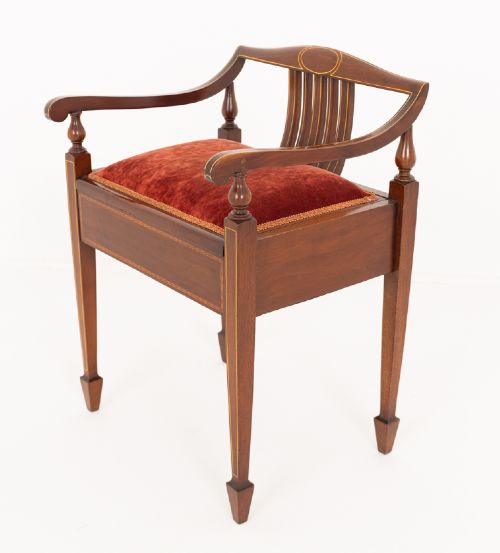
Piano stools from the Edwardian and late 19th-century periods were specifically designed for keyboard players, often incorporating adjustable height mechanisms or dual seating capacities.
Their proportions and mechanical internal components separate them from standard dressing table seats or fireside footstools.
Can I use a window seat in a hallway?
Window seats and long benches function effectively in hallways, entryways, or at the foot of a bed, providing both a surface for sitting and interior decorative presence.
Their elongated proportions suit narrow spaces where conventional chairs might obstruct movement.
What is a Gustavian stool?
A Gustavian stool originates from 18th-century or 19th-century Swedish neoclassical design, typically featuring painted wooden frames in pale tones and restrained carved ornamentation.
These pieces often showcase silk or neutral fabric upholstery that reflects Scandinavian interior aesthetics of the period.