






Brown Cane Holder
Brown cane holder designates umbrella and stick stands in materials such as oak and cast iron.
Brown Cane Holder
A brown cane holder functions as a practical hallway fixture for walking sticks, umbrellas, and whips. These items appear across nineteenth-century and early twentieth-century periods.
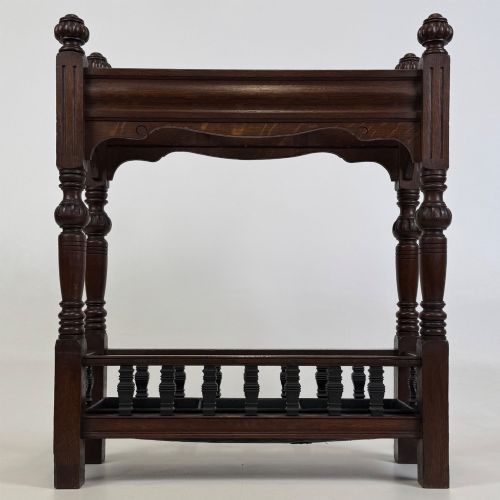
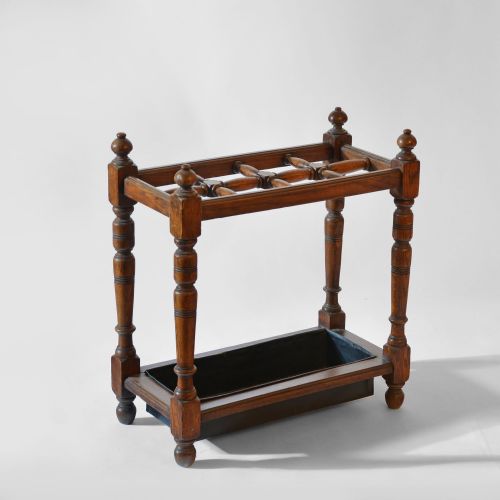
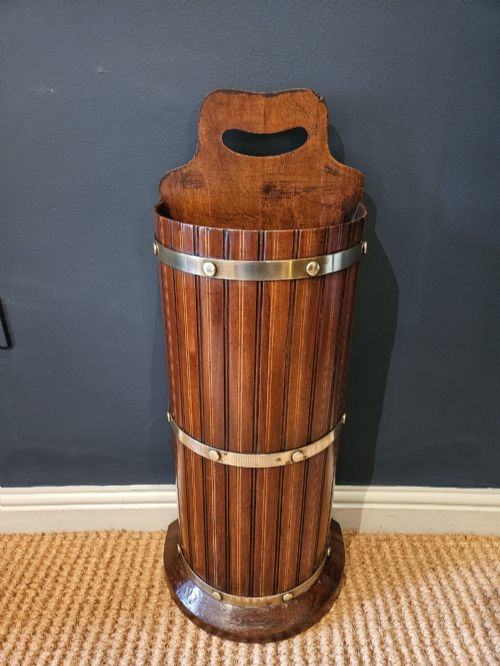
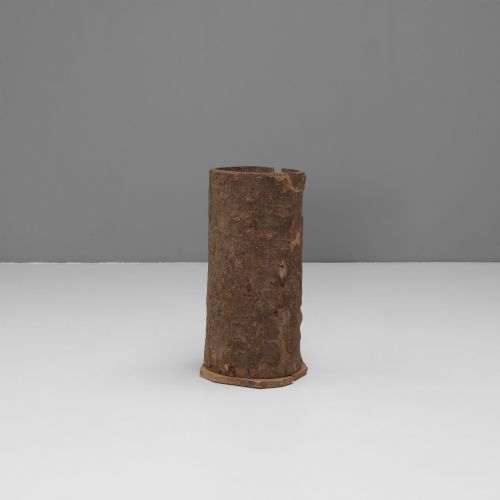
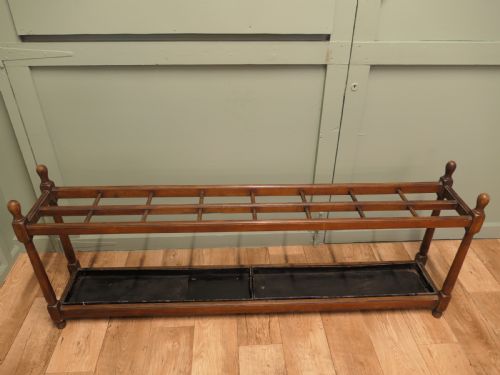
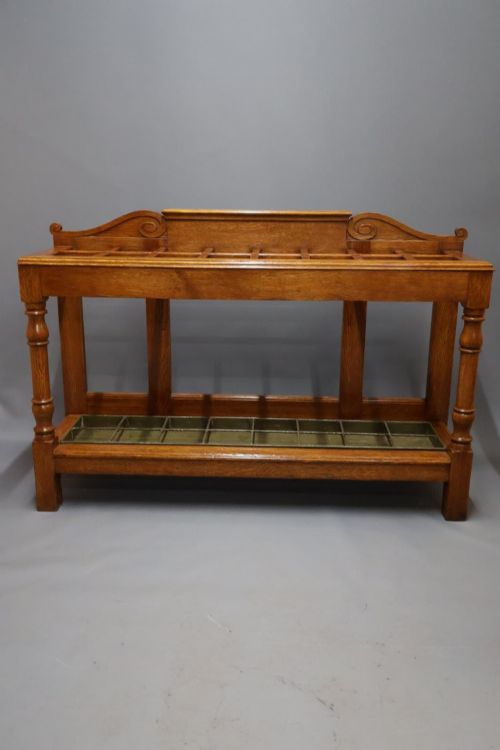
The most common version met on this page is the oak umbrella and stick stand, often built in Victorian or Edwardian styles. Examples range from simple domestic barrels to large country house hall racks with multiple divisions.
Makers and manufacturers produced these pieces in wood, metal, and ceramic forms to suit domestic halls, shops, and hotels. Buyers select them for hallway organisation and period character.
How they were made
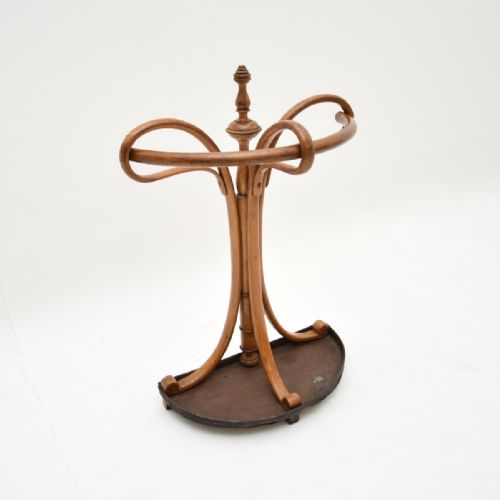
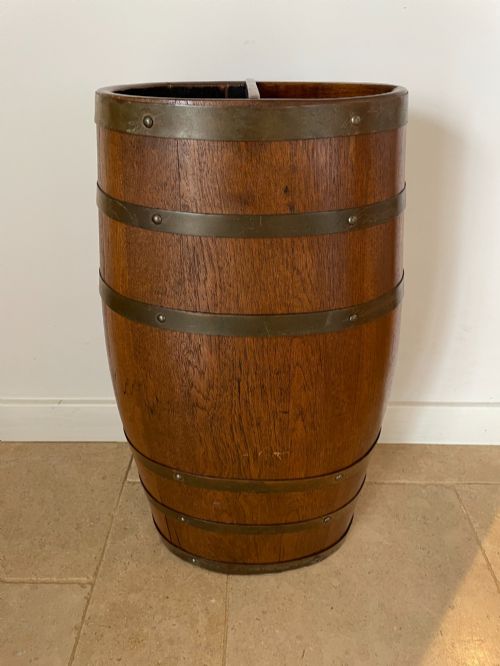
Wood construction relies on oak, mahogany, walnut, and bentwood, frequently shaped through coopered barrel techniques or carved joinery. Brass or iron bands often reinforce wooden bodies.
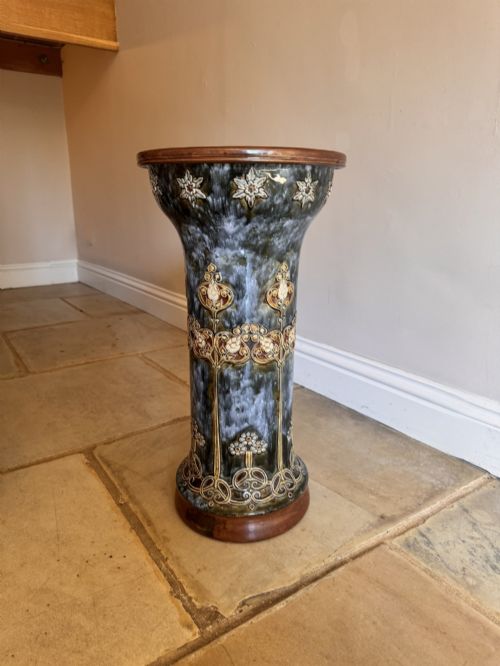
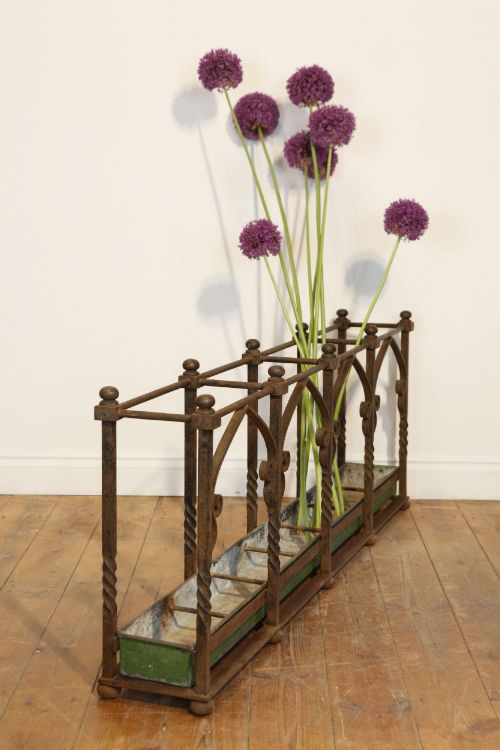
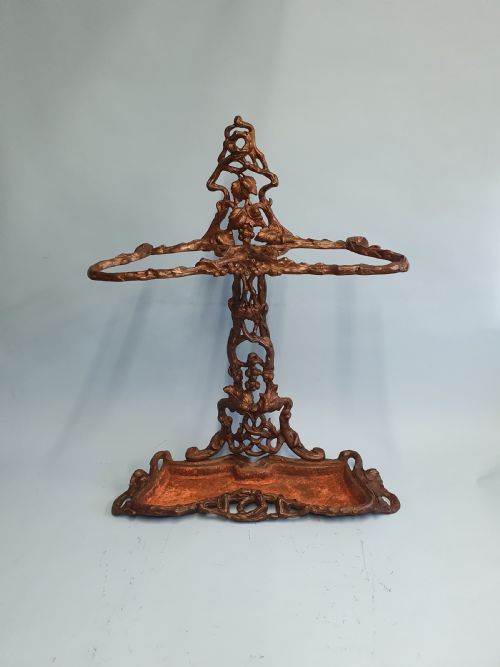
Metal versions utilise cast iron, sometimes painted or enamelled, cast in foundry moulds with intricate openwork or figural designs. Leather and stoneware appear in specific utilitarian or barrel forms.
Brown Cane Holder Retail Price Guide 2026
Typical asking prices for brown cane holder among the pieces listed under this phrase on Sellingantiques today, from the lower quarter to the upper quarter. They describe what is for sale here now, not the wider market.
A carved Black Forest bear stands ready to guard your walking sticks.
What varies in quality
Construction methods determine durability and finish, distinguishing solid coopered barrels and heavy cast iron foundries from lighter domestic pieces. The presence of maker foundry marks or designer influence elevates certain examples above standard utility items.
Material selection and decorative carving depth create distinction within categories like Black Forest or Arts and Crafts pieces. Scale and division count also dictate whether a stand served a modest hallway or a large country house.
Thonet·A. Kenrick & Sons·Coalbrookdale·Falkirk Foundry
The Brown Cane Holder Glossary
- Coopered
- Constructed from wooden staves bound together with metal hoops, typical of barrel-form stands. This method mirrors traditional cask-making.
- Bentwood
- Wood softened by steam and bent into curved shapes, associated with manufacturers like Thonet. It creates lightweight yet resilient frames.
- Cast iron
- Molten metal poured into a mould to form rigid, heavy structures with detailed patterns. Foundries used this for durable umbrella frames.
- Saltglaze stoneware
- Pottery glazed by throwing common salt into the kiln during high-temperature firing, producing a durable textured surface. It appears on heavy barrel stands.
- Black Forest
- Wood carving style originating in Switzerland and Germany, featuring naturalistic animal figures. Bears holding sticks are typical of this tradition.
Brown Cane Holder: Frequently Asked Questions
What is a brown cane holder used for?
These stands hold walking sticks, umbrellas, and parasols in entrance halls and vestibules. They keep wet items contained and everyday accessories organised near the front door.
Larger country house versions also accommodated riding crops, fishing rods, and multiple guests' belongings. Their designs integrated drip pans at the base to protect wooden or stone floors.
How do I date an oak umbrella stand?
Dating relies on stylistic movements, construction marks, and timber selection visible in the piece. Victorian examples often display heavier mouldings, while Arts and Crafts items show plainer pegged joinery.
Edwardian and later twentieth-century pieces can exhibit lighter framing or different metal loop hardware. Comparing the hardware and finish helps narrow the decade of production.
Are cast iron stands very heavy?
Cast iron stands possess substantial weight to prevent tipping when holding heavy walking sticks and wet umbrellas. This mass made them ideal for busy hallways and commercial spaces.
Smaller examples are easier to reposition, but larger foundry pieces remain stationary once placed. Their weight comes directly from the solid iron mouldings used in production.
Where should I place a stick stand at home?
Hallways and porches serve as the most practical locations for daily use near an entrance. They fit neatly into corners or narrow spaces alongside doorways.
Pairing a timber stand with period furniture enhances a traditional interior layout. Positioning them away from direct heat sources protects wooden and leather elements.