



Brown Bronze Classical Figure
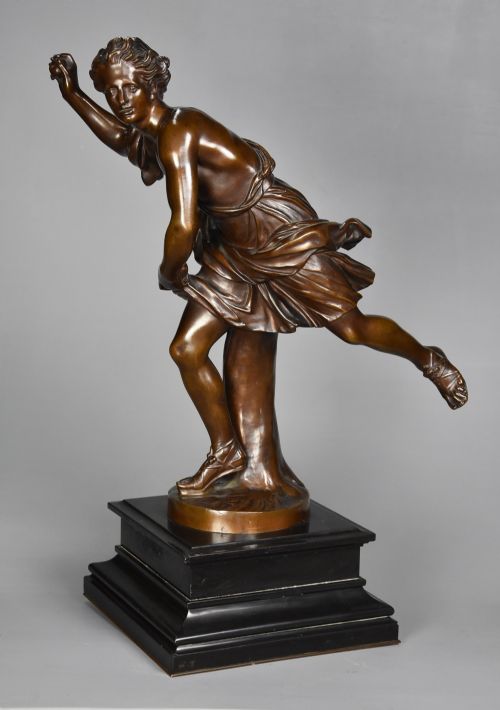
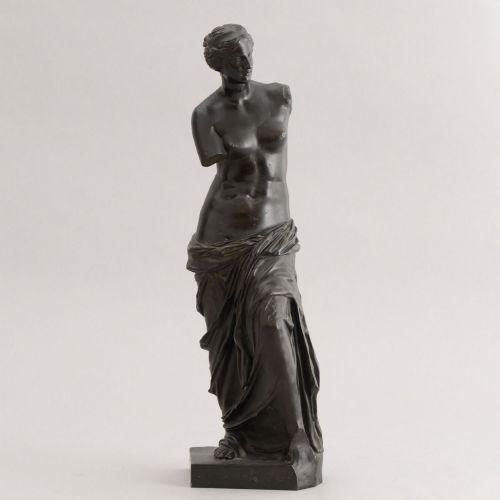
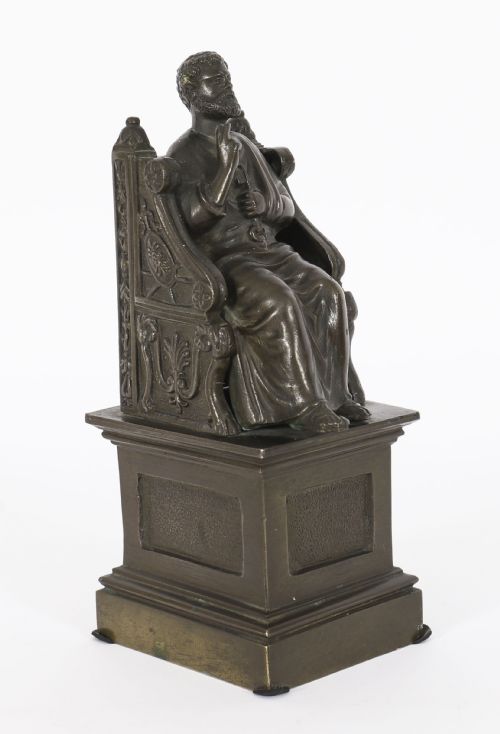
A brown bronze classical figure brings antiquity and mythology into a room through cast metal.
Brown Bronze Classical Figure
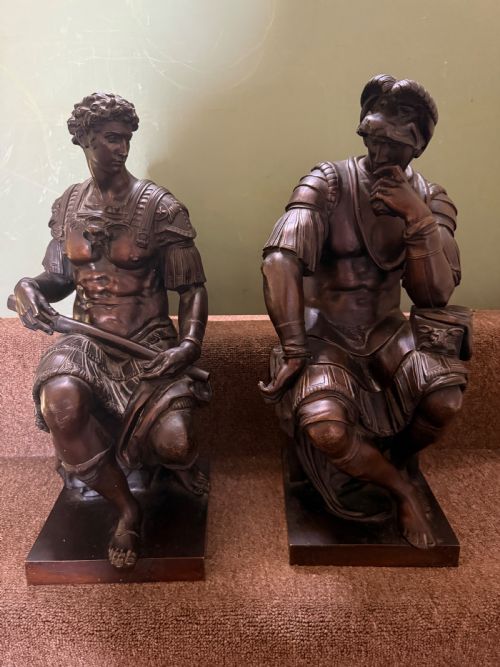
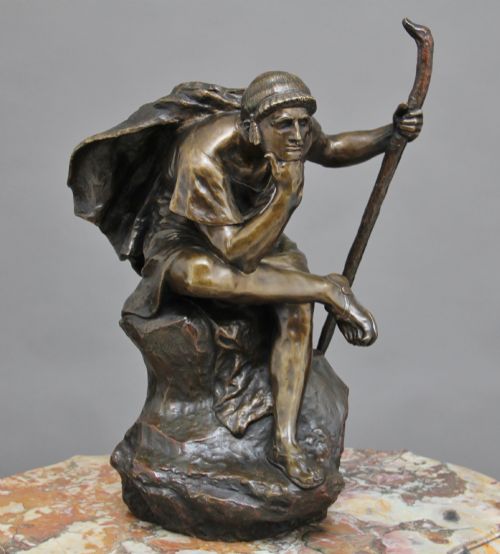
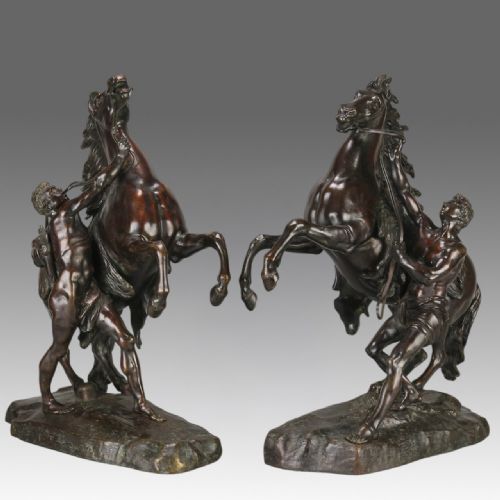
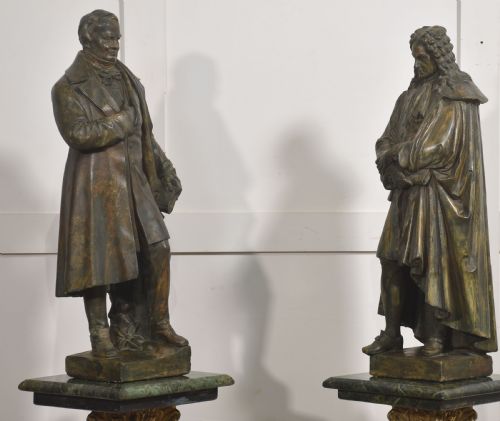
A brown bronze classical figure is a sculptural work depicting mythological subjects, historical rulers, or antique statues. These pieces frequently appear in nineteenth century French castings and Italian Grand Tour souvenirs.
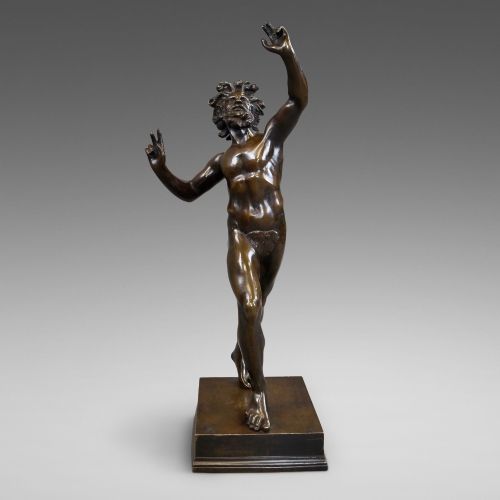
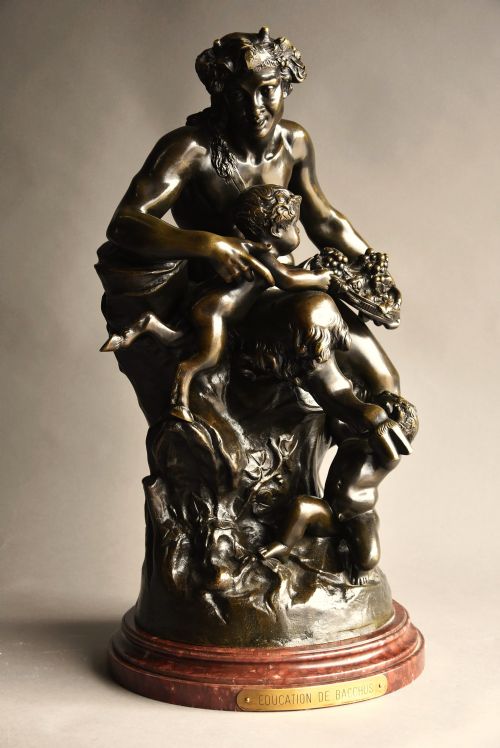
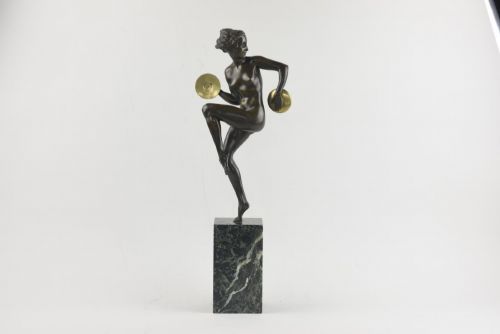
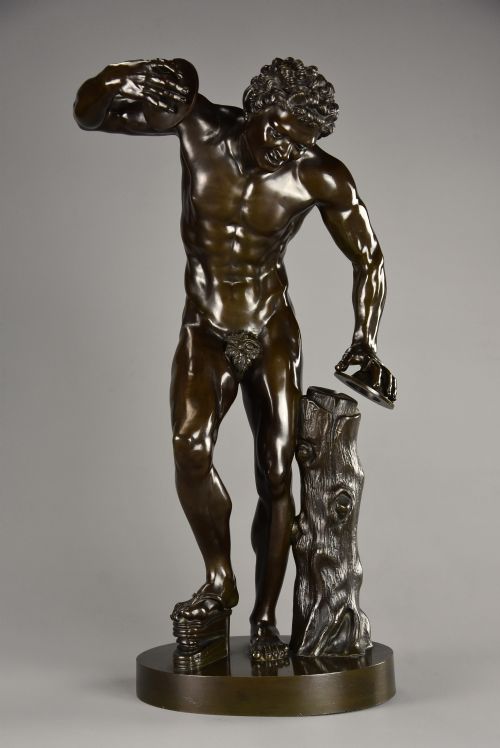
The subjects draw upon ancient Greek and Roman prototypes, including dancers, satyrs, and classical deities. Figures range from table lamp bases to large floor standing sculptures.
Italian workshops produced small scale souvenirs for travellers, while French foundries created detailed interpretations of museum pieces. Both categories form the core of this selection.
Materials and casting methods
Foundries utilised traditional lost wax or sand casting methods to shape molten metal into complex anatomical forms. The resulting bronze takes surface channelling and fine detail clearly.
Patination mixtures applied to the metal surface produce the characteristic brown tone. Marble plinths and ebonised wood bases frequently support the heavier figures.
Several figures depict dancing fauns, satyrs, and mythical animals caught mid motion.
Distinctions in craftsmanship
The crispness of the chasing defines the standard of a cast, separating sharp muscle definition from softened edges. Skilled artisans finished the metal by hand after removal from the mould.
Signatures from notable foundries or makers indicate workshop standards. The depth and evenness of the brown patination also reflect the care taken during production.
Barbedienne·Emile Louis Picault·Louis Auguste Moreau·Carl Kauba
The Brown Bronze Classical Figure Glossary
- Grand Tour
- A nineteenth century travel tradition where wealthy collectors acquired souvenir bronzes in Italy. These small copies reproduced famous ancient sculptures found in museums.
- Patinated Bronze
- Metal treated with chemical solutions to produce a brown or dark surface colour. This layer protects the bronze and creates visual depth.
- Lost Wax Casting
- A method of creating metal sculptures from an original model encased in wax and clay. Molten bronze replaces the melted wax inside the mould.
- Neoclassical
- A cultural movement reviving the styles of classical antiquity in art and sculpture. This aesthetic influences the proportions and subject matter of the figures.
- Chasing
- The process of hand finishing a raw metal casting using small punches and hammers. This technique restores surface details lost during the casting stage.
Brown Bronze Classical Figure: Frequently Asked Questions
What subjects do these figures portray?
The sculptures depict characters from classical mythology, historical rulers, and literary figures. Common subjects include dancers, satyrs, and ancient deities.
Many pieces derive from famous statues located in European galleries and archaeological sites.
How were Grand Tour bronzes used?
Travellers bought these portable sculptures as mementos of educational journeys across Italy and France. Displayed in home libraries and studies, they signalled cultural refinement.
Some examples also functioned as bases for lamps or decorative desk accessories.
How do I identify a nineteenth century cast?
Nineteenth century pieces often feature foundry stamps, artist signatures, or specific patination styles characteristic of the period. The weight and construction of the underlying bronze help confirm age.
Mounting materials such as marble plinths also correspond to nineteenth century framing practices.
Where should I display a bronze figure?
These sculptures suit stable surfaces away from direct moisture and strong heat sources. Heavier pieces require sturdy furniture or dedicated pedestals.
Good placement allows proper lighting to highlight the brown patinated surface.